

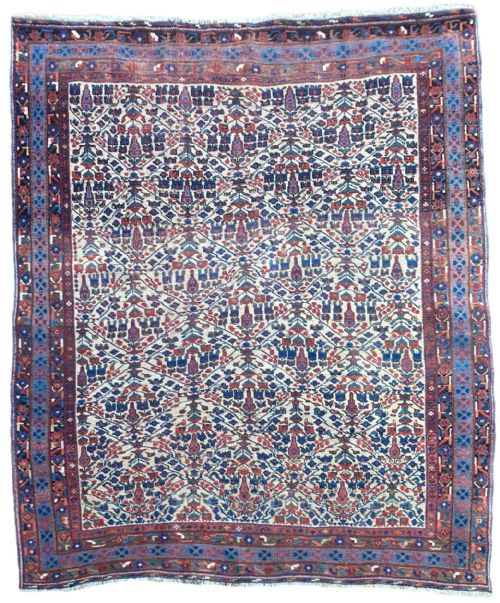


Antique Afshar Wool Carpet
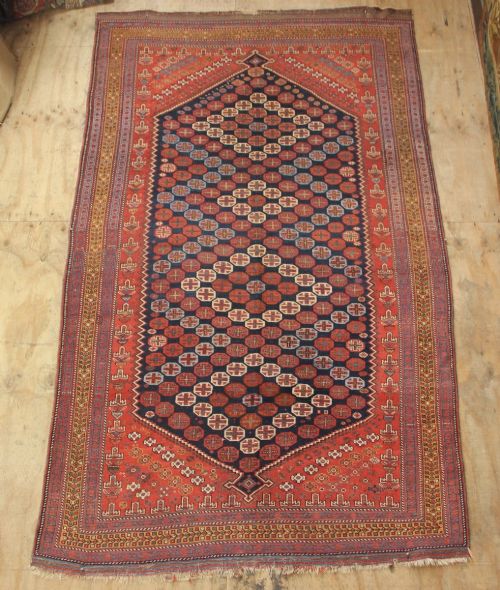
An antique afshar wool carpet brings the bold geometric patterns of South Persian nomadic weaving directly into a room.
Antique Afshar Wool Carpet
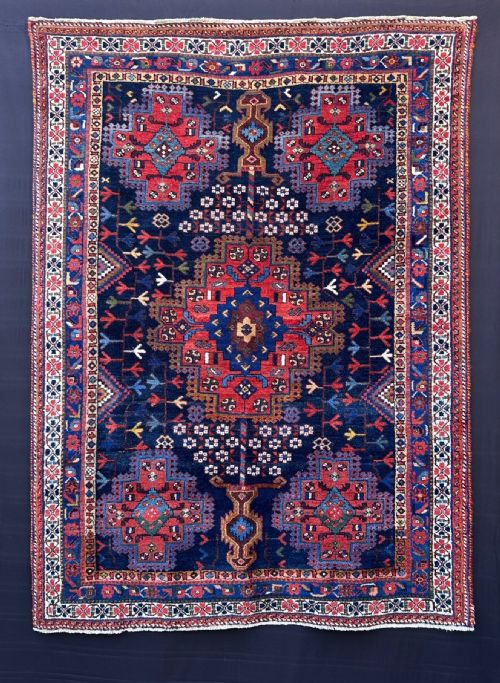
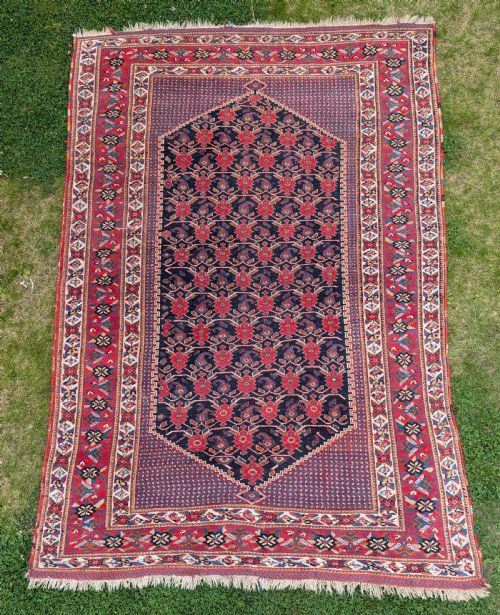
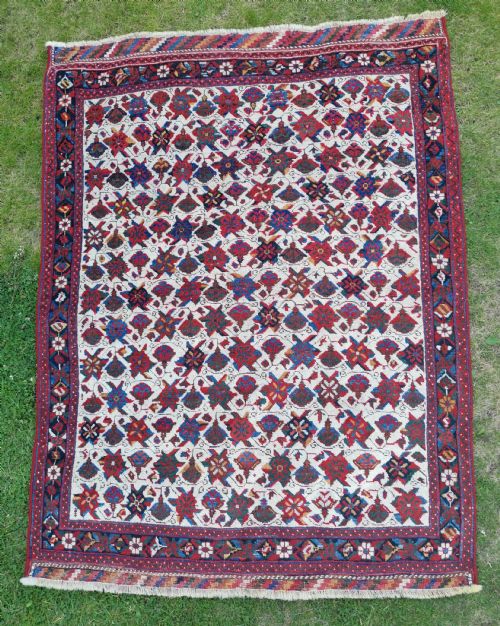
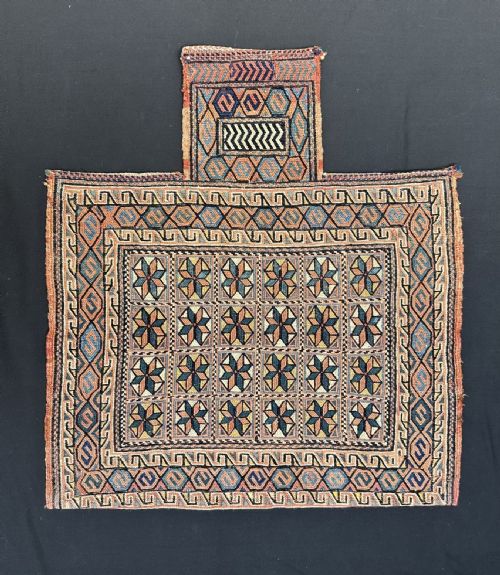
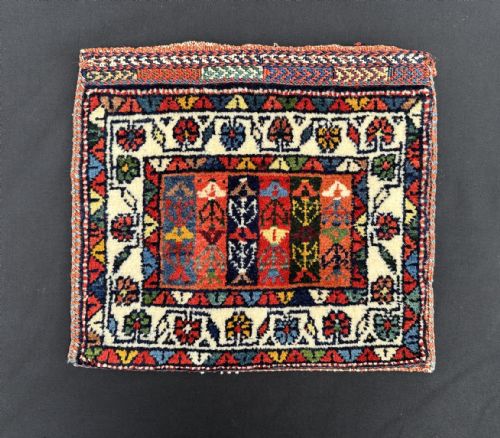
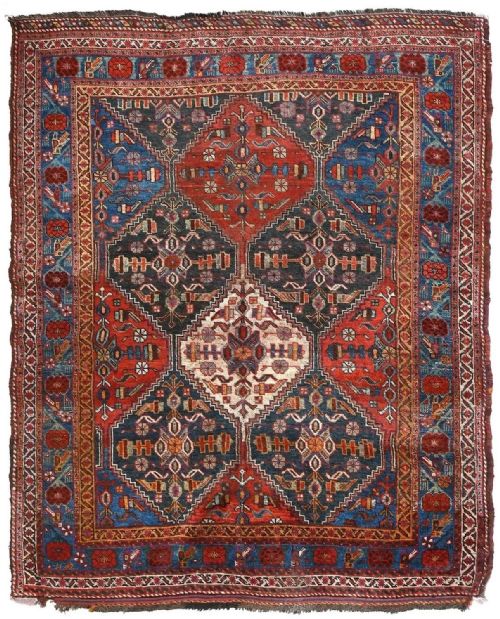
When you search for an antique afshar wool carpet, you encounter woven works originating from the nomadic and village tribes of the Kerman province in southern Persia. These textiles include room-sized carpets, long runners, smaller rugs, and functional containers such as salt-bags and vanity-bags.
The pieces appearing on this page date primarily from the late nineteenth century and the early decades of the twentieth century. They represent traditions tied to specific districts like the Neiriz region and Bardsir, capturing distinct tribal visual idioms.
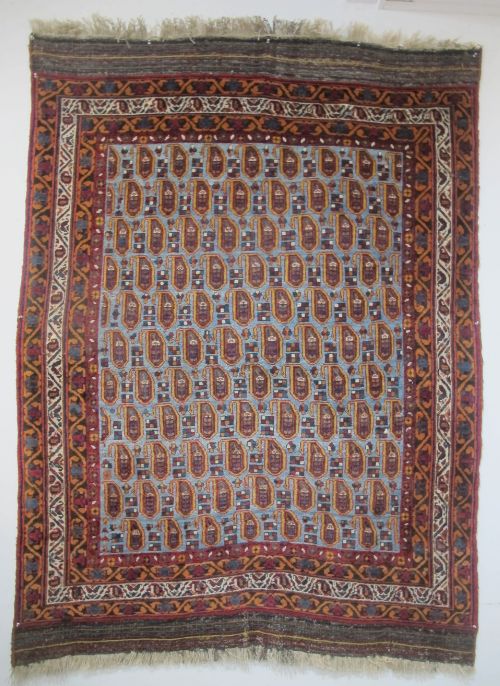
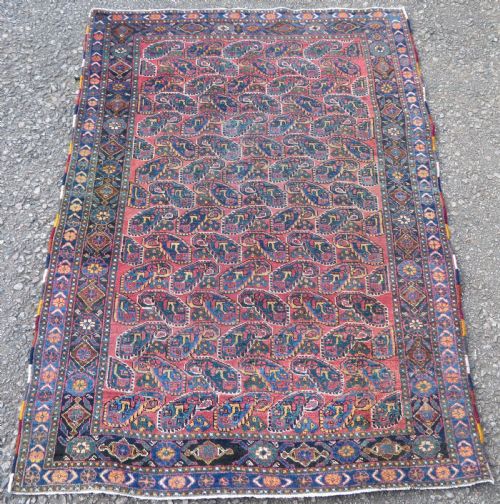
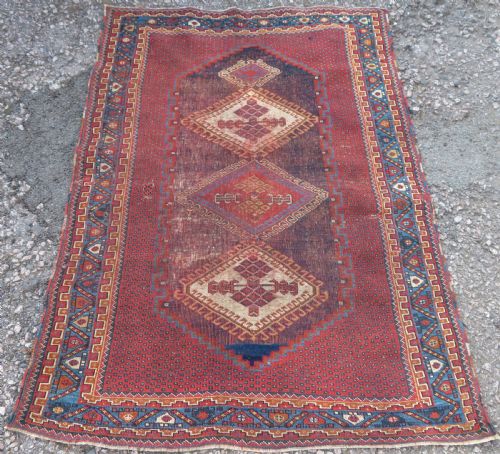
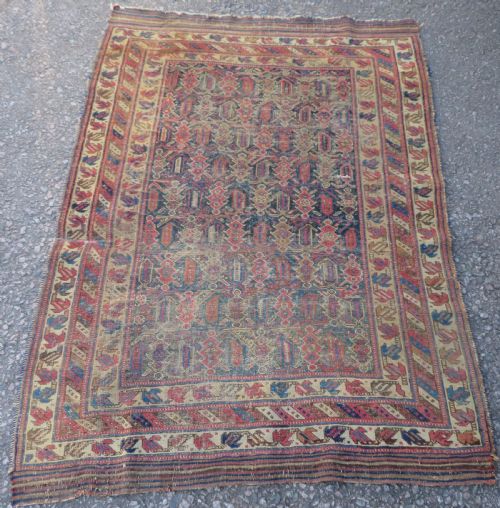
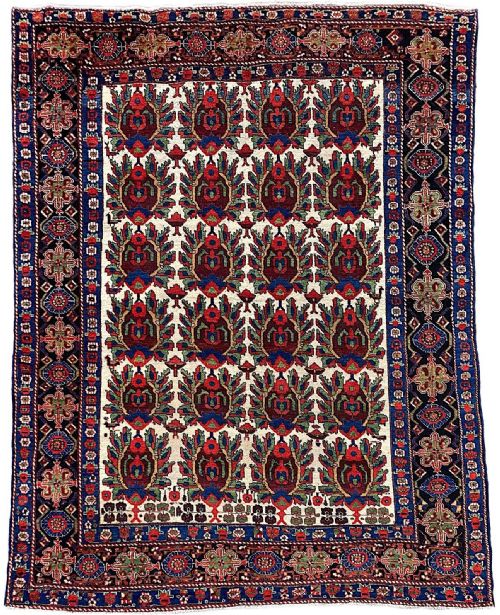
Most examples function as floor coverings, though smaller formats and utility bags reflect the portable lifestyle of the weavers. Their designs range from all-over boteh and Herati patterns to distinct small medallions and figurative motifs.
How they were made
The construction of an antique afshar wool carpet relies on hand-spun wool for the pile, combined with cotton foundations that provide structural stability. Weavers sourced natural dyes to achieve rich colour palettes, grounding their patterns on deep indigo, ivory, and madder red fields.
Techniques include both standard pile knotting and flatwoven soumak structures, executed on portable vertical looms set up in tribal camps or rural villages. This method yields a dense, durable textile designed to withstand years of practical use.
Listings span periods from the nineteenth century through the mid twentieth century, utilising wool, cotton, and natural dyes.
What varies in quality
Quality in these textiles depends heavily on the clarity of the wool and the saturation of the natural dyes used across the field. Finer knots per square inch allow intricate geometric designs and small medallions to maintain sharp definition.
The handling of traditional motifs, such as the boteh, dragon and phoenix, or vase designs, distinguishes standard village production from superior tribal weaving. Well-preserved pile height and intact original edges further elevate an individual piece within the range.
The Antique Afshar Wool Carpet Glossary
- Boteh
- A stylised almond or pear-shaped motif representing a floral shoot or cypress tree. This design appears frequently across field patterns in southern Persian weaving.
- Herati
- A repeating floral trellis pattern featuring a central rosette enclosed by curved leaves. It forms a balanced network across the carpet ground.
- Soumak
- A flatweaving technique that wraps supplementaryweft threads over the warp to create a textured surface. It provides a sturdy structure without a cut pile.
- Neiriz
- A specific geographical region in the Kerman province known for distinctive tribal rug production. Pieces from this area often exhibit saturated blue grounds and precise geometric drawing.
- Pile
- The cut yarn surface of the carpet that forms the soft upper layer. Its density and condition reflect the primary wear and execution of the weaving.
Antique Afshar Wool Carpet: Frequently Asked Questions
What designs appear on these carpets?
Common motifs include repeating boteh patterns, Herati designs, and small central medallions.
Certain examples also feature figurative elements like dragon and phoenix imagery set against ivory or dark grounds.
How do I care for an antique wool carpet?
Vacuum the piece gently without using a rotating brush roll to protect the wool pile from unnecessary friction.
Keep the textile out of direct sunlight to preserve the stability of the natural dyes over time.
What is the difference between a rug and a carpet?
The distinction rests primarily in scale, with carpets describing larger room-sized floor coverings.
Rugs cover smaller areas, while related formats include long runners and functional utility bags.