
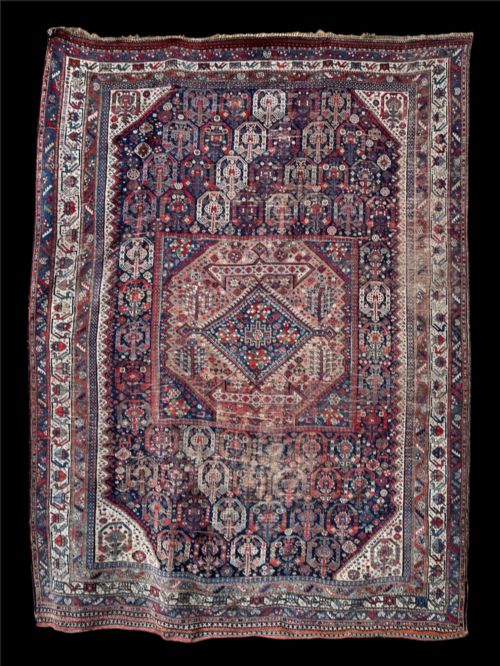


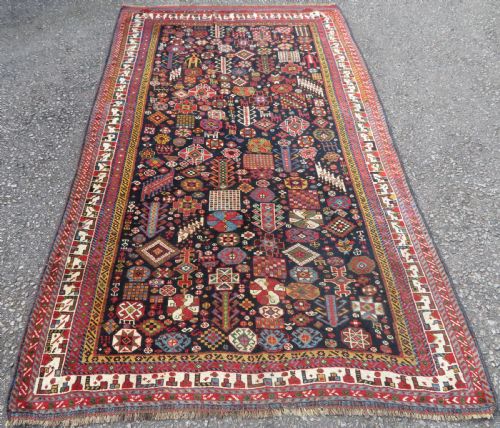


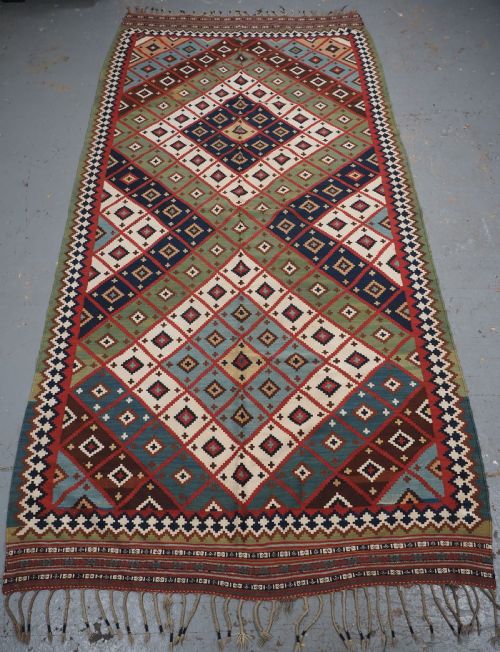


South Persia Wool Runner
These south persia wool runner examples are tribal weavings rich in character, bringing earthy dyes and nomad patterns directly to a hallway.
South Persia Wool Runner
The pieces appearing in this selection span the nineteenth century up to the early twentieth century, capturing decades of indigenous weaving traditions. Typical examples display regional identities linked to confederacies like the Khamseh, alongside Qashqai and Afshar tribal traditions.
Formats range from traditional floor carpets and kilims to narrow runners designed for practical domestic use. Each weaving reflects the specific cultural motifs and village aesthetics of south Persia without relying on urban workshop uniformity.
Materials and construction
The foundation of a south persia wool runner relies on durable wool yarns spun by hand for both the pile and the structural foundation, often paired with cotton elements. These organic materials provide the resilience necessary for heavy foot traffic while retaining a soft handle.
Weavers utilised natural dyes to achieve deep colour palettes that age gracefully over generations. The application of these vegetable and mineral colourants creates the rich, varied tones characteristic of nineteenth-century tribal textiles.
Listings feature 19th-century and early 20th-century pieces utilising wool, cotton, and natural dyes within Persian Tribal and Qashqai styles.
Assessing quality in tribal runners
Quality in a south persia wool runner rests on the tightness of the weave and the precision of the tribal geometry. Tightly packed foundations ensure longevity, while clear execution of complex medallion designs reveals the weaver's skill.
The depth and preservation of natural dyes also dictate the visual merit of the piece. Vibrant colour saturation combined with harmonious patination separates standard domestic items from superior tribal specimens.
The South Persia Wool Runner Glossary
- Pile
- The upright wool loops or cut yarn ends forming the usable surface of a rug. It provides both comfort underfoot and protection for the structural foundation underneath.
- Kilim
- A flat-woven carpet or runner produced without a raised pile. These pieces rely on interlocking warp and weft threads to create sharp geometric patterns.
- Warp
- The stationary vertical threads stretched tightly on the loom before weaving begins. They form the skeleton of the textile and often appear as fringing at the ends.
- Weft
- The horizontal threads passed alternately over and under the warp yarns to lock the knots in place. Together with the warp, they create the grid of the fabric.
- Natural Dyes
- Colourants derived from plants, insects and minerals prior to the invention of synthetic alternatives. They impart nuanced shades that develop a distinct patina over time.
South Persia Wool Runner: Frequently Asked Questions
What is a south persia wool runner?
A south persia wool runner is a narrow, elongated tribal textile hand-woven in the southern regions of Persia using local wool and natural dyes. These pieces were traditionally utilised by nomadic and village tribes for domestic flooring.
They reflect distinct cultural motifs belonging to groups such as the Qashqai, Khamseh, and Afshar confederacies. Each runner combines practical utility with expressive geometric or medallion designs.
How do I care for an old wool runner?
Caring for an antique wool runner involves regular gentle vacuuming without the beater bar to protect the hand-spun pile. Professional cleaning specifically suited for antique textiles helps preserve the natural lanolin in the wool.
Placing a breathable underlay beneath the runner prevents slipping and reduces friction against hard floors. Keeping the textile away from prolonged direct sunlight protects the natural dyes from fading.
Where were these tribal runners made?
These runners were produced by nomadic tribes and settled villagers in the southern provinces of Persia, notably Fars Province. This region supported diverse tribal groups who moved seasonally across the landscape.
Weavers worked within their camps or villages, utilising locally sourced materials and traditional patterns passed down through generations. The geography and local flora directly influenced the dyes and wool characteristics.
How do I date an antique runner?
Dating an antique runner requires examining the structural materials, dye characteristics, and style of the tribal motifs. Nineteenth-century examples often display specific colour combinations and hand-spun wool textures that differ from later production.
Wear patterns, edge finishes, and the presence of natural dyes rather than synthetics provide further clues to age. Comparing the weave structure to documented regional examples helps narrow down the period of origin.