
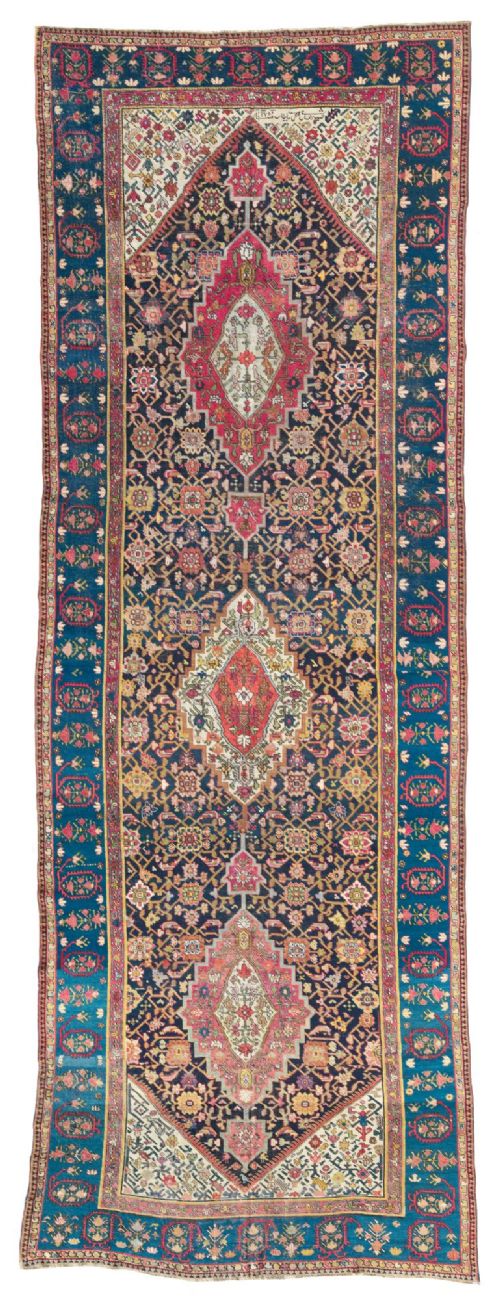
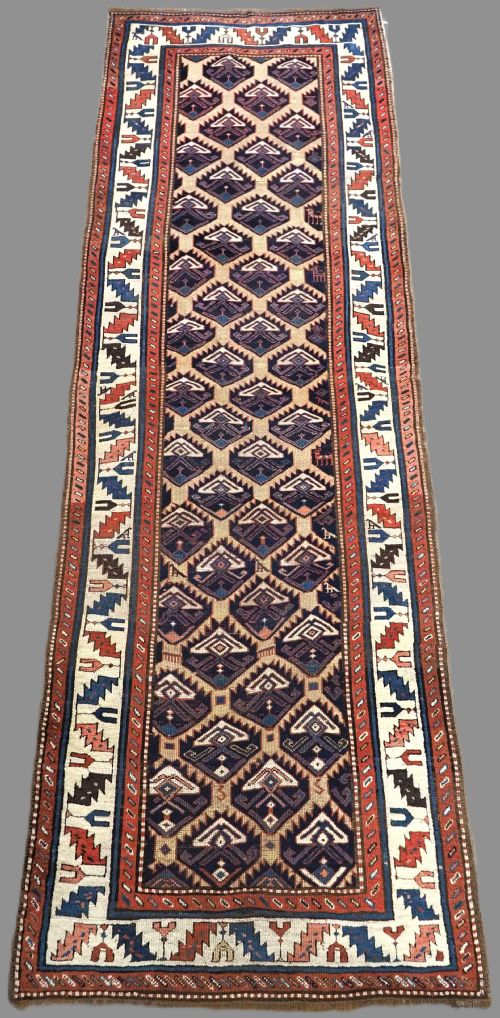
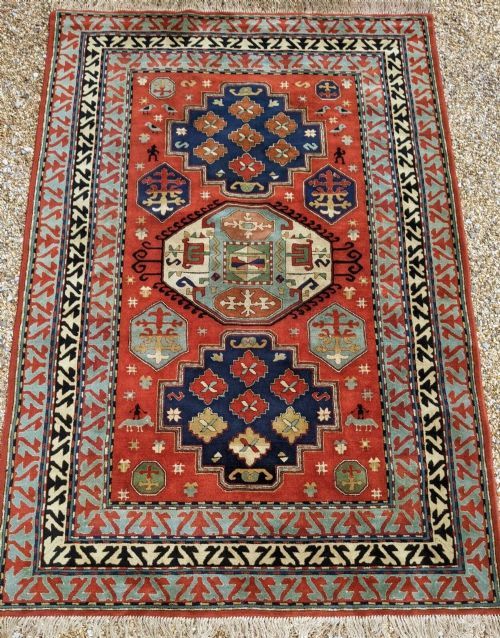
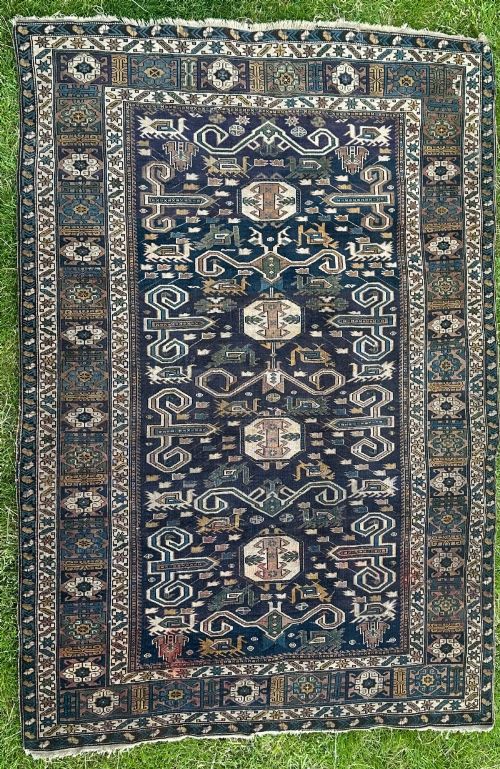

Navy Caucasian Carpet
These navy caucasian carpet examples bring together geometric motifs and rich pile, offering enduring character for busy rooms.
Navy Caucasian Carpet
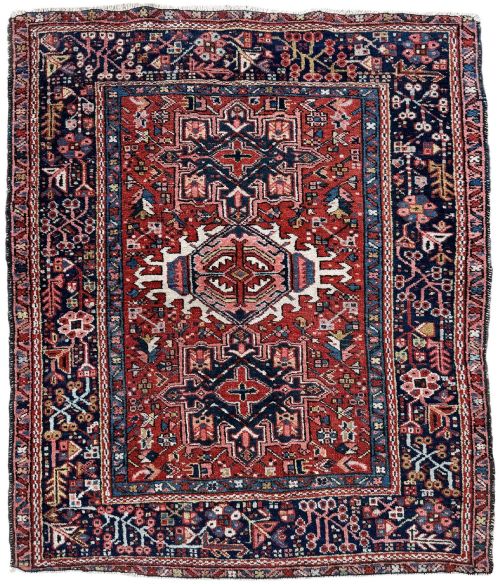
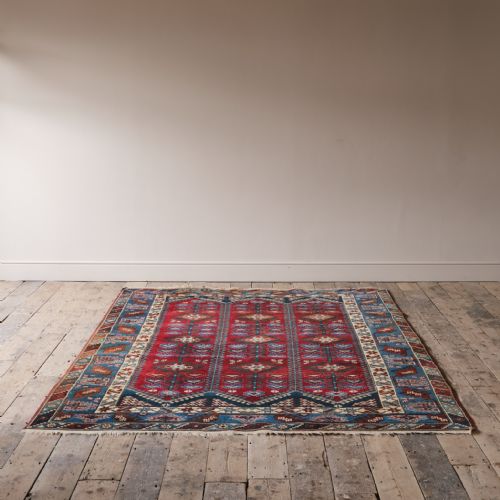
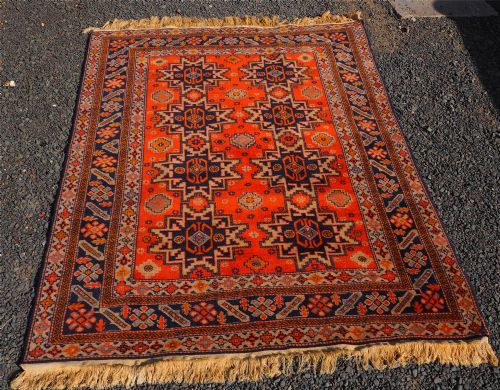
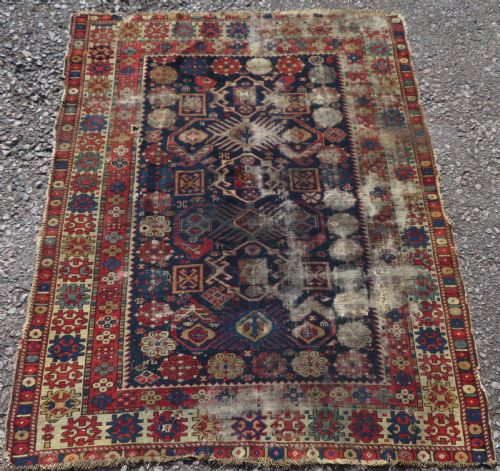
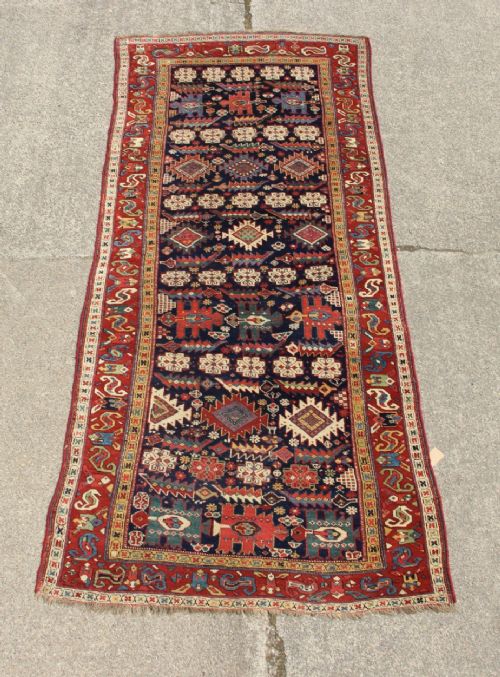
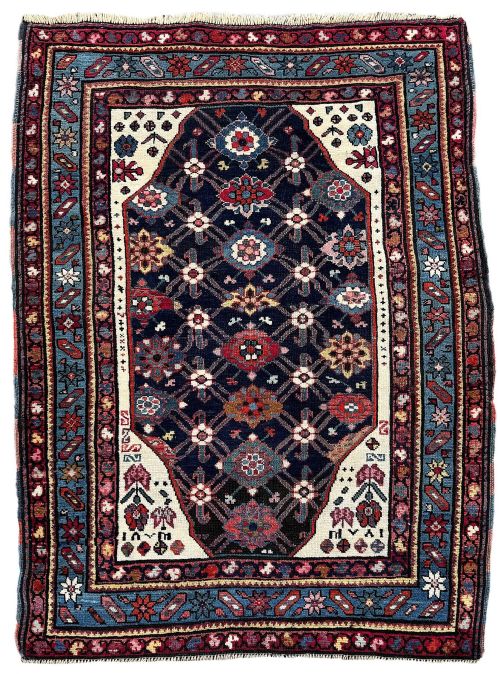
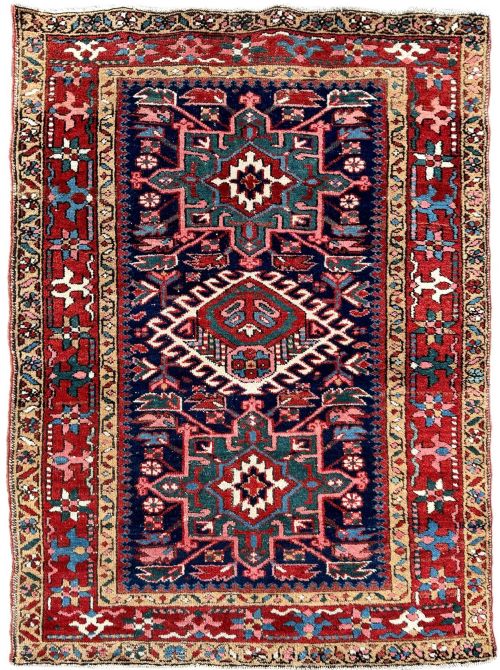
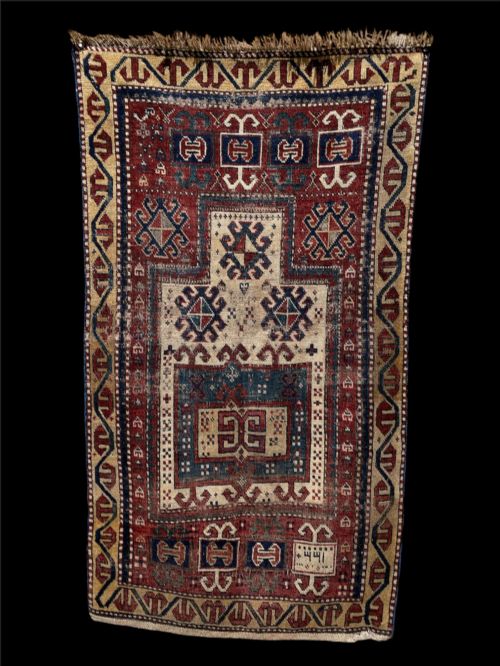
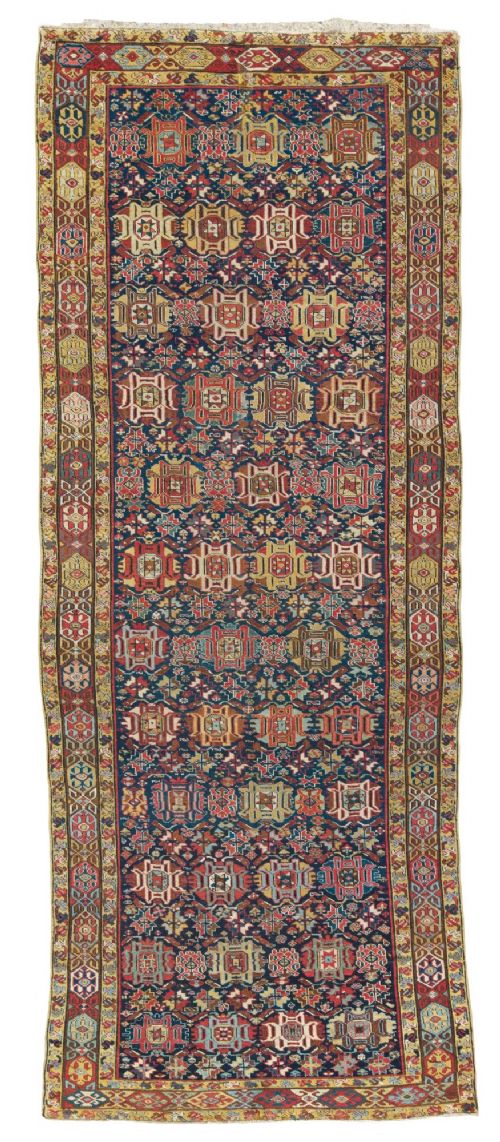
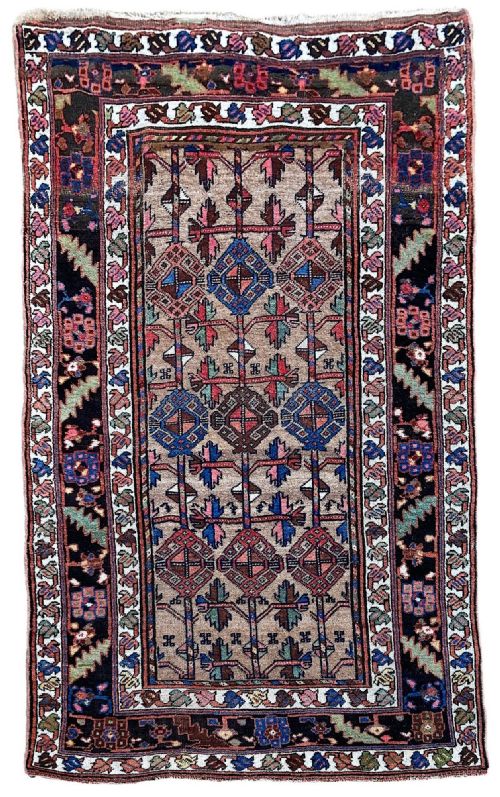
A navy caucasian carpet sits within a tradition of hand-knotted weaving spanning the nineteenth and early twentieth centuries. These pieces encompass diverse formats ranging from square area pieces to long runners and small prayer rugs.
The selections encountered here originate primarily from distinct regional traditions such as Karabagh, Shirvan, Gendje, and Kazak. Makers utilised wool and cotton to construct these floor coverings for daily utility or ceremonial function.
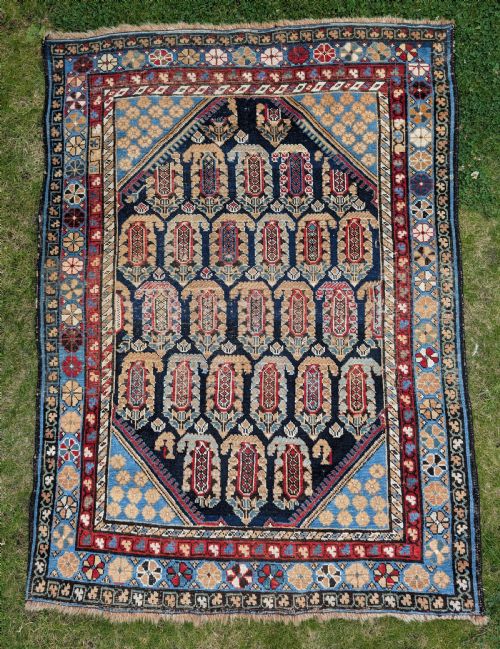
Buyers exploring this category will discover rugs bearing tribal motifs, lattice patterns, boteh designs, and geometric medallions. The palette frequently anchors itself in deep indigo alongside contrasting tones.
How they were made
Weavers relied on hand-spun wool and cotton foundations, knotting the pile tightly by hand to ensure structural resilience. Natural dyes provided the deep blue grounds and secondary shades seen across the region.
Techniques varied between standard pile weaving and flat-woven Soumak structures, depending on the specific tribal workshop. Artisans worked from memory or traditional patterns passed down through generations.
Certain nineteenth-century saddle rugs included distinct animal figures and peacocks alongside traditional geometric symbols, intended as scarce ceremonial items.
What varies in quality
The fineness of the knotting and the crispness of the geometric drawing distinguish exceptional weaving from simpler utilitarian work. Superior examples demonstrate a careful balance of proportions and deliberate placement of motifs.
The purity and depth of the natural dyes utilised in the wool create visual resonance that deepens over time. Handling stability and the integrity of the original foundational materials also shape the standing of each piece.
The Navy Caucasian Carpet Glossary
- Boteh
- A traditional teardrop or almond-shaped motif representing a floral sprout or cypress tree. This ancient symbol appears frequently across Caucasian and Persian weaving.
- Soumak
- A flat-weave technique where working threads wrap around the warp yarns before travelling across the face. This method creates a thicker, durable fabric without a cut pile.
- Kelleh
- A large format rectangular carpet traditionally used in Middle Eastern domestic interiors. These pieces typically display elongated proportions suited for spacious rooms.
- Prayer rug
- A small format rug featuring a mihrab or arch design at one end. Historically, worshippers placed these items facing Mecca during daily devotions.
- Warp
- The stationary vertical threads stretched onto a loom that form the structural foundation of the textile. Weft threads pass horizontally through these lines to secure the knots.
Navy Caucasian Carpet: Frequently Asked Questions
How do I clean an antique rug?
Gentle surface brushing and professional specialist washing preserve the natural wool pile. Avoid harsh chemical agents that strip the historical dyes.
Regular rotation prevents uneven wear patterns in high-traffic hallways and living spaces.
Can I place these rugs in hallways?
Long runner formats function well in corridors and entryways where foot traffic is frequent. Placing a suitable underlay beneath the textile prevents slipping and cushions the foundation.
Selecting tightly knotted wool construction ensures the piece withstands daily passage.
How do I identify regional designs?
Specific border arrangements, specific colour palettes, and distinct geometric medallion structures point toward particular weaving origins. Comparing motif repetitions helps differentiate between Shirvan, Karabagh, and Kazak traditions.
Examining the weave density on the reverse side offers further clues regarding provenance.
Are natural dyes used in these?
Traditional nineteenth and early twentieth-century pieces rely on plant and insect extracts to achieve rich indigo and secondary tones. These colorants yield a characteristic warmth and patina that chemical substitutes lack.
Subtle variations within a single colour field often indicate the use of natural dye baths.