


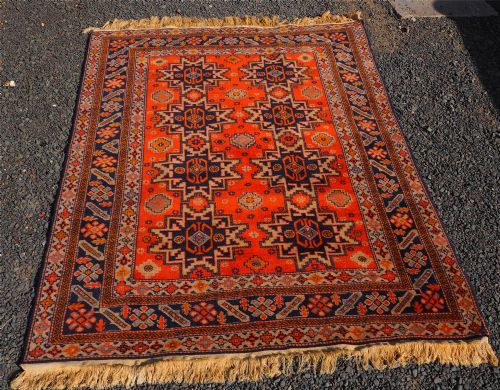
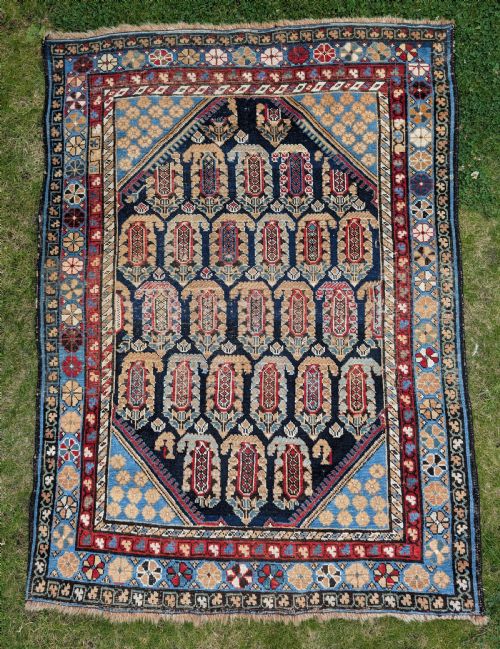
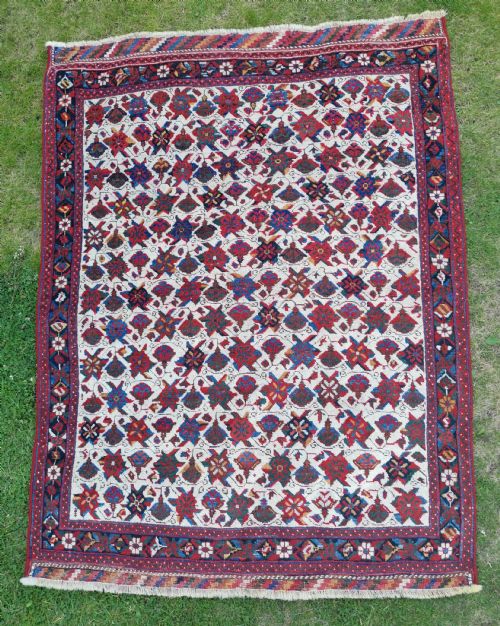
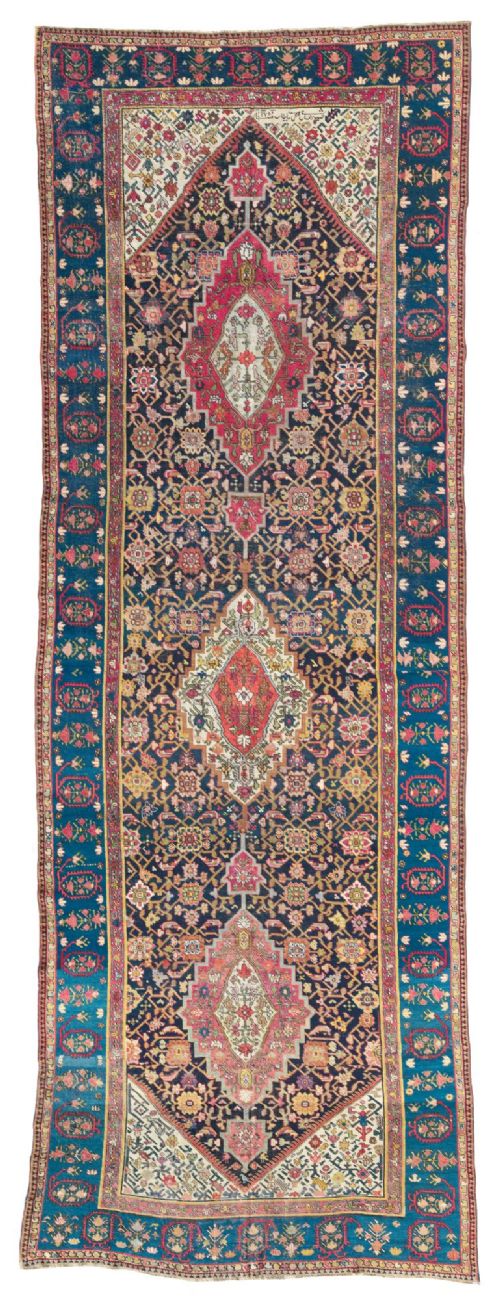
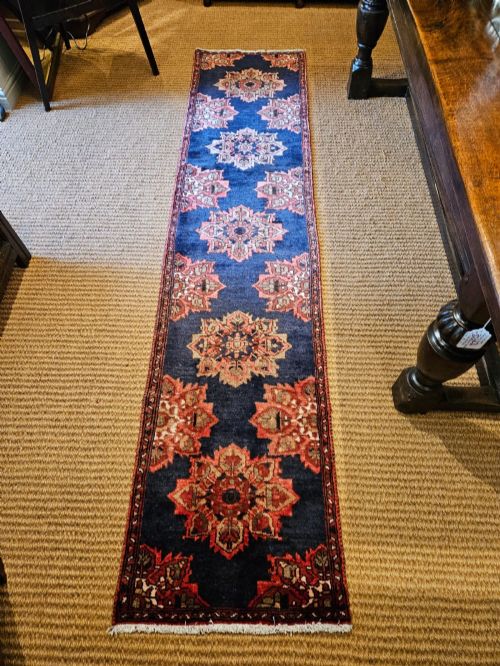
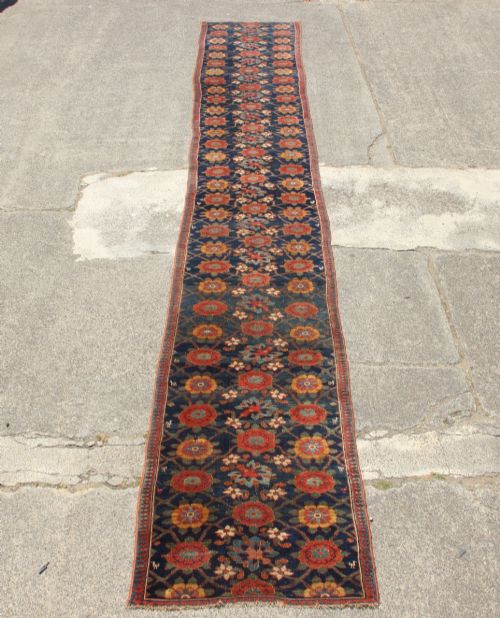
Navy Blue Tribal Carpet
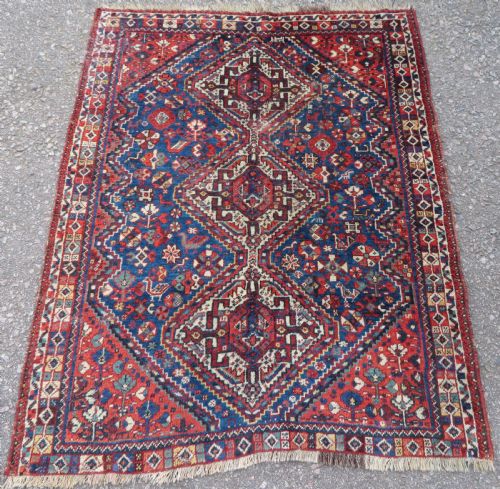
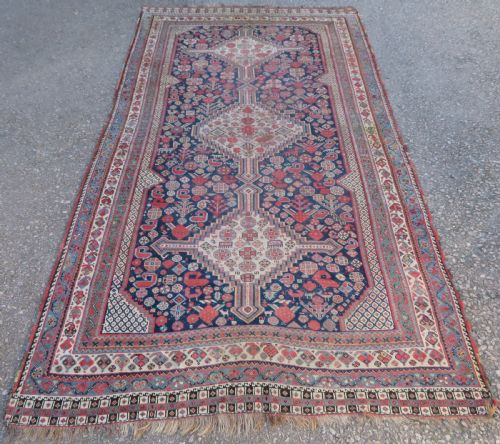
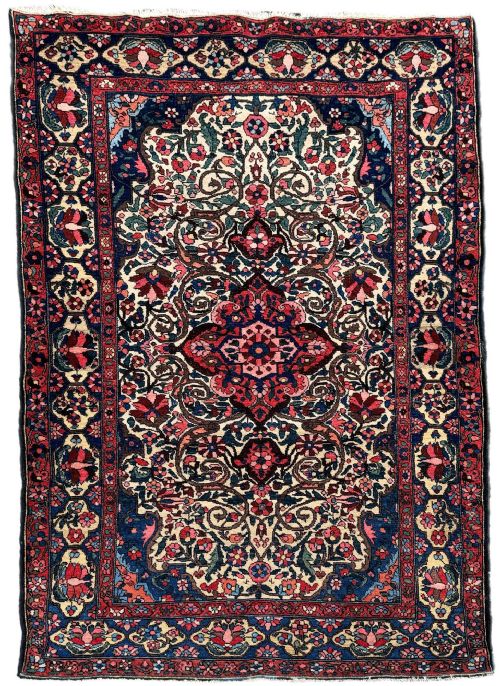
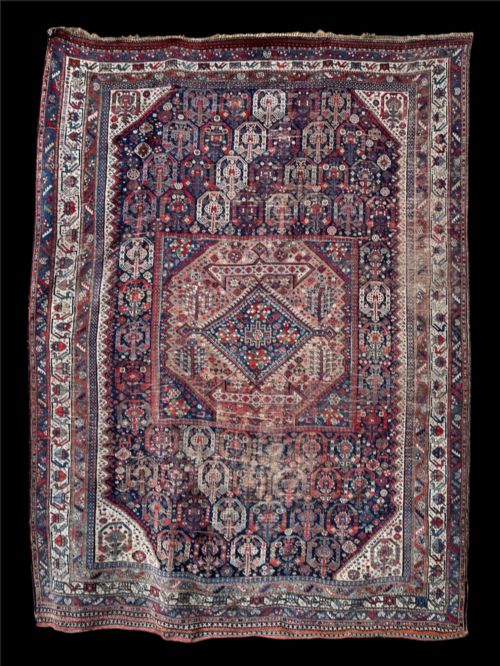
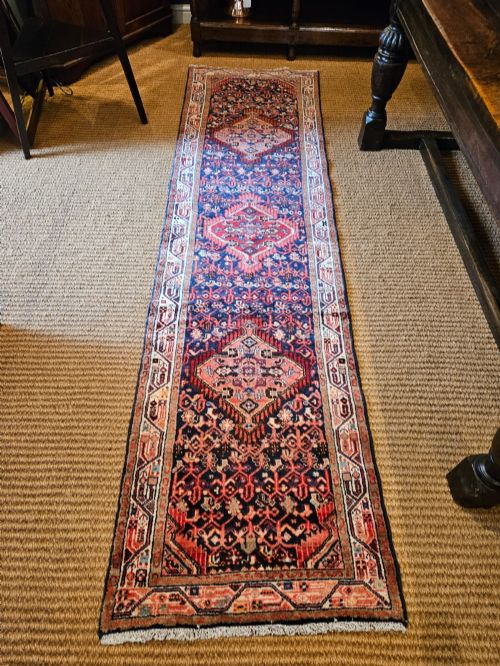
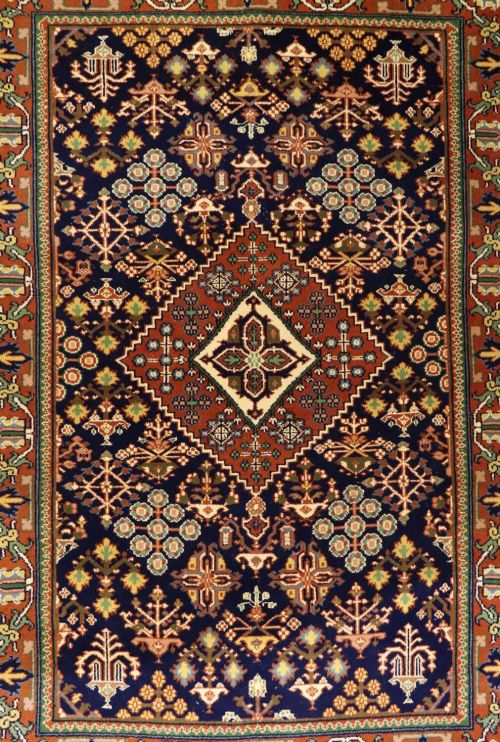
A navy blue tribal carpet brings deep indigo ground tones and geometric village designs straight into a room.
Navy Blue Tribal Carpet
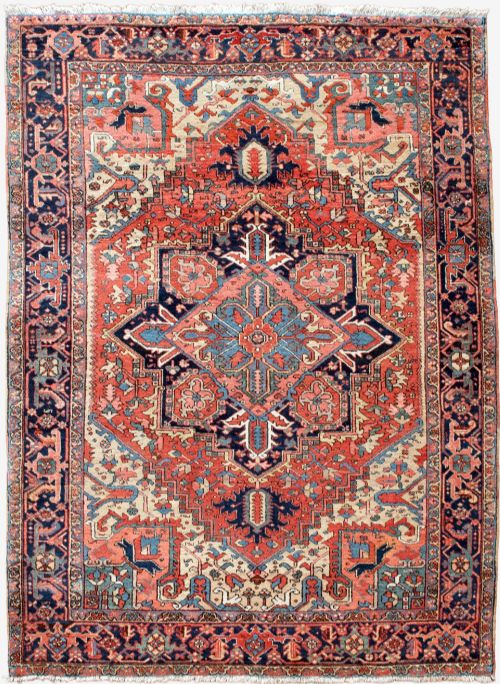
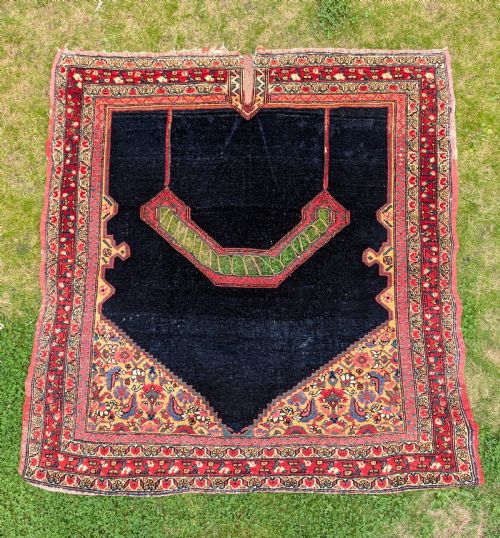
A navy blue tribal carpet represents nomadic and village weaving traditions originating from Persian and Caucasian regions. These floor coverings span runner rugs, area rugs, saddle covers and large main carpets produced across the nineteenth and twentieth centuries.
Buyers seeking this phrase encounter formats ranging from room-sized carpets down to narrow hallway runners and square formats. Specific village and confederacy names appear frequently, including Khamseh, Afshar, Qashqai, Kurdish and Karabagh.
The dominant palette centres on deep indigo and navy grounds contrasted with saturated reds, ivories and golds. Designs rely heavily on geometric medallions, repeating motifs and tribal field patterns.
Materials and construction
Weavers constructed these pieces using hand-spun wool and standard wool pile knotted onto cotton or wool foundations. The reliance on natural materials gives the pile a resilient handle that responds well to traditional hand-knotting techniques.
Dye methods utilise natural sources to achieve the characteristic deep navy blue and contrasting secondary hues. Foundation yarns often show the slight irregularities typical of village and nomadic production.
The selection spans pieces dated from 1850 through the 1940s, utilising wool, cotton and hand-spun wool across Persian and Caucasian styles.
Separating the grades
Quality rests upon knot density, handle flexibility and the crispness of the geometric drawing. Tighter knotting allows intricate medallion details and Mina Khani patterns to remain sharp and legible across the navy field.
The handle of the wool and the integrity of the original selvages and ends determine the structural preservation of an older runner or carpet. Secondary colours retain their contrast against the dark ground when dyestuffs are evenly saturated.
Afshar tribe·Qashqai tribe·Shahsavan tribe·Kurdish weavers
The Navy Blue Tribal Carpet Glossary
- Medallion
- A central ornamental motif placed in the field of a carpet. This element anchors the geometric symmetry typical of village and tribal weaving.
- Kelleh
- A long, rectangular format of carpet traditionally suited to narrow room proportions. These pieces sit between standard area rugs and full room carpets.
- Runner
- A long, narrow carpet format designed for hallways and corridors. They repeat field patterns to draw the eye along linear spaces.
- Saddle cover
- A small animal trapping woven for riding gear rather than floor use. These items share the knotting techniques and wool quality of larger rugs.
- Mina Khani
- A repeating floral and lattice pattern spread across the field. This classic design appears frequently in Kurdish and Persian village weaving.
Navy Blue Tribal Carpet: Frequently Asked Questions
Where should I place a navy blue tribal carpet?
These pieces suit high-traffic walkways, living areas and studies where deep indigo tones anchor surrounding furniture.
Runners fit narrow hallways, while larger formats suit dining spaces and sitting rooms.
How do I clean an older wool rug?
Routine maintenance requires gentle vacuuming without rotary brushes to protect the hand-knotted pile.
Professional specialist cleaning remains necessary for deep washing to preserve the natural wool fibres.
What indicates tribal origin?
Asymmetrical geometric layouts, geometric medallions and informal village compositions point directly to nomadic production.
Hand-spun wool and saturated indigo grounds further distinguish these pieces from city workshops.
How do I read carpet dimensions?
Measurements span both metric and imperial units depending on the origin of the listing.
Runners offer narrow lengths for corridors, whereas kelleh and main carpet formats fill larger rooms.