


Karaja Wool Carpet
A karaja wool carpet brings the robust craftsmanship and geometric character of North-West Persia directly to your floors.
Karaja Wool Carpet
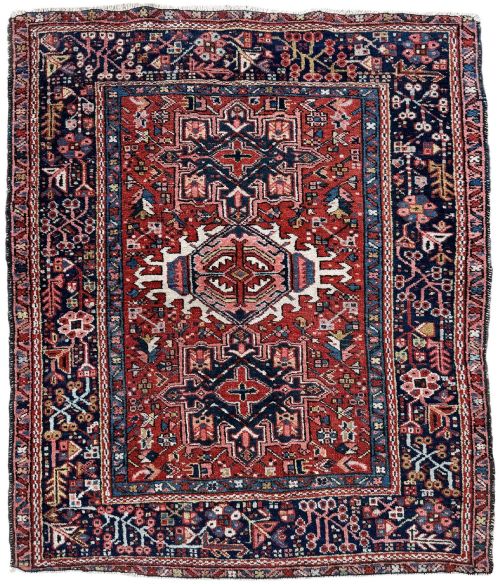
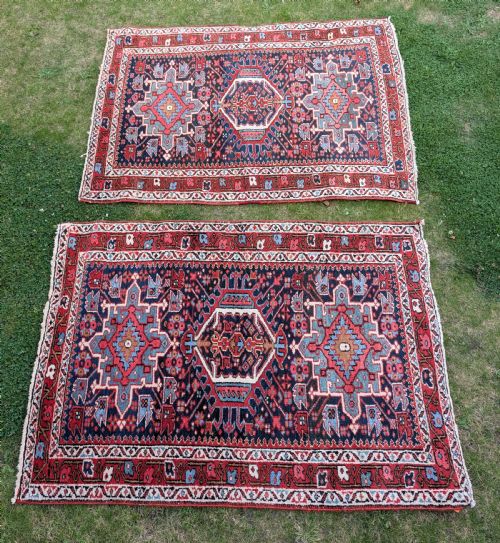
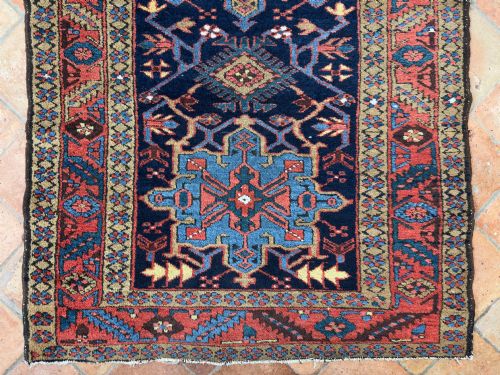
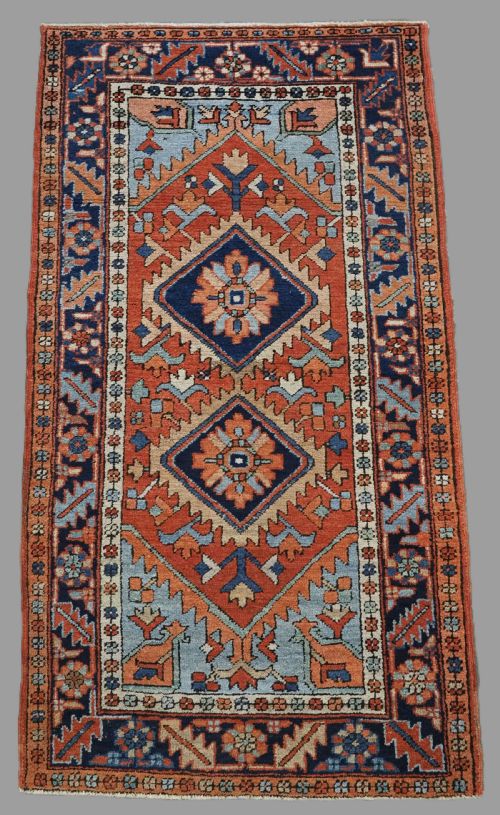
When you search for a karaja wool carpet, you encounter hand-knotted floor coverings originating from North-West Persia, spanning from the late nineteenth century into the early decades of the twentieth century. These pieces emerge predominantly in formats such as room-sized carpets, smaller scatter rugs, and elongated runners designed for hallways. The style connects closely with Persian tribal traditions and Heriz regional weaving, identifiable by bold medallion layouts and traditional geometric motifs.
On this page, you meet variants ranging from compact area rugs measuring under two metres to substantial carpets exceeding three metres in length. Narrow runners also appear frequently, providing practical options for corridors and transition spaces within a home. The overarching aesthetic remains grounded in the folk artistry of North-West Persian weavers who utilised durable materials to withstand daily use.
How They Were Made
The construction of a karaja wool carpet relies upon traditional hand-knotted techniques executed on sturdy foundations. Weavers employed resilient wool pile knotted tightly onto cotton warps and wefts, creating a dense and heavy fabric capable of enduring decades of foot traffic.
Natural dyeing traditions governed the production, yielding intense colours that matured gracefully over time. Artisans in North-West Persia combined wool materials with precise knotting methods to form distinct geometric patterns that define the region's output.
Several narrow runners measure a mere eighty-two centimetres wide, proving that nineteenth-century weavers understood the exact dimensions of a narrow hallway.
What Varies in Quality
The standard of a karaja wool carpet rests upon the fineness of the knotting and the crispness of the geometric design. Tighter knots allow intricate tribal motifs to render with sharper clarity, separating standard room-sized rugs from exceptional, finely detailed examples.
The vibrancy and depth of the wool pile also distinguish finer weaving. Carpets retaining intense, saturated natural colours without excessive wear on the foundation structure represent the upper tier of regional production.
The Karaja Wool Carpet Glossary
- Karaja
- A rug and carpet weaving style originating from North-West Persia, known for geometric medallion designs. It shares stylistic traits with neighbouring Heriz productions.
- Runner
- An elongated, narrow format of rug specifically proportioned for hallways and corridors. These pieces typically measure significantly longer than they are wide.
- Hand-knotted
- A manufacturing method where individual strands of wool are tied manually to the foundation warp threads. This technique ensures durability and flexibility in the finished textile.
- Medallion
- A central ornamental motif positioned in the middle of the field. In these Persian carpets, the medallion often takes a bold geometric or polygonal form.
- Warp
- The stationary vertical threads stretched across a loom that form the structural skeleton of the carpet. Cotton is the standard material utilised for this purpose in these rugs.
Karaja Wool Carpet: Frequently Asked Questions
Where were karaja carpets made?
These textiles originate from the North-West region of Persia, encompassing the town of Karaja and surrounding tribal areas. The local workshops and villages produced distinctive wool rugs closely linked to Heriz weaving traditions.
Weavers in this mountainous district utilised local materials and traditional geometric designs that distinguished their carpets from urban Persian workshops.
How do I care for a wool carpet?
Vacuum your carpet gently using suction only, avoiding rotating brush bars that can pull at the hand-knotted pile. Keep the textile away from prolonged direct sunlight to protect the natural wool colours.
Professional cleaning should occur periodically by specialists experienced in antique Persian rugs. Avoid excessive moisture during routine maintenance.
What size options are available?
The inventory includes everything from small scatter rugs for compact spaces to large area carpets exceeding three metres in length. Narrow runner formats are also common for hallways.
Dimensions vary considerably across the nineteenth and early twentieth-century examples, accommodating both expansive rooms and narrow corridors.
How do I date an antique rug?
Dating relies on assessing the wool quality, dye palette, structural wear, and stylistic nuances recorded in the production period. Pieces from the nineteenth century often display softer wool patination and deeper natural dye maturation.
Comparing structural details against established regional timelines helps narrow the decade of origin between the eighteen-eighties and nineteen-thirties.