


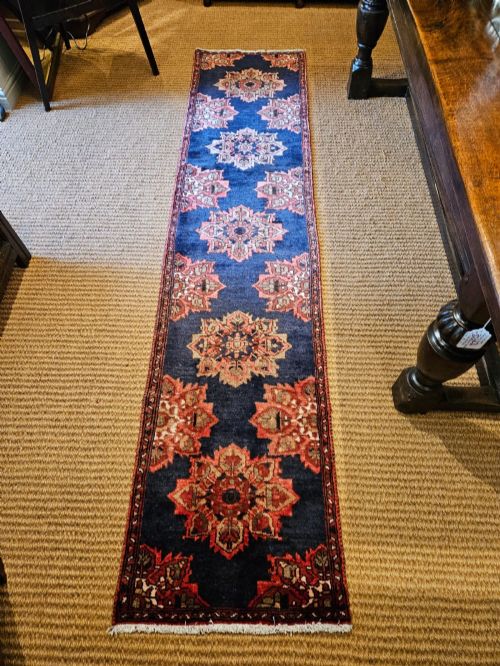
Navy Blue Persian Carpet
A navy blue persian carpet anchors a room with deep indigo tones and intricate patterns woven by skilled hands over a century ago.
Navy Blue Persian Carpet
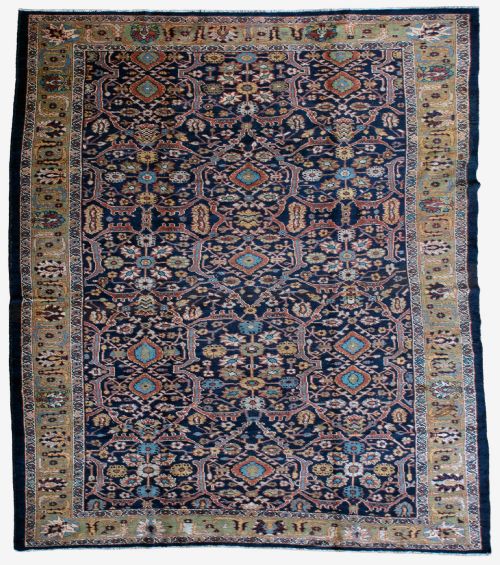
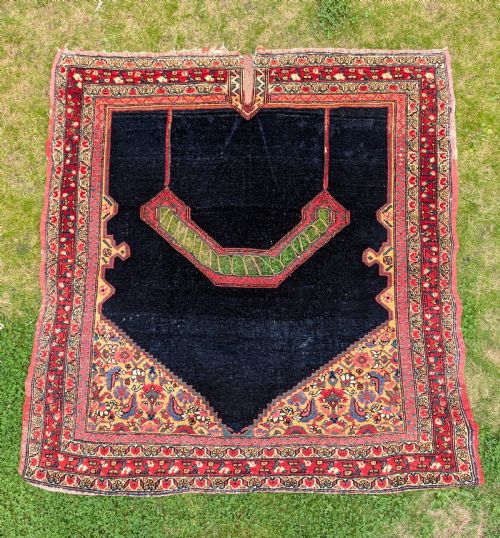
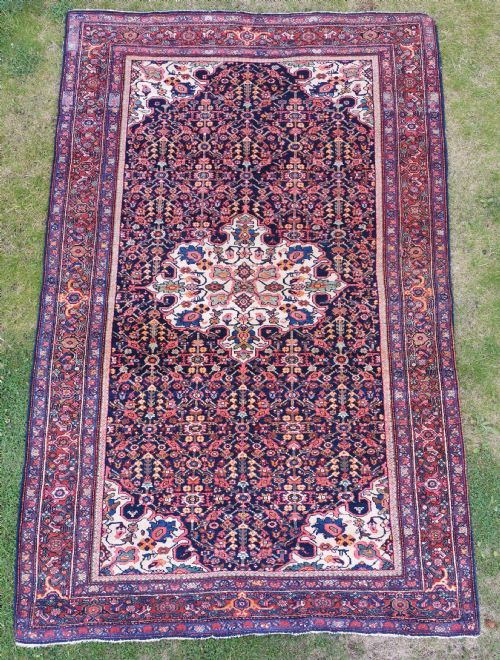
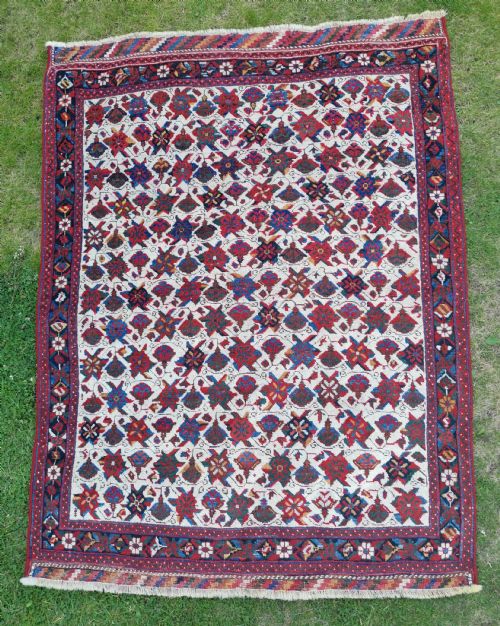
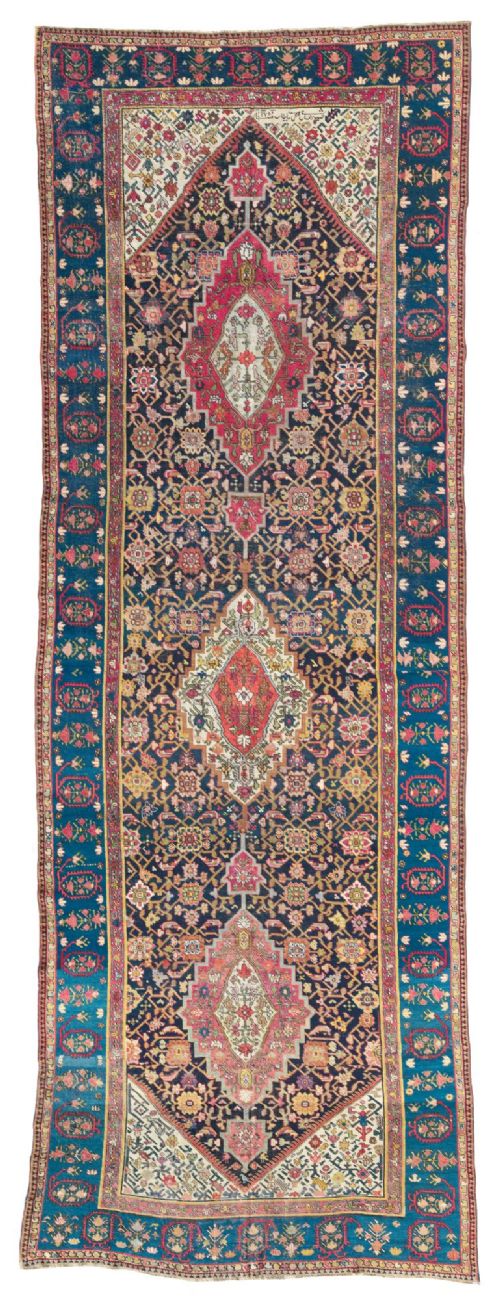
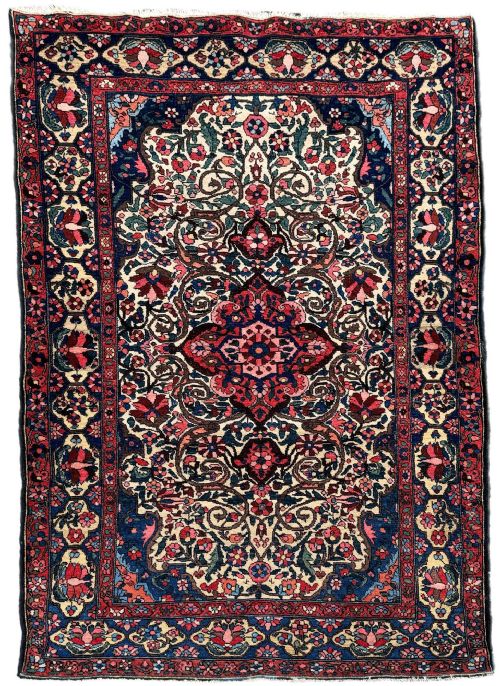
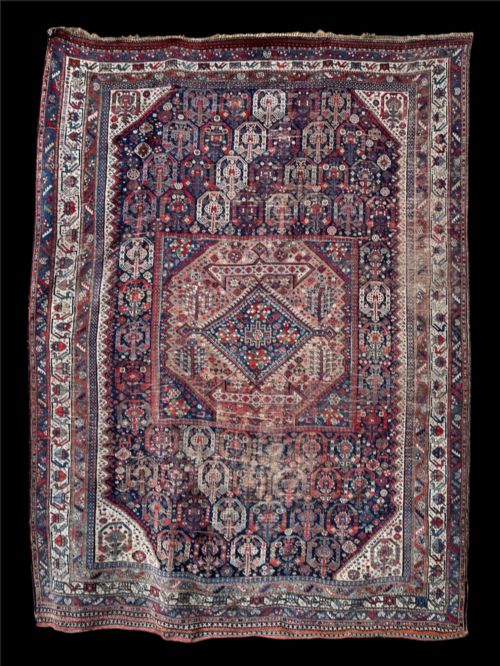
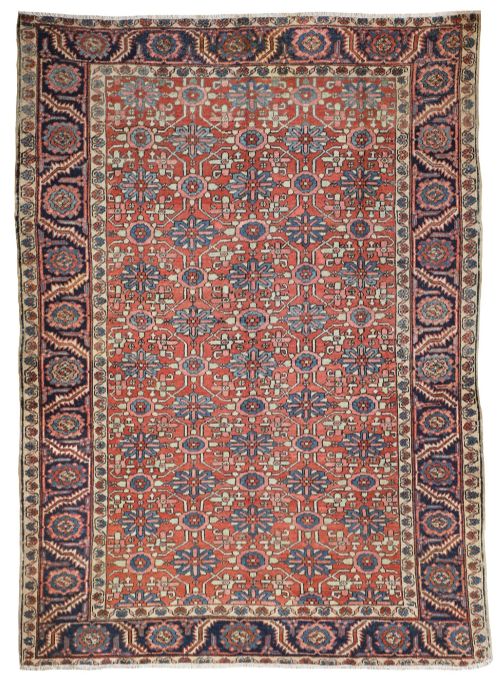
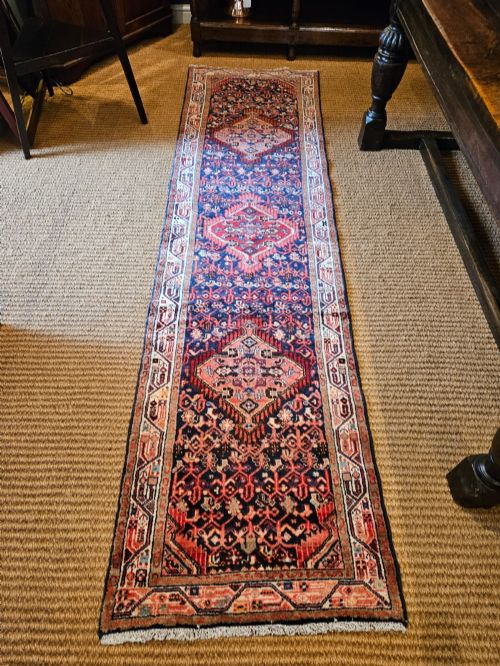
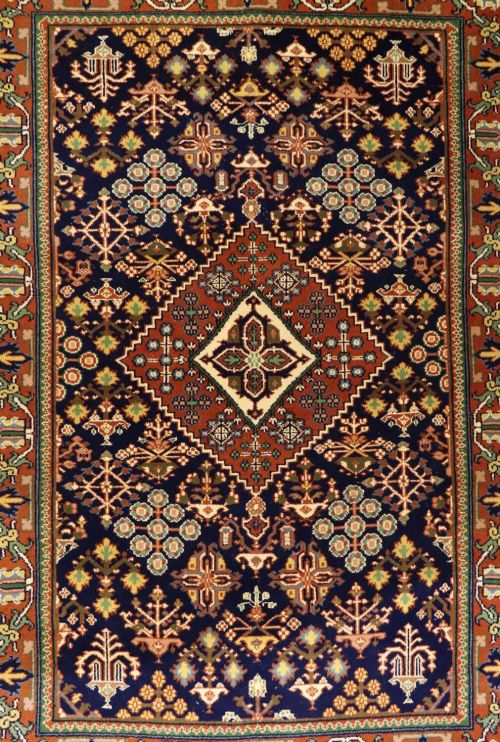
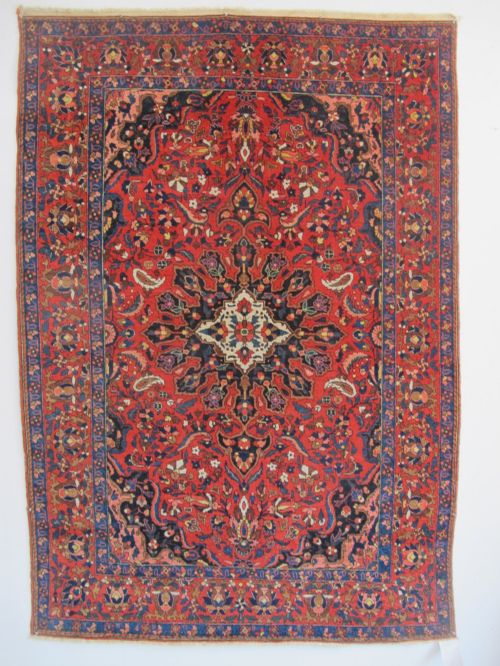
A navy blue persian carpet brings together centuries of weaving traditions from towns, villages, and tribal confederacies across Persia. These floor coverings range from grand Heriz and Tabriz carpets to smaller tribal pieces originating from Khamseh, Afshar, and Kurdish makers. Buyers searching this phrase encounter floor coverings in various formats, from large area carpets to long hallway runners and saddle covers.
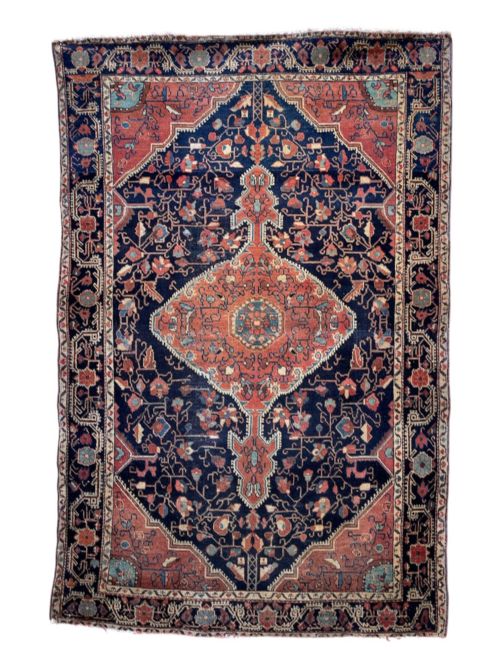
The pieces listed span from the nineteenth century through the mid-twentieth century, capturing shifts in regional design. Traditional styles feature geometric medallions, all-over patterns, and pictorial hunting scenes rendered in rich botanical dyes. Each specimen carries the distinct structural traits of its specific weaving origin.
How They Were Made
Weavers constructed these carpets using wool, cotton, and hand-spun wool for the foundation warps, wefts, and pile. Artisans knotted the wool by hand onto the vertical looms, creating dense structures that withstand generations of use. Hand-spun wool yields variable texture and absorbs natural dyes with subtle tonal shifts.
Dyers utilised natural materials to achieve deep indigo and navy blue fields, contrasting against madder red and ivory details. The resulting pile ages gracefully, developing a rich patina across the surface as the wool softens through decades of footfall.
Navy Blue Persian Carpet Retail Price Guide 2026
Typical asking prices for navy blue persian carpet among the pieces listed under this phrase on Sellingantiques today, from the lower quarter to the upper quarter. They describe what is for sale here now, not the wider market.
Listings feature wool, cotton, and hand-spun wool across nineteenth and twentieth-century Persian rug forms.
What Varies in Quality
The fineness of the knot density and the precision of the geometric or floral layout dictate the tier of a carpet. Master workshops in cities like Tabriz or Heriz achieved crisp lines and complex iconography, whereas tribal pieces display more rustic charm and asymmetrical motifs. Knot counts per square decimetre vary considerably between urban workshops and nomadic weavers.
Preservation of the original wool pile and symmetrical borders influences the integrity of the piece. Evenness in the indigo dye lot across the field and minimal structural repair separate standard examples from superior ones.
The Navy Blue Persian Carpet Glossary
- Kelim
- A flat-woven carpet or rug produced without a pile. These pieces utilise coloured weft threads wrapped around the warp to form geometric patterns.
- Kelleh
- A large rectangular carpet format, longer than it is wide. This shape typically served long reception rooms in traditional Persian houses.
- Mina Khani
- A repeating botanical pattern composed of four-petalled flowers linked by delicate vines. This classical Persian design appears frequently on Kurdish and village carpets.
- Medallion
- A central ornamental motif placed in the middle of the carpet field. Weavers anchor the entire composition around this focal geometric or floral shape.
Navy Blue Persian Carpet: Frequently Asked Questions
How do I clean an antique carpet?
Gentle surface brushing and professional specialist washing maintain the wool pile safely.
Avoid harsh chemical treatments that strip natural oils from the hand-spun fibres.
Can I place a runner in a hallway?
Long hallway runners fit narrow corridors and high-traffic transitional spaces effectively.
Pair them with a quality underlay to prevent slipping and cushion the wool foundation.
What causes colour variation in the wool?
Natural dye batches absorb differently into hand-spun wool across different dye sessions.
This phenomenon, known as abrash, creates organic tonal shifts within the navy blue field.
How do I identify a tribal carpet?
Tribal carpets display geometric motifs, earthy palettes, and spontaneous design changes.
Nomadic weavers worked from memory rather than precise cartoon drawings used in city workshops.