

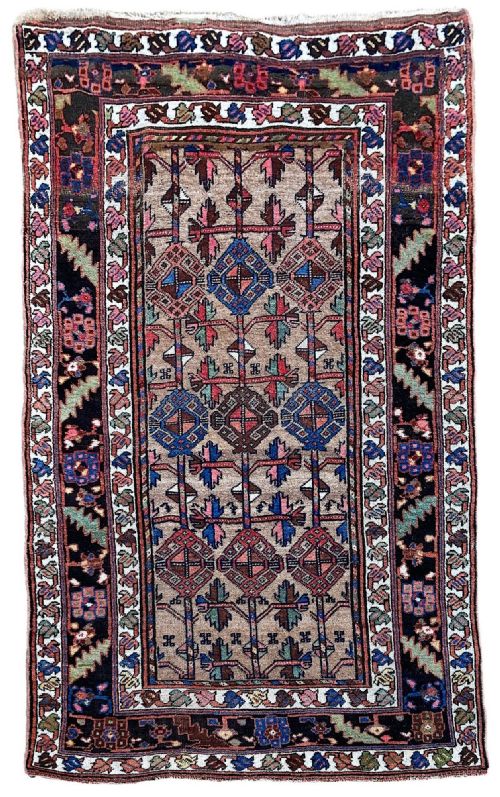
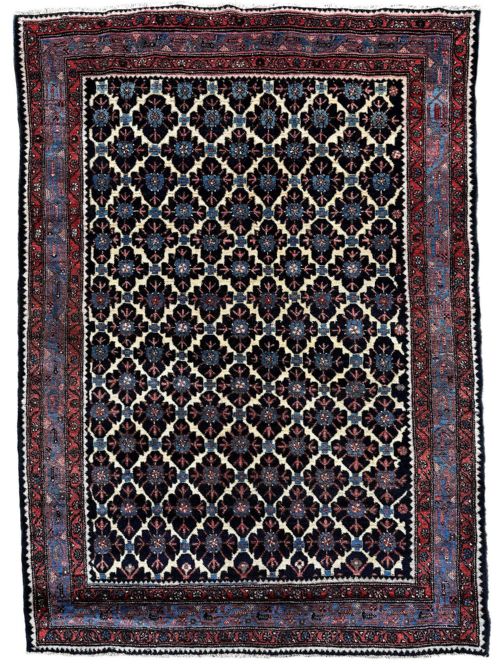

Navy Blue Oriental Runner
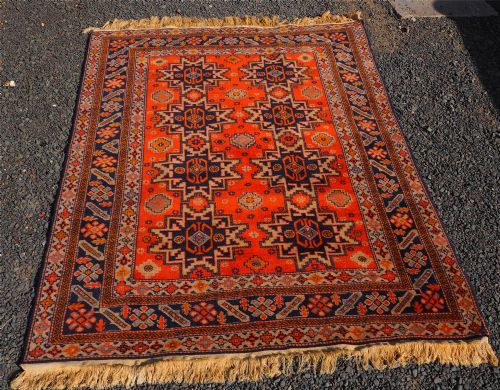
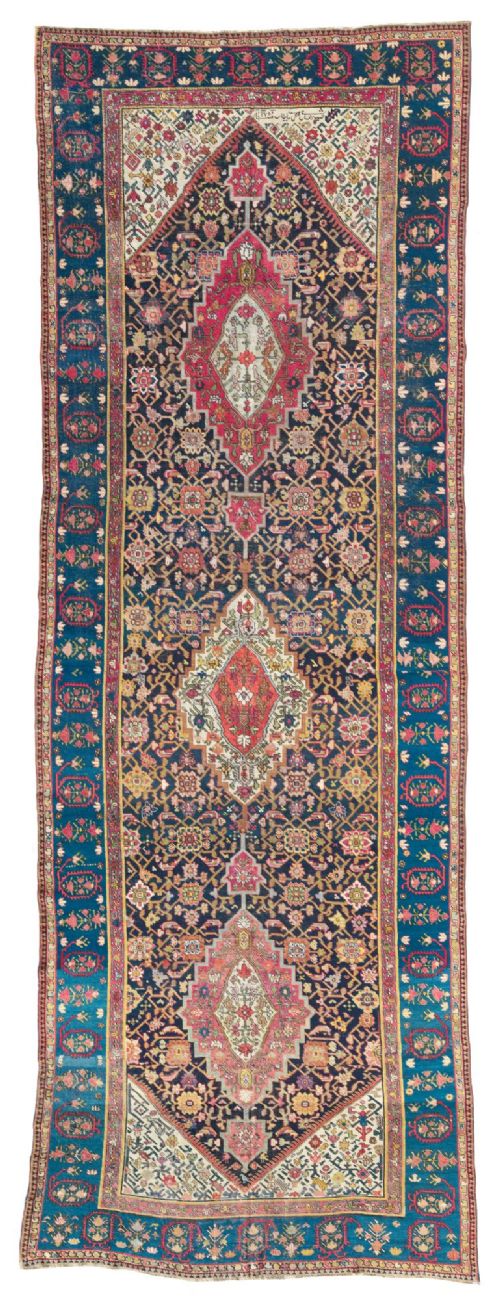
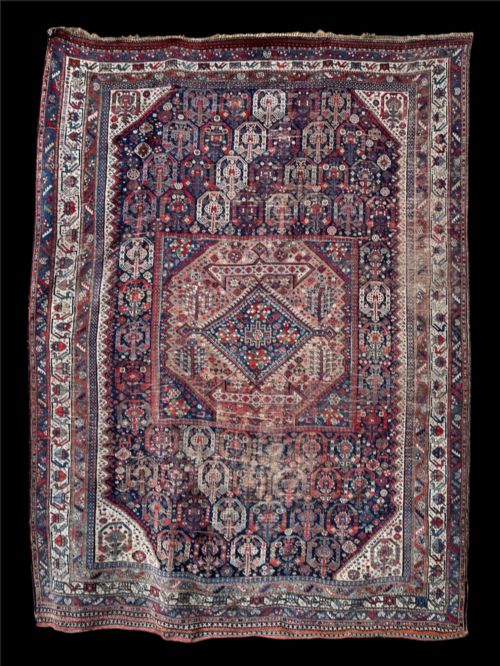
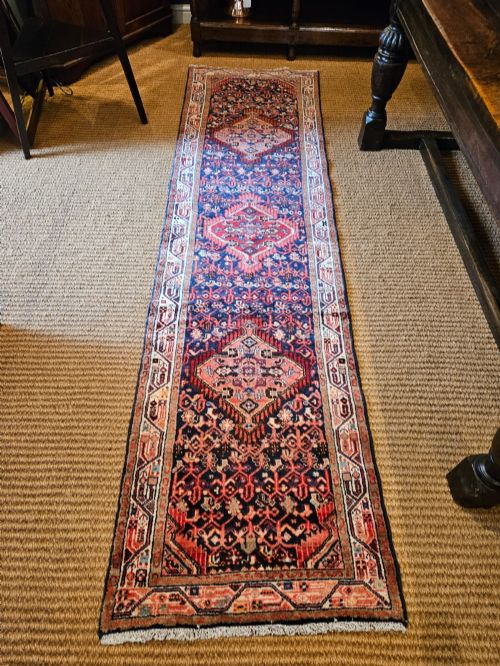
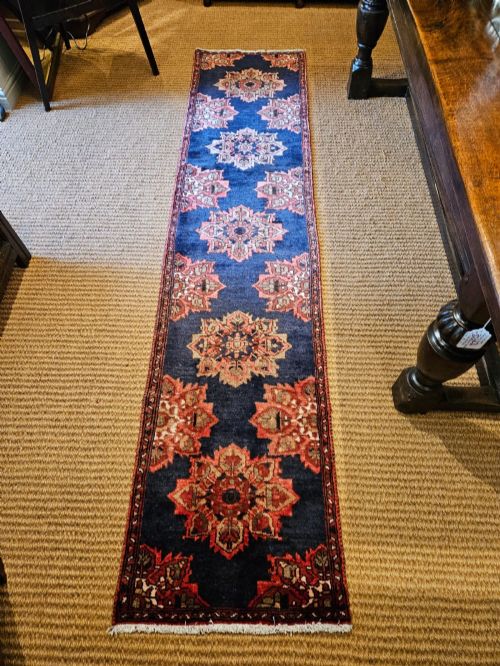
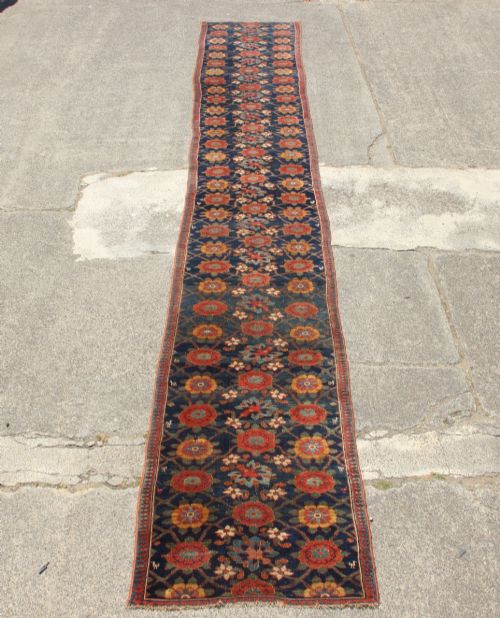
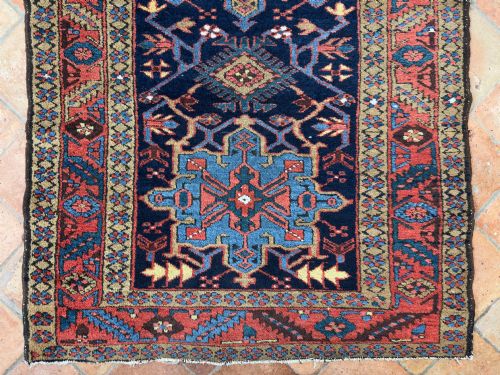
A navy blue oriental runner anchors a hallway with depth and rich dye work, bringing traditional village patterns straight to the floor.
Navy Blue Oriental Runner
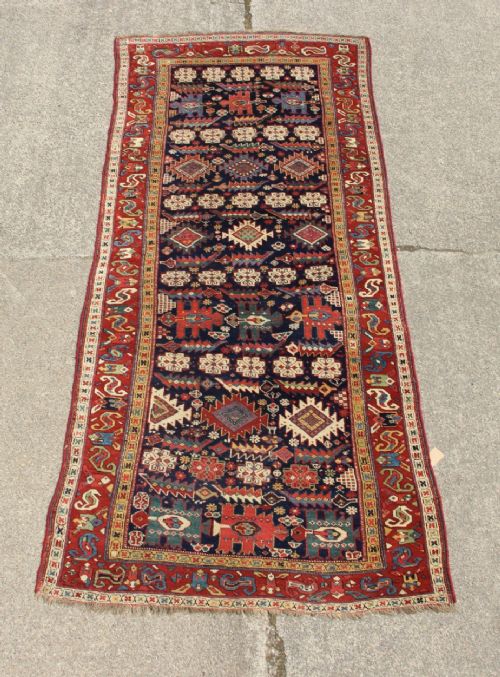
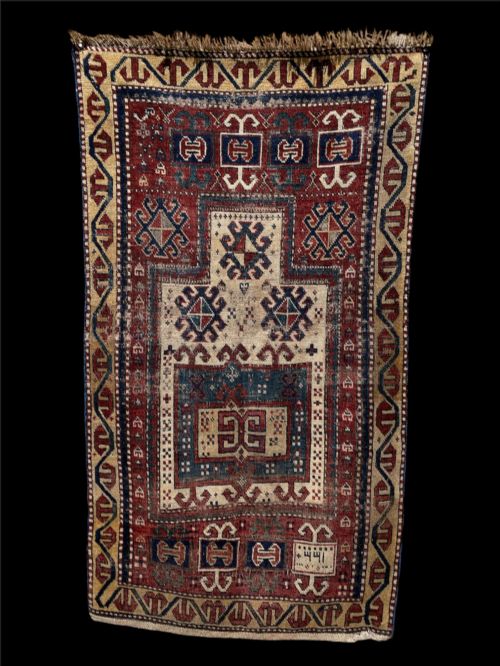
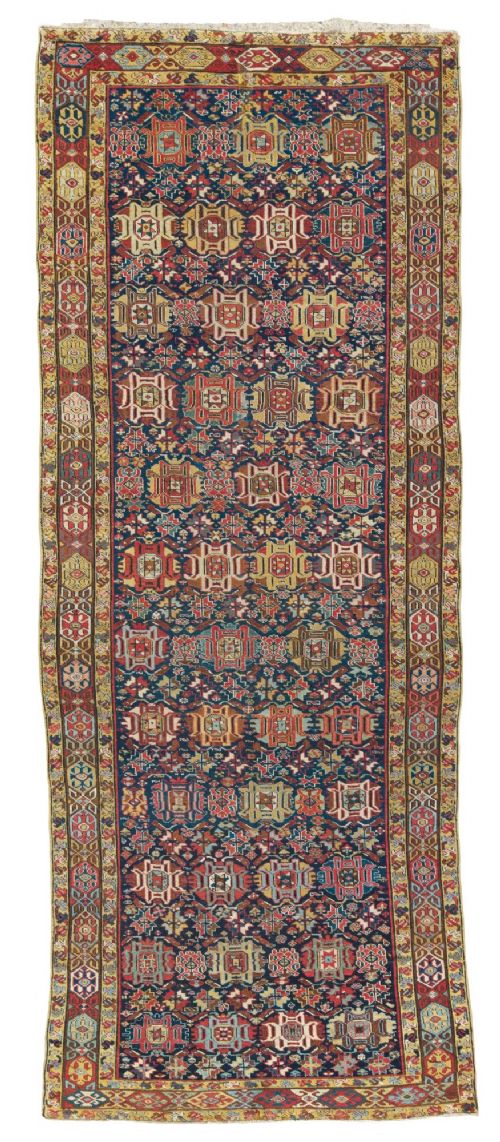
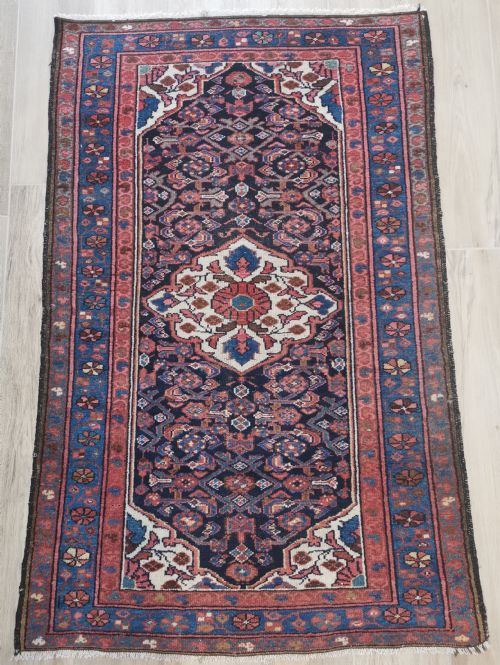
When you search for a navy blue oriental runner, you find elongated floor coverings originating from nineteenth and early twentieth-century weaving traditions. These pieces include specific regional formats like long runners, narrow runners, and kelleh carpets spanning village and tribal workshops.
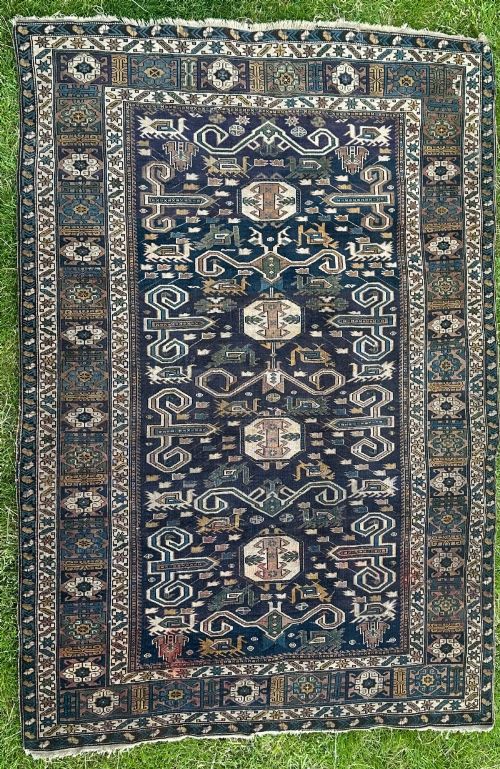
The selections on this page draw from Persian and Caucasian traditions, featuring structures such as Hamadan, Malayer, Ferahan, and Kurdish formats. They span dates from the mid-nineteenth century through the 1930s, reflecting decades of domestic use.
Buyers encounter formats designed for corridors and narrow spaces, woven with wool foundations and pile. Each piece represents distinct tribal and regional design grammars passed down through generations of makers.
How they were made
The construction relies on wool and hand-spun wool for the pile, paired with cotton foundations in many nineteenth and twentieth-century examples. Artisans knotted the pile by hand onto warp and weft threads, creating durable surfaces meant for heavy foot traffic.
Natural and traditional dye processes yielded deep tones, utilising wool fibres that absorbed rich colours over decades of wear. The density of the knotting and the quality of the spun wool determine the structural integrity of each runner.
Listings span periods from the 1850s to the 1930s, utilising hand-spun wool and cotton across Persian and Caucasian styles.
What varies in quality
Quality rests in the precision of the tribal motifs, the consistency of the hand-spun wool, and the depth of the dye work. Finer knot counts and tighter weaves separate sophisticated village work from standard utility pieces.
The balance of proportion in narrow formats and the preservation of original borders dictate the standing of a runner. Superior examples display clear design execution within regional traditions like Kurdish, Ferahan, or Hamadan styles.
The Navy Blue Oriental Runner Glossary
- Kelleh
- A large rectangular carpet format, longer than it is wide, often found in Persian village weaving. It served major reception spaces in traditional homes.
- Runner
- An elongated narrow carpet designed specifically for corridors, hallways, and staircases. These pieces guide movement through domestic interiors.
- Sofreh
- A flatwoven or piled spread used for communal dining or food preparation in nomadic and village settings. They carry specific tribal iconography.
- Gul
- A medallion or repeating octagonal motif used extensively in tribal rug design. Different tribes developed distinct geometric variations of this emblem.
- Warp
- The vertical threads stretched tightly on the loom that form the structural skeleton of the rug. The fringe of the piece originates from these tension threads.
Navy Blue Oriental Runner: Frequently Asked Questions
How do I style a runner?
Place these elongated pieces in hallways, entryways, or narrow corridors where their linear geometry draws the eye forward. Their rich wool pile adds warmth and texture to transitional spaces.
Pair them with neutral floors and simple woodwork so the traditional patterns and deep tones remain the focal point of the room.
How are periods identified?
Dating relies on structural characteristics, wool preparation, and the chemical composition of the dyes used by weavers. Pieces from the nineteenth century often show softer wool variations and distinct regional palettes.
Later works from the early twentieth century display tighter machine-spun influences while retaining traditional village motifs.
Are these pieces durable?
Hand-spun wool construction and dense knotting make these runners resilient for everyday hallway use. The natural lanolin in older wool resists dirt and everyday wear.
Proper underlays protect the foundation fibres and prevent slipping in high-traffic corridors.
What defines regional styles?
Specific geographical areas developed unique weaving signatures, from the geometric formats of the Caucasus to the floral village designs of Hamadan and Ferahan. Each region utilised distinct borders, palettes, and knotting densities.
Recognising these traits helps connect a runner to its specific tribal or village origin.