




Nautical Seascape Painting
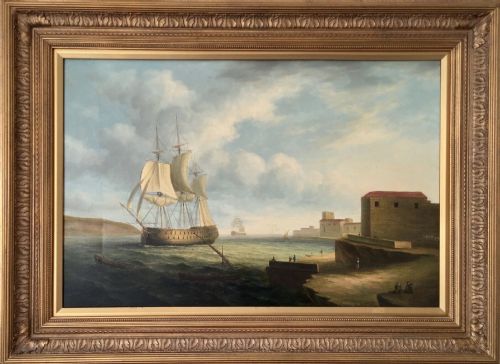
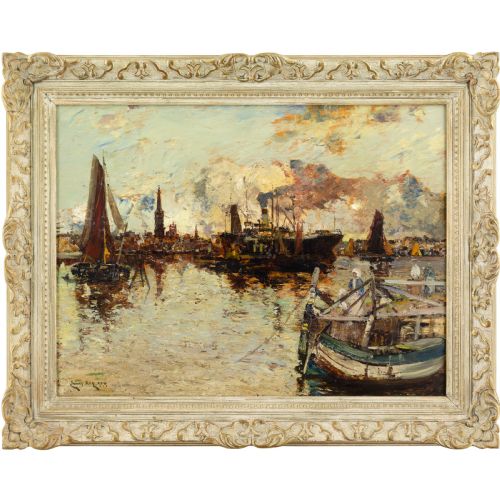
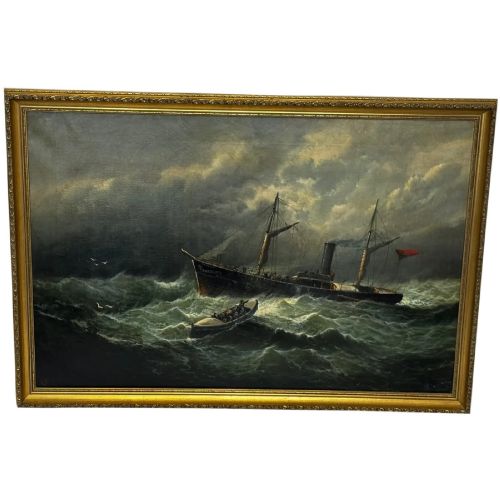
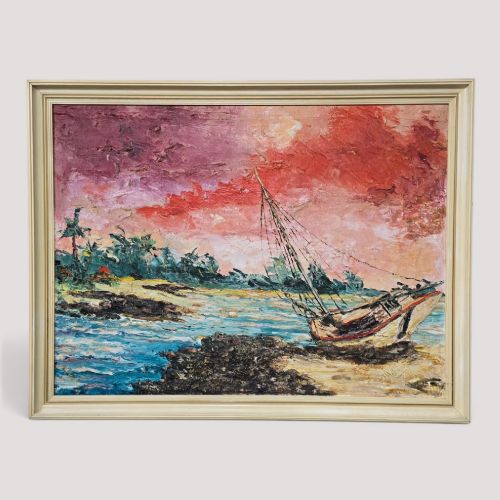
A nautical seascape painting captures the power of the open ocean and historical vessels through varied periods of maritime art.
Nautical Seascape Painting
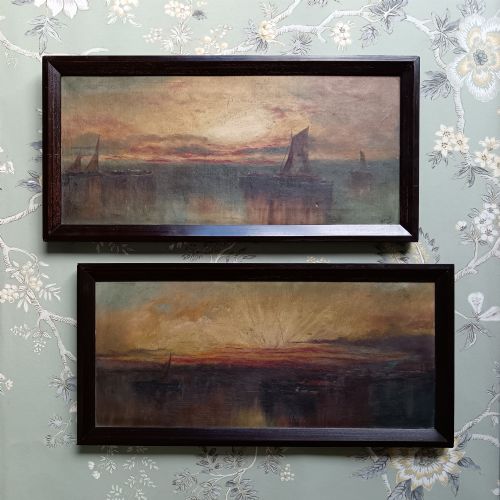
A nautical seascape painting depicts ships, coastal harbours, and open waters, bringing centuries of maritime history onto canvas and paper. When searching for a nautical seascape painting, collectors encounter diverse works spanning the nineteenth century through the mid-twentieth century.
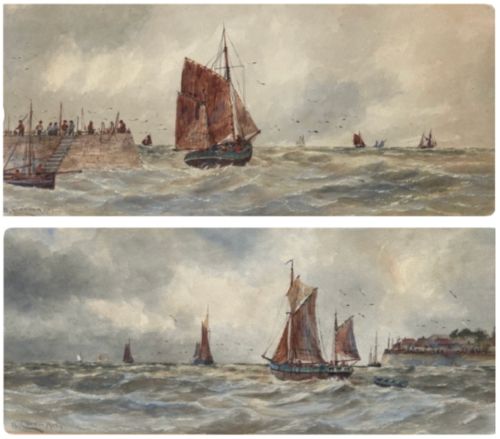
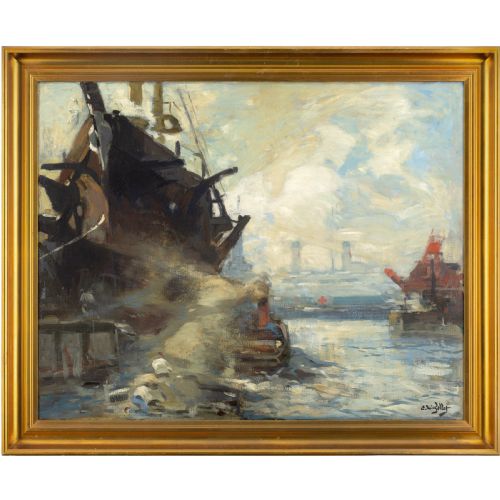
The selection ranges from detailed oil on canvas portrayals of warships and merchant vessels to delicate watercolour paintings of fishing boats and coastal scenes. Victorian marine art and Edwardian depictions dominate the offerings, alongside later twentieth-century interpretations.
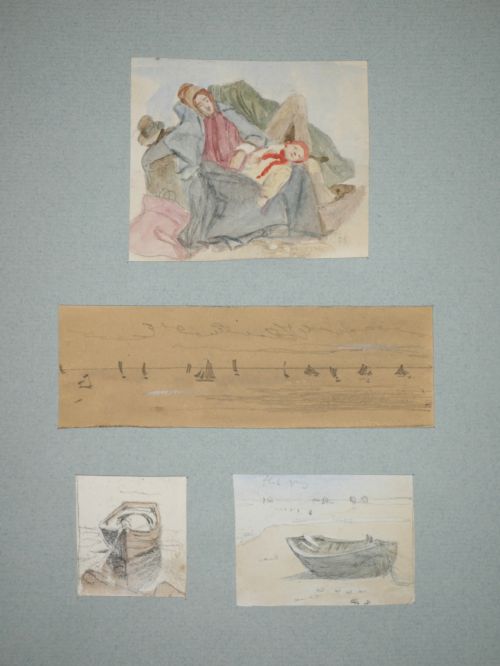
Formats vary from intimate works on paper and panels to large canvases housed in gilt wood frames, reflecting the shifting tastes of British and European maritime artists across successive decades.
How They Were Made
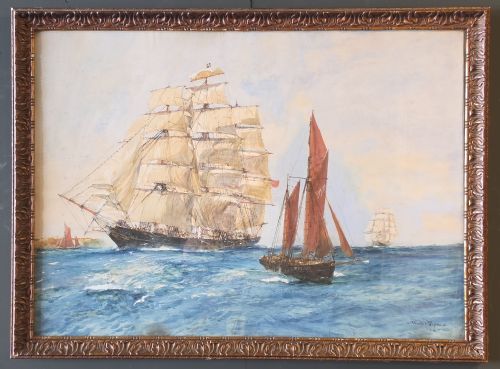
Artists generally worked in oil paint on canvas, wood panels, or board to build rich textures of water, sky, and vessel hulls. Others utilised watercolour and gouache on paper to capture the bright, translucent light of coastal shores and harbours.
Works frequently received framing in decorative gilt wood to complement the maritime subject matter. Support materials range from traditional stretched canvas to sturdy boards and heavy paper sheets.
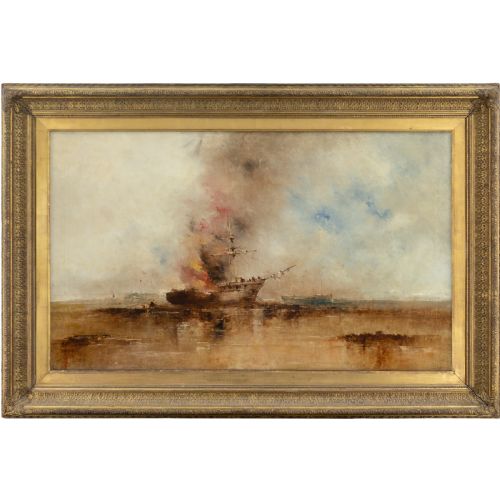
Several artists captured the exact moment a ship met trouble, immortalising nineteenth-century maritime rescues and burning vessels in permanent oil.
What Varies In Quality
The degree of realism in rigging, hull construction, and atmospheric conditions separates standard decorative works from accomplished marine art. Mastery of light on rolling waves and the natural movement of vessels under sail distinguish finer hands.
Provenance and attribution to documented artists carrying specific nineteenth or twentieth-century exhibition histories elevate the standing of a piece within the field.
James Hardy·Kenneth Cozens·James Orrock·William Cannon·James Smetham·Eugène-Louis Gillot·William McAlpine·B. Nash·Charles Edward Dixon·John Rose Miles·James Kay RSW·William Broome·Bernard Gribble·Bonaventura Peeters·Frank William Scarbrough·F. Corpuz·Peter Brannan·Lucy Pratt·Willem Bos·John Wilson Carmichael·Lai Fong·Dubovsky·John Moore of Ipswich·Nicholas Condy·William Henry Williamson
The Nautical Seascape Painting Glossary
- Oil on Canvas
- Pigment bound in a drying oil applied to a woven fabric support stretched over a wooden frame. This method allows artists to build rich layers and deep textures.
- Watercolour
- A paint consisting of colour pigments suspended in a water-soluble vehicle, typically applied to paper. It offers luminous transparency well suited to coastal light.
- Maritime Art
- Artistic works that depict or draw inspiration from the sea, ships, and coastal life. This genre includes historical battle scenes, port views, and studies of waves.
- Gilt Wood
- Wood treated with a thin layer of gold leaf or metallic gilding, commonly found on nineteenth-century picture frames. It adds a traditional decorative border to paintings.
- Gouache
- An opaque water-based paint that includes a white pigment filler, producing a heavier finish than standard watercolour. It appears frequently in twentieth-century marine works.
Nautical Seascape Painting: Frequently Asked Questions
What subjects appear in these paintings?
The artworks primarily show sailing ships, merchant vessels, steamships, and warships navigating coastal waters, open seas, and busy harbours.
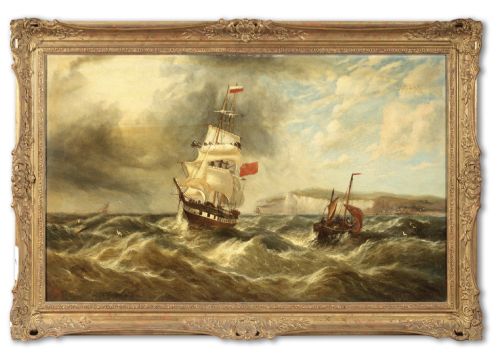
Scenes range from calm estuary views to dramatic rescues and vessels caught in heavy gales.
How do I identify the period?
Stylistic clues, framing materials, and the types of vessels depicted help narrow down the era. Nineteenth-century pieces often feature rigid three-masted barques and detailed rigging, while later works adopt looser brushwork.
Signatures, artist dates, and backend inscriptions frequently confirm the exact decade of creation.
Where should I hang these artworks?
These paintings suit traditional studies, living rooms, and hallways where their nautical themes can serve as a focal point. Pairing them with period interior decor enhances their historical character.
Direct sunlight and damp environments should be avoided to protect both the canvas and the gilt frames.
What is the difference between oils and watercolours here?
Oil paintings on canvas or panel offer deeper colour saturation and heavy impasto textures suitable for stormy seas. Watercolour works on paper provide a lighter, more transparent feel often used for bright coastal atmospheres.
Both mediums received equal attention from marine artists across the Victorian and Edwardian periods.