




Nautical Seascape Oil Painting
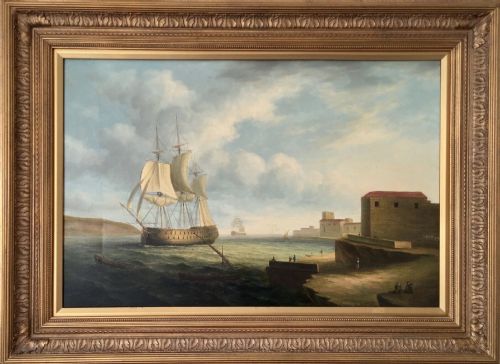
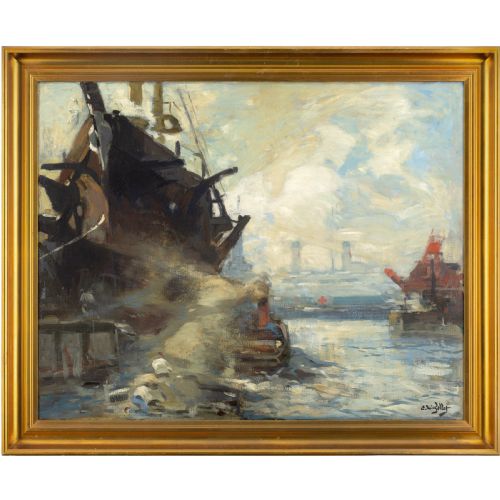
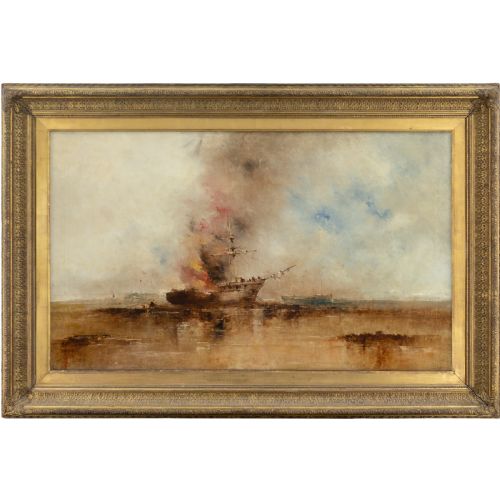
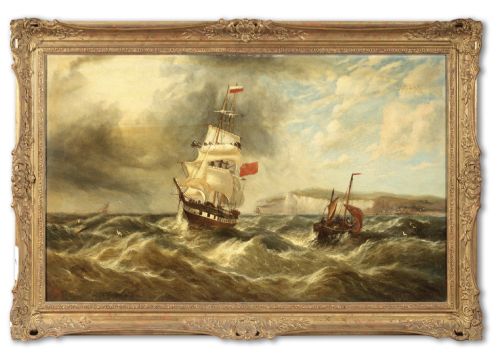
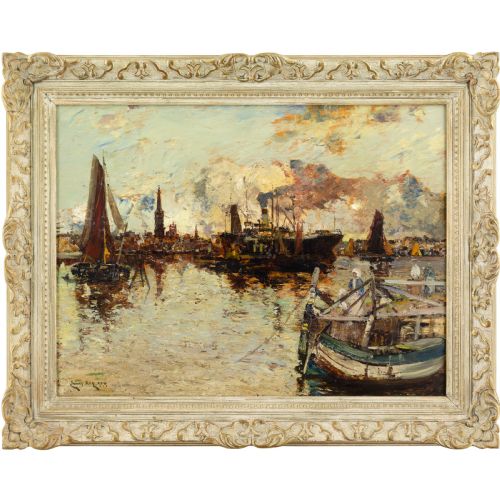
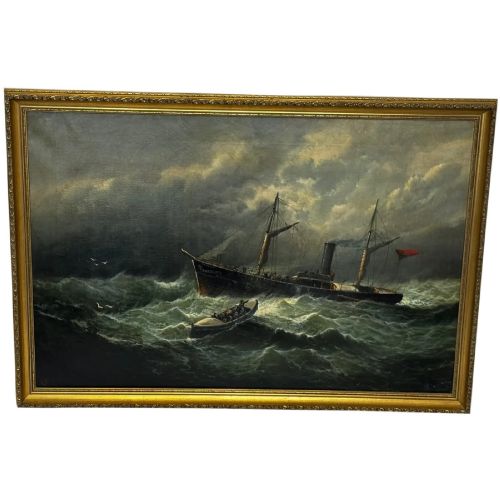
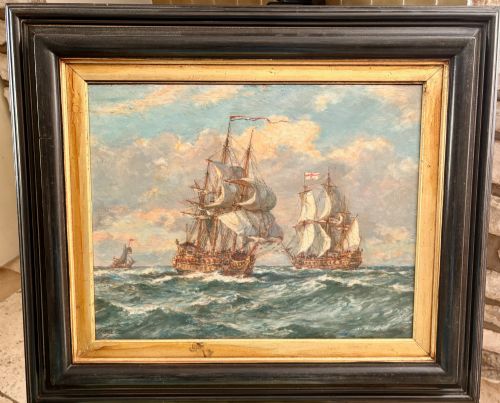
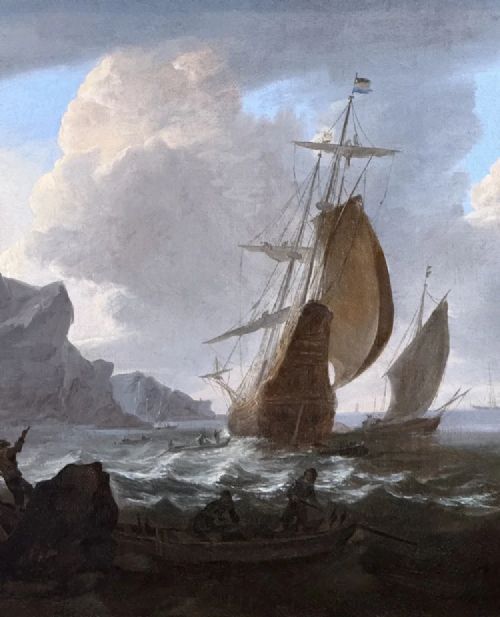
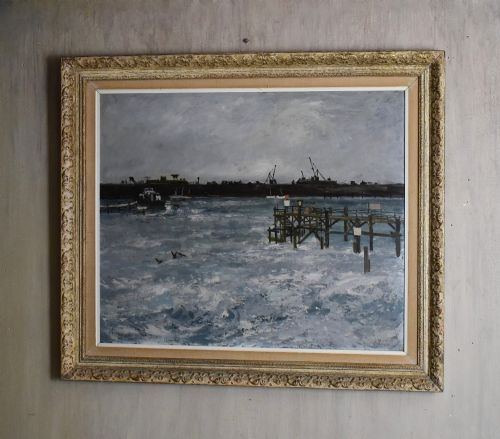
A nautical seascape oil painting captures the drama and movement of open water, drawing the eye toward historic vessels, coastal harbours, and breaking waves.
Nautical Seascape Oil Painting
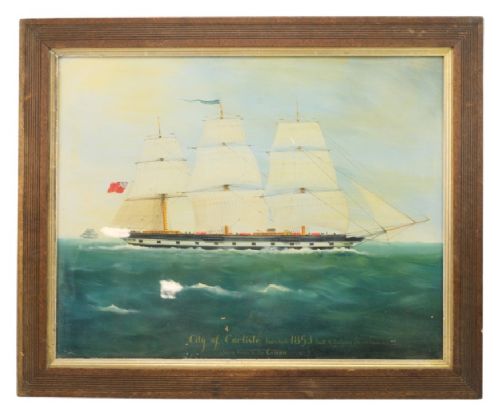
A nautical seascape oil painting depicts ships, harbours, and open water, frequently appearing from the nineteenth century onward through the Edwardian period and into the mid-twentieth century.
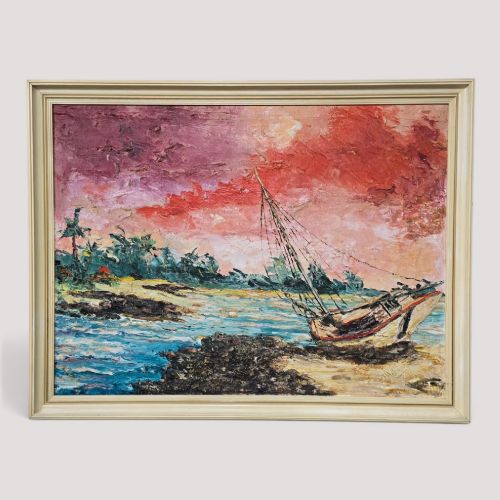
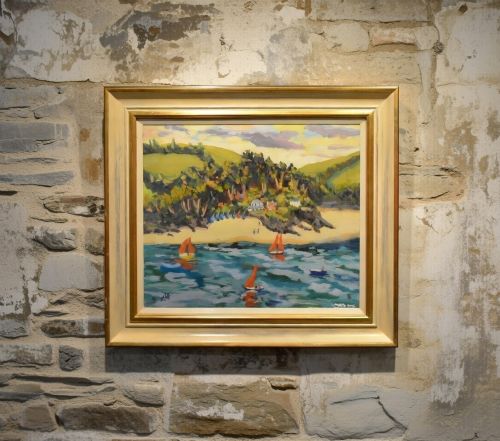
The subjects range from warships and merchant vessels in heavy seas to quiet coastal landscapes and evening arrivals in port.
Buyers encounter these works executed on stretched canvas, wooden panel, or board, often housed within period gilt frames.
Materials and technique
Artists built these compositions using oil paint applied to canvas, board, or wooden panels, sometimes utilising impasto to give texture to turbulent waves.
The supporting structures typically involve wooden stretchers or panels paired with decorative gilt wood frames.
Several artists painted historical naval battles from safe, dry studio desks while imagining the cannon smoke.
Judging the range
The distinction between works rests upon the precision of maritime rigging, the natural handling of light on water, and the depth of atmosphere captured across the sky and sea.
Stronger examples demonstrate a confident command of perspective in complex vessel architecture and atmospheric weight within coastal weather conditions.
James Hardy·Kenneth Cozens·Eugène-Louis Gillot·William McAlpine·John Rose Miles·James Kay·William Broome·Bernard Gribble·Bonaventura Peeters·F. Corpuz·Peter Brannan·Lucy Pratt·Willem Bos·John Wilson Carmichael·Lai Fong·Dubovsky·John Moore of Ipswich·Nicholas Condy·William Henry Williamson·Bernard Benedict Hemy·Abraham Hulk I·Elisabeth Bardon·Charles Napier Hemy·Gustave De Bréanski·Pieter Cornelis Dommersen
The Nautical Seascape Oil Painting Glossary
- Impasto
- Paint applied thickly to a surface, leaving visible brush or palette knife marks that catch the light. This technique frequently appears in depictions of crashing waves.
- Gilt wood
- Wood coated with a thin layer of gold leaf or gold paint, commonly used for nineteenth-century frames. Such frames complement the warm tones of marine oils.
- Panel
- A flat piece of wood used as a rigid painting support instead of canvas. Panel paintings allow for fine detail in smaller harbour scenes.
- Barque
- A sailing vessel with three or more masts. This specific ship type appears frequently in historical maritime compositions.
Nautical Seascape Oil Painting: Frequently Asked Questions
How do I date a marine oil painting?
Dating relies primarily on the style of the vessels depicted, the clothing of figures on deck, and the framing materials used.
Examining the canvas preparation and stretcher construction on the reverse provides further clues to the period of creation.
What is the difference between a seascape and a marine painting?
A seascape focuses principally on the expanse of the ocean, coastal views, and atmospheric weather conditions over water.
A marine painting places greater emphasis on human activity, specifically ships, naval engagements, and harbour operations.
How should I hang an oil painting in a modern room?
These works require placement away from direct sunlight and steady humidity sources to protect the oil paint and wooden frames.
Hanging them at eye level on a stable wall ensures the details of rigging and water texture remain clearly visible.
Are these paintings usually signed by the artist?
Many works bear visible signatures or initials in the lower corners, while others remain attributed to a specific school or circle based on style.
Unsigned paintings often still reveal the distinct palette and brushwork of a known regional tradition.