

Antique Nautical Framed Art
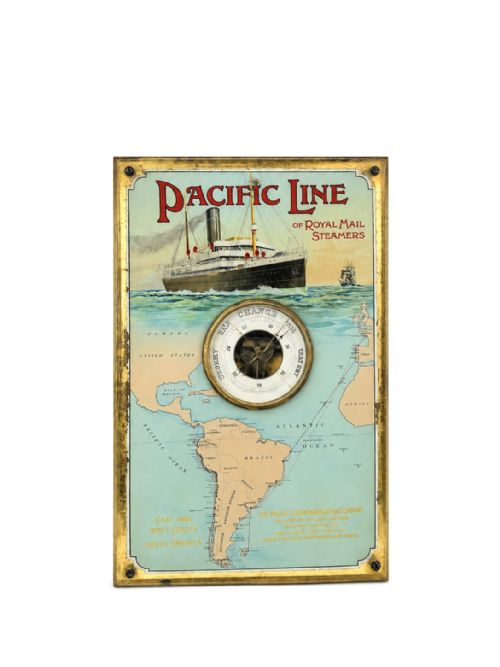
Antique nautical framed art captures maritime history through period paintings and works on paper.
Antique Nautical Framed Art
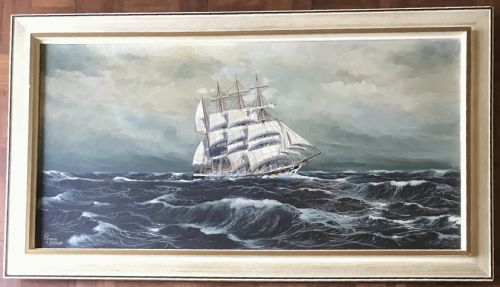
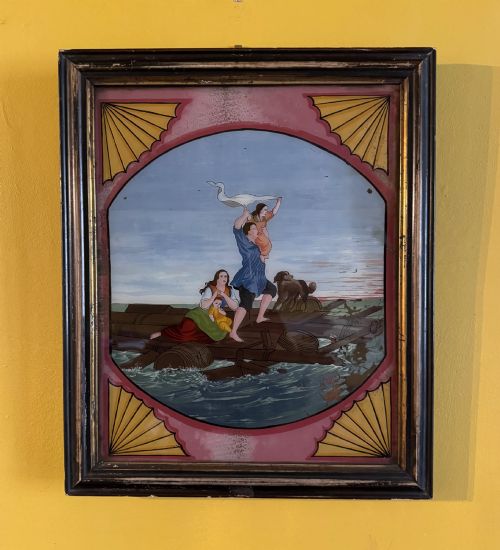
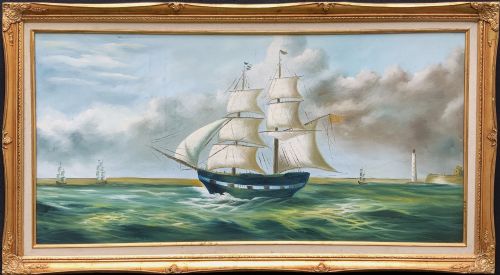
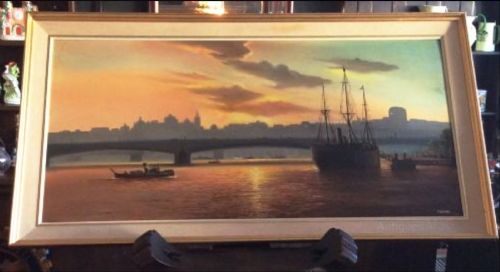
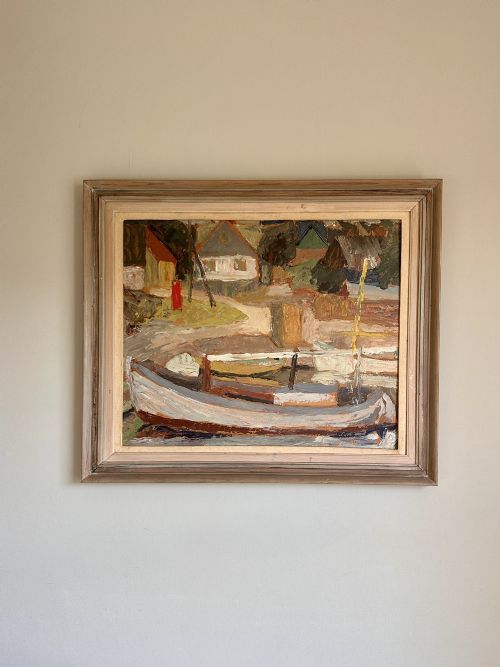
Antique nautical framed art encompasses marine paintings, waterworks, and textile pieces depicting ships, harbours, and coastal scenes. Buyers seeking antique nautical framed art look for visual records of maritime heritage, ranging from turbulent gale scenes to calm coastal anchorages.
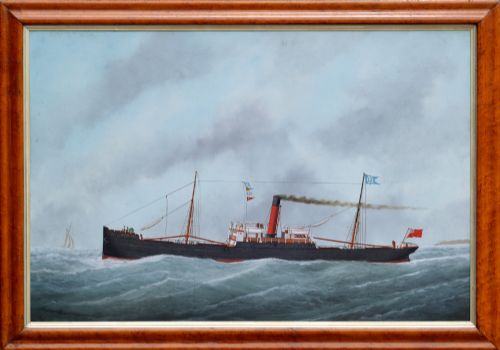
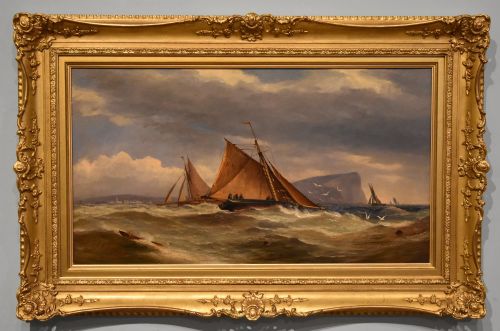
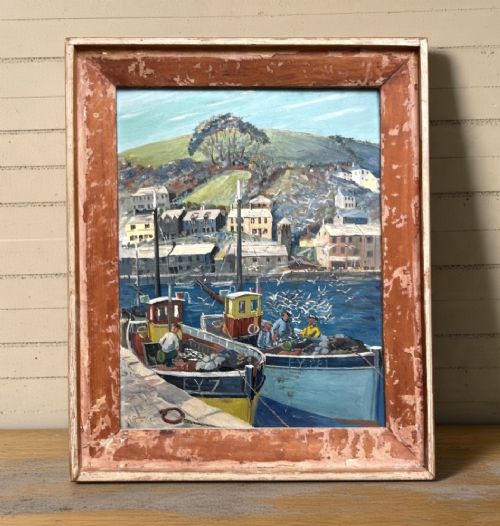
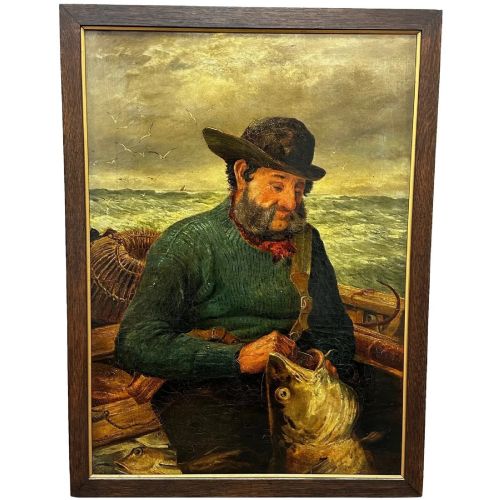
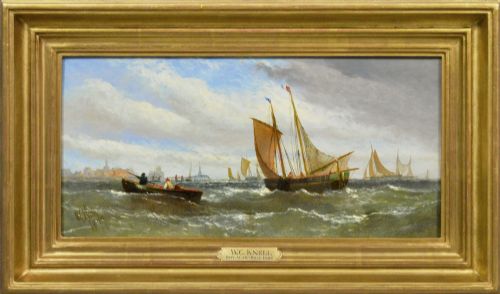
The most common examples on this page date from the Victorian and Edwardian periods, stretching from the mid-nineteenth century into the early twentieth century. These pieces record commercial shipping, naval vessels, and traditional fishing boats across oil on canvas, panel, and watercolour mediums.
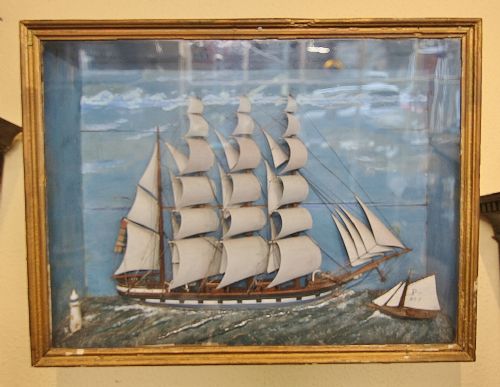
Works span British, French, and Dutch schools, capturing specific historical vessels alongside broader maritime atmospheres. Formats include traditional oil paintings in gilt wood frames, delicate watercolours, and unique woolwork pictures known as woolies.
Materials and methods of execution
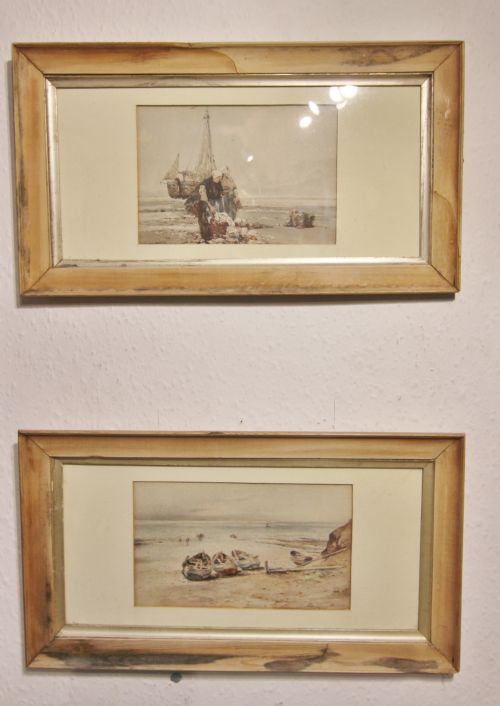
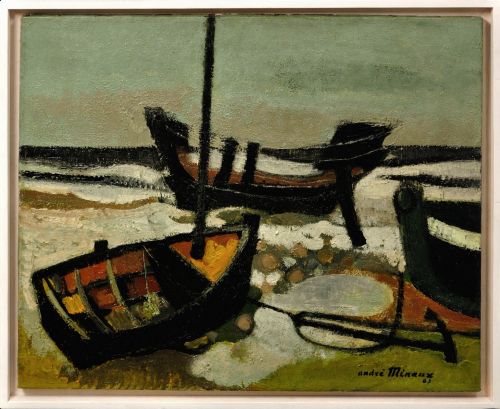
Painters utilised oil on canvas or board to build rich maritime scenes, applying pigment to capture shifting light on water and the dark hulls of sailing ships. Watercolours on paper provide a lighter, more transparent medium frequently employed for coastal sketches and detailed harbour views.
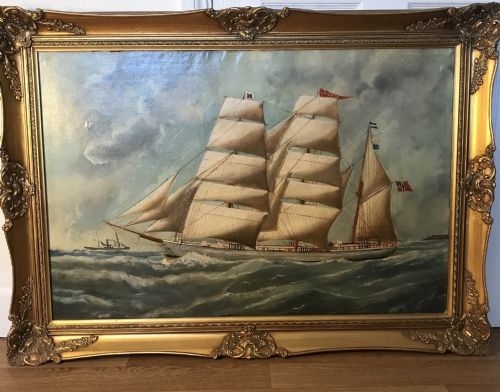
Makers housed these works within period frames constructed from wood and finished with gilt decoration. Additional textures appear in textile wall art, where woolwork depicts sailor figures and naval vessels through detailed needlework.
Antique Nautical Framed Art Retail Price Guide 2026
Typical asking prices for nautical framed art among the pieces listed under this phrase on Sellingantiques today, from the lower quarter to the upper quarter. They describe what is for sale here now, not the wider market.
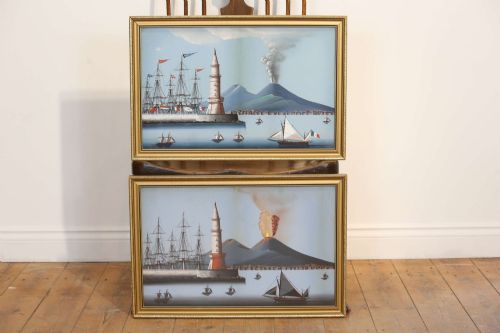
Media represented across the inventory includes oil on canvas, watercolour, gouache, and textile woolwork.
Distinctions in quality and execution
Quality rests upon the artist's command of maritime architecture, rigging detail, and atmospheric conditions such as heavy seas or coastal mist. Superior works demonstrate precise observation of ship construction and realistic water movement rather than generic vessel placement.
The integration of the artwork with its original or period-appropriate gilt wood frame contributes significantly to the overall integrity of the piece. Masterful handling of light and perspective separates accomplished nineteenth-century marine art from decorative production.
James Hardy·James Orrock·R Leyton·James Smetham·Eugène-Louis Gillot·William McAlpine·Reginald Arthur Borstel·Lemuel Francis Abbott·B. Nash·Charles Edward Dixon·John E. Aitken·James Kay·William Broome·Bernard Gribble·Bonaventura Peeters·Frank William Scarbrough·F. Corpuz·Willem Bos·TB Hardy·John Wilson Carmichael·Lai Fong·John Moore of Ipswich·William Henry Williamson
The Antique Nautical Framed Art Glossary
- Gouache
- An opaque watercolour medium that dries to a matte finish, frequently used in nineteenth-century ship portraits for dense colour and sharp detail.
- Woolie
- A traditional maritime textile picture created by sailors using coloured wools on canvas, often depicting specific sailing ships and naval figures.
- Gilt wood
- Wood carved and coated with gold leaf or metallic paint, commonly utilised for framing nineteenth-century oil paintings and watercolours.
- Panel
- A flat wooden support used by artists in place of canvas for oil paintings, typical of certain nineteenth-century maritime works.
- Seascape
- A work of art depicting the sea, coastal views, shipping, or naval engagements.
Antique Nautical Framed Art: Frequently Asked Questions
What subjects appear in antique nautical art?
Paintings portray three-masted schooners, clipper ships, naval engagements, and merchant vessels navigating heavy seas or entering crowded harbours. Coastal scenes also feature fishing boats, beach activities, and specific locations across Britain and Europe.
Artists recorded historical events, shipwrecks, and everyday maritime commerce, providing a direct visual record of nineteenth and early twentieth-century seafaring life.
How do I identify the period of a marine painting?
Clues rest in the vessel types depicted, such as steamships emerging alongside traditional wooden sailing barques during the late nineteenth century. Clothing styles on figures and the construction materials of the frame also offer indicators.
Signatures, artist dates, and exhibition labels on the reverse provide definitive chronological markers for dating individual works.
Are these works supplied ready to hang?
Most items arrive within their original or period-appropriate frames, often constructed from gilt wood suitable for immediate wall display. Frames frequently feature decorative moulding contemporary with the artwork itself.
Buyers should examine mounting hardware and backing materials to ensure the piece is structurally prepared for hanging upon arrival.
What is the difference between an oil and a watercolour?
Oil paintings utilise pigment suspended in drying oils applied to canvas or wood panels, allowing for rich textures and deep tonal gradations of sea and sky. Watercolours employ water-soluble pigments on paper, resulting in a luminous, lighter finish.
Oils traditionally command larger formats and heavier frames, whereas watercolours require glass protection to preserve the paper support.