

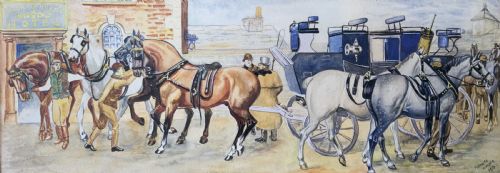
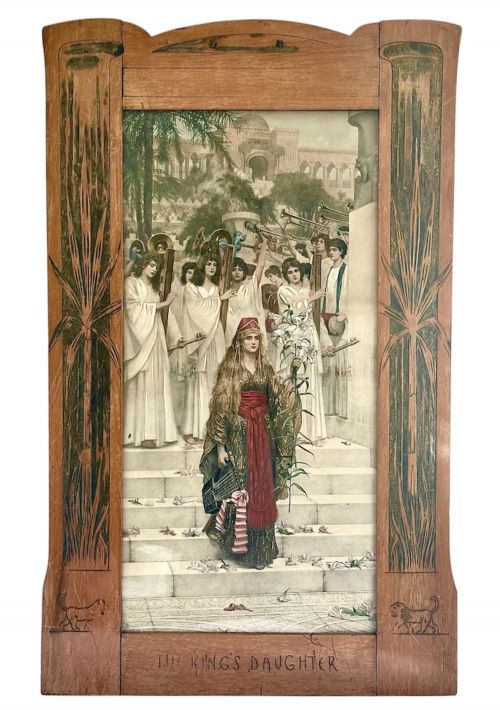
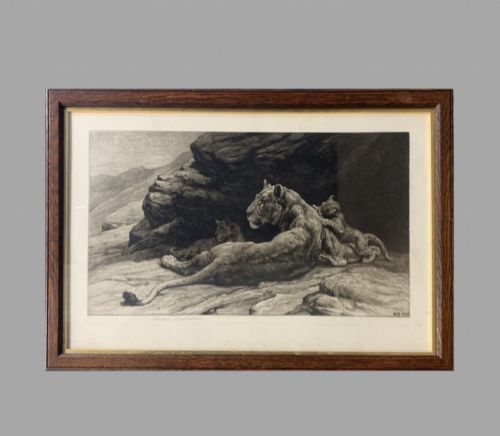
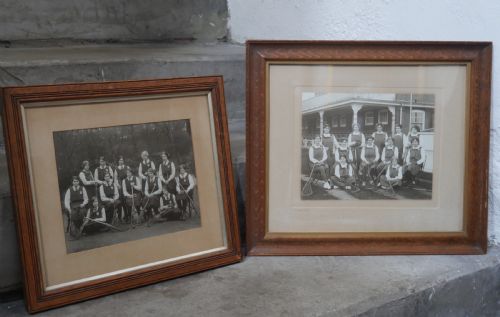




Edwardian Oak Framed Print
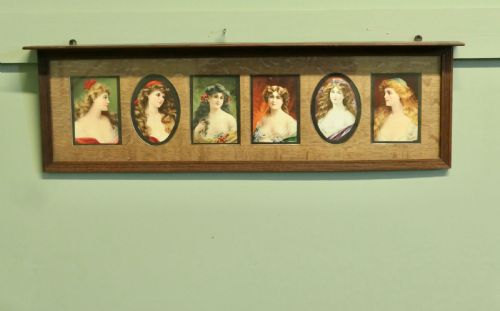
These pieces of edwardian oak framed print offer a glimpse into domestic and sporting life through durable timber framing.
Edwardian Oak Framed Print
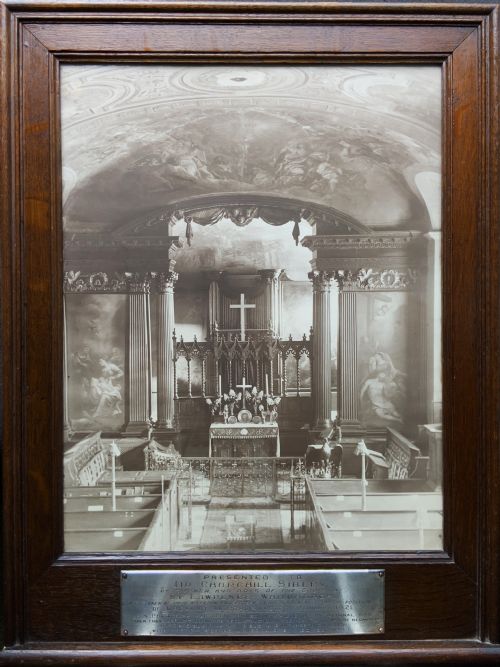
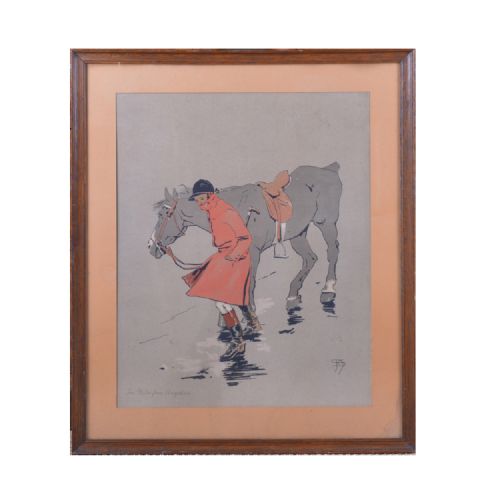
An edwardian oak framed print brings together early twentieth century imagery and robust timber moulding, often housing sporting art, watercolours, or monochrome photography. The examples found here span from the nineteenth century into the 1940s, capturing everything from maritime subjects to topographical views.
Buyers will encounter various formats ranging from large decorative wall prints to intimate watercolours and etchings. The timber surrounds provide a consistent character even when the internal paper works vary widely in subject matter.
Assessing Quality and Merit
Quality rests heavily on the clarity of the print and the original relationship between the artwork and its oak frame. Pieces bearing artist signatures or coming from recognised editions hold greater visual interest.
The craftsmanship of the timber moulding itself distinguishes standard production from finer work. Deep carving, original glass retention, and stable backing materials all contribute to the enduring integrity of the piece.
Forms include wall art, serving trays, and wall shelves alongside traditional framed prints.
Herbert Gustave Schmaltz·Herbert Dicksee·Charles Johnson Payne Snaffles·Frank Algernon Stewart
The Edwardian Oak Framed Print Glossary
- Photogravure
- A photographic image produced from an engraved plate. This technique captures tonal subtleties found in early twentieth-century pictorial works.
- Drypoint etching
- A printmaking process where an artist scratches directly onto a metal plate with a sharp needle. This creates velvety burrs that hold ink during printing.
- Chromolithograph
- A multicoloured print produced through lithography stones. Each colour requires a separate stone and precise alignment.
- Topographical photography
- Images documenting landscapes, buildings, or local scenes. These serve as historical records of places past.
Edwardian Oak Framed Print: Frequently Asked Questions
How do I hang heavy oak frames safely?
Use robust wall anchors and picture wire rated well above the weight of the timber and glass. Ensure the fixing secures directly into wall studs where possible.
Check the integrity of the original hanging loops on the frame back before mounting. Older fixings may require reinforcement to support the combined weight of the wood and glass.
Where should I place these pieces at home?
Hang them away from direct sunlight and damp environments to protect the paper and wooden frame. Stable indoor conditions prevent the oak from splitting and the paper from fading.
Consider rooms with moderate foot traffic where the details of the print can be appreciated up close. Hallways and studies suit these works well.
Are these frames original to the prints?
Many pieces retain their original wooden housings, often indicated by period fixings and consistent ageing across the paper and timber. Archivists look for uniform patination between the frame and the artwork.
Replacement frames do occur over long spans of time. Assessing the backboards and nails helps determine whether the housing dates to the same era as the print.