

Nautical Maritime Wall Art
Nautical maritime wall art brings the historic drama and coastal atmosphere of the sea directly into domestic interiors through oil paintings, watercolours, and mixed media works.
Nautical Maritime Wall Art
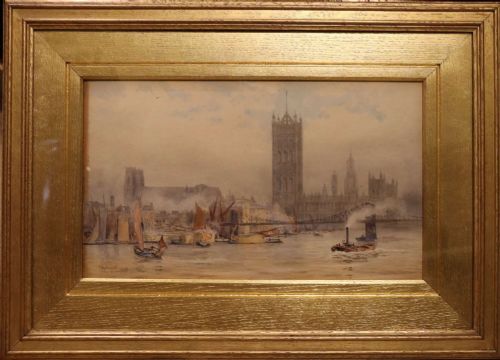
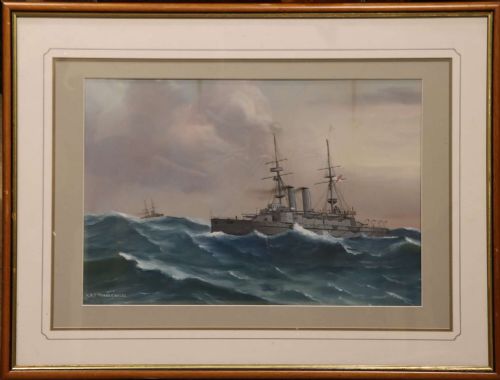
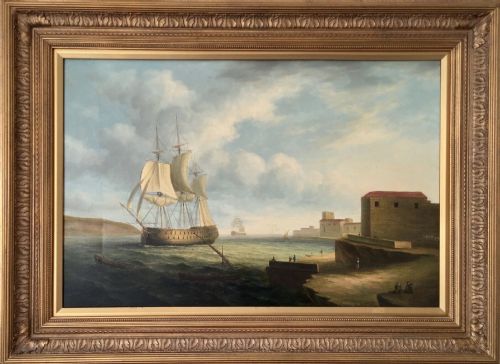
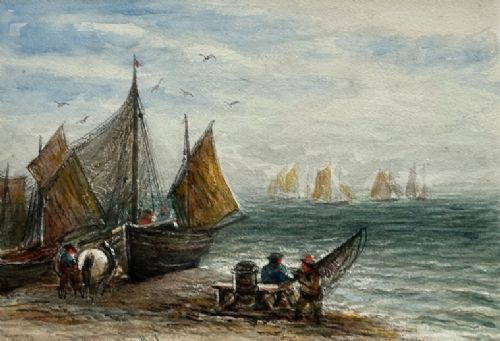
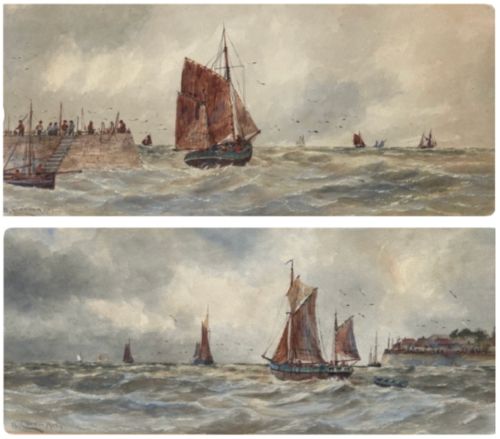
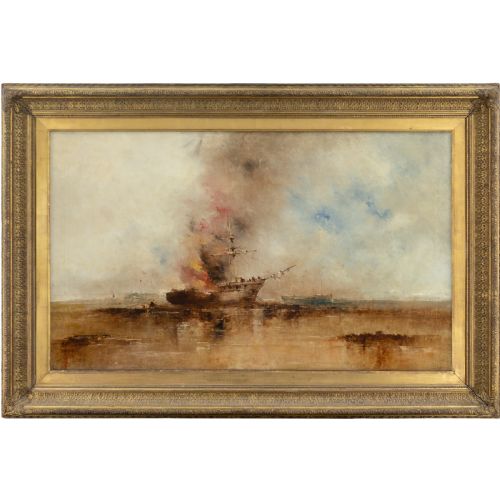
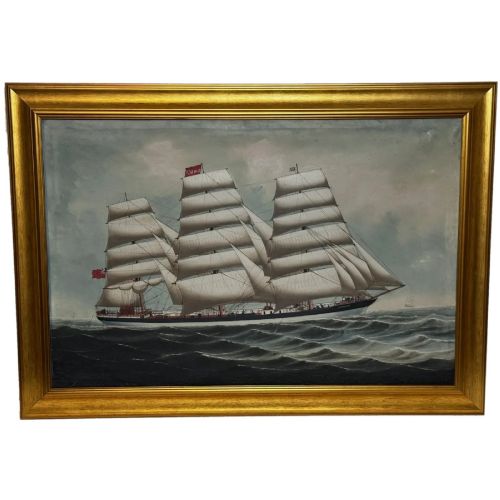
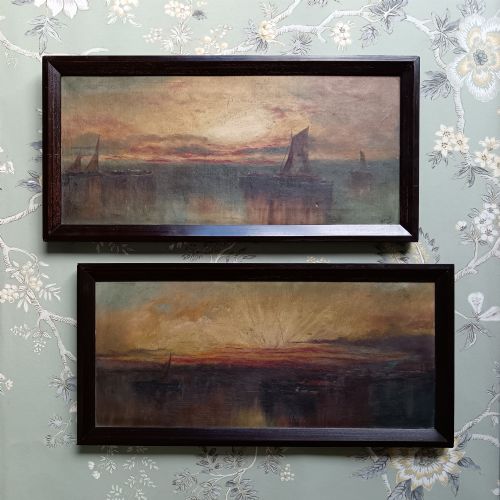
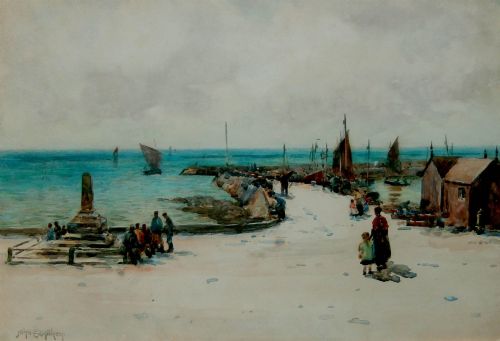
When you search for nautical maritime wall art, you encounter a focused range of visual works depicting naval battles, coastal harbours, merchant shipping, and traditional fishing vessels. These pieces span centuries of maritime history, capturing sailing ships, steamers, and shoreline views across diverse geographic waters.
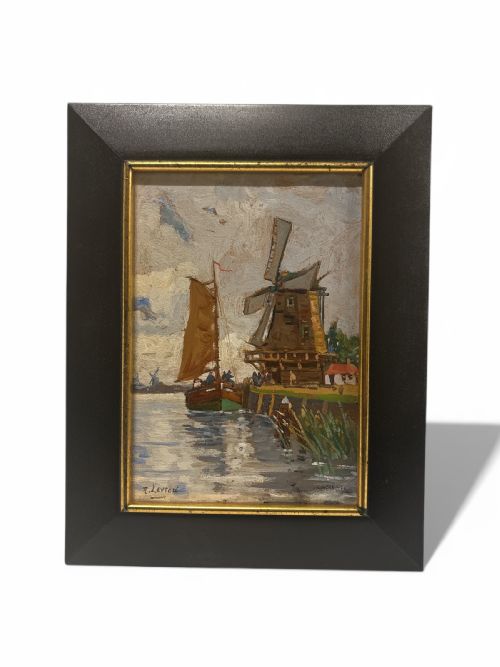
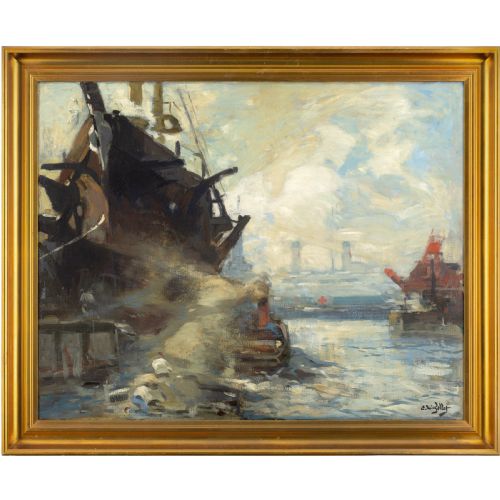
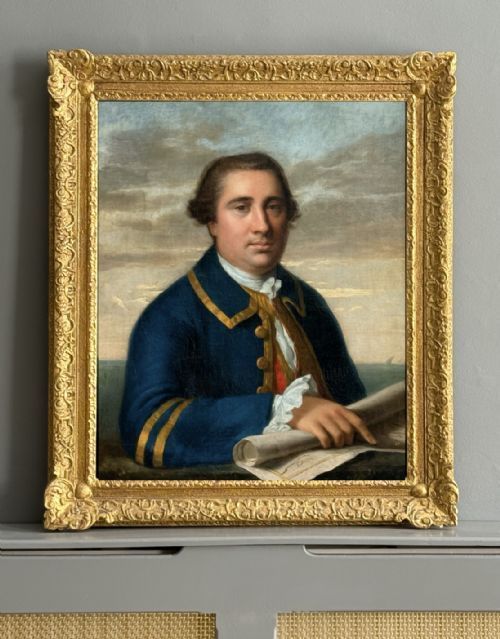
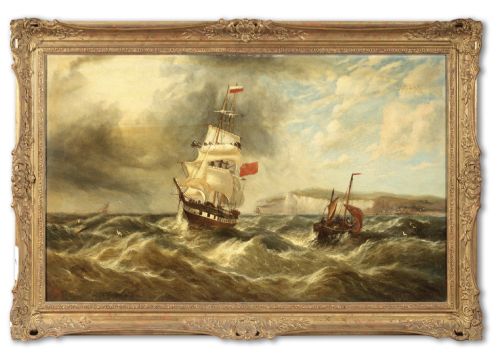
The selections on this page are most commonly anchored in nineteenth-century and early twentieth-century production. You will frequently find framed oil paintings on canvas or panel, alongside detailed watercolours and gouache works recording the working life of ports and open seas.
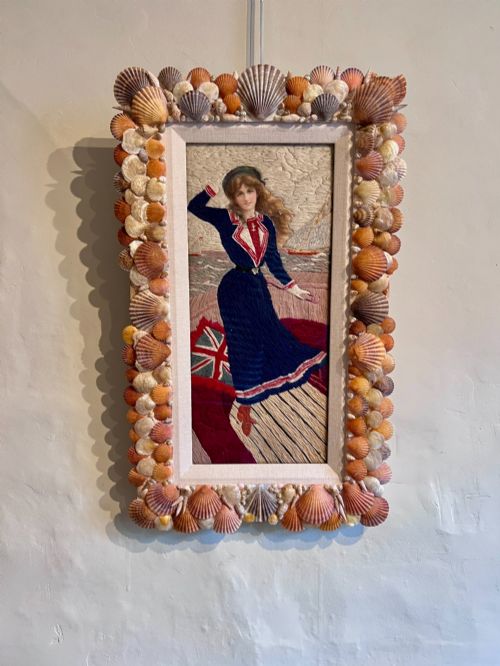
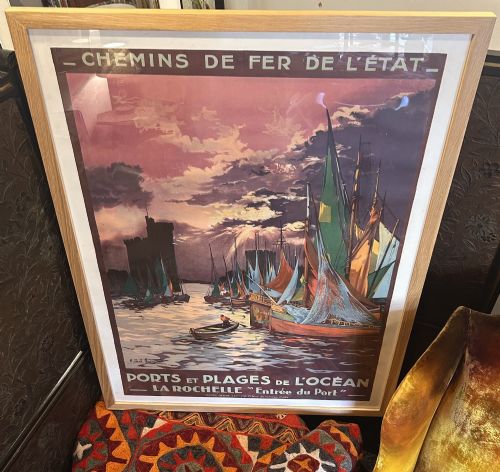
Beyond traditional canvas and paper, the category extends to specialised forms such as textile woolwork woolies, printed railway posters, and framed dioramas. Each format preserves a distinct facet of maritime heritage, from quiet river estuaries to violent storm scenes.
Materials and construction methods
Artists working within this genre relied primarily on oil paint applied to canvas, wood panels, or millboard to achieve rich atmospheric effects and detailed rigging. Watercolours and gouache on paper were equally prevalent for lighter coastal studies, often enhanced with pencil work or framing under glass.
Supporting materials include heavy gilt wood frames designed to complement the maritime subject matter, alongside specialised textile threads used in traditional sailor-made woolwork pieces. Print techniques such as etching also appear, capturing fine linear details of river reaches and shipping traffic.
Materials represented across the inventory include wood, paper, glass, canvas, gilt frames, and oil and watercolour paints.
Distinctions in quality
Quality in nautical maritime wall art rests upon the artist's technical command of maritime architecture, rigging accuracy, and atmospheric perspective. Superior works demonstrate a profound understanding of water movement, wind effects on sails, and accurate vessel proportions.
The sophistication of the medium execution also defines the upper tiers of the category, where deft brushwork in oils or precise handling of wash in watercolours elevates a routine vessel portrait into a compelling historical record.
James Hardy·Kenneth Cozens·James Orrock·William Cannon·R Leyton·Eugène-Louis Gillot·William McAlpine·Reginald Arthur Borstel·Lemuel Francis Abbott·B. Nash·John E. Aitken·John Rose Miles·James Kay·William Broome·Bernard Gribble·William Lionel Wyllie·Bonaventura Peeters·F. Corpuz·Peter Brannan·Paul Bret·Lucy Pratt·Willem Bos·John Wilson Carmichael·Nicholas Condy·Richard B. Spencer
The Nautical Maritime Wall Art Glossary
- Gouache
- An opaque watercolour medium that provides dense, flat areas of colour and sharp detail. It was frequently utilised for crisp depictions of steamships and coastal waters.
- Woolie
- A traditional form of textile wall art created by sailors using coloured wools on canvas to depict ships. These works often combine stitching with painted elements.
- Panel
- A rigid support base for oil paintings, typically made of wood, offering a stable surface favoured by marine artists working in small formats.
- Marine art
- Any form of visual art that depicts or draws primary inspiration from the sea, ships, and coastal environments. This encompasses naval battles, port scenes, and individual vessel portraits.
Nautical Maritime Wall Art: Frequently Asked Questions
What subjects appear in nautical art?
These works primarily depict sailing ships, merchant steamers, naval engagements, and quiet fishing harbours. Scenes range from calm coastal stretches to violent gales in open waters.
Artists also recorded specific historical vessels, port architecture, and everyday maritime labour across British and international waters.
How do I date a marine painting?
Dating relies heavily on the type of vessel depicted, such as the transition from wooden three-masted barques to early twentieth-century steamships. Clothing styles of any figures included also offer reliable chronological markers.
Signatures, framing materials, and artist records further help establish the precise period of creation.
Where should I hang maritime art?
These pieces suit spaces with good indirect natural light that preserves the pigments in watercolours and oil paintings. Rooms with traditional or coastal interior schemes provide a natural complementary backdrop.
Ensure works on paper or delicate woolies are kept away from direct sunlight and damp wall surfaces to maintain their condition.
Are watercolours as durable as oils?
Watercolours require framing under glass and careful placement away from direct sunlight to prevent fading of the paper and pigments. Oil paintings on canvas or panel offer greater resilience to environmental factors.
Both mediums benefit from stable indoor humidity levels and gentle dusting of their frames.