



Nautical Folk Art
These pieces of nautical folk art bring the sea indoors through hand-built maritime dioramas, woolworks and carved wooden objects.
Nautical Folk Art
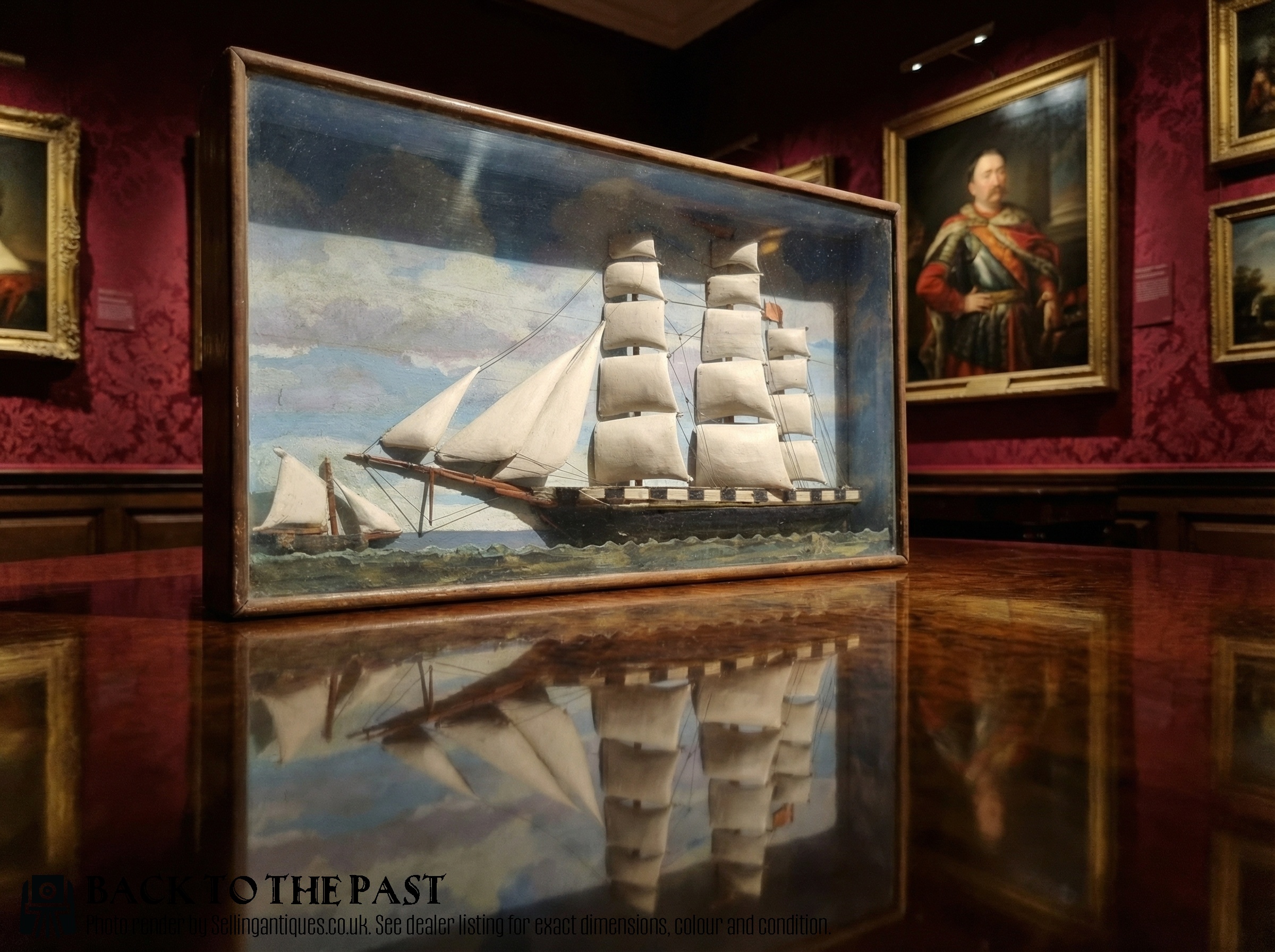
Nautical folk art encompasses maritime dioramas, ship models, woolwork embroideries and carved objects created by sailors and shore-based craftspeople during the nineteenth and early twentieth centuries.
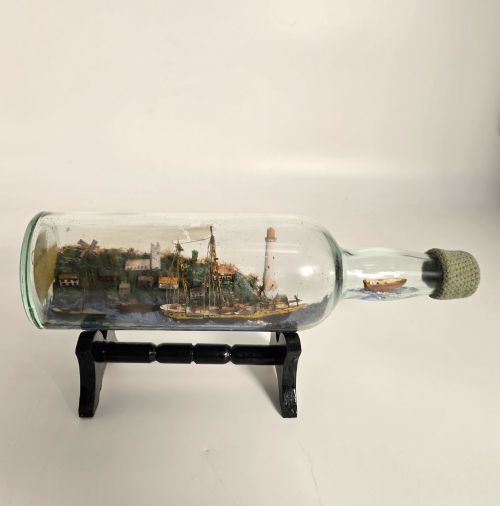
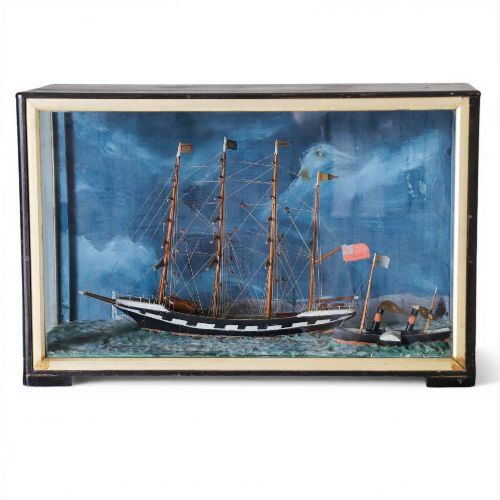
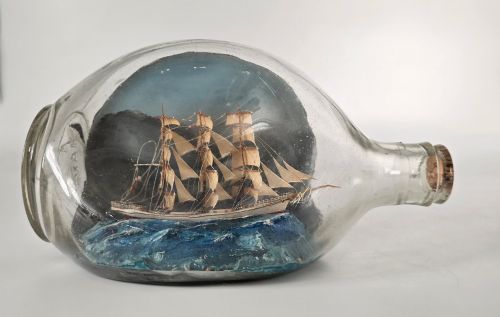
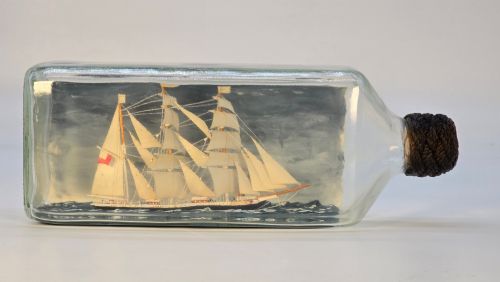
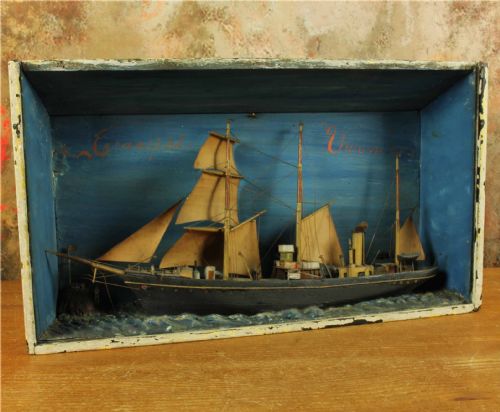
The most common forms on this page are cased ship dioramas, ships in bottles and textile wall art known as woolies, alongside carved bone and whalebone walking sticks.
Pieces frequently originate from British coastal regions, including English, Welsh and Cornish workshops, as well as French makers.
How They Were Made
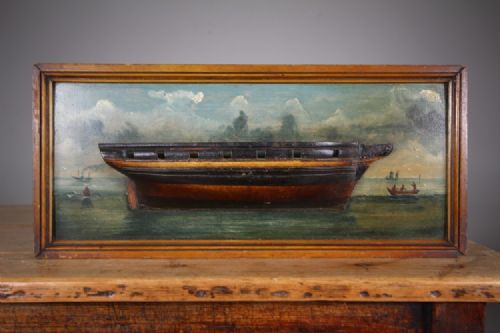
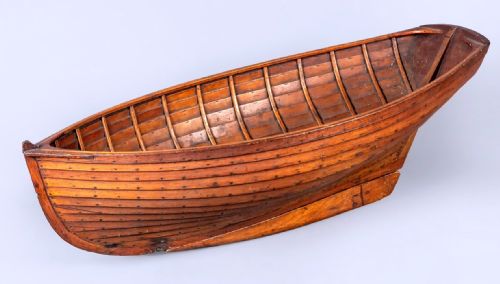
Makers utilised wood, glass, paint, plaster and metal to construct detailed ship models and protective shadow box cases.
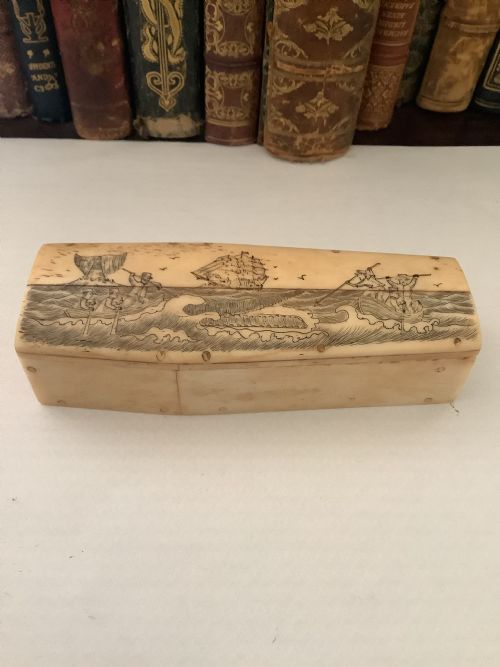
Textile works combine wool, canvas and thread to form embroidered seascapes and sailing vessels, while bone and whalebone were meticulously carved for functional items.
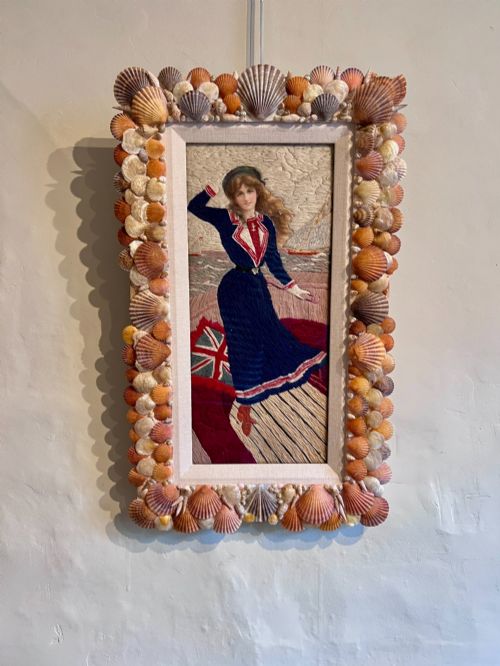
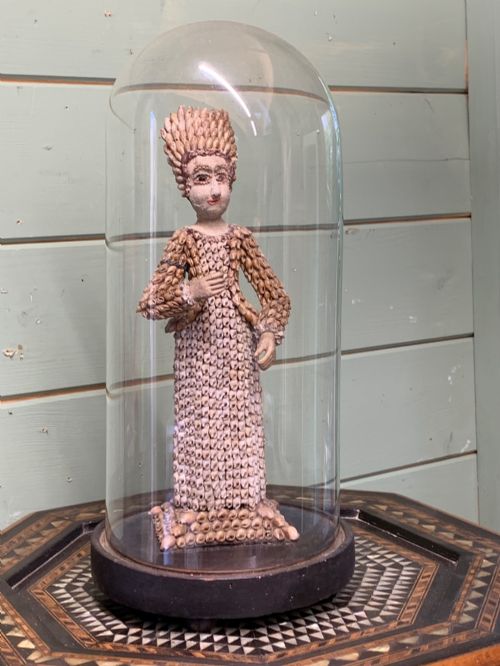
Natural materials such as shells and straw were assembled into intricate decorative panels and dioramas.
Nautical Folk Art Retail Price Guide 2026
Typical asking prices for nautical folk art among the pieces listed under this phrase on Sellingantiques today, from the lower quarter to the upper quarter. They describe what is for sale here now, not the wider market.
Listings feature items spanning the nineteenth century through the 1930s, utilising wood, glass, paint, wool and bone.
What Varies in Quality
The degree of detail in the rigging, hull construction and painted backdrops separates standard decorative pieces from exceptional handmade examples.
Condition of delicate components like glass bottles, textile threads and painted pine surfaces heavily influences the integrity of each piece.
The Nautical Folk Art Glossary
- Diorama
- A three-dimensional scene enclosed within a glass-fronted case or box. These displays typically depict sailing ships at sea.
- Woolie
- A nineteenth-century maritime embroidery made by sailors using wool thread on canvas. These works often illustrate named sailing vessels.
- Scratch built
- A model constructed entirely from raw materials without the use of a commercial kit. Makers fabricated every component by hand.
- Memento mori
- An artistic or symbolic reminder of mortality. These carved bone objects reflect personal reflection in maritime culture.
Nautical Folk Art: Frequently Asked Questions
What is nautical folk art?
Nautical folk art comprises handmade maritime objects created by sailors and self-taught artisans, including ship models, dioramas, walking sticks and textile embroideries.
These pieces reflect maritime life and craftsmanship from the nineteenth and early twentieth centuries.
How were ships put in bottles?
Makers constructed ship models with hinged masts that folded flat to pass through the narrow neck of a glass bottle.
Once inside, pull-strings raised the rigging and secured the vessel in a sea made of putty or painted plaster.
What are woolies?
Woolies are traditional embroidered pictures created by sailors using various shades of wool thread on canvas backgrounds.
They frequently portray sailing ships, naval frigates and coastal scenes with raised stitch details for the waves.
How do I date these pieces?
Dating relies on materials, construction techniques, framing styles and any inscribed dates or names on the object.
Nineteenth-century items often feature distinct pine cases, hand-carved bone components and period pigments.