



Nautical Canvas Artwork
Nautical canvas artwork records maritime history and coastal weather through painted oil on canvas, offering buyers a direct view of historic shipping and seascapes.
Nautical Canvas Artwork
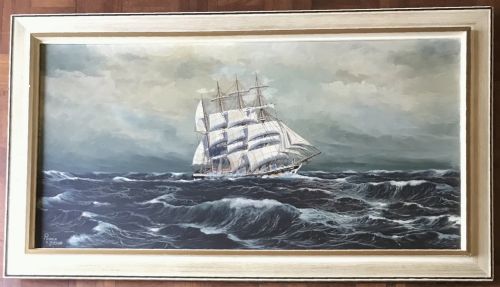
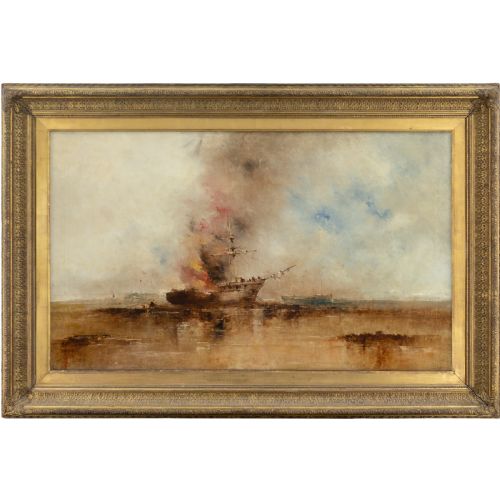
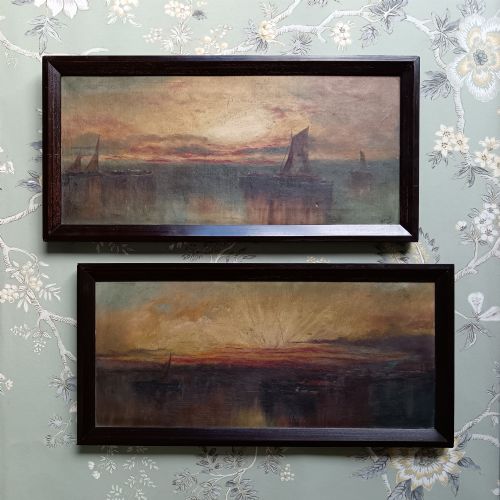
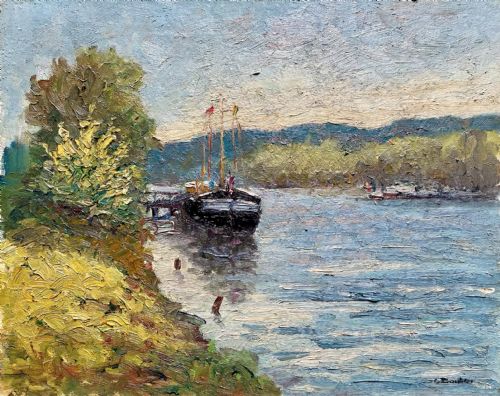
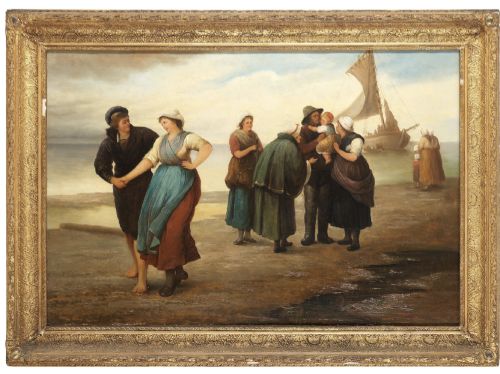
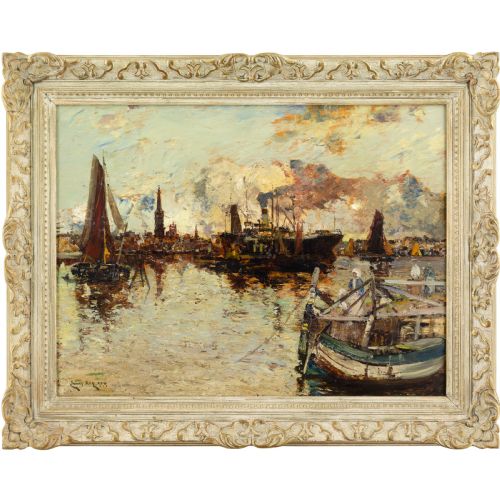
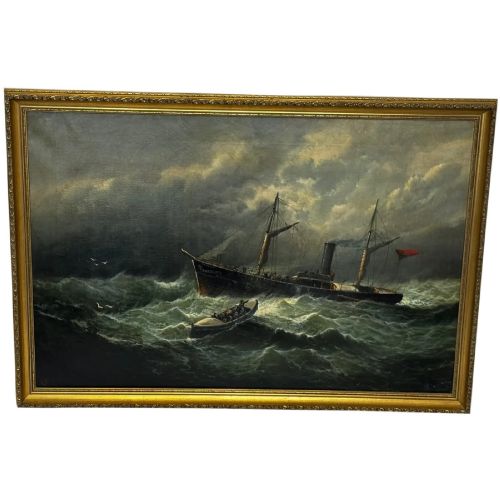
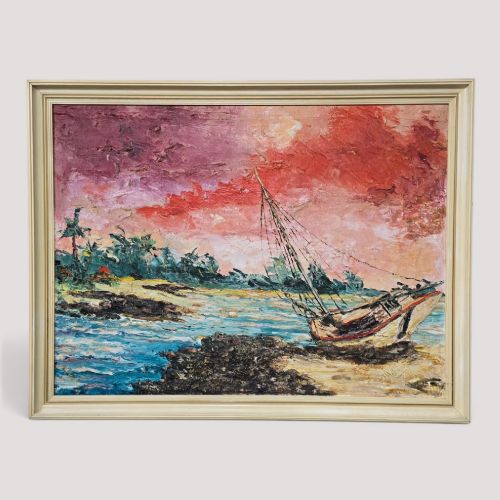
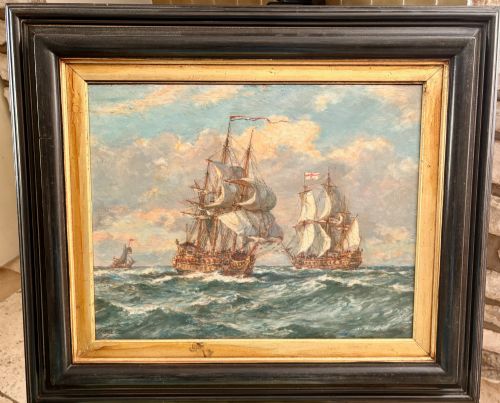
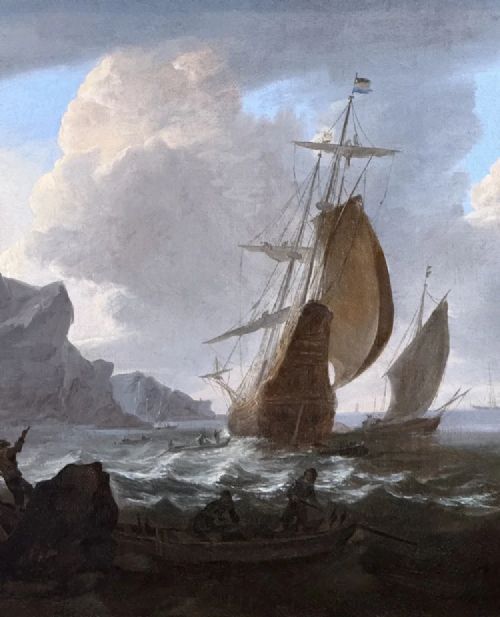
When you examine nautical canvas artwork, you are looking at oil paintings on canvas and wood panels depicting marine subjects. The selection spans the nineteenth century through the mid twentieth century, covering Victorian marine art and later post impressionist interpretations.
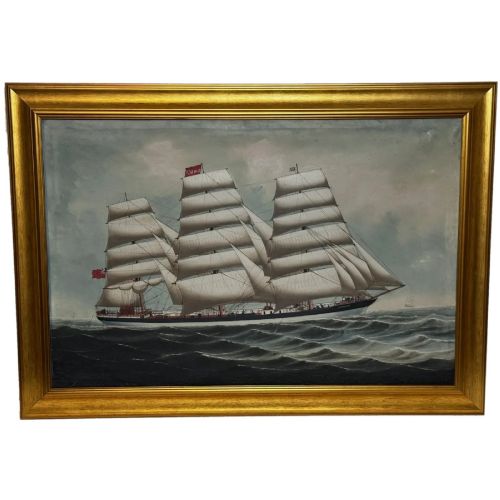
Most examples you will encounter combine oil paint and canvas housed in gilt wood frames. The subjects range from merchant vessels and war ships to quiet harbour scenes and dramatic coastal gales.
Makers and schools represented include nineteenth century British maritime artists, French post impressionists, and Dutch painters. These works document specific vessels, naval engagements, and working harbours across Europe.
How they were made
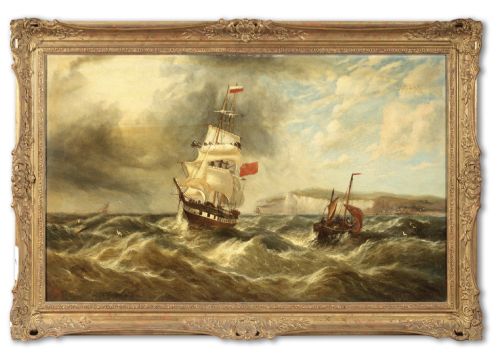
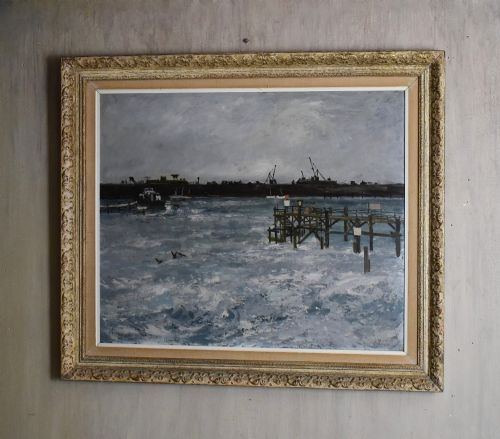
The primary technique relies on oil paint applied to stretched canvas or wooden boards, allowing artists to build rich texture and atmospheric light. Many works utilise impasto methods to capture the choppy movement of waves and the heavy swell of the sea.
Frames play a structural role in the presentation, frequently constructed from carved wood finished with gilt layers. These giltwood surrounds complement the maritime scenes by adding depth and light to the darker tones of the painted water.
Several canvases capture ships bearing names like 'Vick' and 'Westfield', immortalising working vessels on stormy seas.
What varies in quality
Quality rests upon the artist's command of light, maritime anatomy, and atmospheric perspective. Superior paintings accurately capture the rigging of ships and the turbulent physics of heavy seas, whereas lesser works rely on stiff composition and flat water.
The handling of the pigment defines the upper tier of the range, where confident brushwork conveys movement and weather. Original frames matching the period of the canvas also elevate the integrity of the piece.
Eugène-Louis Gillot·William McAlpine·Reginald Arthur Borstel·B. Nash·James Kay·William Broome·Bernard Gribble·Bonaventura Peeters·Peter Brannan·Paul Bret·Lucy Pratt·Cyril Walduck Edwards·Willem Bos·John Wilson Carmichael·Lai Fong·Nicholas Condy·Richard B. Spencer·William Henry Williamson·Abraham Hulk I·Elisabeth Bardon·Charles Napier Hemy·Gustave De Bréanski·Adrian Van Porten·Daniel Sherrin
The Nautical Canvas Artwork Glossary
- Impasto
- Paint applied thickly to a canvas, standing out in relief from the surface. This technique creates physical texture that helps describe crashing waves and thick clouds.
- Giltwood
- Wood carved and covered with a thin layer of gold leaf or gilt. It provides the traditional reflective border for antique oil paintings.
- Pierhead painting
- A specific genre of marine art depicting portrait views of merchant ships, usually commissioned by sea captains. These works record specific vessels with accurate rigging and flags.
- Maritime realism
- An artistic style focused on precise depiction of ships, sea conditions, and coastal topography. Artists working in this manner prioritized historical and technical accuracy over abstract interpretation.
- Post-impressionism
- An art movement extending beyond impressionism that prioritised expressive use of form and colour. Works in this style interpret coastal scenes through simplified shapes and bold palettes.
Nautical Canvas Artwork: Frequently Asked Questions
What is nautical canvas artwork?
Nautical canvas artwork comprises oil paintings on canvas or wood depicting ships, harbours, and coastal scenes. These pieces record maritime history through the eyes of artists from the nineteenth and twentieth centuries.
They serve as historical records of sailing vessels, naval battles, and merchant trade routes. Collectors acquire them for their artistic merit and their documentation of maritime heritage.
How do I date a marine painting?
Dating relies on the ship types, clothing of figures, and artistic style visible in the composition. Steamships, three masted schooners, and wooden barques each correspond to specific eras of maritime development.
Signatures, framing materials, and stretcher construction provide further clues for determining the period. Comparing the technique to known works by documented painters narrows the timeframe.
Where were these paintings displayed?
Historically, marine paintings hung in the drawing rooms of shipping magnates, shipowners, and naval officers. They celebrated specific vessels owned by families or commanded by relatives.
Today, they find places in studies, living rooms, and hallways. Their traditional gilt frames allow them to sit comfortably alongside period furniture and classic interiors.
What subjects are most common?
Common subjects include merchant vessels navigating rough seas, warships in action, and quiet coastal harbours. Scenes often feature specific locations such as Plymouth Breakwater or European ports.
Artists frequently recorded historical events, such as troop transports heading to the Crimea. Everyday fishing boats and coastal landscapes also appear frequently across the selection.