




Natural Wood Kitchen Cupboard
A natural wood kitchen cupboard brings genuine warmth and utility into a room, offering honest storage rooted in domestic history.
Natural Wood Kitchen Cupboard
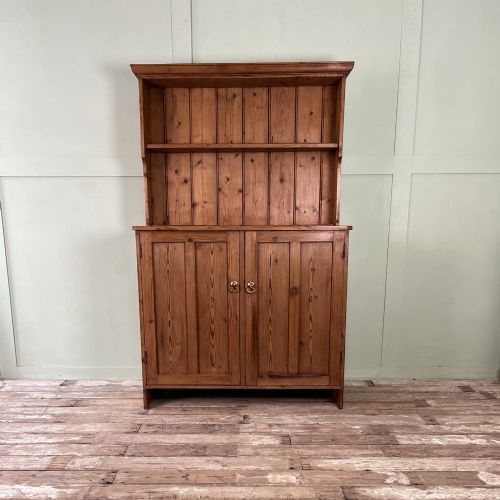
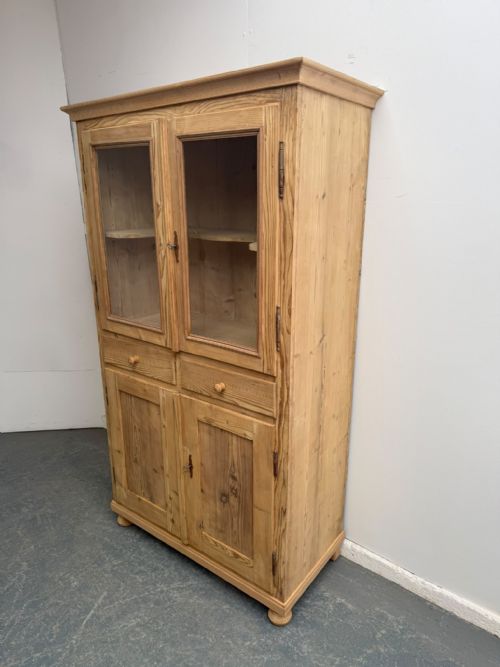
When you search for a natural wood kitchen cupboard, you encounter robust storage pieces designed for food preparation and household organisation. These practical items range from utilitarian larder cupboards and dresser bases to glazed display cabinets and regional armoires.
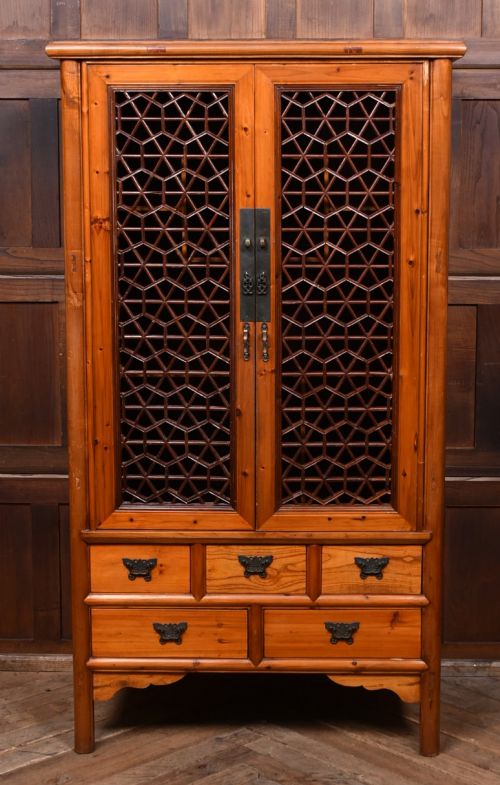
The pieces available here span the Victorian era, the nineteenth century, and the nineteen twenties. You find traditional British pine dressers alongside Japanese kitchen tansu and French single armoires, each reflecting the domestic habits of its origin.
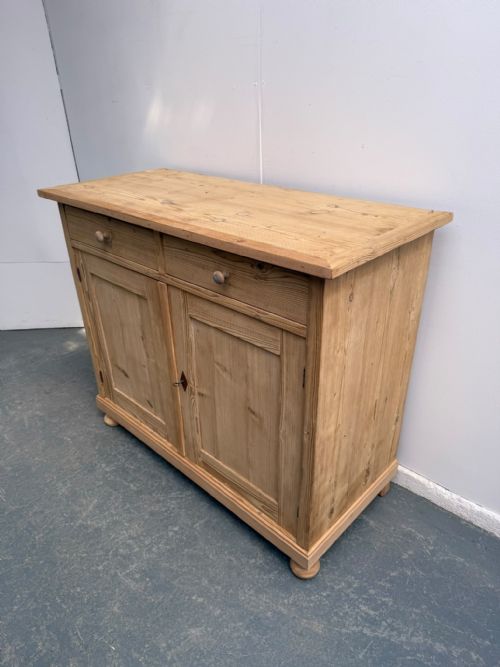
Forms vary from tall multi-door storage units to low dresser bases with drawers. Many pieces retain a stripped pine finish or a waxed surface that highlights the grain of the timber.
How they were made
Cabinet makers constructed these cupboards using solid timbers such as pine, ash, cedar, elm, cypress, and chestnut. Structural integrity relied on traditional joinery techniques suited to heavy daily use in busy domestic spaces.
Hardware details incorporate functional brass and iron elements, including hinges, latches, and pulls. Glazed display sections utilise glass panels set into wooden frames, while carved ornamentation appears on specific regional pieces like Hungarian dresser bases.
Natural Wood Kitchen Cupboard Retail Price Guide 2026
Typical asking prices for natural wood kitchen cupboard among the pieces listed under this phrase on Sellingantiques today, from the lower quarter to the upper quarter. They describe what is for sale here now, not the wider market.
Some nineteenth-century pine boards hold the faint ghosts of old flour dust wedged deep within their dovetail joints.
What varies in quality
Quality in these storage pieces rests upon the selection of timber and the integrity of the original construction. Heavier woods and well-preserved structural framing separate robust everyday items from lighter decorative variants.
The preservation of original surfaces, whether stripped pine or waxed finishes, influences the character of the piece. Fine joinery and intact period hardware also distinguish superior examples from simpler utilitarian boxes.
The Natural Wood Kitchen Cupboard Glossary
- Pine
- A softwood commonly used for nineteenth-century domestic furniture. It accepts wax and paint finishes readily.
- Dresser base
- The lower section of a kitchen dresser featuring cupboards and drawers without upper shelving. It provides sturdy counter space and enclosed storage.
- Tansu
- A traditional Japanese mobile storage chest. Kitchen variants serve similar functional roles to European cupboards.
- Armoire
- A large freestanding wardrobe or cupboard with doors. Single armoire variants offer compact vertical storage.
Natural Wood Kitchen Cupboard: Frequently Asked Questions
What is a larder cupboard?
A larder cupboard is a tall storage unit designed specifically for food storage before the widespread use of refrigeration. These pieces utilise deep shelves to keep provisions organised.
In modern settings, they function as pantry units in kitchens or utility rooms, concealing dry goods and kitchenware behind solid wooden doors.
How do I care for stripped pine?
Stripped pine surfaces require simple maintenance to prevent the wood from drying out. Regular application of a traditional beeswax feed maintains the lustre of the grain.
Avoid placing wooden cupboards near direct heat sources or in damp environments to prevent warping of the timber panels.
What is a dresser base?
A dresser base is the lower portion of a traditional kitchen dresser. It combines drawers and cupboard space beneath a flat top surface.
These versatile items serve as sideboards or small preparation tables in contemporary kitchens and dining areas.
Are Japanese tansu kitchen cupboards?
Certain Japanese tansu forms, specifically the mizuya, function as traditional kitchen storage chests. They were built to house culinary utensils and dry foodstuffs.
Their distinctive compartmentalised layout sets them apart from European cupboards while serving an identical domestic purpose.