



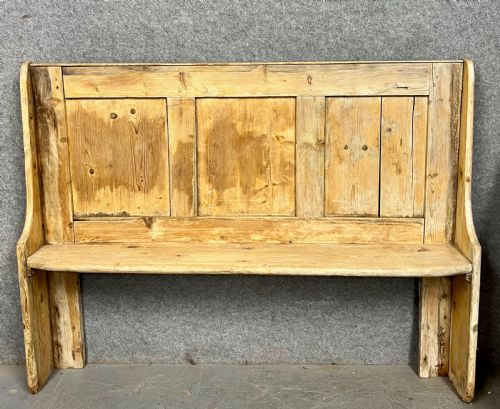

Natural Wood Bench
A natural wood bench brings warmth and honest grain into a room, shaped from timber by hands that favoured utility over display.
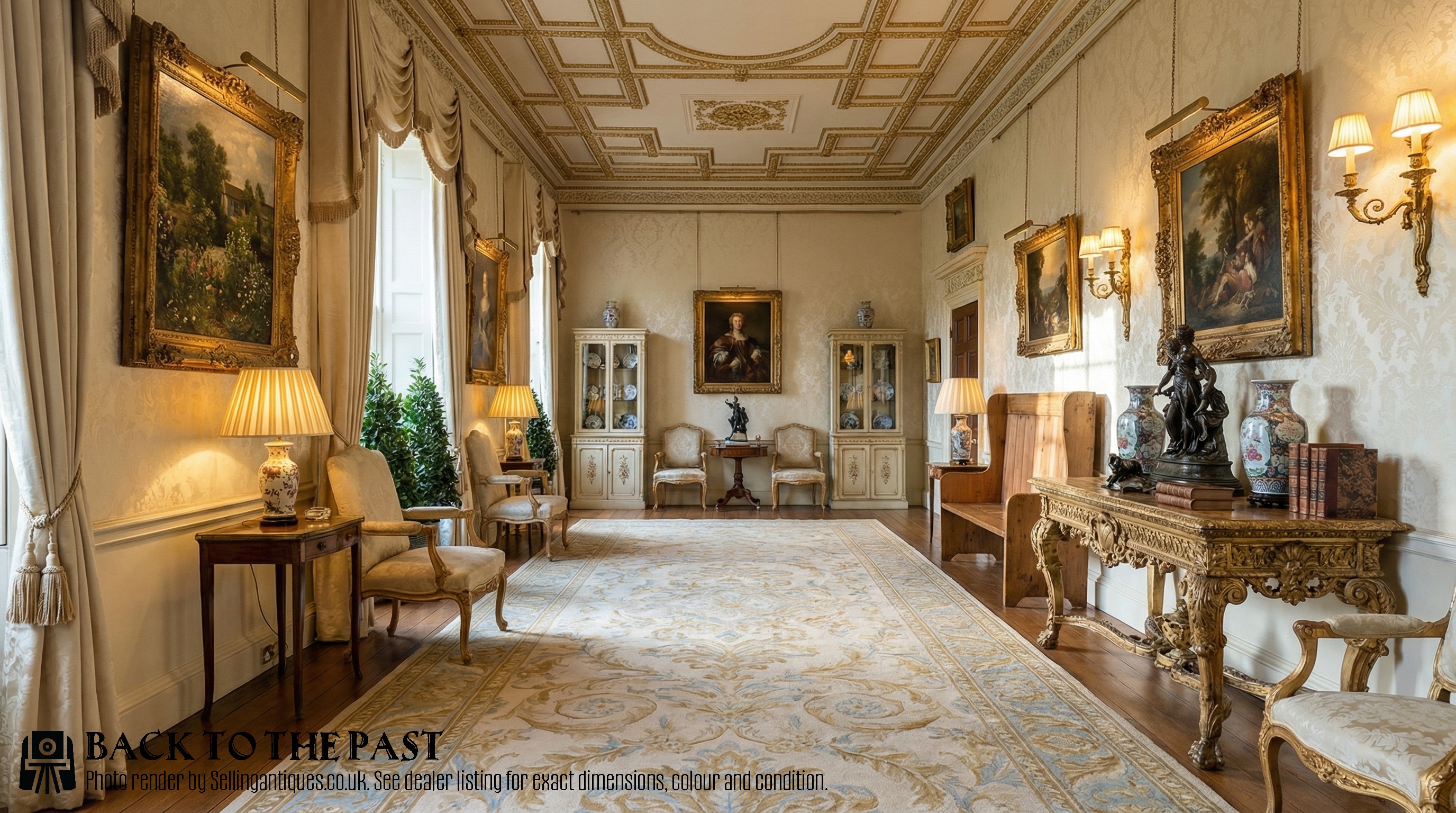
Natural Wood Bench
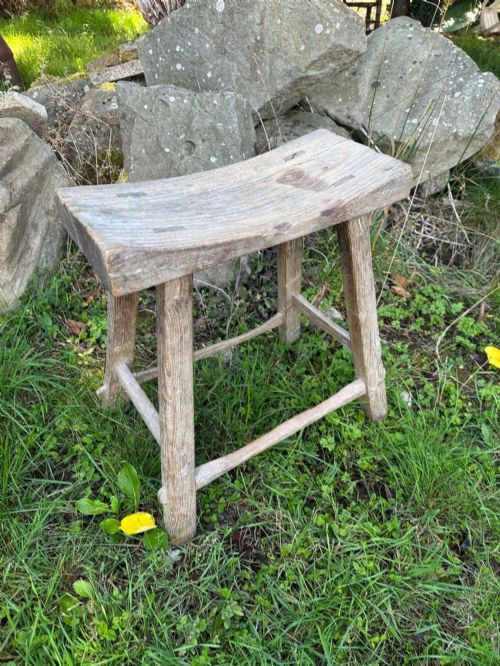
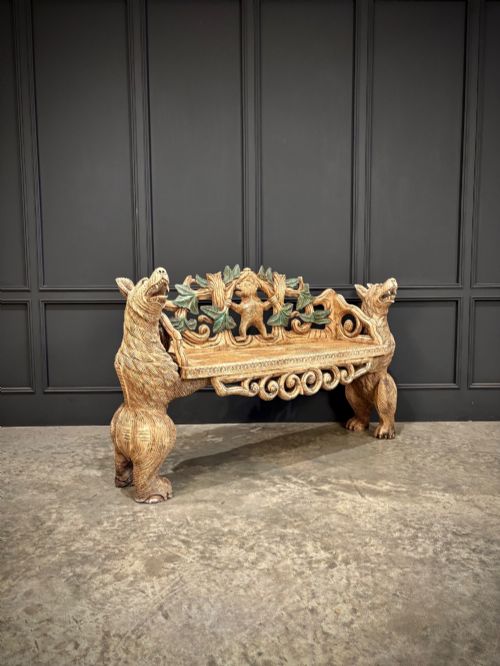
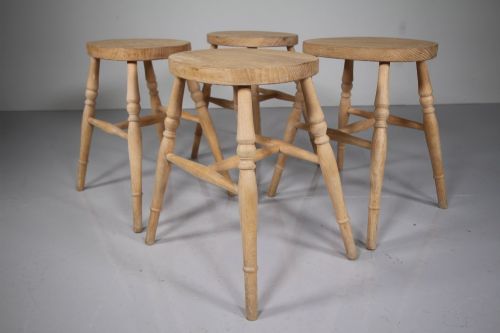
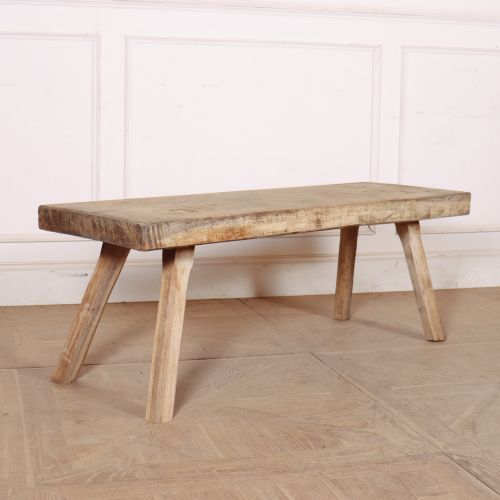
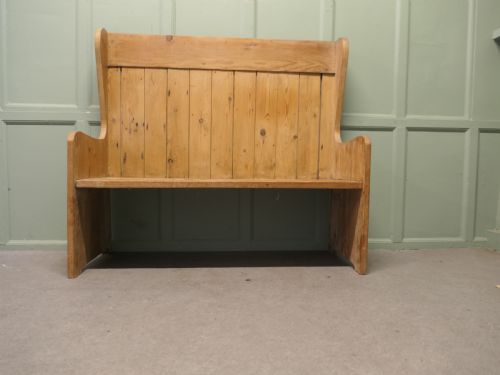
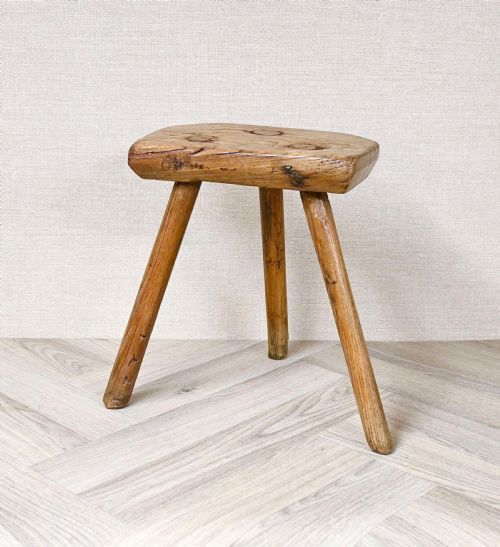
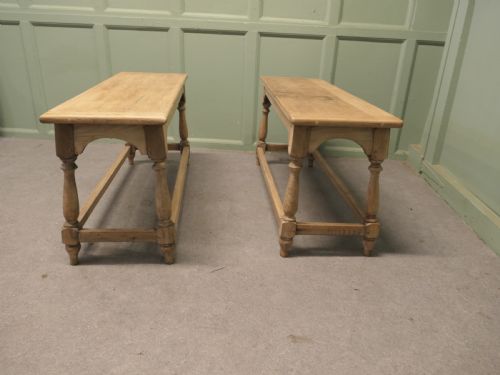
When you search for a natural wood bench, you encounter sturdy seating forged from solid timber, ranging from rustic farmhouse pews to French dining benches and primitive stools. These pieces draw on utilitarian roots, with many examples originating from country houses, workshops, and village pubs.
The most common forms you meet on this page are pine settles, chapel pews, and oak joint benches spanning the eighteenth, nineteenth, and early twentieth centuries. Makers selected timbers like elm, sycamore, and beech to build heavy, functional furniture designed for daily endurance.
From high-back fireside benches to low hallway seats, these forms reflect straightforward domestic needs rather than formal courtly design. Their appeal lies in the visible grain, surface wear, and the unpretentious character preserved across generations.
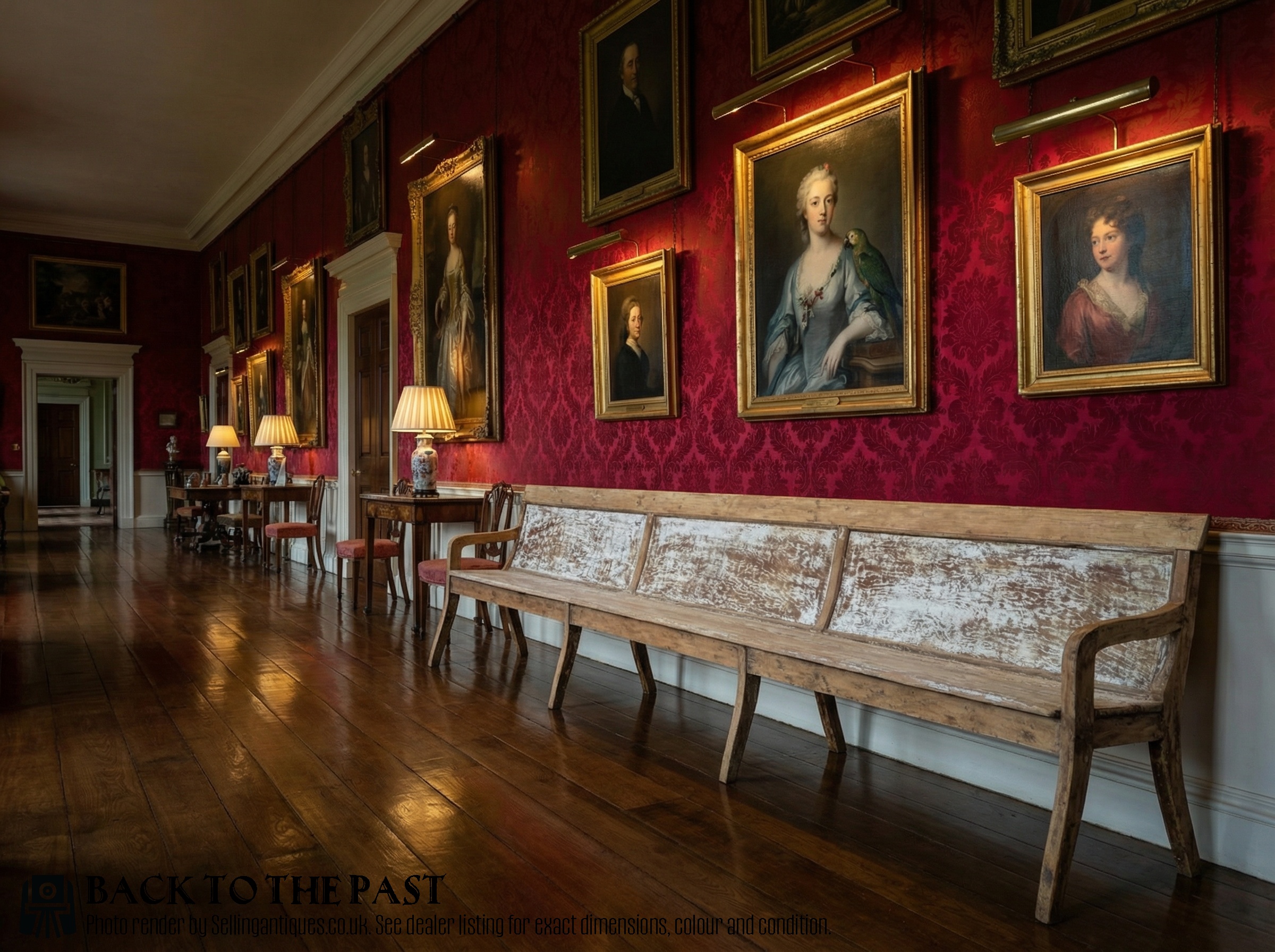
Materials and construction
Makers constructed these benches primarily from native hardwoods and softwoods such as pine, oak, elm, and sycamore, often left unpainted to display the natural figure of the timber. Joinery relied on traditional methods like pegged joints, dovetails, and trestle supports designed to withstand heavy weight.
Workbenches and pews utilise thick planks of solid timber, occasionally reinforced with iron brackets or stretcher bars for added stability during daily labour. Surfaces were typically hand-planed and scrubbed rather than heavily polished, leaving tool marks and patination intact.
Natural Wood Bench Retail Price Guide 2026
Typical asking prices for natural wood bench among the pieces listed under this phrase on Sellingantiques today, from the lower quarter to the upper quarter. They describe what is for sale here now, not the wider market.
Listings span the eighteenth, nineteenth, and early twentieth centuries, featuring native timbers like pine, oak, elm, and sycamore.
Quality factors in solid timber seating
The calibre of a natural wood bench rests on the integrity of its construction, the selection of the timber, and the honesty of its wear. Pieces featuring thick, unwarped planks of oak or pine command attention through their structural soundness and deep, untouched patination.
Subtle details such as pegged joinery, well-balanced proportions, and minimal later intervention separate utilitarian survivors from lesser examples. The best pieces retain their original fasteners and surface textures without disguising the knocks and scars of actual use.
The Natural Wood Bench Glossary
- Settle
- A wooden bench with a high back, solid arms, and often a box base, designed to block draughts in farmhouses and pubs. It offers enclosed seating gathered around a hearth.
- Joint bench
- A piece of seating constructed using traditional mortise and tenon joinery secured with wooden pegs. The precise carpentry creates a rigid frame without metal nails.
- Trestle
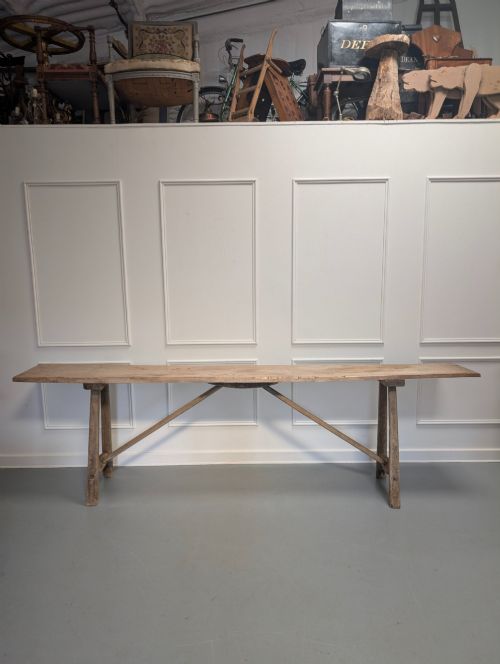
- A structural support consisting of a horizontal beam fixed to two splayed legs, commonly used underneath long dining benches and work tables. This design provides maximum legroom and steady weight distribution.
- Patina
- The deep sheen and mellow tone developed on wood surfaces over decades of handling, cleaning, and exposure to light. It serves as a visual indicator of age and genuine use.
- Primitive
- A descriptive term for country-made furniture constructed with basic tools and straightforward methods. These items prioritize immediate utility over refined stylistic convention.
Natural Wood Bench: Frequently Asked Questions
How do I clean a vintage wooden bench?
Dust the timber regularly with a dry cloth and occasionally feed the wood with a mild beeswax to nourish the dry grain.
Avoid harsh chemical cleaners and excessive water, which can strip the historic patination and cause the solid boards to warp.
Can I use these benches outdoors?
Most of these historic pieces were built for indoor domestic or workshop environments and lack weather-resistant treatments.
Placing them outside exposes the timber to moisture fluctuations that will quickly crack the wood and weaken the traditional joinery.
How can I tell pine from oak?
Pine is a softwood with a lighter weight, softer surface, and a straight, knotty grain that often takes on a warm golden hue with age. Oak is a heavy hardwood distinguished by its dense weight and characteristic medullary ray flecks across the surface.
Where should I place a long bench?
These longer forms sit naturally along a dining table, in a wide hallway, or against a plain wall as a grounding architectural element.
Ensure you measure both the length of the seating and the clearance of the room to allow comfortable passage around the piece.