


Natural Pine Carving
Natural pine carving brings warmth and texture into a room through carved architectural elements, furniture and decorative objects fashioned from softwood.
Natural Pine Carving
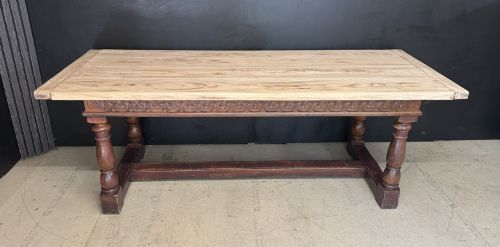
Natural pine carving encompasses utilitarian and architectural objects shaped from softwood, spanning functional storage items and decorative architectural salvage. Pieces found in this selection originate primarily from the Victorian and Edwardian eras, alongside pieces attributed to the Georgian period and the early twentieth century.
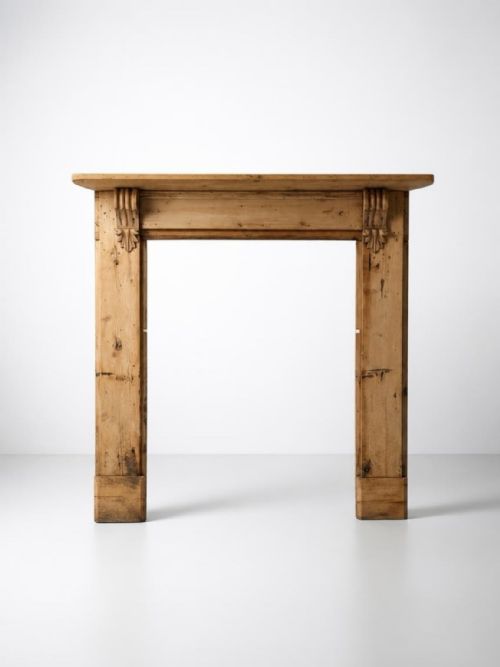
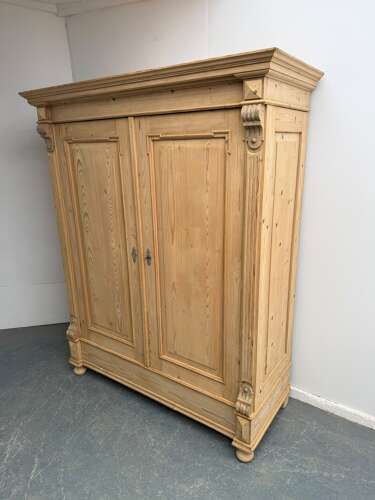
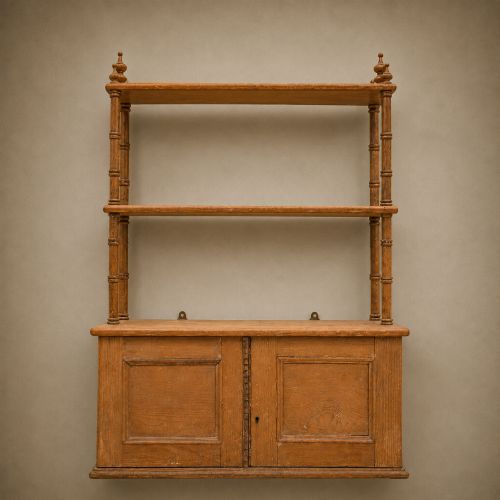
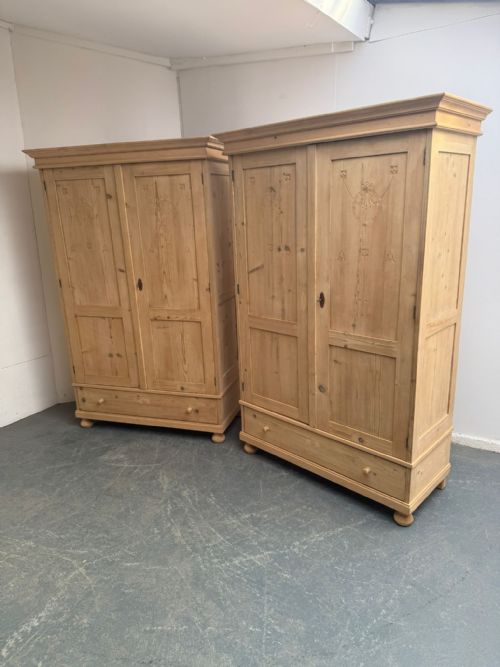
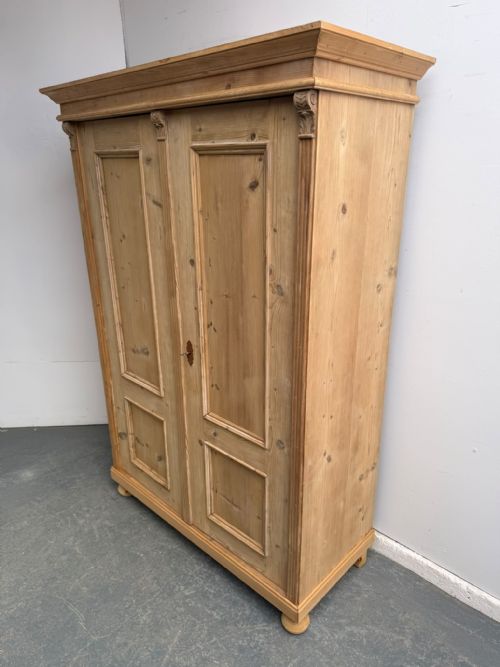
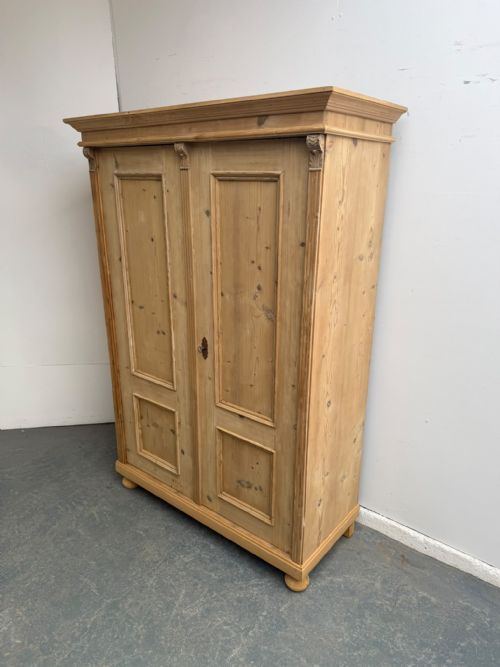
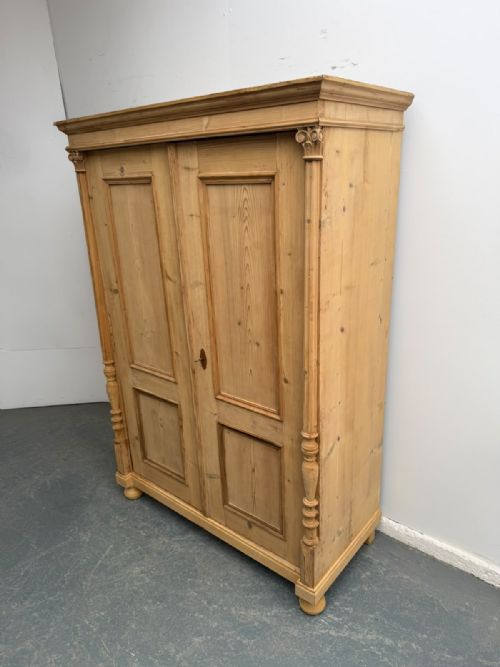
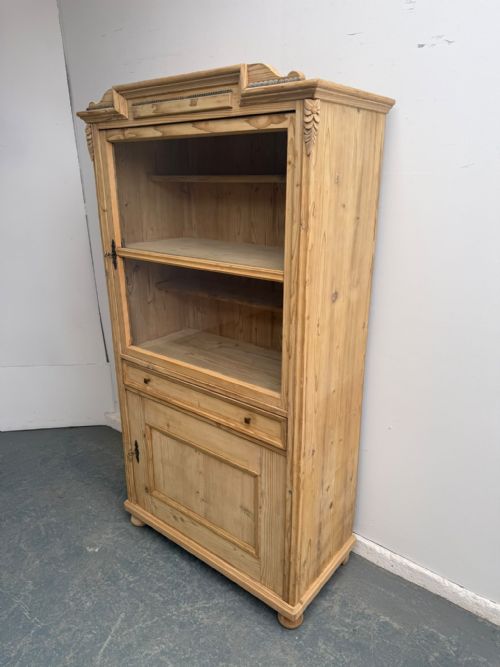
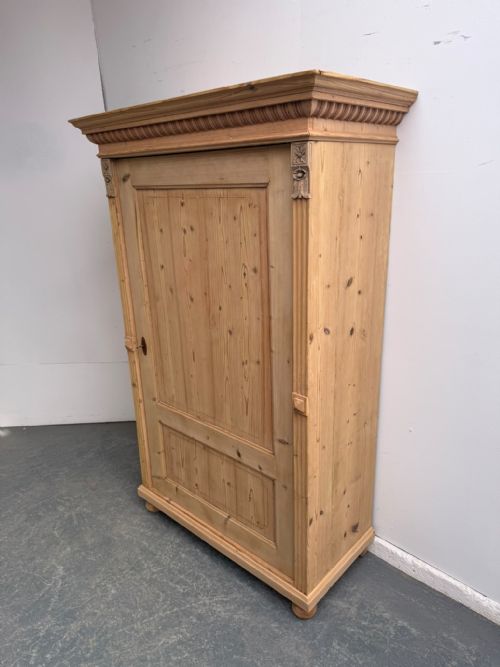
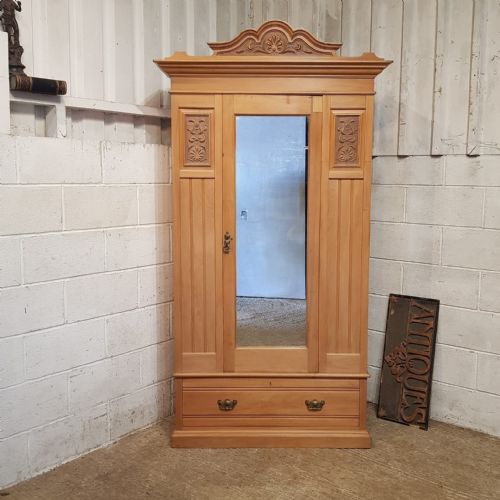
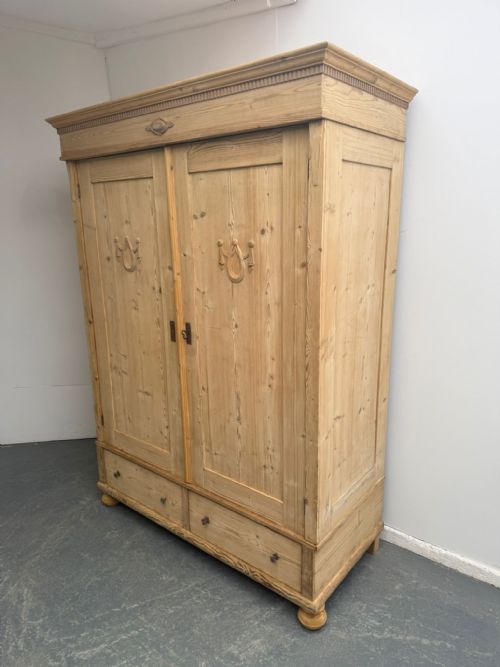
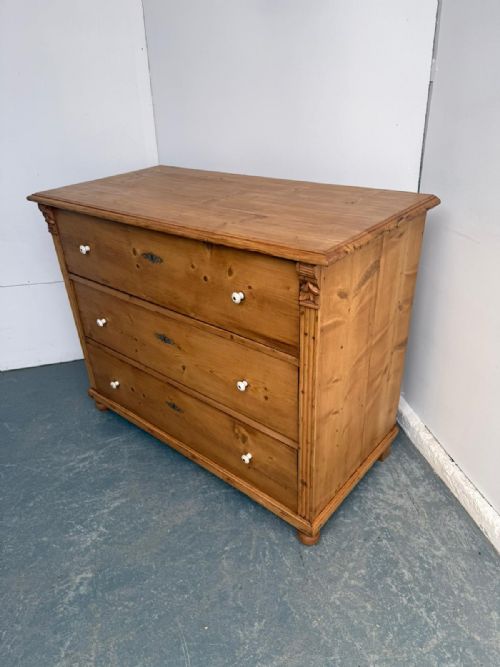
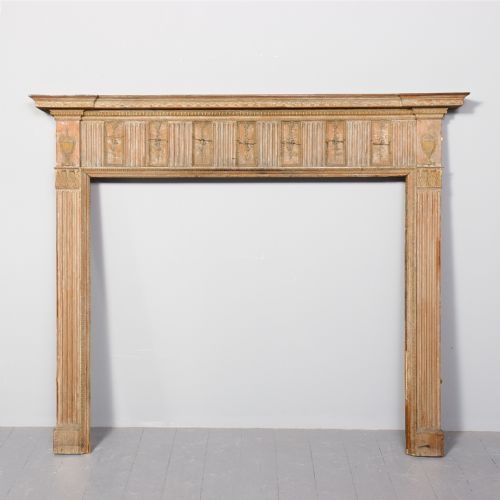
Buyers encounter items ranging from large furniture forms such as wardrobes, chests of drawers and storage cupboards to architectural details including fire surrounds, mantelpieces and ecclesiastical church tracery panels. Smaller decorative items like wall mirrors, picture frames and wall shelves also appear across various regional styles.
The aesthetic leans towards rustic farmhouse, Scandinavian country and Arts and Crafts designs, alongside Gothic Revival and Art Nouveau expressions. Many domestic items reflect Hungarian, Dutch, Spanish and Swedish vernacular traditions.
Materials and construction
Objects utilise pine as the primary timber, sometimes combined with carved gesso for decorative surface detail on mantelpieces and picture frames. Metal elements such as iron and brass appear in supporting hardware and fixtures.
Makers shaped the softwood using traditional hand and cabinet-making techniques, applying wax finishes to protect the wood while retaining its natural grain. Larger furniture items often utilised knockdown construction methods to facilitate transport and assembly.
A Swedish dugout chair sits alongside decoy ducks and library steps, proving that early pine carvers turned their hands to almost anything.
Qualities of craftsmanship
The standard of carving defines the distinction between standard utilitarian items and finer decorative pieces, visible in the depth and crispness of floral motifs, column details and tracery. Architectural fragments and mantelpieces display varying degrees of sculptural elaboration.
The integrity of the original pine surface, whether preserved beneath historic wax or cleanly stripped, influences the visual presence of the grain and the crispness of the underlying woodwork.
The Natural Pine Carving Glossary
- Pitch pine
- A resinous variety of pine timber known for its strong grain pattern and durability, frequently utilised in nineteenth-century architectural joinery and fire surrounds.
- Knockdown wardrobe
- A large wardrobe constructed to be disassembled into flat panels for ease of transport, held together with internal bolts or peg joints rather than permanent glue.
- Gesso
- A plaster-like mixture applied to wood surfaces and carved or moulded to create raised decorative details, commonly found on Georgian and Victorian mantelpieces and picture frames.
- Tracery
- Openwork ornamentation resembling branching lines or geometric patterns, seen on ecclesiastical church panels and Gothic Revival woodwork.
- Torchere
- A tall ornamental stand or floor-standing candlestick, often carved from pinewood in European decorative traditions.
Natural Pine Carving: Frequently Asked Questions
How do I care for antique pine furniture?
Maintain waxed pine surfaces by applying natural beeswax periodically to nourish the timber and prevent dryness.
Keep pieces away from direct heat sources and strong sunlight to avoid warping or fading of the wood grain.
Are pine wardrobes difficult to assemble?
Many period wardrobes utilise knockdown construction with pegged joints or internal bolts designed for straightforward assembly and disassembly.
Having two people helps manage the large panels safely during the construction process.
What periods do these carved pine pieces date from?
The selection spans items from the Georgian and Victorian eras through the Edwardian period and into the early twentieth century.
Regional country pieces sit alongside more formal architectural mantelpieces and vernacular furniture.
How do I identify a fire surround's age?
Examine the profile mouldings, the style of any carved gesso work, and the construction methods used on the timber.
Georgian examples often display classical architectural proportions, whereas Victorian pieces incorporate heavier mouldings or pitch pine construction.