


Natural History Taxidermy
Natural history taxidermy encompasses preserved animal specimens and trophies from the Victorian era through the early twentieth century, sought after for their domestic decorative presence.
Natural History Taxidermy
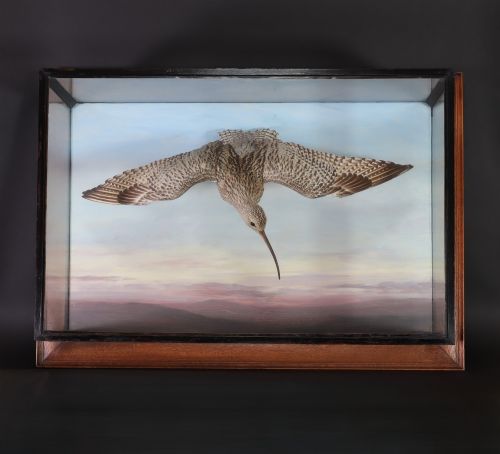
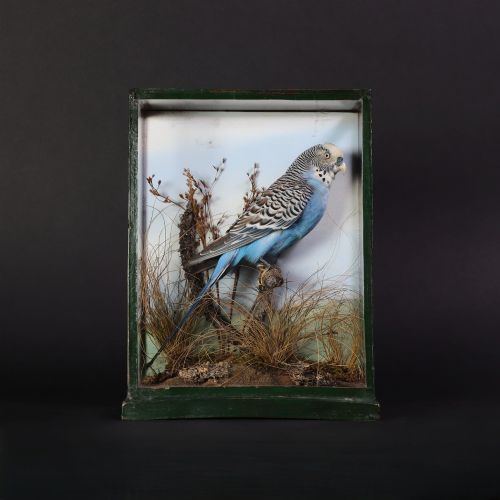
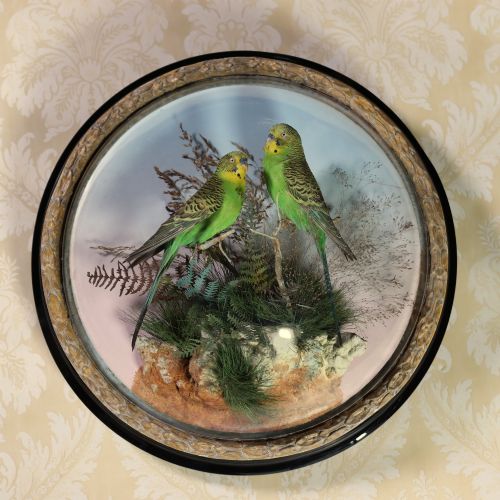
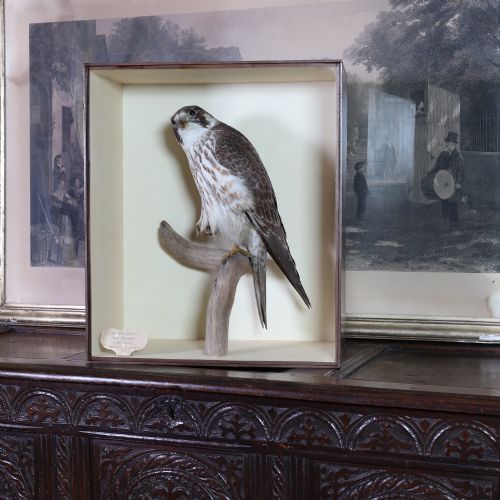
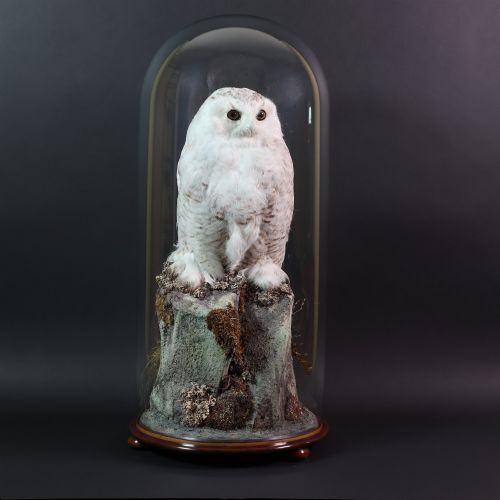
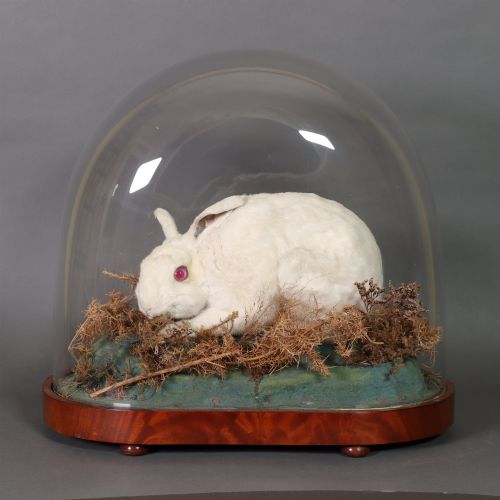
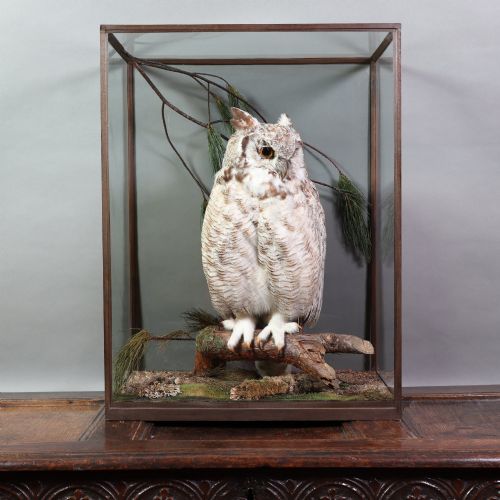
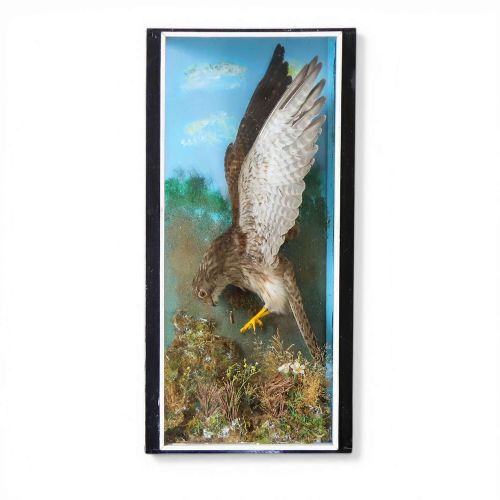
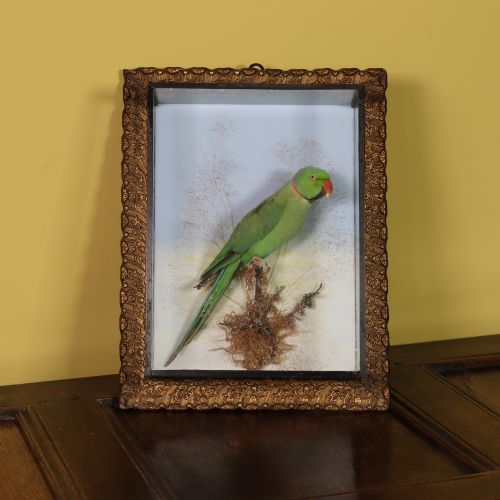
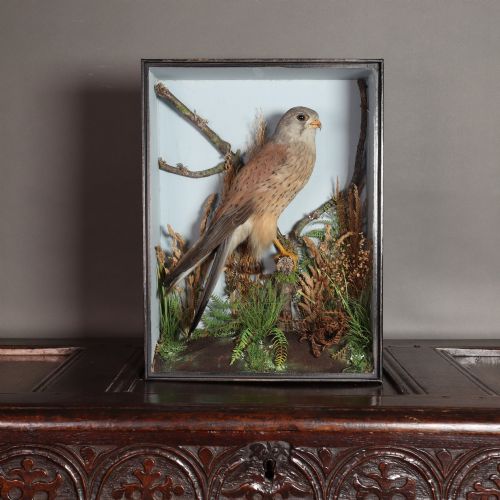
When you search for natural history taxidermy, you encounter preserved specimens, avian dioramas, and mammalian trophies designed to bring interior spaces into direct contact with the natural world. These objects range from single mounted birds and fish to elaborate multi-species compositions housed within glass domes or painted wooden cases.
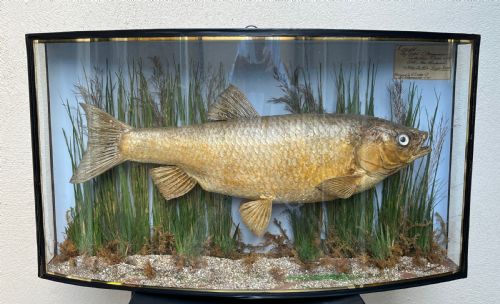
The versions you are most likely to meet on this page hail primarily from the Victorian and Edwardian periods, stretching into the early twentieth century. These include fish preserved in glazed wooden frames, woodland birds arranged in naturalistic snow scenes, and large game trophies mounted on carved oak shields.
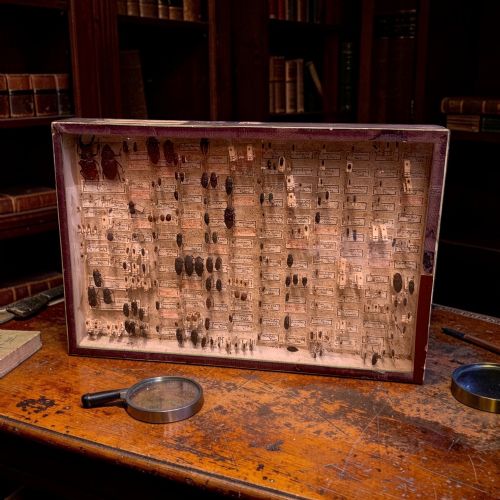
The selection extends to specialised entomology cases, animal skull displays, and furniture such as zebra hide occasional tables. Each specimen reflects the period's intense scientific curiosity and appetite for domestic natural history collections.
Materials and construction
Taxidermy specimens were prepared using preserved skins and feathers mounted over anatomical armatures of bone, wire, and wood. These prepared animals and birds were then arranged within dedicated enclosures utilising paper, painted backgrounds, and natural foliage to simulate living habitats.
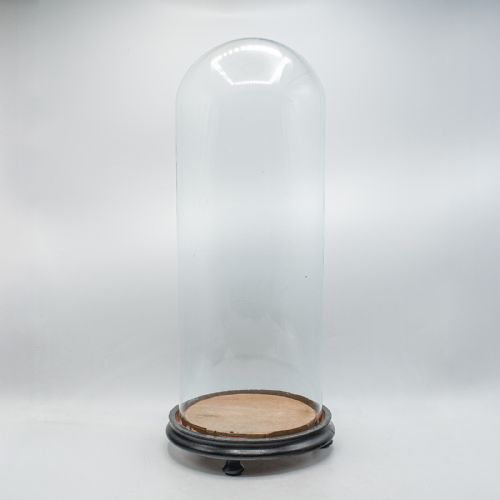
Protection and display relied heavily on blown glass domes and wooden display cases joined with paper and glass. Large mammal trophies utilised oak shields and horn structures, whilst fish specimens were often set into curved glass cases with painted water scenes.
Natural History Taxidermy Retail Price Guide 2026
Typical asking prices for natural history taxidermy among the pieces listed under this phrase on Sellingantiques today, from the lower quarter to the upper quarter. They describe what is for sale here now, not the wider market.
One particularly spirited nineteenth-century offering is a remarkably preserved pet dog immortalised by Hutchings of Aberystwyth.
Assessing quality
Quality in natural history taxidermy rests upon the anatomical accuracy and lifelike posture achieved by the taxidermist. Superior pieces maintain natural feather or fur alignment and believable expressions that avoid rigid or distorted forms.
The integration of the habitat setting separates standard mounts from masterworks. Accomplished practitioners utilised detailed hand-painted backdrops, balanced composition within glass domes or cases, and preserved botanical elements that together create an enduring sense of natural movement.
Little & Co·J Griffiths of Burford·James Gardner·Rowland Ward Ltd·T. E. Gunn·William Bazeley & Sons·John Hancock·Henry Ward London·A Pollard·Hutchings of Aberystwyth·Gerrard & Sons London·James Jones of London
The Natural History Taxidermy Glossary
- Taxidermy Specimen
- A preserved animal, bird, fish, or reptile prepared for display. These specimens form the core of any natural history collection.
- Display Dome
- A blown glass cover placed over a round base to protect fragile specimens from dust and moisture. They are frequently used for delicate birds and butterflies.
- Entomology Case
- A shallow wooden and glass box utilised for housing preserved insects such as butterflies and beetles. Collectors value these for their orderly arrangement and preservation of colour.
- Trophy Mount
- The head, horns, or hide of a game animal prepared to be hung on a wall or placed upon furniture. These often record specific dates and locations of the hunt.
- Diorama
- A three-dimensional scene featuring taxidermy specimens placed within a painted or constructed naturalistic background. They attempt to recreate an entire habitat within a confined case.
Natural History Taxidermy: Frequently Asked Questions
What is natural history taxidermy?
Natural history taxidermy comprises preserved animals, birds, fish, and insects mounted for scientific study and home decoration. These pieces capture nineteenth and early twentieth-century wildlife within protective glass cases and domes.
Created by professional taxidermists, the discipline ranges from small songbirds in snow scenes to large mammalian game trophies. Each piece documents period attitudes toward the natural world and interior display.
How were these cases displayed originally?
Victorian and Edwardian homes utilised these specimens in drawing rooms, studies, and entrance halls as conversation pieces. Glass domes sat upon decorative tables, while larger wall-mounted trophies hung in hunting lodges and domestic hallways.
The display methods aimed to bring the outdoors inside, mimicking living environments through painted backgrounds and natural twigs or grasses. This allowed owners to showcase an appreciation for natural history and sport.
How do I care for antique taxidermy?
Preserving these pieces requires keeping them away from direct sunlight, which fades delicate feathers, fur, and painted backgrounds. Maintaining a stable room temperature prevents the wood and paper components from warping or drying out.
Glass domes and sealed display cases should remain undisturbed to protect the fragile specimens inside from dust and physical damage. Gentle dusting of exterior wood and glass is sufficient for routine maintenance.
How do I identify a Victorian specimen?
Victorian specimens often feature distinct construction markers such as blown glass domes, hand-painted paper backdrops, and traditional taxidermy techniques that prioritize naturalistic posing. Many pieces include period paper labels or inscriptions from known taxidermists on the reverse or base.
The materials themselves, including old pine framing, antique sheet glass, and specific historical preservation agents, point directly to nineteenth-century workshop practices. Comparing the style of the case and mounting to documented makers helps confirm the era.