

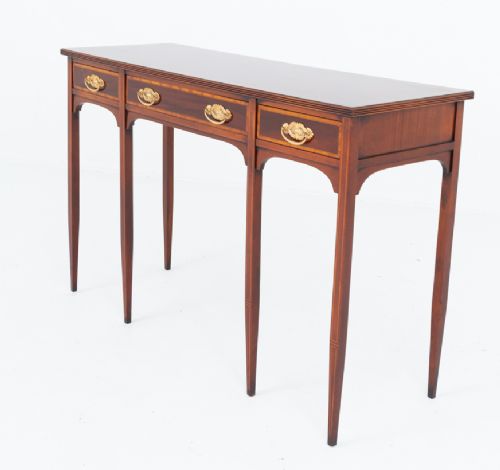
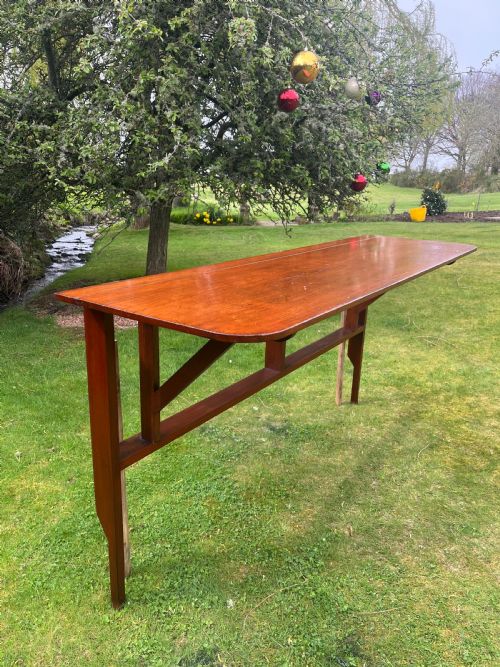


Narrow Hallway Console Table
A narrow hallway console table solves the perennial problem of furnishing a tight entryway with utility and architectural presence.
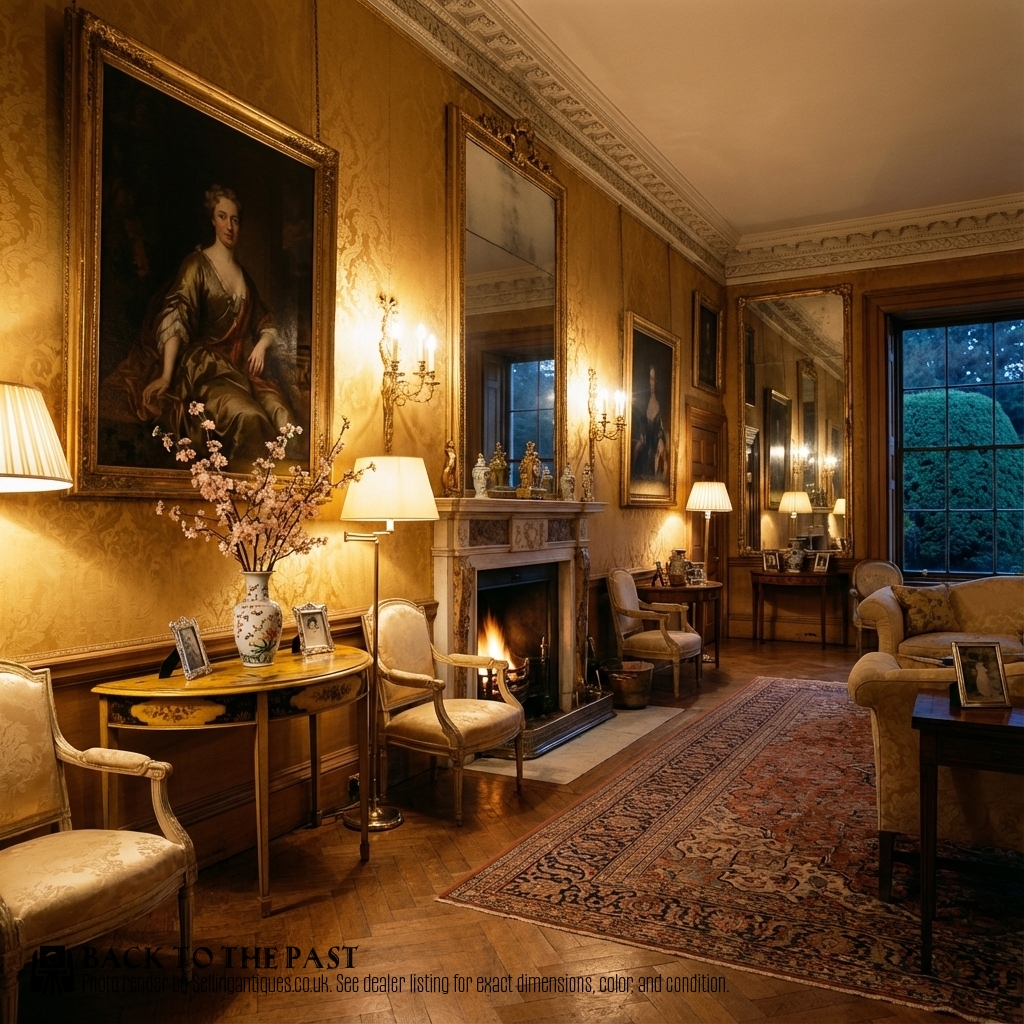
What they are
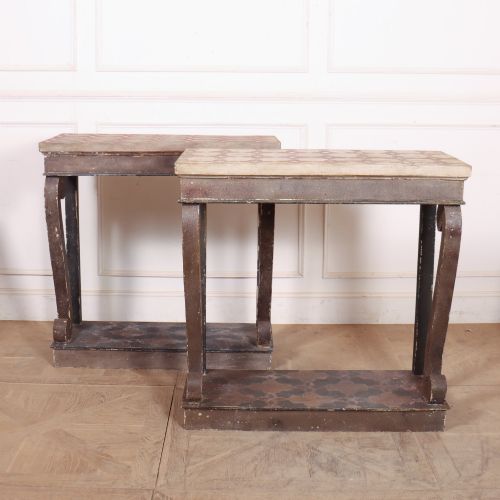
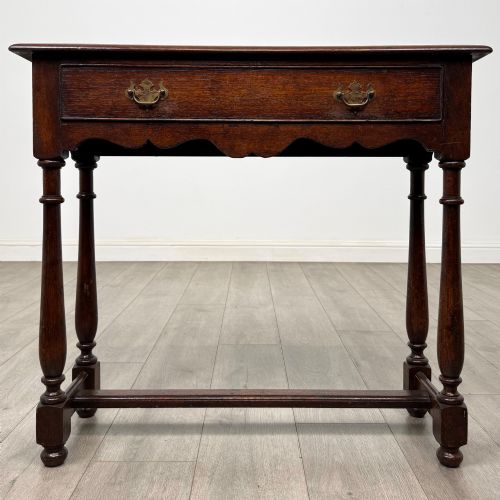
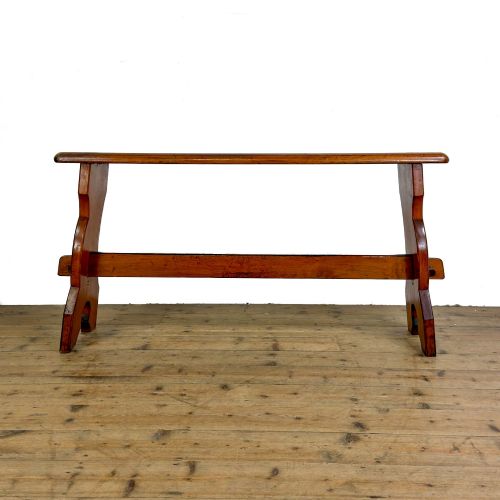
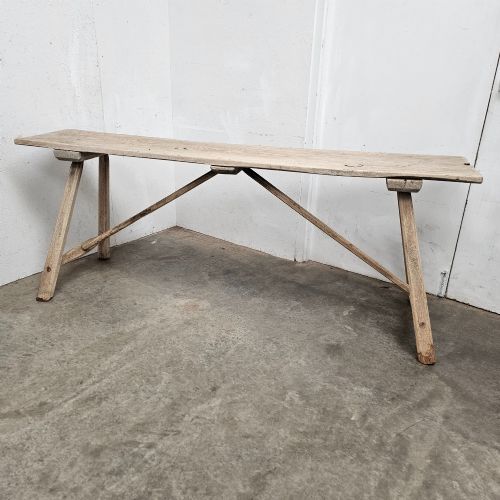
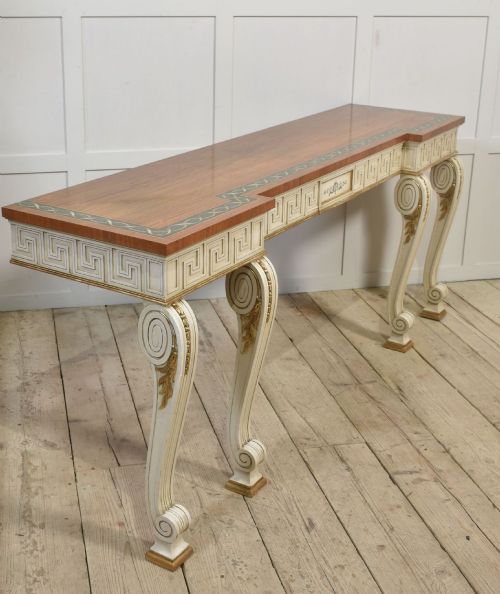
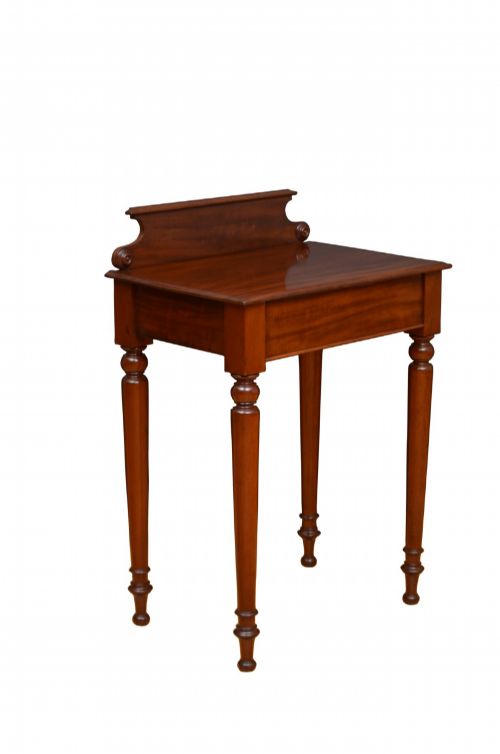
A narrow hallway console table is a slim surface designed to sit flat against a wall in restricted spaces such as corridors and passagrees. The pieces on this page span from 1860 through the Edwardian era and 1920, taking the form of console tables and side tables.
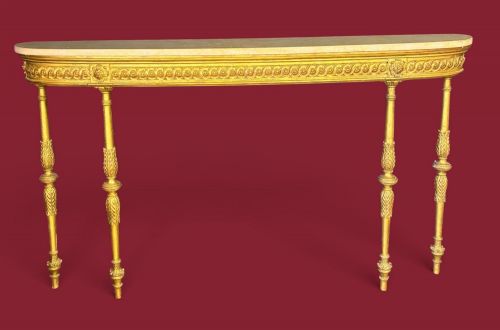
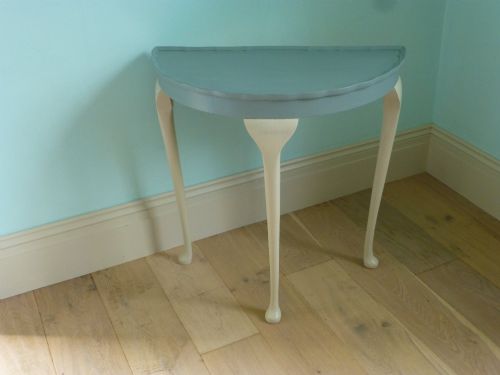
The selection includes diverse design vocabularies ranging from English country pine and Victorian classical revival to Spanish colonial painted pieces and Neoclassical Adam style models. Buyers frequently encounter demi-lune shapes alongside rectilinear forms intended to occupy minimal floor space.
Materials represented in these hallway tables include oak, mahogany, pine, and painted wood, occasionally paired with marble tops or brass accents. Some examples display decorative paint and lacquer finishes, including chinoiserie treatments.
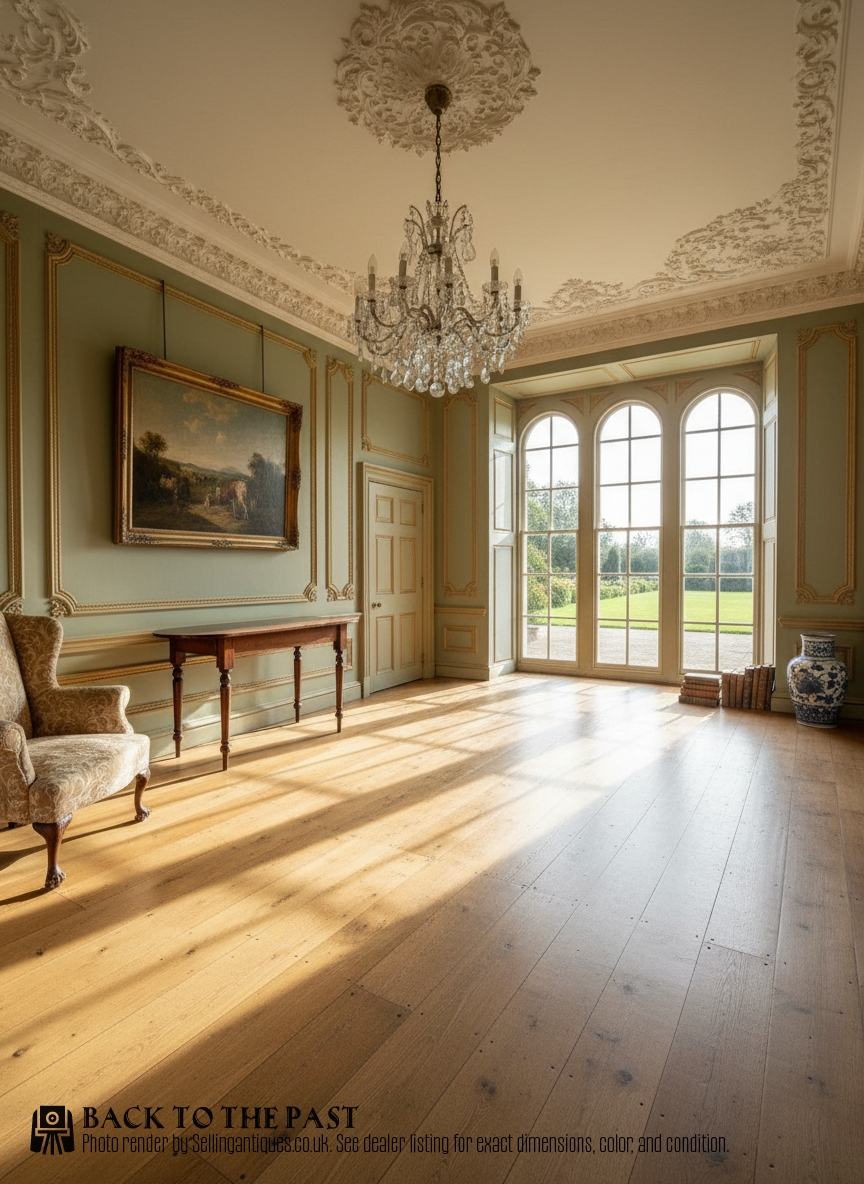
How they were made
Cabinetmakers utilised traditional timber construction, building frames in solid oak, mahogany, and pine to withstand daily corridor traffic. Surface treatments range from clear finishes that highlight the natural grain of oak and mahogany to applied paint and lacquer.
Decorative detailing on these pieces involves carved elements such as Corinthian capitals or Neoclassical motifs, alongside applied brass hardware. Marble tops are fitted directly into wooden frames to provide a durable, wipeable surface for hallway use.
Retail Price Guide 2026
Typical UK retail prices for narrow hallway console table, calculated from the Sellingantiques database of over a million retail prices indexed since 2003. This retail price guide relies exclusively on Sellingantiques data; no external sources or auction records are used, so the figures do not describe the wider market.
The listings on this site span four decades of the nineteenth century alongside Edwardian and 1920 pieces.
What varies in quality
Quality in these tables is defined by the ambition of the design and the integrity of the materials, separating standard utility pieces from architectural examples like Adam style or Corinthian console tables. The presence of integrated marble slabs and specialised finishes such as chinoiserie lacquer distinguishes higher-tier commissions from straightforward pine or painted wood items.
The execution of decorative carving and the stability of joint work dictate the enduring character of each piece. Finer examples retain their original surface treatments, whether aged paint or polished timber, preserving the visual intent of the period.
The Narrow Hallway Console Table Glossary
- Console table
- A table designed to be fixed against a wall, often supported by brackets or legs at the front. These pieces serve narrow spaces where standard depth furniture obstructs movement.
- Demi-lune
- Half-moon shape in furniture design, describing tables with a curved front and a flat back edge. This silhouette is particularly useful for narrow hallways.
- Corinthian
- An architectural order characterised by ornate capitals decorated with acanthus leaves. Tables bearing this style incorporate classical column motifs into their legs or supports.
- Chinoiserie
- European imitation of traditional Chinese artistic styles, typically featuring painted or lacquered decoration on wood. It appears on decorative furniture pieces designed to catch the eye.
Frequently Asked Questions
How do I choose the right depth?
Measure the clearance space between the wall and any opposing obstacles, ensuring at least ninety centimetres of walkable walkway remains unobstructed.
Selecting a demi-lune or exceptionally slim console prevents the entryway from feeling cramped while still offering a surface for post and keys.
Where should I place a console table?
These tables belong in entryways, corridors, and narrow landings where floor space is at a premium and a functional surface is required.
Positioning one beneath a hallway mirror creates a classic focal point upon entering the home.
How do I care for a marble top?
Marble surfaces require regular wiping with a damp cloth and mild soap to prevent staining from moisture and everyday items left in the hallway.
Avoid placing acidic liquids directly on the stone to protect the polished finish over time.
Can these tables support heavy items?
Solid timber construction in oak and mahogany provides robust structural support for daily hallway items like lamps and ceramic bowls.
Tables featuring integrated marble slabs offer additional weight and stability for demanding placement.