


Napoleon III Box
These napoleon iii box examples bring ornate French Second Empire luxury to desks and dressing tables.
Napoleon III Box
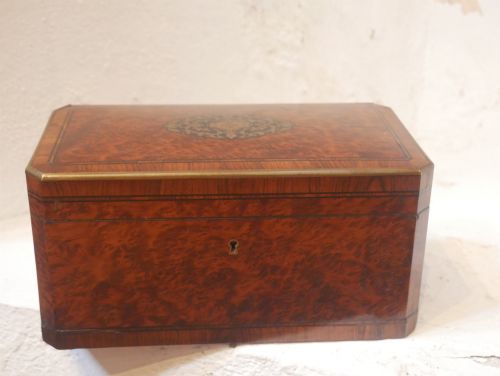
A napoleon iii box encompasses decorative receptacles designed during the mid to late nineteenth century under French Second Empire influence. Buyers searching for a napoleon iii box encounter trinket containers, jewellery caskets, tea caddies, and liquor cellars.
The objects stem predominantly from French workshops operating through the Victorian era, showcasing opulent domestic presentation. Surviving items combine functional storage compartments with ornamental display capabilities suited for parlour rooms.
Assessing craftsmanship
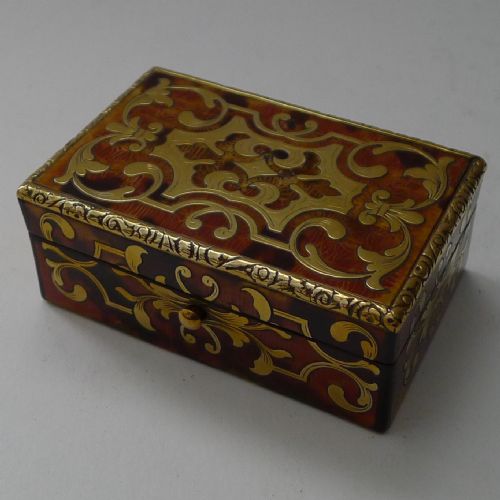
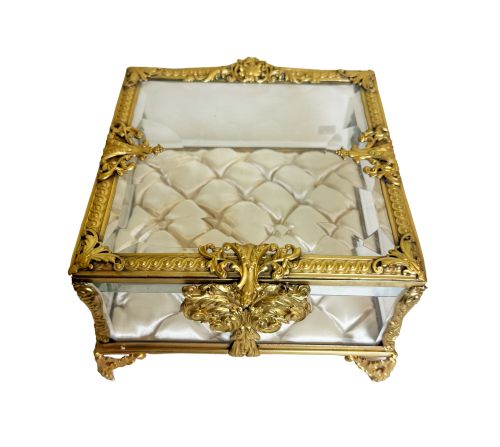
Excellence resides in the precision of the brass inlay work and the crispness of the cast ormolu mounts. Finer pieces demonstrate seamless integration between timber bodies and applied metalwork without gaps or misalignments.
The choice of core material and decorative insert dictates the tier of the piece. Standard wood finishes sit below elaborately marked tortoiseshell, Baccarat crystal bodies, and signed enamel insets.
Certain liquor caskets arrived with tiny keys so securely locked that nineteenth-century guests needed divine intervention for a refill.
Tahan Paris·P Sormani
The Napoleon III Box Glossary
- Boulle
- An intricate form of marquetry using brass and tortoiseshell inlaid into wood, named after cabinetmaker André-Charles Boulle.
- Ormolu
- Gilded bronze applied as decorative mounts, feet, and hinges on nineteenth-century furniture and caskets.
- Tantalus
- A locked wooden box or frame holding decanters that displays the contents while preventing unauthorised access to the liquor.
- Jardiniere
- A decorative container or stand intended for holding plants or flowers within a room.
- Thuya
- A fragrant softwood with a distinctive speckled grain pattern utilised for luxury French decorative boxes.
Napoleon III Box: Frequently Asked Questions
What is a napoleon iii box used for?
These boxes served multiple domestic functions in nineteenth-century parlours and boudoirs. Common variants held jewellery, gloves, sewing accessories, tea leaves, or glass decanters.
Owners kept them on tables and desks to display wealth and refined taste to visitors. Today, collectors utilise them in the exact same manner for safekeeping small valuables.
How do I identify a napoleon iii box?
Look for heavy ormolu mounts, rich exotic woods, and ornate brass inlay work characteristic of the French Second Empire. Many pieces feature hinged glass lids or curved crystal bodies held together by cast bronze frames.
Period markers include nineteenth-century construction methods, French stylistic influences, and occasionally maker signatures on mounts or enamel panels.
What woods were used for a napoleon iii box?
Makers utilised a variety of dense exotic and domestic timbers for the carcass and surface veneers. Common selections include amboyna, kingwood, tulipwood, thuya, ebonised wood, and fruitwood.
Tortoiseshell was frequently combined with brass inlay to create high-contrast decorative panels across the exterior surfaces.
Are these boxes English or French?
The vast majority originate from French workshops adhering to Second Empire and Louis Revival aesthetics. Some examples were produced in England influenced directly by French design principles.
Materials such as Baccarat crystal and distinct Parisian maker signatures confirm the continental origins of many surviving pieces.