


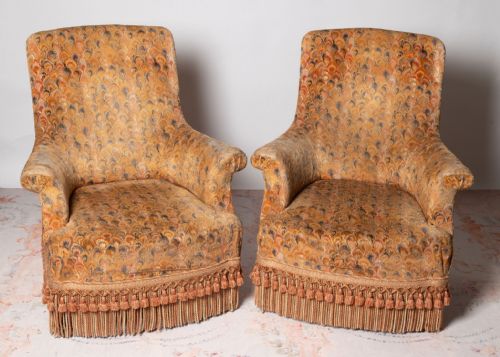


Napoleon III Bedroom Chair
A napoleon iii bedroom chair brings French nineteenth-century elegance into a modern room through compact proportions and decorative woodwork.
Napoleon III Bedroom Chair
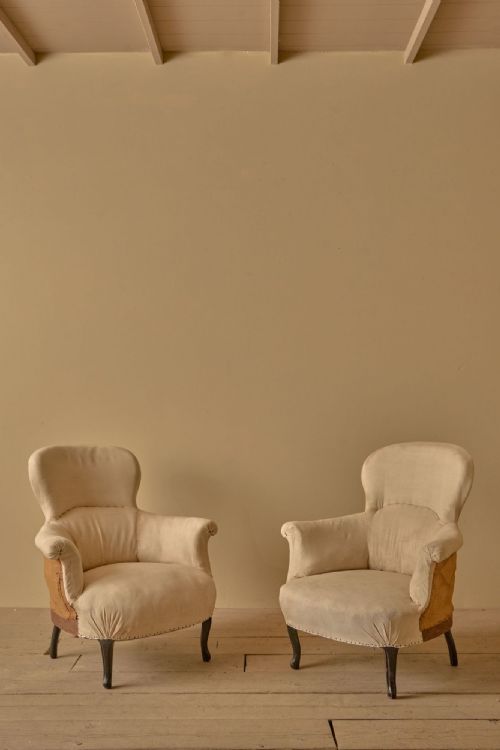
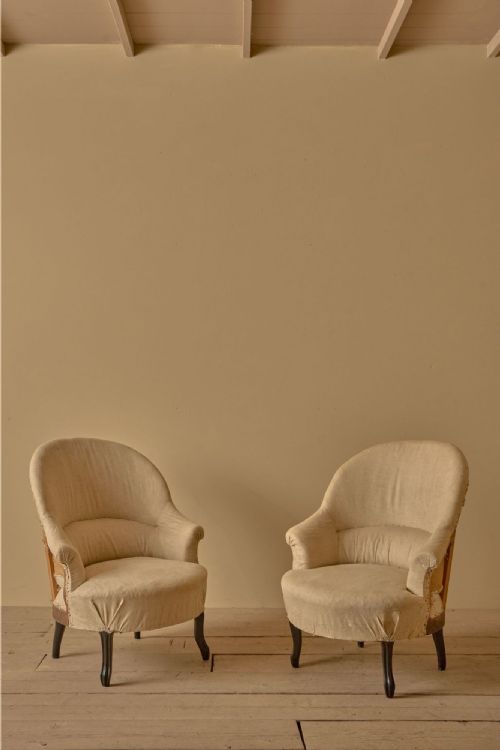
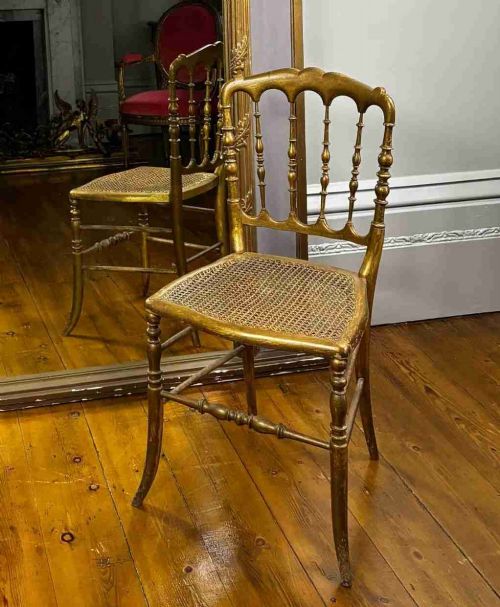
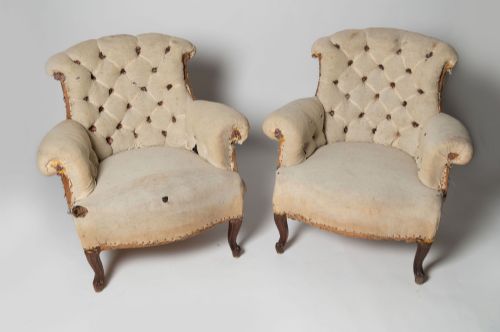
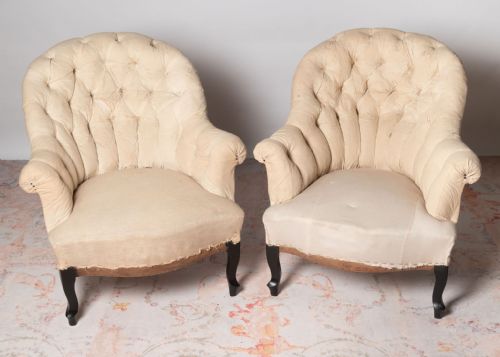
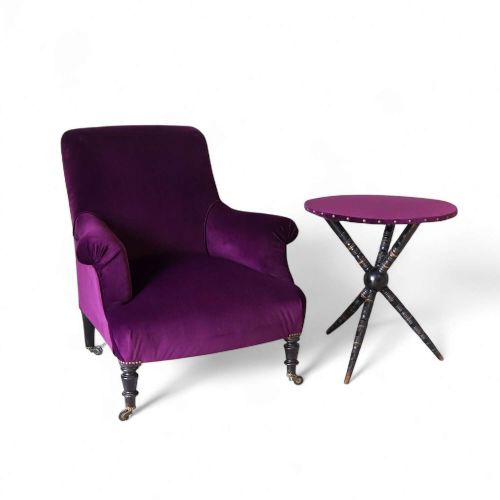
A napoleon iii bedroom chair encompasses various seating forms designed for French nineteenth-century interiors, ranging from buttoned armchairs to slipper chairs. The selections on this page concentrate heavily on nineteenth-century French examples, including tub chairs, side chairs, and occasional seating.
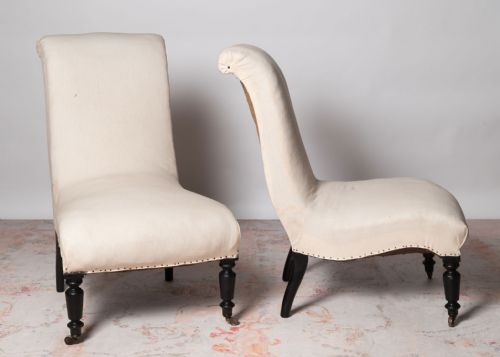
Buyers frequently encounter pairs alongside single chairs intended for bedrooms or intimate salons. Many examples arrive ready for upholstery or recovering in fabrics like calico, hessian, and velvet.
Materials and construction
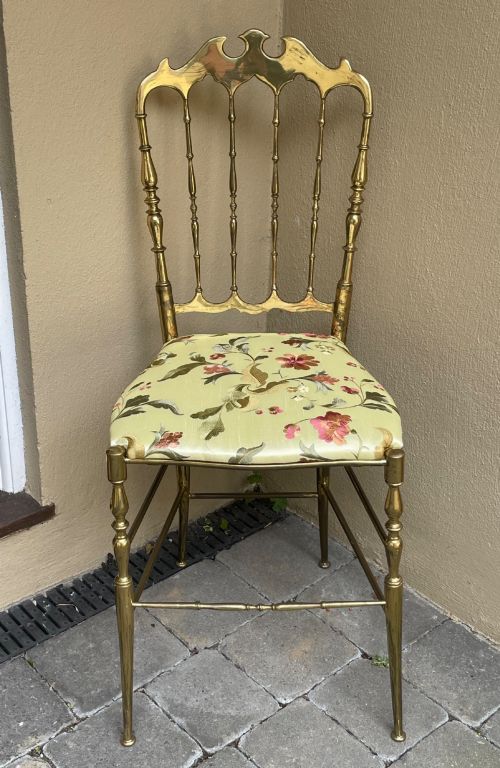
Frames rely on timbers such as beech and walnut, alongside gilded wood and polished brass. Some pieces utilise simulated or faux bamboo turning to achieve distinct nineteenth-century aesthetics.
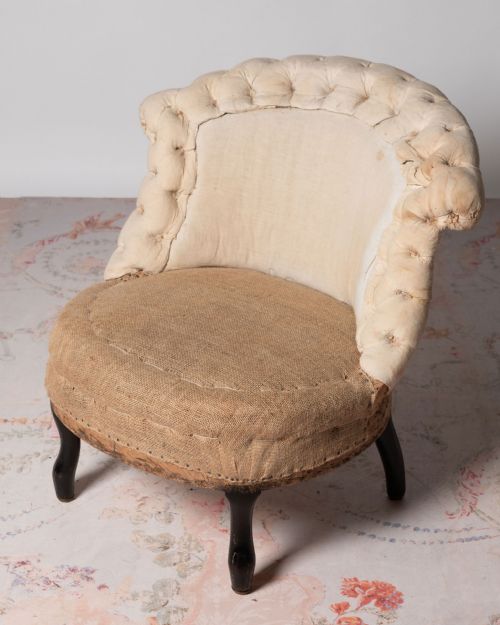
Upholstered variants incorporate foundation materials like hessian and calico to support sprung or stuffed seats and backs. Giltwood salon chairs showcase carved ornamentation finished with gold leaf.
Napoleon III Bedroom Chair Retail Price Guide 2026
Typical asking prices for napoleon iii bedroom chair among the pieces listed under this phrase on Sellingantiques today, from the lower quarter to the upper quarter. They describe what is for sale here now, not the wider market.
Listings feature nineteenth-century French pieces utilising beech, walnut, giltwood, brass, and fabrics including calico, hessian, and velvet.
Judging quality in nineteenth-century seating
The distinction between ordinary and exceptional pieces rests in the crispness of the timber framing and the integrity of the underlying joinery. Rigidity in the frame structure indicates sound period construction.
Surface finish also dictates grade, whether dealing with original giltwood detailing or polished metal components. Well-preserved carving on wood and bamboo-turned elements elevates a chair above basic utilitarian production.
The Napoleon III Bedroom Chair Glossary
- Giltwood
- Wood that has been coated with gold leaf or a metallic gilding preparation. This finish appears frequently on formal nineteenth-century salon chairs.
- Slipper chair
- A low-seated upholstered chair originally designed for bedrooms to assist with dressing. These pieces typically feature compact proportions and no arms.
- Tub chair
- An armchair characterised by a continuous curved back and arms forming a rounded enclosure. Nineteenth-century examples often appear upholstered in plain hessian or decorative velvet.
- Faux bamboo
- Wood turned and carved to imitate natural bamboo stalks. This decorative technique became popular during the nineteenth century for side and salon chairs.
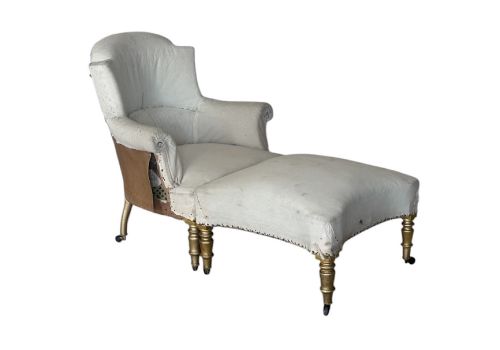
- Duchess brisee
- A two-piece chaise longue comprising an armchair and a matching stool or footstool combined to form a daybed. The evidence records examples from the late nineteenth century.
Napoleon III Bedroom Chair: Frequently Asked Questions
What is a Napoleon III chair?
A Napoleon III chair dates from the French Second Empire period during the mid to late nineteenth century. These pieces reflect eclectic historicism and decorative flair suited to opulent domestic interiors.
They combine comfortable padding with visible timber frames, often finished in giltwood or dark woods.
How were these chairs used originally?
These seats served primarily in bedrooms, boudoirs, and intimate sitting rooms for receiving guests or dressing. Slipper chairs provided low seating ideal for private chambers.
Armchairs and tub chairs offered comfortable spots in salons for conversation and leisure.
Can I reupholster a Napoleon III chair?
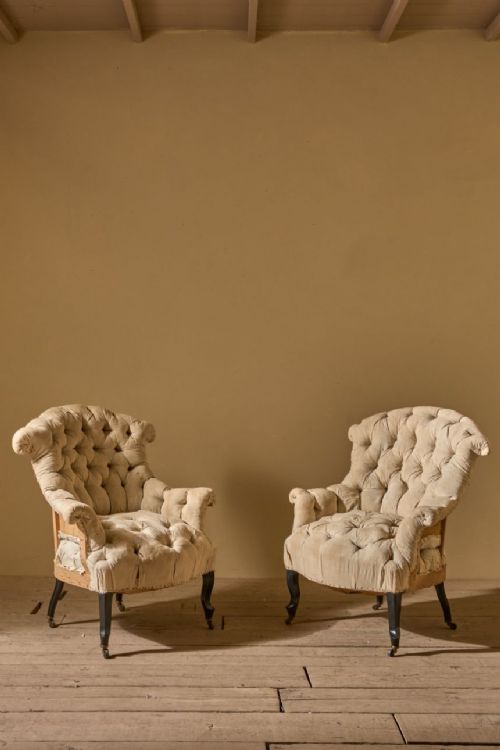
Many period chairs appear on the market stripped to their hessian and calico foundations specifically for custom recovering. This allows buyers to apply modern designer fabrics to antique frames.
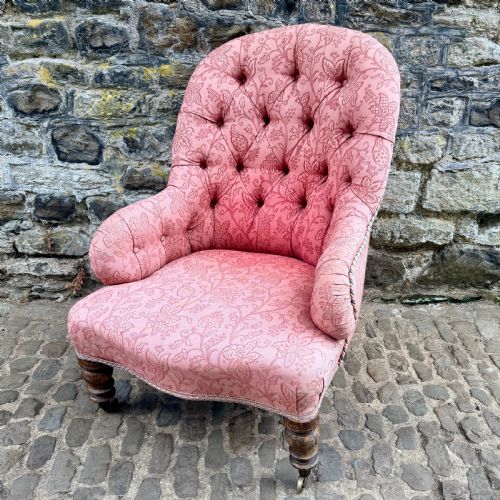
Upholstered variants with intact velvet or buttoning can also be used immediately depending on condition.
How do I identify a Second Empire chair?
Identification relies on nineteenth-century French stylistic markers, such as buttoned upholstery, scroll backs, and turned wooden framing. Beech, walnut, and giltwood are common structural materials from the era.
Form factors like faux bamboo turnings and fishtail profiles further point toward nineteenth-century French workshops.