




Naive Wooden Carving
These pieces sold as naive wooden carving are honest works of hand and heart, offering a direct connection to the makers of the past.
Naive Wooden Carving
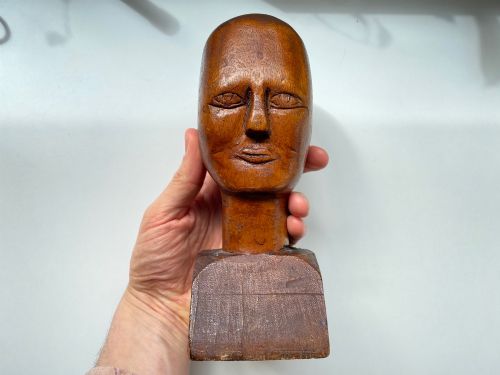
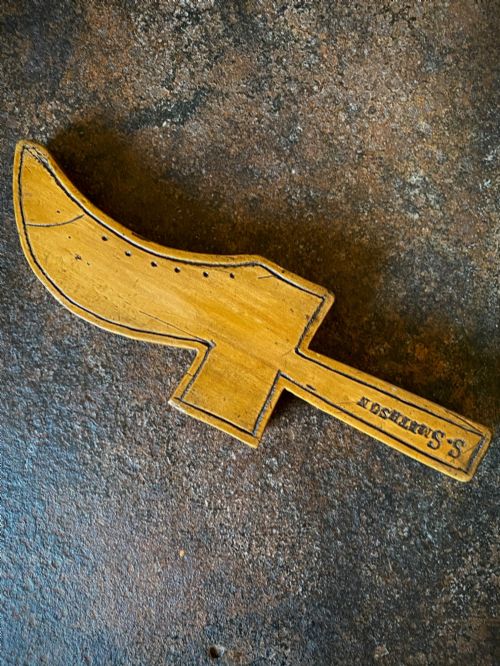
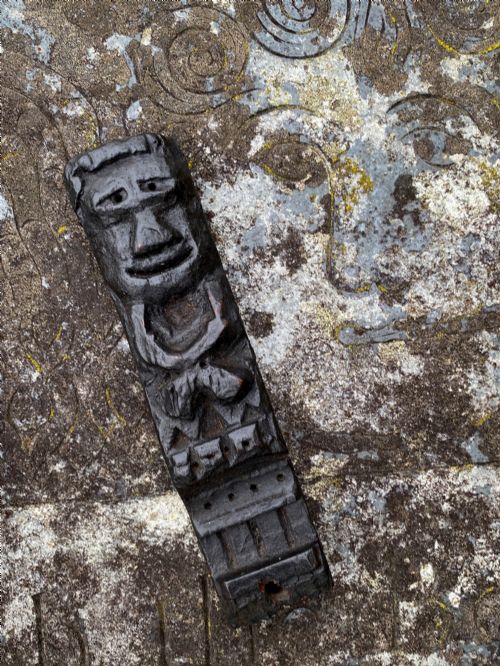
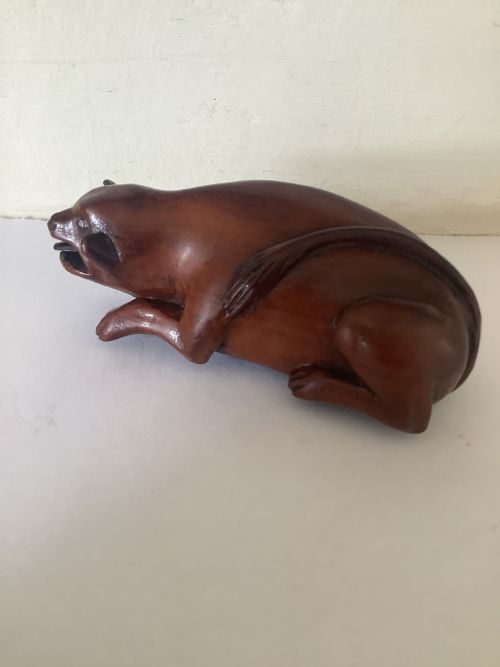
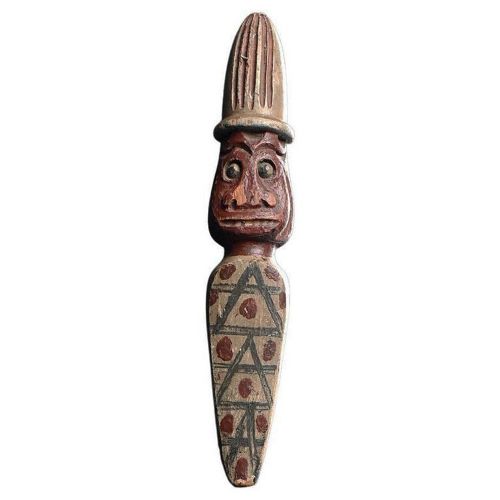
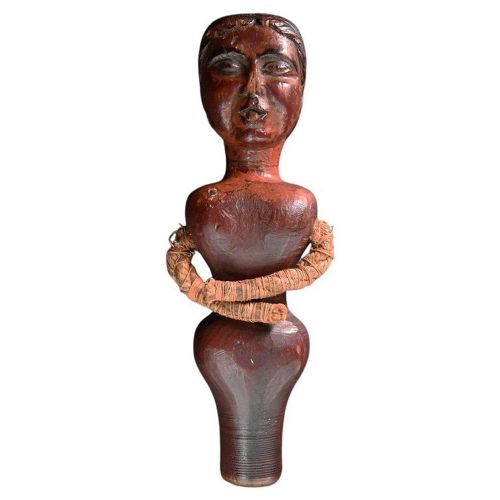
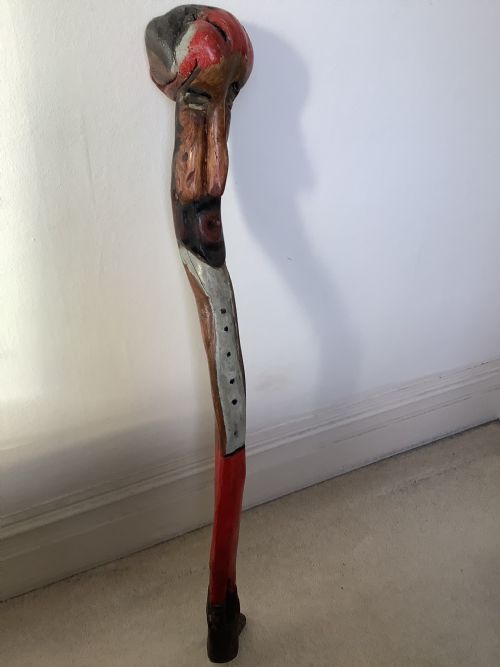
When you search for naive wooden carving, you are looking at items shaped by hands free from the strict rules of academic training. The examples here span from the eighteenth century to the early twentieth century, showing a remarkable variety of forms.
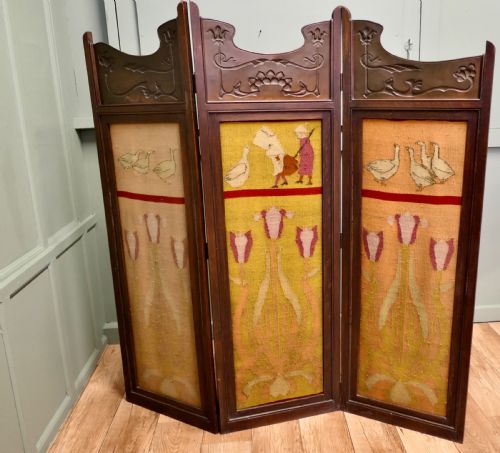
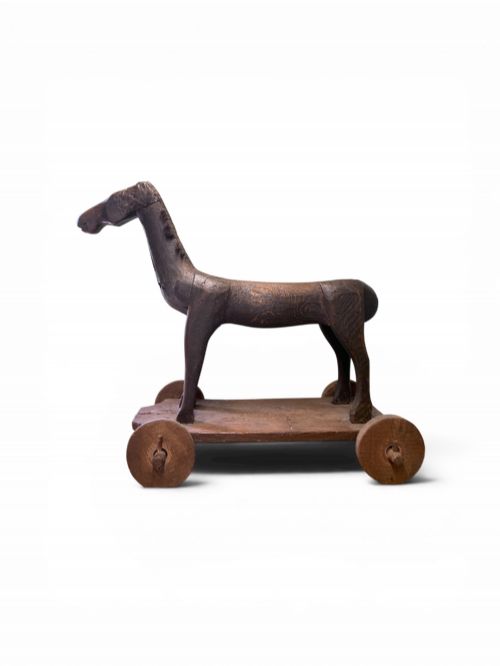
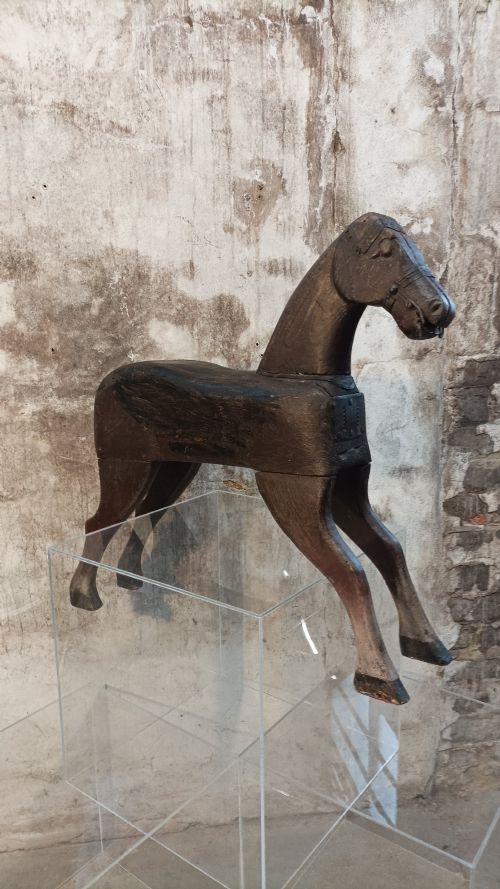
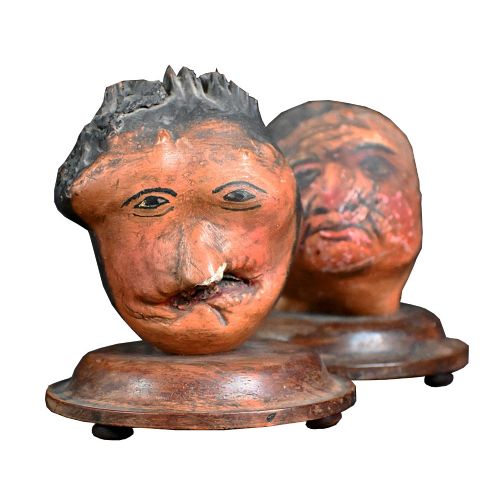
You will most commonly meet animal sculptures and figures on this page, including horses, human characters, and maritime subjects. These objects range from small snuff boxes and bedpost figures to larger dioramas and folding screens.
The aesthetic embraces plain materials and unpretentious execution, often tied to folk art traditions from Britain, Spain, and America. Each item carries the distinct character of its maker, untouched by mass production.
How they were made
The makers relied on simple timber, oak, hardwood, and thorn wood, working with basic hand tools to shape each form. Carving was direct and unhurried, leaving the natural grain and tool marks visible on the surface.
Many of these pieces received layers of paint or polychrome finishes, adding colour and detail that survived the decades. Additional materials such as copper and wool appear in specific works like screens, combining textiles and metal with carved timber.
Naive Wooden Carving Retail Price Guide 2026
Typical asking prices for naive wooden carving among the pieces listed under this phrase on Sellingantiques today, from the lower quarter to the upper quarter. They describe what is for sale here now, not the wider market.
Somewhere out there, a nineteenth-century maker spent hours carefully carving a bedpost figure that would watch over generations of sleepers.
What varies in quality
Quality in these works rests upon the strength of the form and the clarity of the maker's vision. A piece succeeds when the carving holds a strong presence, regardless of whether the anatomy is correct or the proportions are exact.
The survival of original surface paint and untouched timber patination elevates an object. Pieces that retain their honest wear and early character stand apart from those with later interventions.
The Naive Wooden Carving Glossary
- Folk art
- Items produced by self-taught makers within a traditional community context. These works prioritise utility or personal expression over academic convention.
- Polychromed
- Decorated or painted in several colours. This finish was often applied to wooden sculptures to bring figures and animals to life.
- Diorama
- A three-dimensional scene housed within a shallow box or frame. In wooden folk art, these often depict maritime subjects using carved and painted elements.
- Whirligig
- A wind-driven mechanical toy or figure with moving parts. American folk art examples use the breeze to animate carved characters.
- Patina
- The surface sheen and colour developed by wood through handling, age, and exposure to light over many years.
Naive Wooden Carving: Frequently Asked Questions
What is naive wooden carving?
Naive wooden carving encompasses objects made by untrained or traditional craftspeople, focusing on direct expression rather than formal rules. These pieces include animal figures, human characters, and decorative boxes.
They reflect local traditions and personal resourcefulness, using whatever timber was close to hand. The results are honest, charming artefacts shaped by everyday life.
How do I live with folk art?
Living with these carvings requires simple placement where their texture and age can be appreciated close up. They suit both traditional rooms and modern spaces, adding warmth and personality.
Keep them away from direct sunlight and sudden temperature changes to protect the old wood and original paint surfaces. Gentle dusting with a dry cloth is all the maintenance they need.
How do I date a wooden carving?
Dating relies on examining the tool marks, the type of wood, and the wear on the surface. Earlier pieces often show distinct hand-tool signatures rather than modern machine shaping.
Paint analysis and style clues, such as clothing on figures or construction methods, help narrow down the period. Comparing pieces to dated examples in the same tradition provides a reliable guide.