



Decorative Folk Art Statue
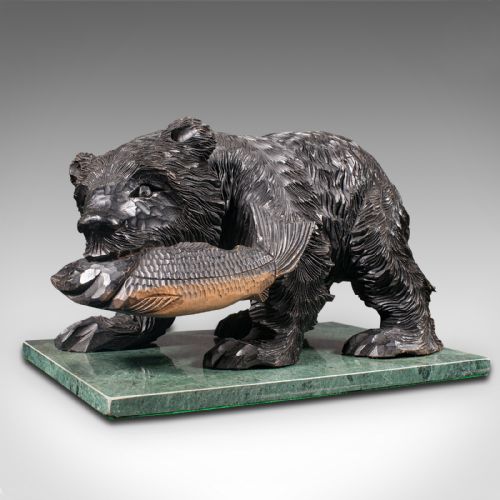
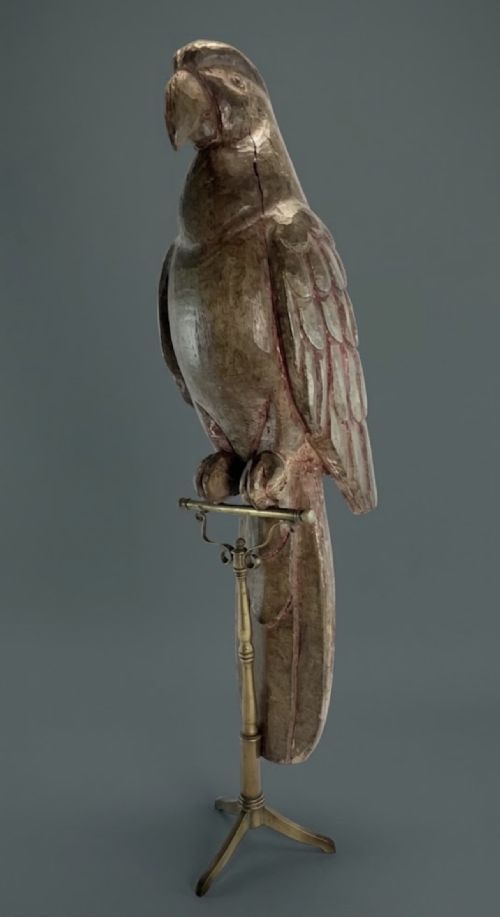
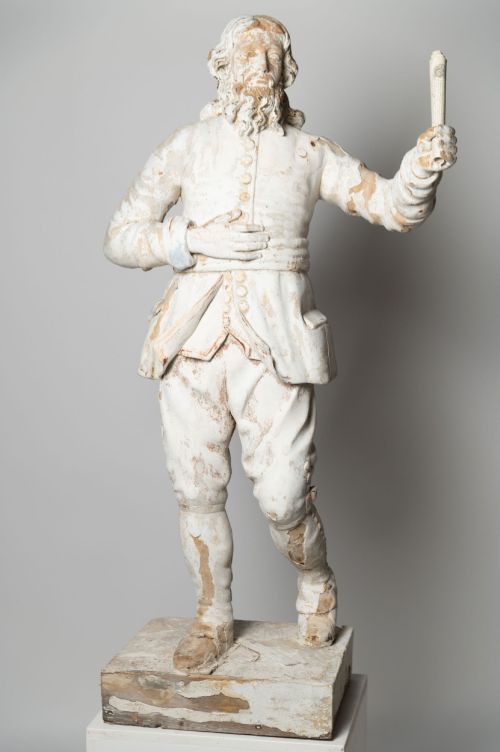
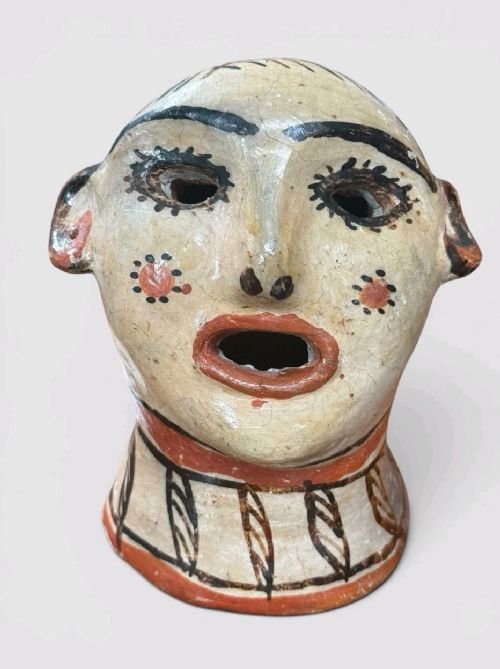
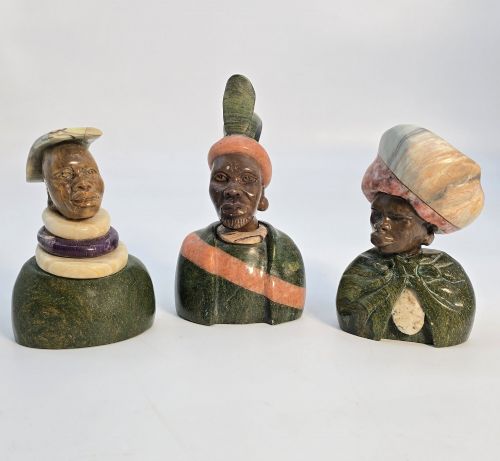
These decorative folk art statue pieces bring distinct handmade character to a room, ranging from carved animals to regional portrait busts.
Decorative Folk Art Statue
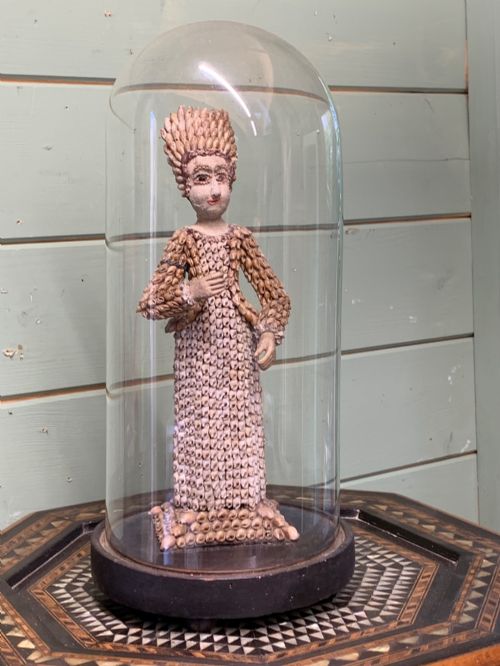
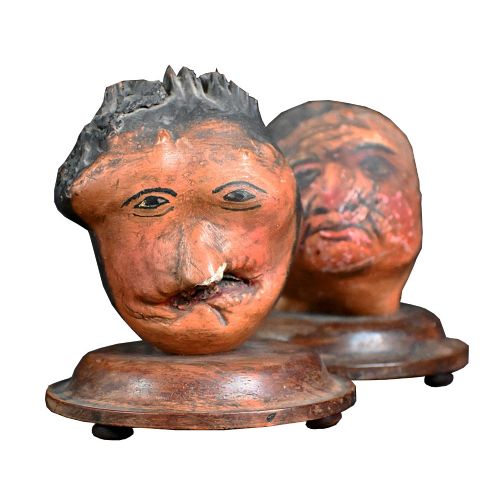
The pieces on this page encompass various styles, such as Victorian folk art, Peruvian clay pottery, Spanish terracotta, and Indian animal carvings. They serve as sculptural focal points rather than mass-produced ornaments.
How they were made
Makers shaped these items using traditional methods, utilising carved wood, timber, and terracotta. Many surfaces retain their original paint or pigment, adding texture and depth to the form.
Some sculptures incorporate mixed media, combining carved wooden bodies with brass stands or shell details. Natural clay and stone also appear, fashioned by hand into distinct regional figures.
Decorative Folk Art Statue Retail Price Guide 2026
Typical asking prices for decorative folk art statue among the pieces listed under this phrase on Sellingantiques today, from the lower quarter to the upper quarter. They describe what is for sale here now, not the wider market.
A life-size carved Indian goat shares space with a novelty dinner gong and a French seashell figure.
What varies in quality
Original surface treatment and untouched painted details elevate a piece significantly. The integrity of the material, whether aged pine, terracotta, or stone, dictates the lasting presence of the sculpture.
The Decorative Folk Art Statue Glossary
- Folk art
- Items created by self-taught or traditional craftsmen, often outside academic artistic traditions. These works prioritize utility or expressive character over strict realism.
- Terracotta
- Fired clay used extensively for sculptural figures and planters. This porous earthenware often gains a rich patina over decades.
- Figural planter
- A vessel for plants shaped in the form of a human or animal figure. These functional objects combine utility with decorative sculpture.
- Papier mache
- A composite material consisting of paper pieces or pulp bound with an adhesive. It was moulded into solid decorative forms like animal figures.
Decorative Folk Art Statue: Frequently Asked Questions
How do I care for wooden folk art?
Keep wooden and painted sculptures away from direct sunlight and rapid temperature changes. This prevents the timber from splitting and protects the pigment.
Dust gently with a dry, soft cloth rather than using liquid cleaning products.
Are these pieces signed by makers?
Most folk art statues remain unsigned because they originated outside formal artistic academies. Artisans focused on communal utility or decorative expression rather than personal branding.
Attribution relies on style, material, and regional characteristics.
How are different periods identified?
Periods are determined through material analysis, tool marks left by carving implements, and the nature of any applied paint. Nineteenth-century pieces often show distinct hand-tool signatures compared to later twentieth-century examples.
Wear patterns and surface oxidation also provide clues to age.