

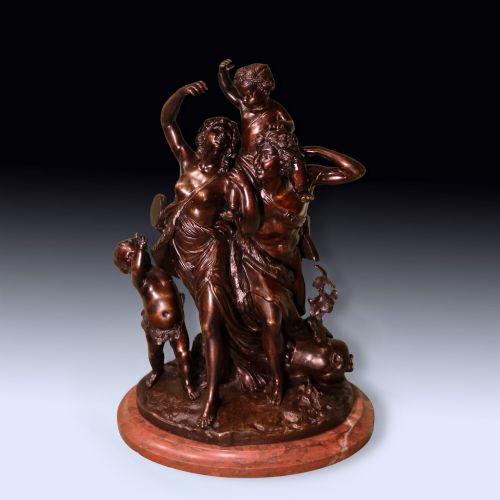
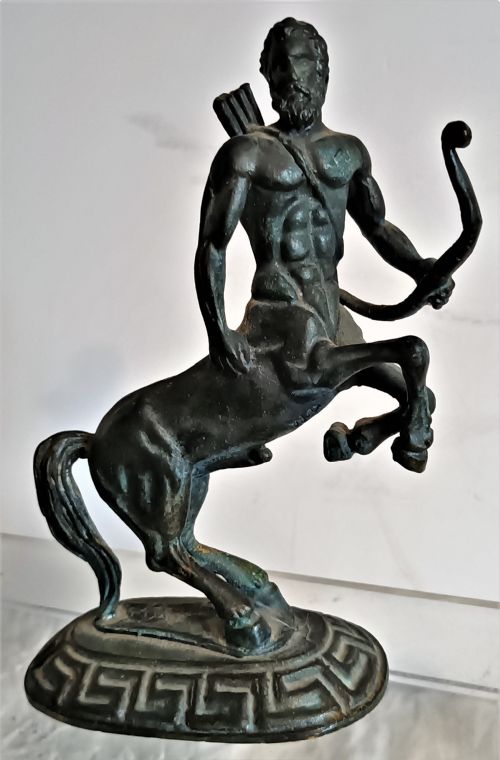

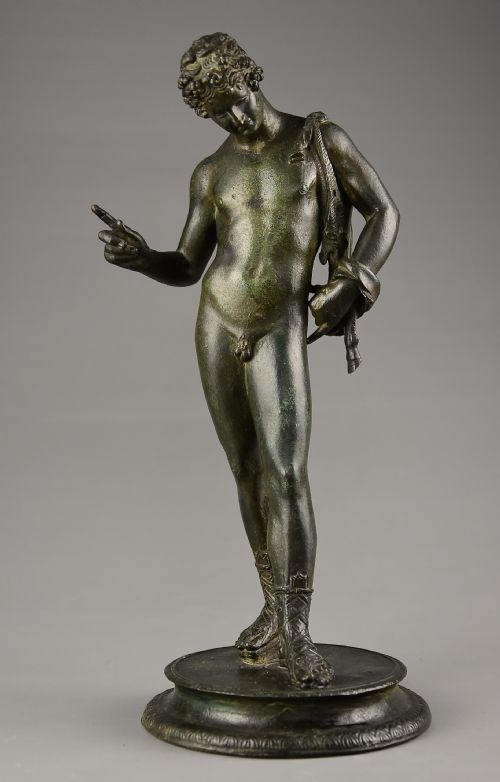
Mythological Bronze Statue
A mythological bronze statue brings classical antiquity directly into a room, offering classical figures and deities cast with enduring substance.

Mythological Bronze Statue
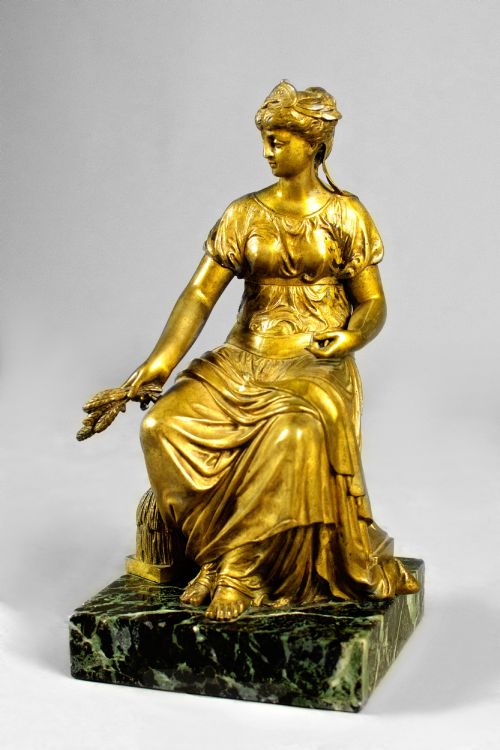
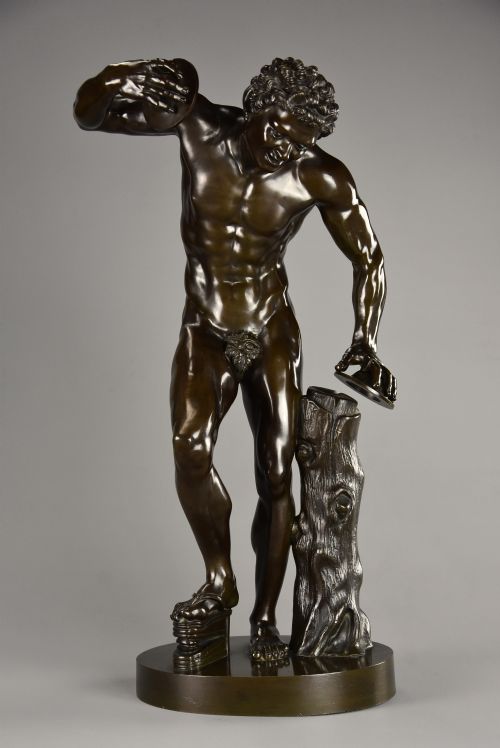
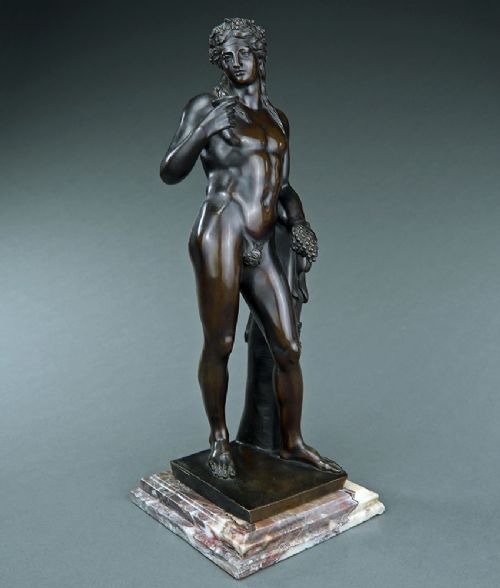
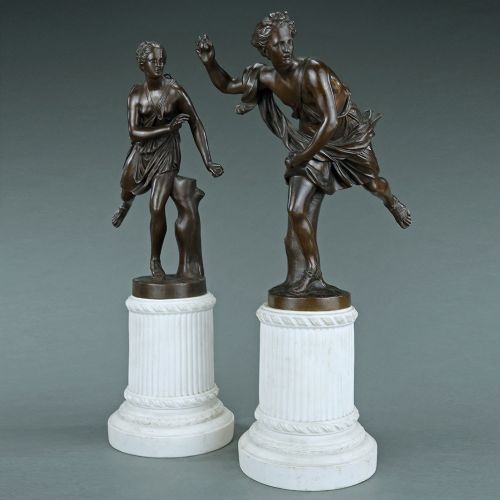
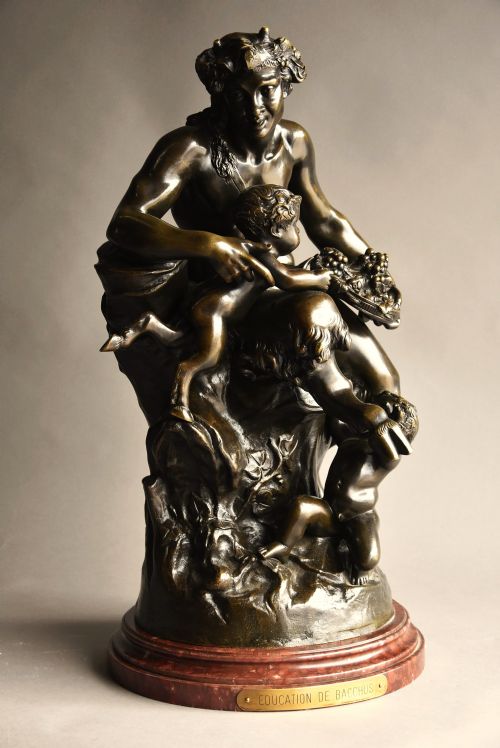
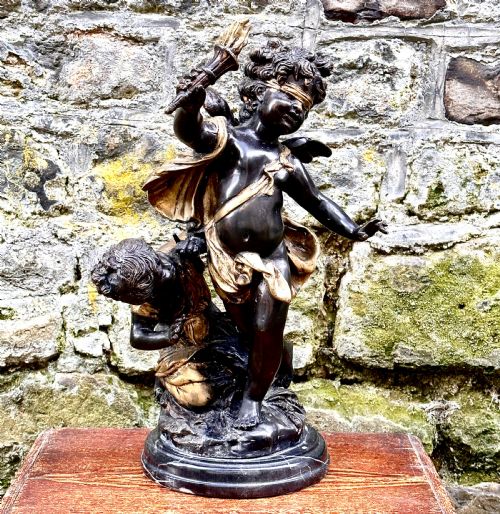
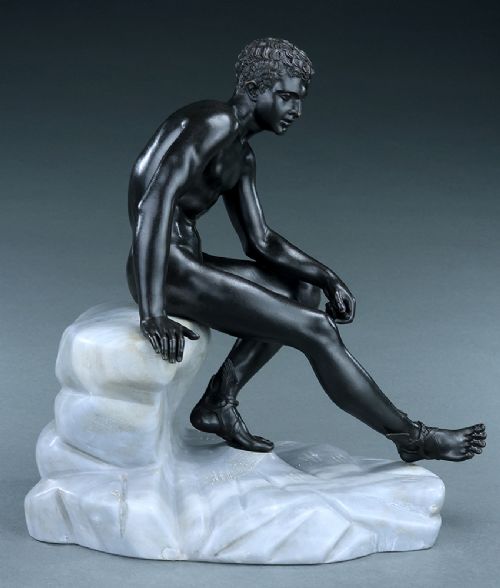
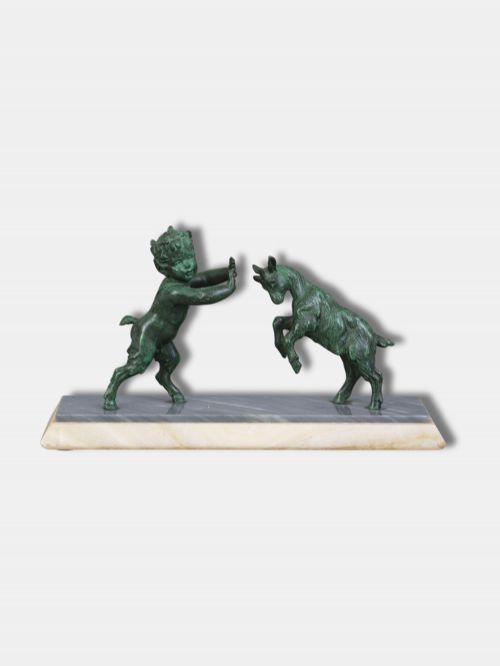
A mythological bronze statue represents figures, gods, and narratives from classical mythology, frequently taking the form of figures such as fauns, satyrs, Mercury, and Narcissus. These sculptures appear widely across nineteenth-century productions, ranging from Italian Grand Tour souvenirs to French foundry castings influenced by Renaissance models.
Buyers encountering this search phrase find pieces spanning the nineteenth century and the early twentieth century, encompassing Grand Tour souvenirs, classical revivals, and Art Deco interpretations. Common subjects include mythological beings, deities, and groups depicting ancient narratives mounted upon stone supports.
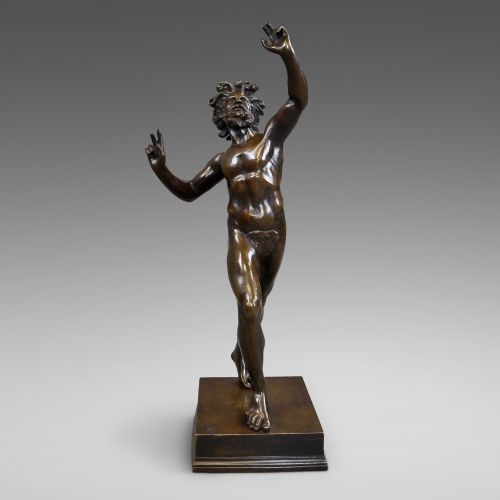
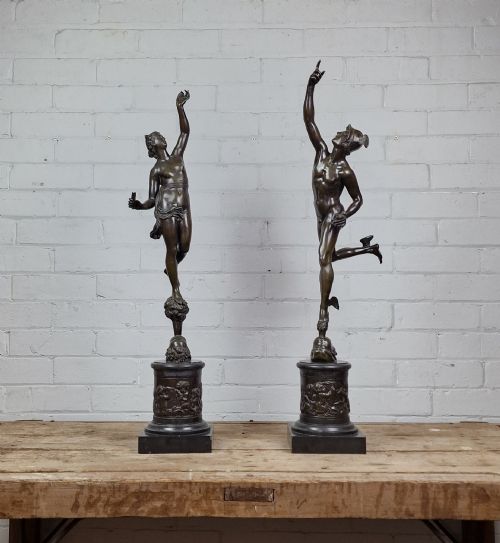
The most typical pieces met on this page are nineteenth-century bronze casts of classical subjects like the Dancing Faun of Pompeii or figures after Giambologna. They combine classical motifs with the metalworking techniques of nineteenth-century European founders.
How they were made
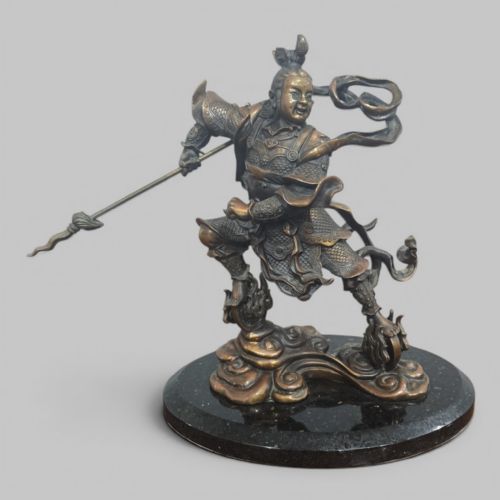
These works were produced using bronze casting techniques, often finished with patination to create dark brown, green, or polished metallic surfaces. Founders utilised methods suited to capturing fine detail in the figures and drapery.
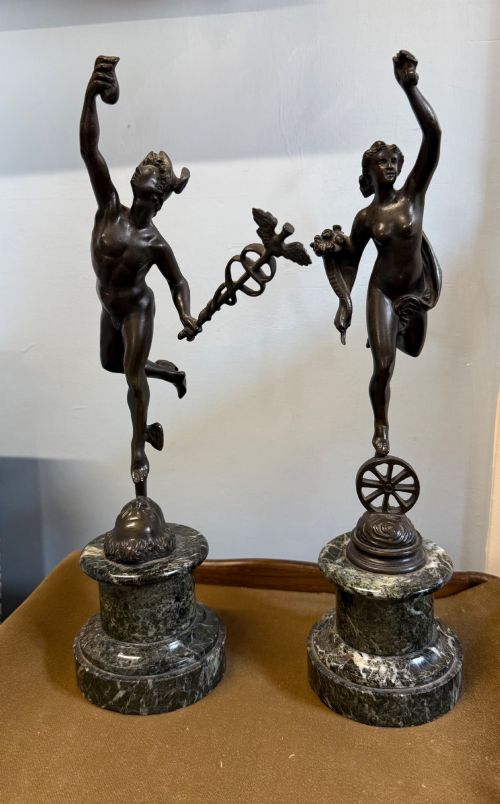
Many bronzes incorporate contrasting materials such as marble, green marble, or black slate as integral bases to support the metal figures. Gilt bronze and parcel-gilt bronze treatments also appear, adding highlight details to the cast subjects.
Mythological Bronze Statue Retail Price Guide 2026
Typical asking prices for mythological bronze statue among the pieces listed under this phrase on Sellingantiques today, from the lower quarter to the upper quarter. They describe what is for sale here now, not the wider market.
Listings feature nineteenth-century and early twentieth-century bronze sculptures, alongside materials including marble, black slate, and gilt bronze.
What varies in quality
The sophistication of the patination and the quality of the mounting influence the overall character of the piece. Well-executed patination enhances the depth of the bronze, while substantial marble or slate bases provide appropriate architectural proportion to the sculpture.
Barbedienne·Emile Carlier·Auguste Moreau·Pierre Le Faguays·Albert Hussmann
The Mythological Bronze Statue Glossary
- Grand Tour
- A nineteenth-century tradition where travellers collected bronze souvenirs of classical sculptures in Italy. These miniature or reduced-scale bronzes served as mementoes of educational travels across Europe.
- Patination
- The chemical or natural treatment applied to the surface of bronze to alter its colour. Dark brown, black, and green patinations are common on nineteenth-century casts.
- Lost-wax casting
- A metal-casting method where a molten metal is poured into a mould that has been created by means of a wax model. This technique allows for intricate detail in figurative sculpture.
- Parcel-gilt
- A finish where selected areas of a bronze object are partially gilded with gold leaf or gilt. This technique highlights specific details against a darker patinated surface.
- Neoclassical
- A style spanning the eighteenth and nineteenth centuries that draws inspiration from the art and culture of classical antiquity. It prioritises proportion, classical subjects, and restraint.
Mythological Bronze Statue: Frequently Asked Questions
What is a Grand Tour bronze?
A Grand Tour bronze is a nineteenth-century souvenir cast in Italy, reproducing famous classical statues for travellers. These pieces allowed collectors to bring classical antiquity into their homes.
They range from small desk studies to substantial mantel sculptures, often mounted on marble or slate bases.
How do I identify classical subjects?
Classical subjects are recognised by their iconography, such as fauns with panpipes, Mercury with winged sandals, or Narcissus gazing downward. These figures derive from Greek and Roman mythology.
Sculptors frequently based their work on antique sculptures housed in European museums, particularly in Naples and Rome.
Where should I display a bronze?
Bronze statues suit stable surfaces like mantelpieces, sideboards, or dedicated display tables where their weight and material are supported. Placing them away from direct moisture preserves the metal surface.
Allowing adequate clearance around the sculpture lets the details of the casting be viewed from multiple angles.
How do I care for antique bronze?
Antique bronze requires minimal intervention, needing only occasional dusting with a soft, dry cloth to prevent particulate accumulation. Avoid applying liquid cleaners or polishes that can disturb the historic patination.
Maintaining a stable indoor climate protects both the bronze metal and any integrated marble or slate base from temperature shock.