


Muted Watercolour Artwork
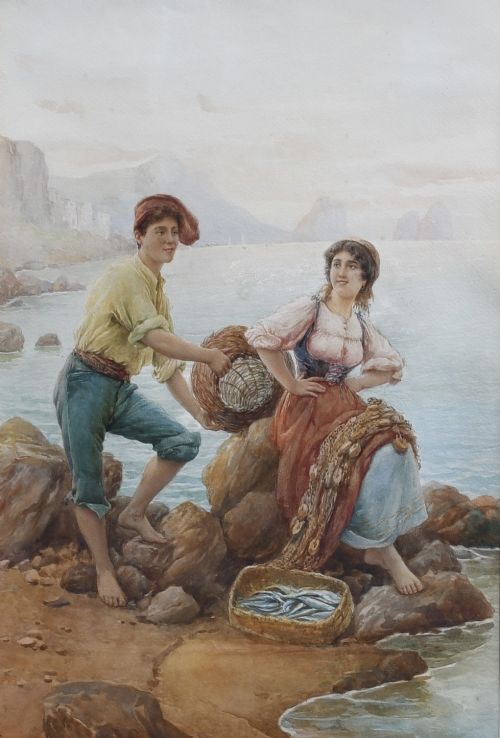
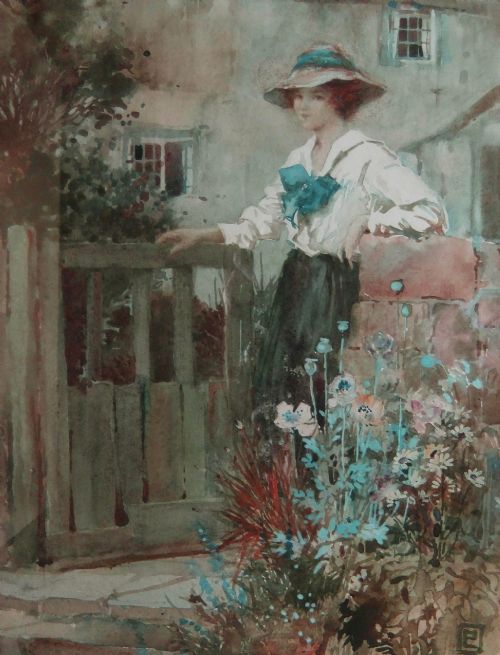
Muted watercolour artwork captures subdued daylight and gentle tones across landscapes and coastal scenes from the nineteenth and twentieth centuries.
Muted Watercolour Artwork
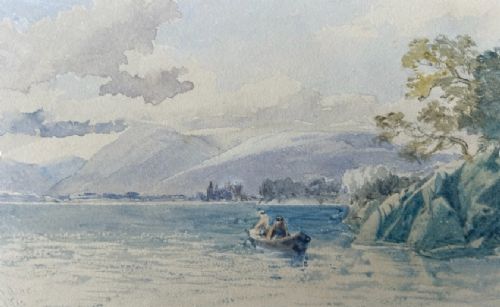
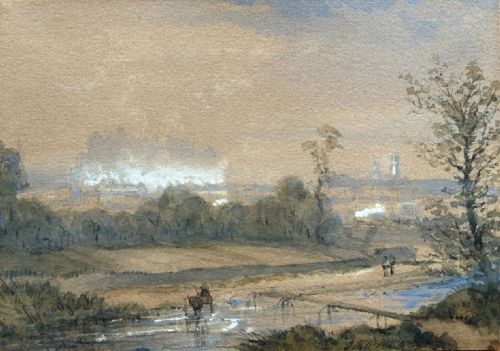
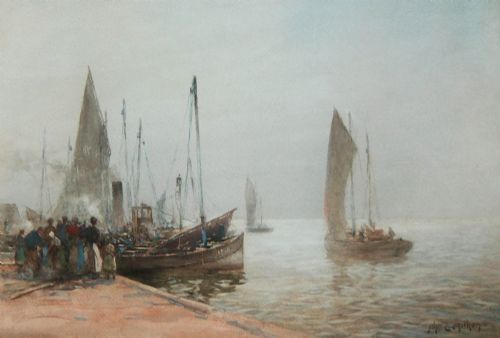
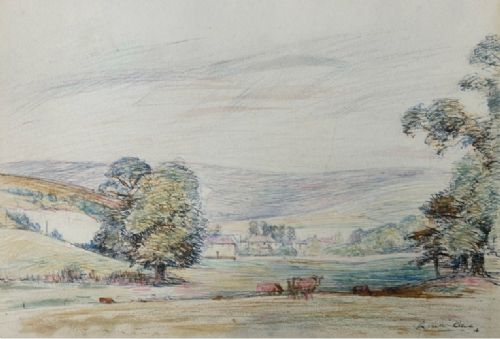
Muted watercolour artwork encompasses original paintings on paper created with water-soluble pigments and ink, spanning periods from the Victorian era through the mid twentieth century. Buyers seeking muted watercolour artwork frequently encounter British and European landscapes, pastoral views, and coastal scenes rendered in subdued palettes.
The selections on this page draw from nineteenth-century academic traditions, Edwardian pastoral works, and early twentieth-century British impressionism. Common subjects range from Scottish lochs and Yorkshire harbours to French street scenes and quiet river valleys.
Materials and technique
These pieces rely on watercolour pigment and ink applied to paper supports, often protected beneath glass within period frames. Artists utilised fluid washes to build atmospheric depth rather than opaque heavy layers.
The technique depends on the absorbency of the paper and the water-to-pigment ratio, which allows the white of the ground to illuminate the composition. Controlled washes create subtle tonal transitions that define skies, water, and distant hills without harsh outlines.
Regional British landscapes from Yorkshire, Sussex, and Scotland feature prominently alongside continental European scenes.
Judging quality in watercolour paintings
Quality rests upon the artist's economy of brushwork and the precision of tonal control within the restrained palette. Superior examples demonstrate a confident command of light and atmosphere where pigment settles naturally into the paper fibre.
Condition plays a central role, distinguishing works that retain their original subtle hues from those degraded by excessive exposure to light or moisture. The integration of the paper support with the pigment application determines the visual harmony of the piece.
Thomas Miles Richardson Jnr·John R Prentice·James E Aitken·Russell Sidney Reeves·Carlo Ferranti·Percy Lancaster·Albert Ludovici Jnr·James Hayllar·Alfred George Morgan·Fred Lawson·Arthur Reginald Smith·Cuthbert Crossley·Sir Thomas Newenham Dean·Ernest Pile Bucknall·Thomas Hunn·Tom Clough·James Orrock·Percy Robertson·James Watson·Louie Stanley Maurice Prince·Linnie Watt·Henri Joseph Harpignies·Frederick William Hattersley·Sidney James Beer·John Mitchell
The Muted Watercolour Artwork Glossary
- Watercolour pigment
- Finely ground colour particles suspended in a water-soluble binder. This medium allows for transparent washes that reveal the underlying paper.
- Wash
- A thin, fluid layer of diluted watercolour paint spread evenly across the paper. It establishes expansive areas of tone such as skies or water.
- Monogram
- A motif made by overlapping or combining two or more letters to form a single symbol. Artists frequently utilised these initials to sign works discretely.
- Genre painting
- Artwork depicting scenes from everyday life, typically involving ordinary people engaged in domestic or social activities. These compositions offer records of historical customs.
- Pastoral landscape
- A genre of art depicting rural life and idealized agricultural scenery, often featuring livestock and quiet fields. It evokes a sense of tranquil isolation.
Muted Watercolour Artwork: Frequently Asked Questions
How should I frame vintage watercolours?
Watercolours require framing behind glass with acid-free mount board to separate the paper surface from the glazing. This prevents condensation damage and protects the delicate pigments from atmospheric pollutants.
Exposing these works to direct sunlight causes the subtle tones to fade over time. Placing them away from direct window light preserves the integrity of the original washes.
How do I identify the date of a watercolour?
Dating relies on signatures, artist exhibition records, paper watermarks, and stylistic markers tied to specific regional schools. Many pieces include inscriptions, dates, or artist monograms directly on the sheet.
Framing materials and labels on the reverse can also provide historical context for when the work was completed or exhibited.
Are these paintings original works?
Every piece listed is an original hand-painted work on paper rather than a reproduction or print. Brush marks, paper texture, and pigment pooling confirm the direct application of media by the artist.
Variations in ink density and watercolour washes distinguish unique creations from mass-produced imagery of later eras.