




Musician Portrait Painting
A musician portrait painting captures the intense concentration of performers across centuries, offering a tangible connection to historical music-making through canvas and paper.
Musician Portrait Painting
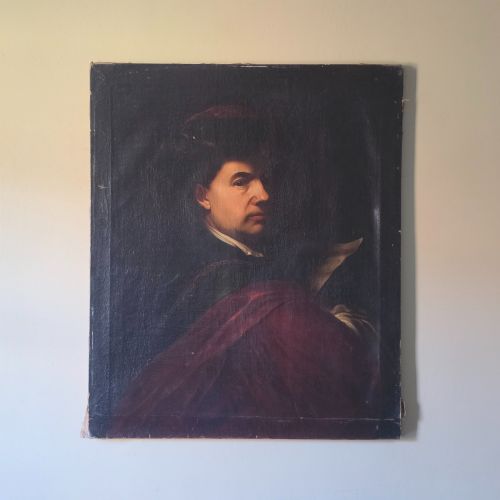
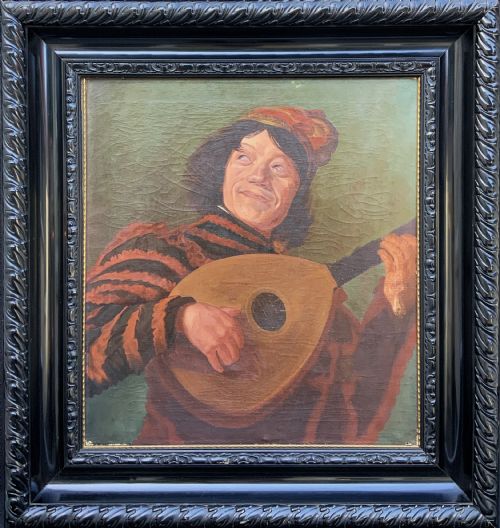
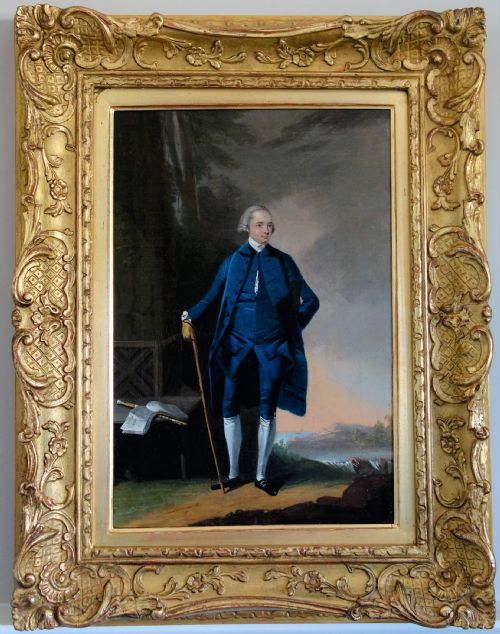
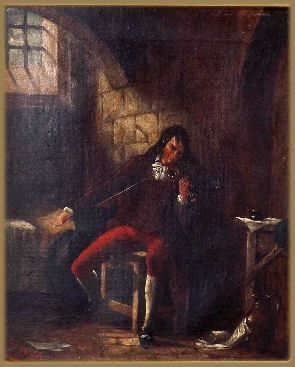
A musician portrait painting depicts performers, composers, and bandsmen engaged with their instruments, drawing from centuries of artistic tradition. You will find works ranging from formal 18th-century compositions of cellists and flautists to 19th-century interpretations of violinists and trumpeters in the manner of Dutch masters.
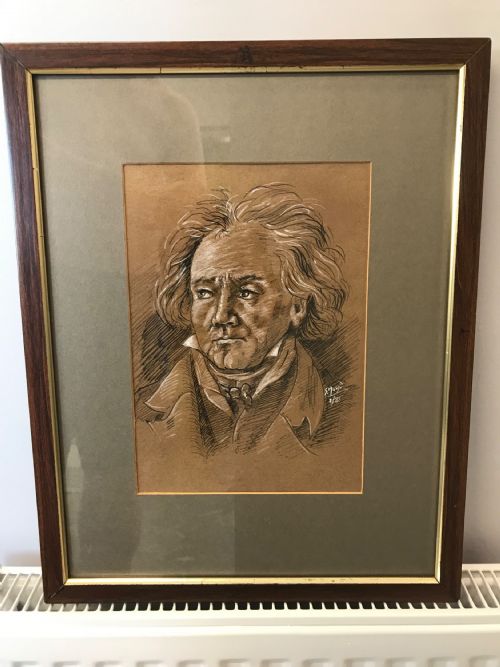
The selection includes oils on canvas and panel, delicate miniature paintings, watercolours, and gouache works on paper. Portrait types span historical figures such as Beethoven and Paganini alongside anonymous players, military bandsmen, and rustic musicians.
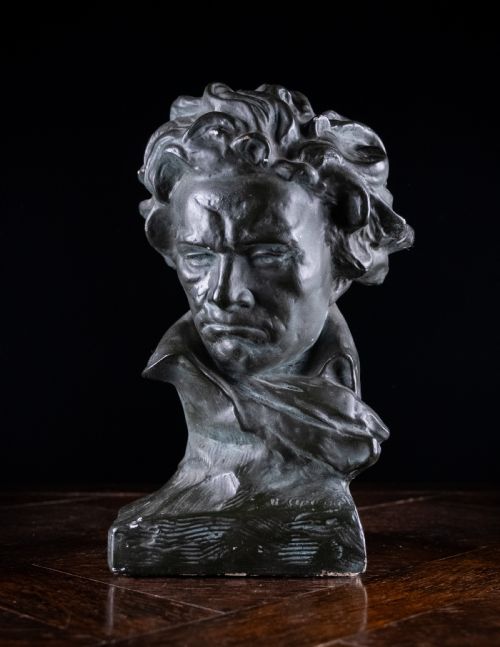
Pieces stretch chronologically from the 17th century through the Georgian and Victorian eras into the 1930s, mid-century modern depictions, and works created later than 1960. Oil paintings and framed watercolours dominate the selection, often accompanied by related sculptural forms like painted plaster busts.
How they were made
Artists relied primarily on oil paints applied to stretched canvas or wooden panels, building rich textures and deep tones characteristic of periods like the Dutch Golden Age and 19th-century realism. Watercolours, pen, ink, wash, and gouache on paper were also utilised for lighter, more immediate studies and miniature paintings.
Support materials varied from traditional wooden panels and canvas to thick art paper, occasionally enhanced with gilded details. Plaster served as a medium for sculptural relief busts portraying composers, while framing preserved the integrity of fragile works on paper and canvas alike.
Musician Portrait Painting Retail Price Guide 2026
Typical asking prices for musician portrait painting among the pieces listed under this phrase on Sellingantiques today, from the lower quarter to the upper quarter. They describe what is for sale here now, not the wider market.
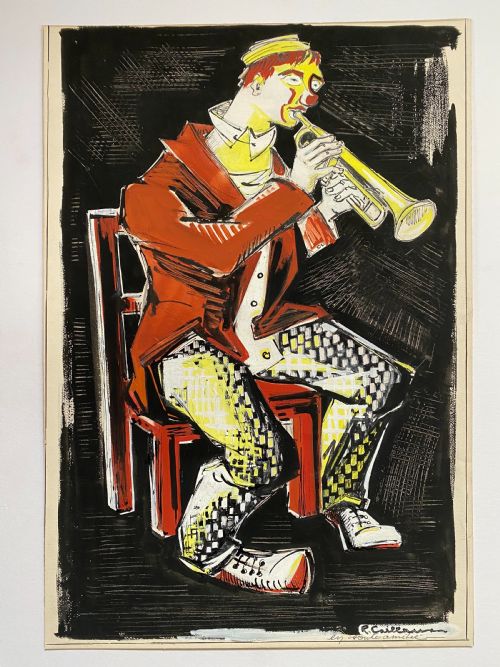
Even mid-century clowns occasionally share the spotlight with serious trumpeters.
What varies in quality
Quality rests heavily on the handling of light and shadow, particularly in oil works striving for Dutch Golden Age or Baroque effects. The convincing depiction of hands interacting with instruments reveals the artist's true observational skill and technical competence.
Provenance and attribution distinguish workshop pieces and followers from attributed or signed works by established historical artists. The depth of characterisation in the subject's expression separates standard portraiture from compelling psychological studies of musicians at work.
Frans Hals·David Teniers·Hermann Armin Kern·Alfred John Bouchette·William Joseph Carroll·Balthasar Denner·Edward Alcock·Archille Zavatta·Ferdinand Barth·Francesco Renaldi·Neville Stephen Lytton
The Musician Portrait Painting Glossary
- Oil on canvas
- Pigments bound in a drying oil, typically linseed, applied to a woven fabric support. This combination allowed artists to achieve rich blending and deep tonal graduation over centuries.
- Gouache
- An opaque water-based medium containing pigment, water, and a binding agent such as gum arabic, often heightened with chalk. It dries to a flat, matte finish.
- Miniature painting
- A highly detailed, small-scale artwork that requires precise brushwork. These pieces were often executed on vellum, card, or thin wood panels.
- Manner of
- A term indicating that a work is executed in the style of a particular master without being a direct copy. It reflects the lasting influence of prominent historical schools.
- Panel painting
- An artwork created on a flat piece of wood rather than canvas. Wooden supports were common in earlier European traditions before canvas became standard.
Musician Portrait Painting: Frequently Asked Questions
What periods do these paintings cover?
The works span from the 17th century through the Georgian, Victorian, and Art Deco eras, extending into mid-century modern pieces and works produced later than 1960.
Early styles reflect Dutch Golden Age traditions, while later items embrace 19th-century realism, Scottish school watercolours, and 20th-century gouache illustrations.
What instruments appear most often?
Violins, cellos, flutes, and trumpets feature prominently in the portrait subjects, reflecting popular orchestral and rustic instruments of past centuries.
Keyboards such as pianos and lutes also appear, alongside military band instruments like drums played by redcoat bandsmen.
How do I care for paper works?
Works on paper, including watercolours, ink, and gouache, require protection from direct sunlight to prevent fading of the pigments.
Display them away from high humidity and ensure they are framed behind conservation-grade glass with proper acid-free mounts.
Are all these portraits historically accurate?
Some pieces depict real historical figures such as Ludwig van Beethoven, Nicolo Paganini, and the flautist Johann Quantz. Others portray anonymous musicians, military bandsmen, or imaginative genre scenes created in historical styles.