


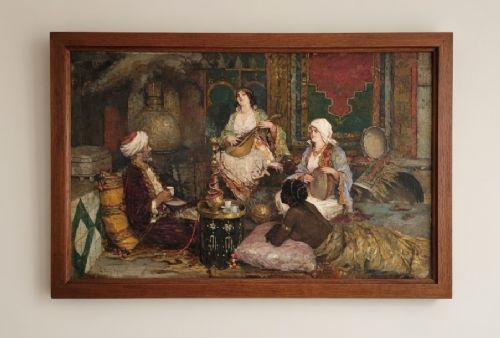


Antique Musician Art
These antique musician art pieces capture performers across centuries in oil, bronze, and watercolour.
Antique Musician Art
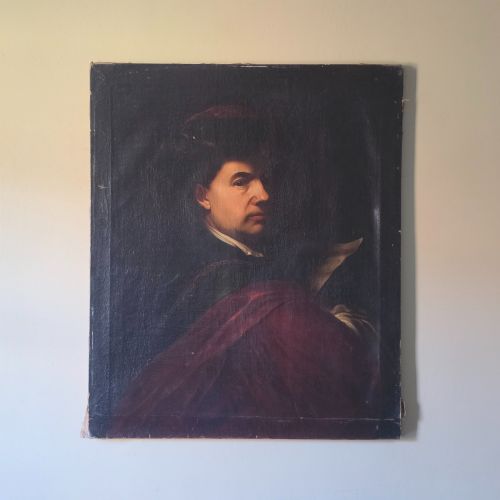
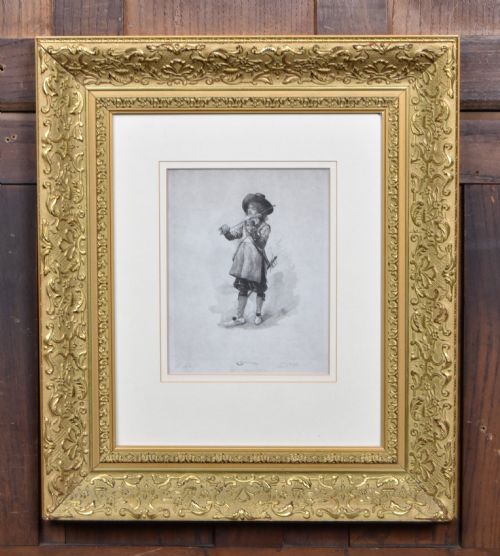
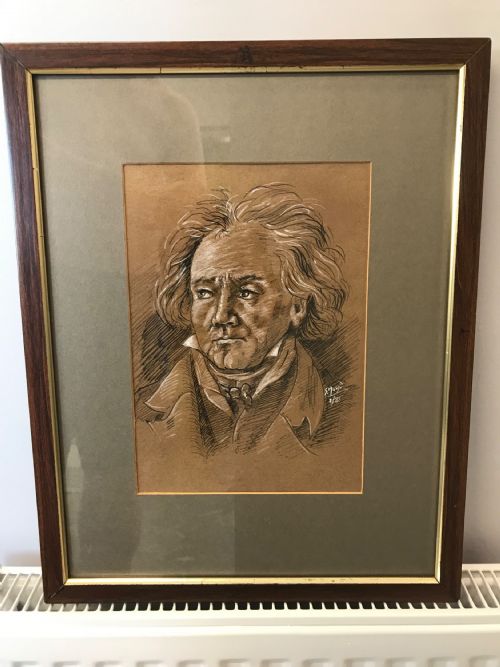
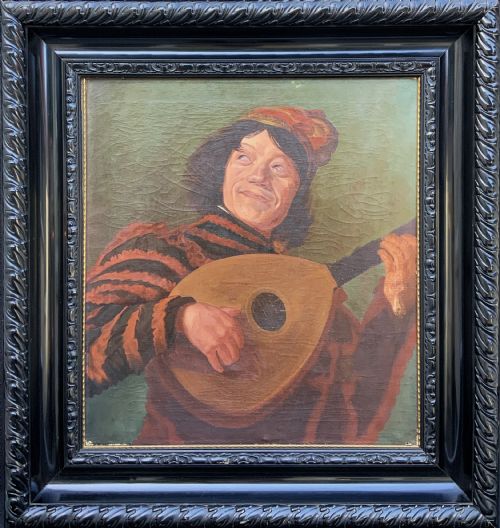
When you search for antique musician art, you encounter works portraying players of instruments, from portrait paintings of historical composers to genre scenes of traditional performers. The pieces span periods from the seventeenth century through the Art Deco era and incorporate styles such as Victorian, Georgian, and Art Nouveau. Most commonly, you meet oil paintings on canvas or board alongside bronze and spelter sculptures.
The subjects range from intimate domestic instrument studies to large historical canvases set in stately homes. Alongside traditional European portraiture, the selection includes Balinese modernist depictions of musicians and dancers, offering diverse regional interpretations of performance. Framed prints, watercolours, and porcelain figures further broaden the scope of available forms.
Materials and Construction
Painters utilised oil on canvas or panel, often applying pigment with fine brushwork to render textiles and instruments accurately. Watercolour, pen, ink, wash, and gouache appear on paper supports, particularly for detailed portraits and caricatures. Gilding occasionally highlights specific painted elements.
Sculptors worked in bronze, spelter, and porcelain to shape three-dimensional figures of harpers, dancers, and instrumentalists. Wood serves as the primary material for framed works and specialised furniture such as musicians stools.
Musicians share space with smokers, dancers, and military fifers across centuries of canvas and bronze.
Distinctions in Quality
In three-dimensional works, quality depends on the crispness of the casting in bronze or spelter and the subtlety of hand-painted detail on porcelain figures. The distinction lies in the artist's ability to convey movement and anatomical proportion convincingly.
Edouard Drouot·Alfred Grevin·Justo de Gandarias·Hermann Armin Kern·Alfred John Bouchette·William Joseph Carroll·Joaquín Luque y Roselló·Balthasar Denner·Edward Alcock·Robert Alexander Hillingford·Josef Lorenzl
The Antique Musician Art Glossary
- Oil on Canvas
- Pigment mixed with drying oil applied to stretched fabric. This method allows for rich colour blending and durability over centuries.
- Bronze
- An alloy of copper and tin traditionally used for cast sculptures. It permits fine detail and develops a natural patina over time.
- Spelter
- A zinc alloy frequently utilised as a substitute for bronze in decorative figures. It provides similar weight and appearance when finished with patination.
- Watercolour
- Pigment suspended in a water-soluble vehicle applied to paper. It creates transparent washes that capture light effectively.
- Genre Painting
- Depictions of aspects of everyday life by subjects from ordinary people to musicians. These works offer insight into historical social activities.
Antique Musician Art: Frequently Asked Questions
What periods do these pieces cover?
The inventory includes items from the seventeenth, eighteenth, and nineteenth centuries, alongside twentieth-century works up to the Art Deco period.
Represented styles range from Dutch Golden Age traditions to Victorian realism and Balinese modernism.
What mediums are used in this art?
Artworks are executed in oil on canvas, oil on board, watercolour, pen and ink, and gouache.
Three-dimensional representations are cast in bronze or spelter, modeled in porcelain, or carved from wood.
How were these musician figures portrayed?
Subjects appear as solo performers playing instruments such as the lute, cello, violin, and harp.
Others are depicted within group portraits, military bands, or theatrical dancing scenes.