



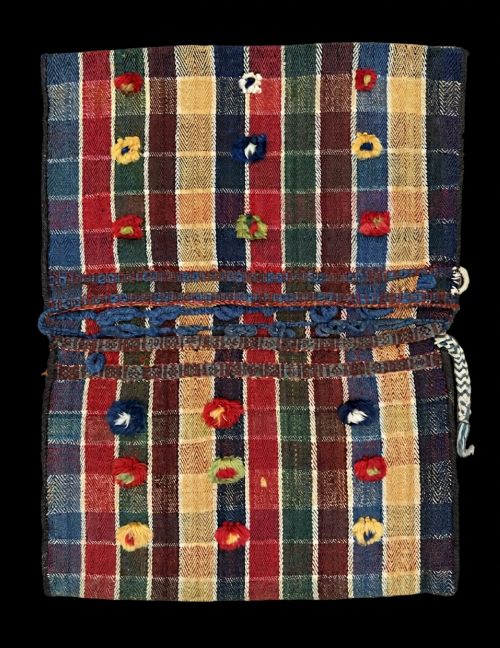


Multicoloured Tribal Wall Hanging
These pieces sold as a multicoloured tribal wall hanging bring vivid nomadic textile work into modern interiors through bold geometric designs and striking woven patterns.
Multicoloured Tribal Wall Hanging
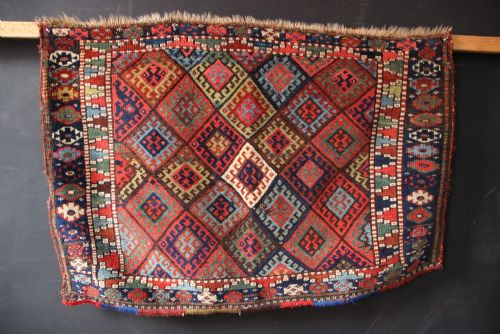
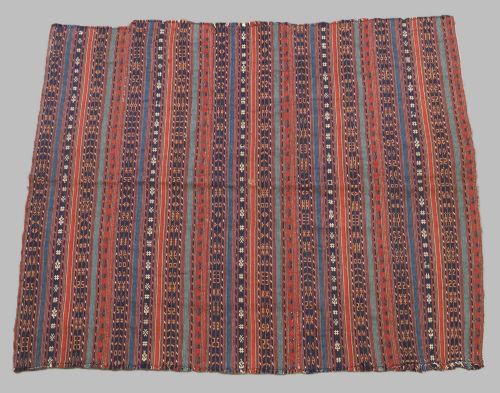
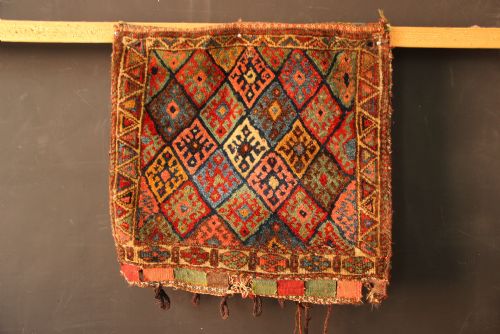
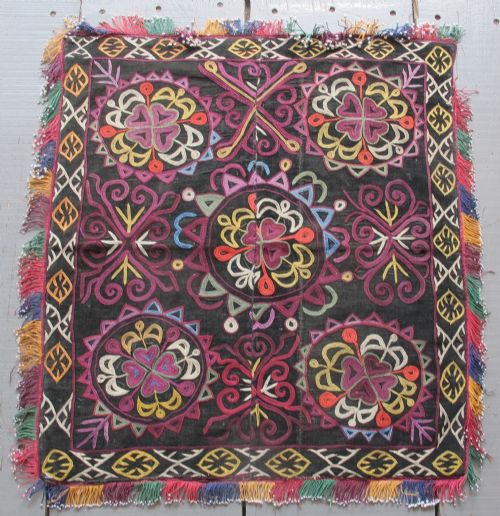
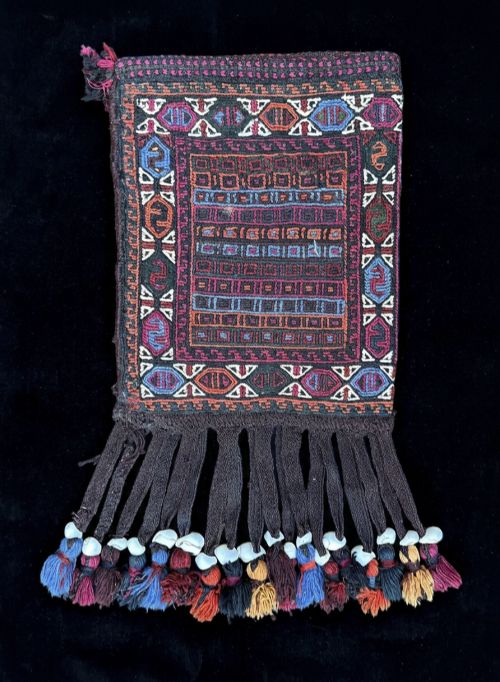
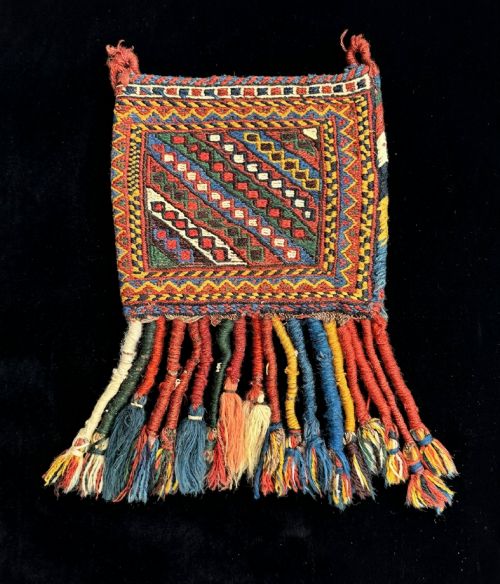
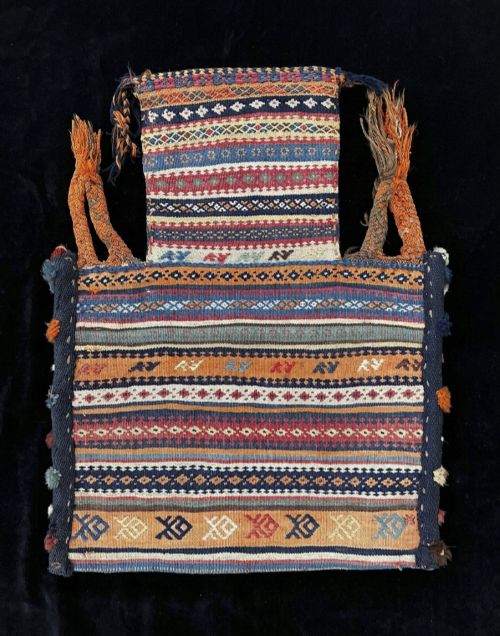
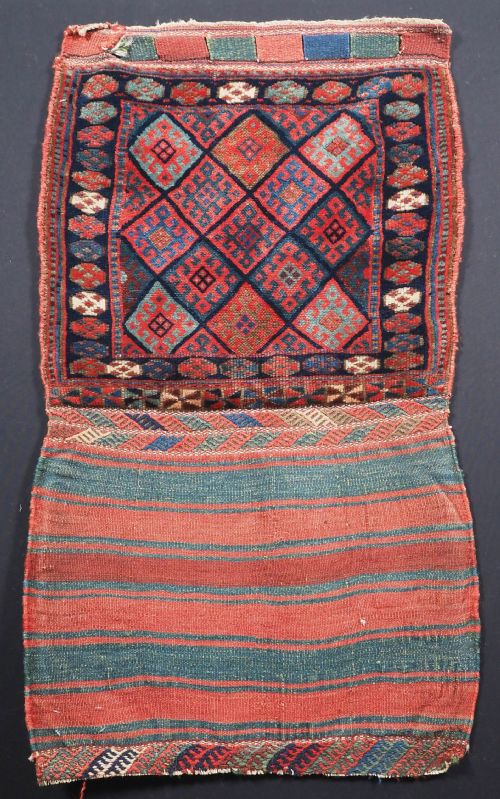
A multicoloured tribal wall hanging encompasses practical nomadic items transformed into decorative wall art, ranging from complete saddlebags and storage pouches to flatwoven kilims and ceremonial embroideries. You will most frequently encounter nineteenth and early twentieth century Central Asian and Persian tribal textiles, such as Kurdish storage bagfronts, Afshar vanity bags, and Uzbek Lakai trappings.
These items originate from nomadic and village communities across Persia and Central Asia, where weavers utilised local wool and natural dyes to create durable household textiles. The formats include salt-bags, bread sofreh, and mirror covers, each originally designed for domestic utility before finding a second life mounted on a wall.
The aesthetic is defined by intricate banded designs, tribal motifs, and vibrant palettes achieved through traditional dyeing methods. Pieces span the decades from the eighteen-eighties to the nineteen-twenties, reflecting the enduring textile traditions of groups like the Qashqa'i, Shahsavan, and Lakai Uzbeks.
How they were made
Makers relied primarily on hand-spun wool, cotton, and occasionally silk, building textiles through flatweaving, piled knotting, or dense needlework embroidery. These materials were dyed using natural sources to produce the characteristic deep and varied colour palettes seen across the regions.
Embellishments frequently include cowrie shells and glass beads stitched directly onto the textile surfaces, adding texture and symbolic protection to pieces like Central Asian ilgich and torba. The structures range from sturdy plain weave backs paired with patterned fronts to fine silk embroidery on cotton foundations.
Multicoloured Tribal Wall Hanging Retail Price Guide 2026
Typical asking prices for multicoloured tribal wall hanging among the pieces listed under this phrase on Sellingantiques today, from the lower quarter to the upper quarter. They describe what is for sale here now, not the wider market.
Nomadic weavers occasionally stitched cowrie shells onto storage bags to ward off the evil eye.
What varies in quality
The distinction between standard examples and the finest works rests on the precision of the weave, the complexity of the tribal iconography, and the depth of the natural dye palette. Superior pieces demonstrate exceptional control in banded designs and needlework, alongside the thoughtful integration of decorative elements like cowrie shells and glass beads.
Condition and completeness also shape the standing of an item, whether it survives as a whole saddlebag with both sides intact or a fragment such as a bagfront. The skill executed in hand-spinning the wool and maintaining structural integrity over a century determines the lasting presence of the textile.
The Multicoloured Tribal Wall Hanging Glossary
- Torba
- A small hanging storage bag traditionally used in Central Asian tents for household goods or bedding. These pieces often feature embroidered or woven geometric decoration.
- Sofreh
- A flatwoven spread or cloth used for eating meals or handling bread in Persian nomadic households. They display striking field patterns and minimalist tribal geometry.
- Jajim
- A tightly woven flatweave textile produced in narrow strips and stitched together to form sturdy covers and storage items. The technique results in distinct banded colour patterns.
- Ilgich
- A hanging storage pouch originating from Central Asian nomadic groups, notably the Lakai Uzbeks. They are characterised by expressive silk embroidery and vibrant regional motifs.
- Kilim
- A tapestry-woven carpet or rug made without a pile, resulting in a flat and durable fabric. These textiles serve various domestic and decorative functions across tribal communities.
Multicoloured Tribal Wall Hanging: Frequently Asked Questions
How were these bags originally used?
Nomadic communities utilised these woven pieces for practical storage inside tents, carrying salt, bread, vanity items, or personal belongings during migration.
Over time, items like saddlebags and storage pouches fulfilled essential household functions before being preserved as decorative objects.
How do I hang a textile safely?
Mounting requires weight distribution across the upper edge using a fabric sleeve or conservation-grade Velcro stitched to the reverse.
Direct pinning damages the fibres, so utilising a padded wooden slat or mounting board protects the historical structure.
How can I tell Persian from Central Asian pieces?
Persian tribal work, such as those by Afshar and Qashqa'i groups, typically relies on wool pile or flatweaving with strong geometric field patterns and animal motifs.
Central Asian pieces, including Lakai and Uzbek examples, frequently showcase distinctive silk embroidery, mirror covers, and embellishments like cowrie shells.
Are natural dyes used in all these pieces?
Nineteenth and early twentieth century nomadic textiles predominantly utilised natural dye sources to achieve deep, rich colours that age gracefully over time.
These plant and insect-derived colours develop subtle variations across the wool, contributing to the visual depth of the wall hanging.