








Multicoloured Kilim Rug
A multicoloured kilim rug brings vibrant tribal geometry and flat-woven textile history straight into a modern interior.
Multicoloured Kilim Rug
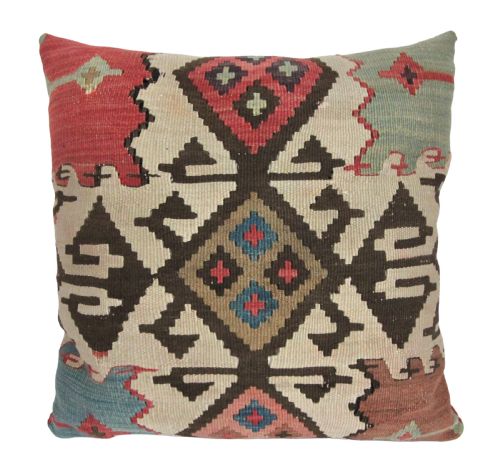
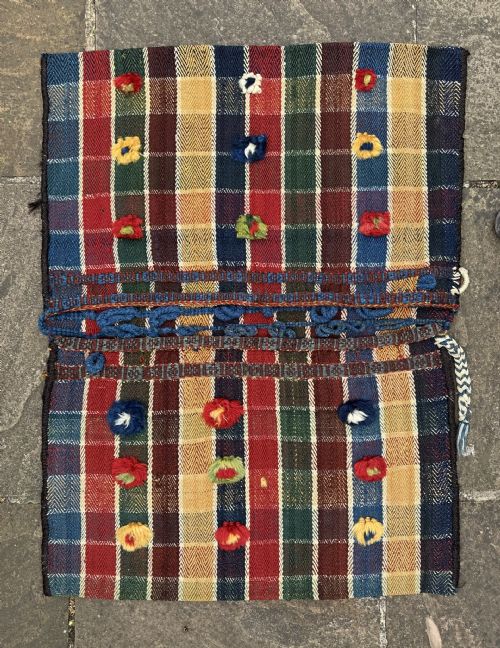
A multicoloured kilim rug comprises flat-woven textiles created by nomadic and tribal groups across Anatolia, Persia, the Caucasus, and Central Asia. These items span various forms including large carpets, prayer rugs, cushions, and functional storage bags such as mafrash and salt-bags.
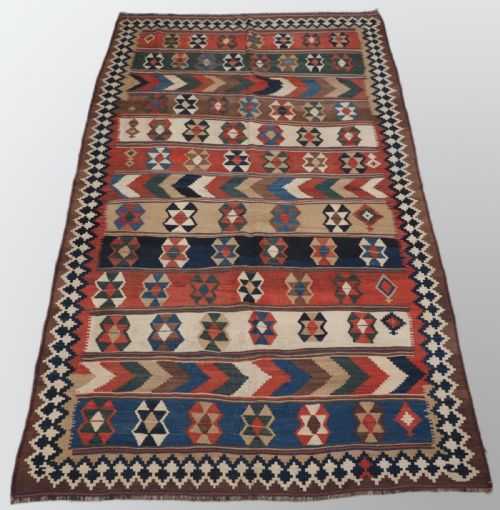
The version most commonly met on this page is the Turkish or Persian tribal flat-weave, dating from the mid-nineteenth century through to the early twentieth century. Pieces from regions such as Malatya, Konya, and the Fars province demonstrate distinct regional patterns.
Buyers look for these textiles to introduce authentic geometric motifs and rich hues into living spaces. The range includes everything from small saddle-bags to extensive room-sized carpets woven in two parts.
Factors determining quality
Quality rests primarily in the depth, variety, and preservation of the natural dyes, alongside the tightness of the flat-weave. Finer pieces maintain crisp geometric lines and robust wool structure across decades of use.
The complexity of regional tribal designs and the integrity of original edges and finishes separate standard utility pieces from exceptional tribal textiles.
Listings feature wool, cotton, hand-spun wool, and natural dyes across Anatolian, Persian, Caucasian, and Central Asian tribal traditions.
The Multicoloured Kilim Rug Glossary
- Kilim
- A flat-woven carpet or rug produced without a pile by nomadic or village weavers. These textiles utilise warp and weft interlocking techniques to form sharp geometric patterns.
- Sofreh
- A flat-woven spread or cloth traditionally used for serving meals or handling bread within nomadic households. They often display striking tribal iconography.
- Mafrash
- A large rectangular storage bag or chest panel used by nomadic tribes for bedding and household goods. They are typically woven in panel sections before being assembled.
- Suzani
- An embroidered textile originating from Central Asia, often worked in silk or wool on a cotton ground. These pieces feature bold floral and medallion motifs.
- Slit-tapestry
- A weaving technique where the weft threads are returned at the edge of a colour area, creating a small vertical slit in the fabric. This method allows sharp diagonal pattern changes in tribal rugs.
Multicoloured Kilim Rug: Frequently Asked Questions
How do I clean a kilim rug?
Gentle surface brushing and occasional professional specialist cleaning suited to antique wool textiles preserves the fibres. Avoid harsh chemical detergents that can damage natural dyes.
Regular light vacuuming without a rotating power brush helps prevent dust accumulation within the flat-weave structure.
Where were these tribal rugs made?
The pieces originate primarily from nomadic and village workshops across Anatolia, Persia, the Caucasus, and Central Asian regions. Specific areas include Malatya, Konya, and territories associated with the Qashqai and Afshar confederacies.
Each weaving group developed distinct regional palettes and geometric vocabulary passed down through generations.
Are these rugs suitable for high traffic?
Flat-woven kilims offer remarkable durability due to their dense wool construction, making them well-suited for moderate foot traffic in hallways and living rooms. Using a quality underlay prevents slipping and cushions the weave against hard floors.
Rotating the rug periodically ensures even wear across the surface over time.
How can I date an antique kilim?
Dating relies on assessing the composition of natural dyes, the specific spin and quality of the wool, and traditional regional motifs. Variations in construction techniques and wear patterns also provide reliable indicators of nineteenth and early twentieth-century origin.
Comparing structural characteristics with documented tribal examples helps narrow the period of manufacture.