






Multicolour Woven Bag
A multicolour woven bag brings vivid tribal artistry into a room, offering tactile warmth and centuries of nomadic textile heritage.
Multicolour Woven Bag
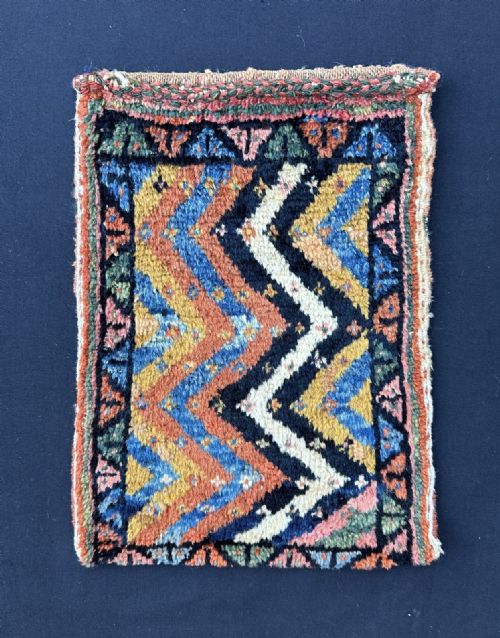
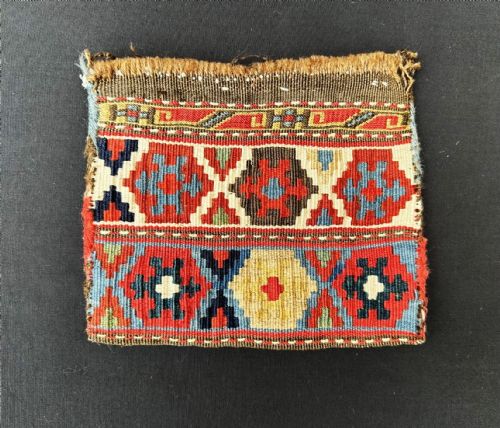
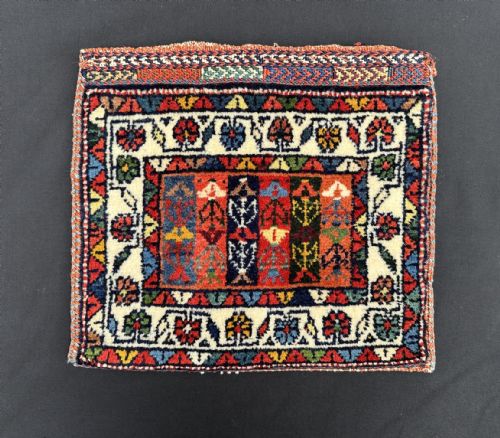
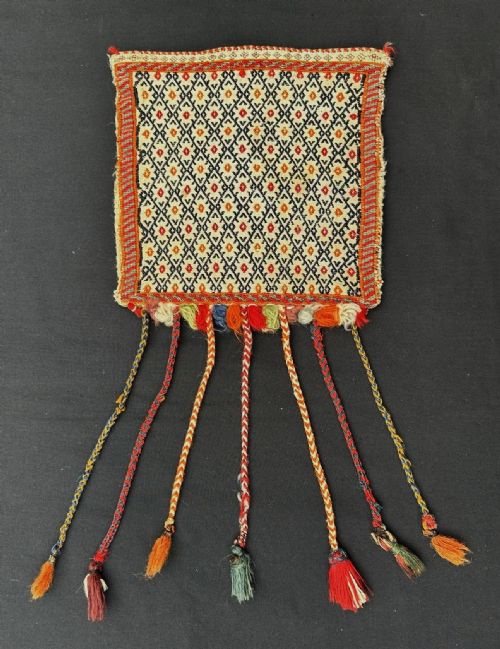
The forms range from small square chantehs to complete pairs of kilim bags and wider saddlebag fronts. Their surfaces display geometric patterns, latch-hooks, and abrash colour gradations created by dye variations. Collectors prize them for their portability, complex village iconography, and the survival of utilitarian tribal craft.
Materials and construction methods
These textiles rely on hand-spun wool and cotton, worked into flatweave kilim or pile-woven structures by nomadic weavers. Natural dyes provide the palette, yielding deep madder reds, indigo blues, and golden yellows that soften gracefully over decades of exposure and use.
The construction employs warp-faced or slit-tapestry weaving techniques, reinforced at the edges and openings to withstand the rigours of transport on animal pack-frames. Tight knotting and dense flatweaving ensure durability while accommodating intricate multi-hued geometric motifs.
Multicolour Woven Bag Retail Price Guide 2026
Typical asking prices for multicolour woven bag among the pieces listed under this phrase on Sellingantiques today, from the lower quarter to the upper quarter. They describe what is for sale here now, not the wider market.
Nomadic weavers packed small mirrors and kohl inside these vanity pouches, trusting vanity bags to ward off the evil eye.
Assessing craftsmanship and condition
Quality rests upon the tightness of the weave, the clarity of the tribal motifs, and the richness of the natural dye palette. Superior examples display precise symmetry in their geometric layouts and retain crisp structural integrity along the edges and openings.
The distinction between standard village work and finer tribal weaving lies in the density of the wool and the complexity of the secondary borders. Wear patterns tell a story of authentic utility, but the preservation of original selvedges and untouched dye saturation elevate certain pieces.
The Multicolour Woven Bag Glossary
- Chanteh
- A small tribal bag used by nomads for carrying personal possessions, mirrors, or documents. These wool or cotton pouches frequently feature intricate flatwoven or pile faces.
- Abrash
- A subtle variation or banding of colour within a single field of a textile, caused by changes in dye batches or hand-spun wool lots.
- Kilim
- A flatwoven textile produced by tightly interweaving warp and weft strands without creating a pile. This technique produces lightweight, durable bags and coverings.
- Selvedge
- The finished edge of a woven textile that prevents the warp threads from unravelling. Original tribal selvedges are a key indicator of authenticity.
- Saddlebagface
- The decorative front panel of a larger pack animal bag, preserved as an independent textile after the plain backing cloth wore away.
Multicolour Woven Bag: Frequently Asked Questions
What were tribal bags used for?
Nomadic groups utilised these woven pouches for transporting personal items, tobacco, pipes, spindles, and small household goods during seasonal migrations.
They also served practical storage functions within tribal tents, holding provisions or vanity items securely.
How do I care for a textile bag?
Keep antique woven pieces out of direct sunlight to protect natural dye pigments from fading over time. Gentle vacuuming through a mesh screen helps remove dust without damaging fragile hand-spun wool fibres.
Avoid hanging heavy objects from antique loops, supporting the structure evenly if displayed on a wall.
How can I tell different tribal groups apart?
Weavers from regions such as Fars, Azerbaijan, and the Caucasus employed distinct colour palettes and geometric structures. Qashqa'i and Afshar pieces often feature intricate medallion or lattice layouts, while Shahsevan work frequently incorporates sharp horizontal striping and latch-hooks.
Examining the specific wool quality and secondary colours helps attribute pieces to particular confederacies.
What is a saddlebag face?
A saddlebag face is the decorative panel of a paired animal bag that hung visibly against the flank of a pack horse, donkey, or camel. When the plain wool or leather backs deteriorated, collectors removed and preserved these ornamental fronts as independent flatweaves.
They offer a concentrated display of tribal iconography in a manageable format.