







Caucasian Flatweave Khorjin
These caucasian flatweave khorjin are nomadic saddlebags woven with striking tribal designs, offering tactile history and vibrant colour to a room.
Caucasian Flatweave Khorjin
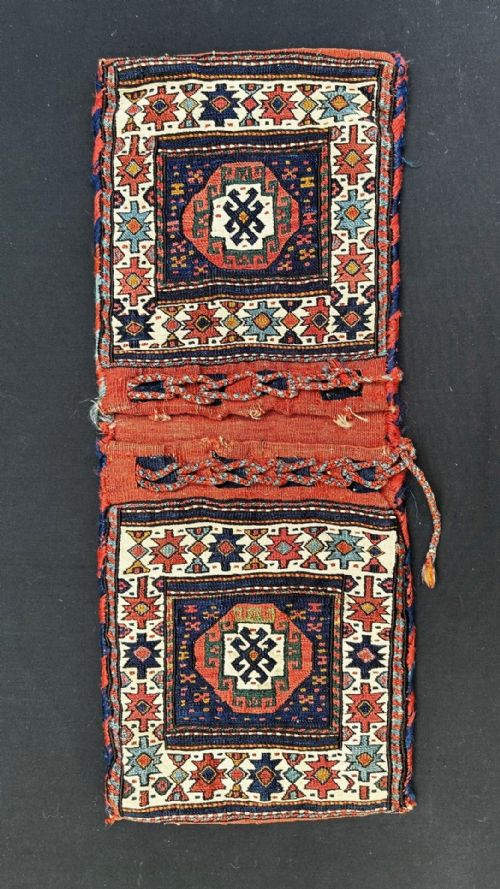
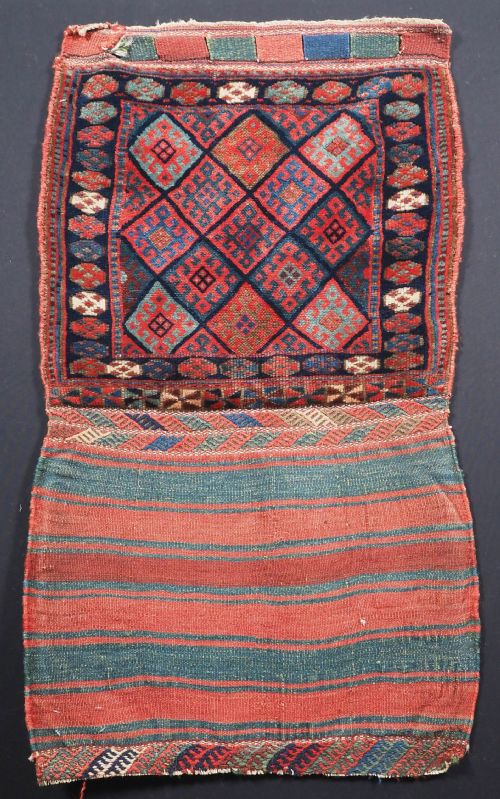
When you search for caucasian flatweave khorjin, you encounter tribal bags and saddlebags originating from regions such as the Caucasus, Azerbaijan, and north-west Persia. These items include complete pairs, individual bag faces, and mini saddle-bags.
The pieces listed on this page represent nomadic weaving traditions from the late nineteenth century, specifically spanning the decades around eighteen seventy, eighteen eighty, and nineteen hundred. Shahsavan nomads and Jaf Kurd weavers produced these functional items for daily transport and storage.
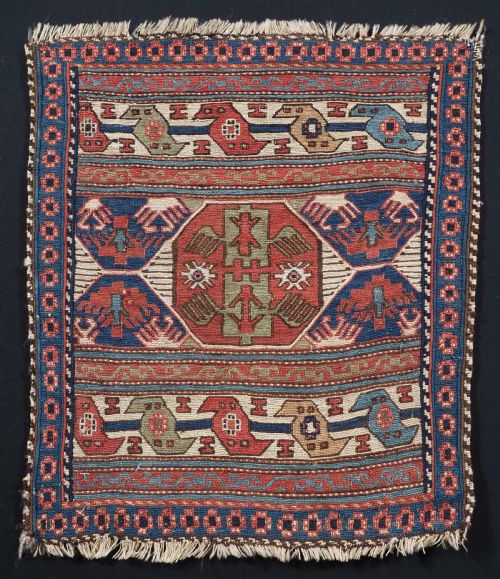
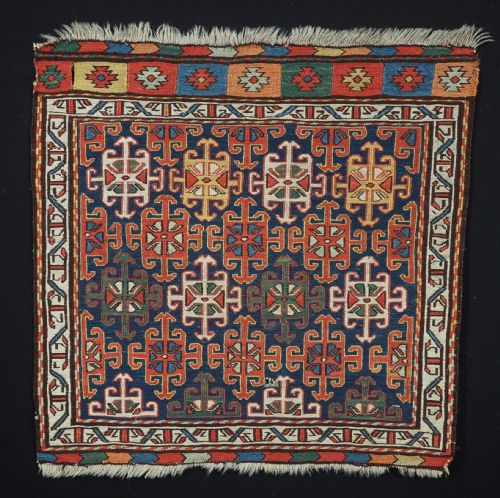
You are most likely to meet Shahsavan soumak bags and Kurdish tribal flatweaves when browsing this selection. They survive as complete paired pouches, flatweave backs, and decorative bag faces featuring birds and dragons.
How they were made
The makers utilised hand-spun wool and natural dyes to construct these textiles, often incorporating cotton for structural strength. This combination of materials provides the characteristic handle and texture of tribal weaving.
Weavers employed flatweave, kilim, and soumak techniques to build intricate geometric and pictorial patterns. The soumak technique allows for crisp graphic motifs such as birds and dragons to stand out clearly across the surface.
Caucasian Flatweave Khorjin Retail Price Guide 2026
Typical asking prices for caucasian flatweave khorjin among the pieces listed under this phrase on Sellingantiques today, from the lower quarter to the upper quarter. They describe what is for sale here now, not the wider market.
Dated pieces on this site span the late nineteenth century, specifically eighteen seventy, eighteen eighty, and nineteen hundred.
What varies in quality
The sophistication of the design work and the clarity of the natural dyes set individual bags apart. Pieces featuring complex iconography like dragons and birds command attention through precise execution.
The completeness of the textile alters its character, ranging from isolated bag faces to intact pairs with original plain weave backs. Surviving structural integrity and well-preserved flatweave techniques indicate superior nomadic craftsmanship.
The Caucasian Flatweave Khorjin Glossary
- Khorjin
- A traditional nomadic saddlebag or pair of bags used for carrying belongings on animals. These double-pouch containers formed an essential part of daily tribal life.
- Soumak
- A flatweave technique involving wrapping supplementaryweft threads around the warp to create a textured, durable surface. This method permits detailed graphic patterns to emerge.
- Kilim
- A tapestry-woven carpet or flatweave textile produced without a pile. These flat surfaces rely entirely on the interweaving of warp and weft yarns.
- Jaf Kurd
- A Kurdish tribal group producing utilitarian bags and textiles. Their work often combines patterned faces with plain weave backs.
Caucasian Flatweave Khorjin: Frequently Asked Questions
How were these bags used?
Nomadic families utilised these textiles to store household possessions, clothing, and provisions inside their tents or during travel.
They functioned as practical storage units that doubled as decorative elements within the nomadic living space.
How should I display a bag face?
Bag faces can be mounted and framed behind glass or hung directly on a wall as textile art.
Displaying them flat protects the hand-spun wool and natural dyes from excessive physical wear while highlighting the geometric patterns.
How do I identify a Shahsavan piece?
Shahsavan textiles often feature crisp soumak technique and distinct motifs such as stylized birds and dragons.
Originating from regions like Moghan and Azerbaijan, these pieces display specific tribal colour palettes and structural traits.