



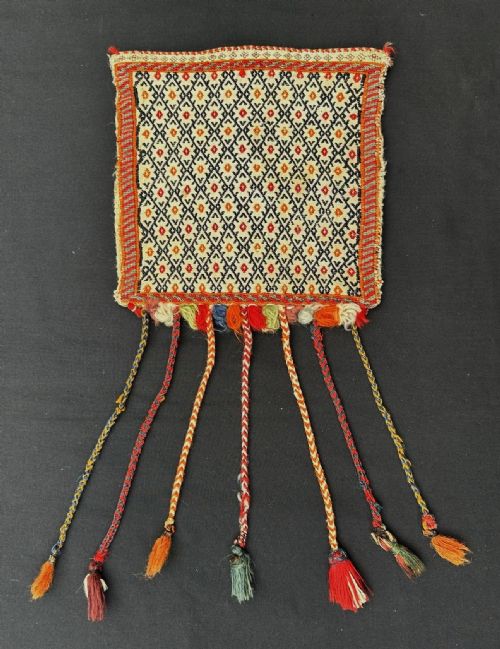


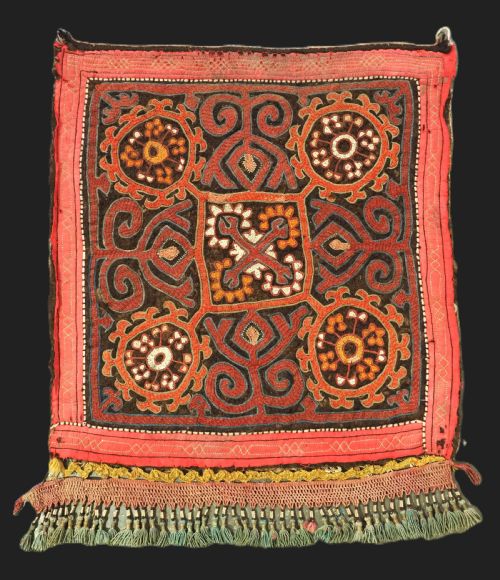

Multicolour Wool Rug
A multicolour wool rug brings rich tribal geometry and vibrant natural pigments into a room, connecting modern interiors directly to nomadic weaving traditions.
Multicolour Wool Rug
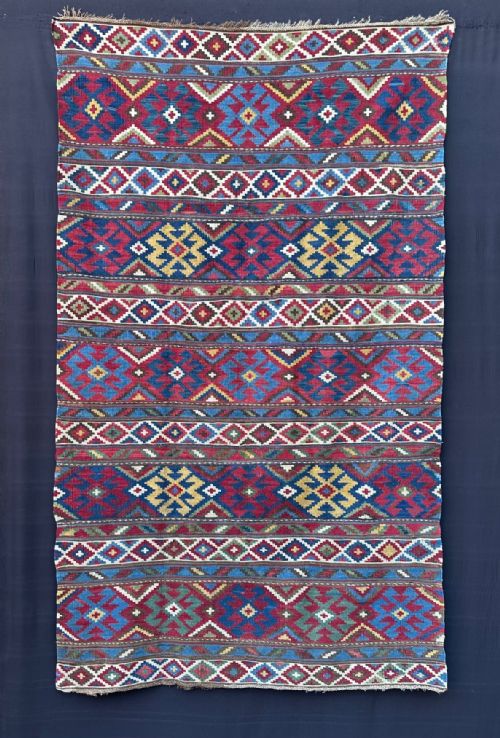
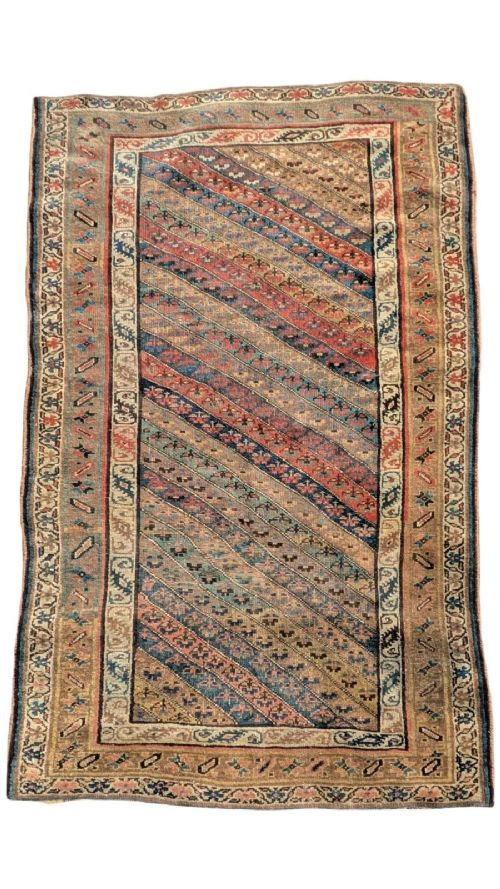
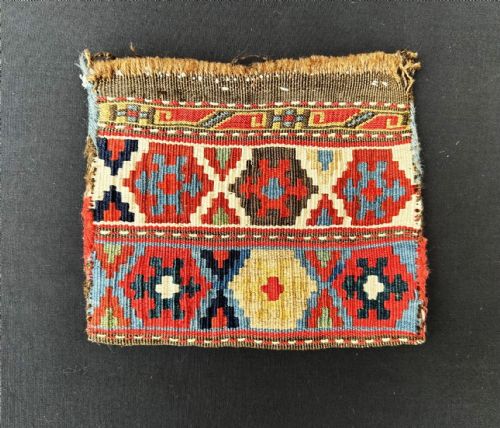
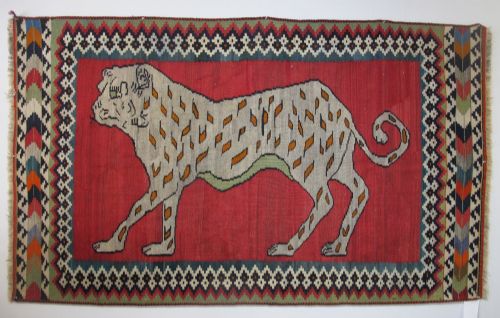
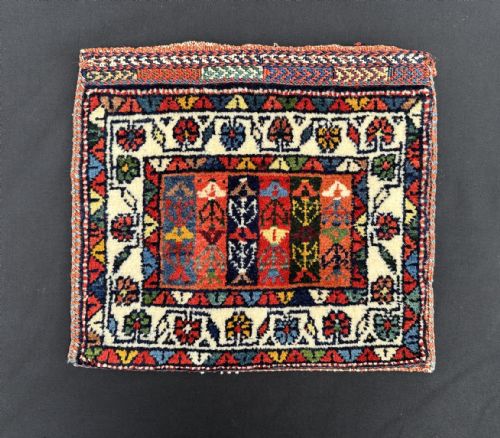
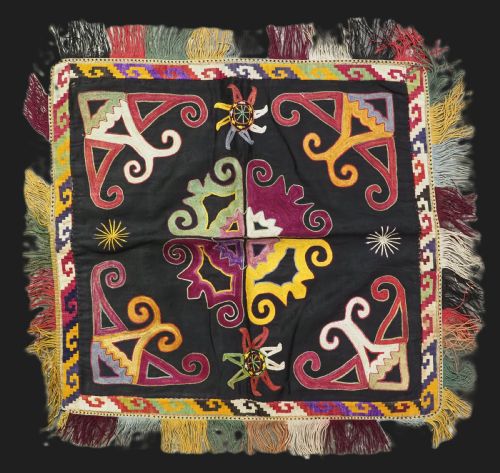
A multicolour wool rug encompasses tribal and nomadic flatweaves, pile carpets, and embroidered textiles originating from Persia, the Caucasus, Anatolia, and Central Asia. These pieces date primarily from the late nineteenth and early twentieth centuries, reflecting regional weaving traditions passed down through generations.
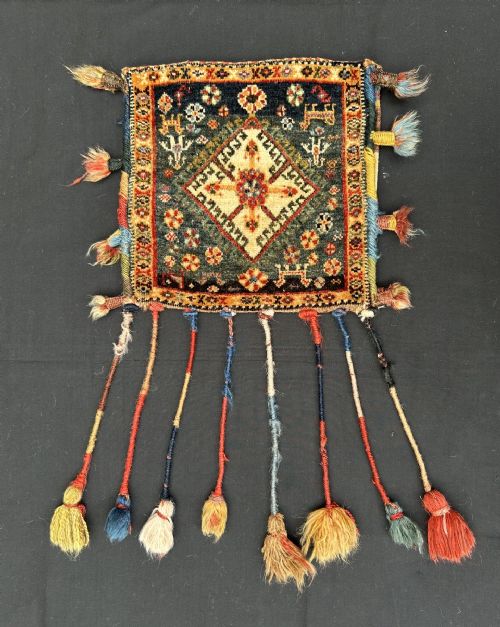
Buyers encounter diverse formats ranging from large room-sized carpets and narrow runner rugs to smaller utilitarian objects such as saddlebags, vanity bags, and wall hangings. The predominant style is tribal and nomadic, characterised by bold geometric motifs, medallions, and stripe patterns.
Materials and Construction Techniques
The primary material is hand-spun wool, often supplemented by cotton foundations, silk highlights, and occasionally felt or camel hair grounds. Weavers utilised natural dyes to achieve rich, enduring palettes that developed varied patinas over decades of use.
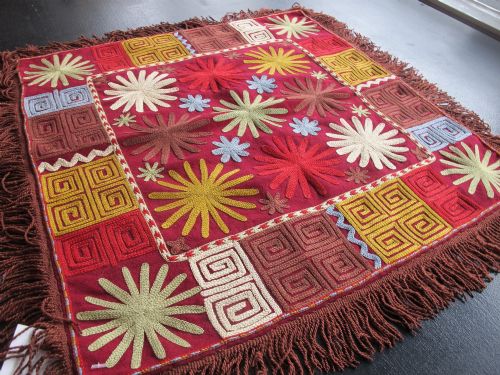
Construction methods vary from warp-faced flatweaving and pile knotting to intricate needlework embroidery and applique. Many smaller domestic items integrate leather or wood elements, reflecting the functional requirements of nomadic life.
Current listings feature pieces spanning the decades from the 1850s through to the 1930s, incorporating wool, silk, and natural dyes.
Factors Defining Quality
Quality rests upon the fineness of the weave, the precision of the geometric layout, and the complexity of the design structure. Pieces exhibiting unusual colour combinations, scarce motif variants, or highly detailed pictorial elements stand apart.
The integrity of the material foundation and the vibrancy of the original natural dyes heavily influence the desirability of a textile. Surviving edge finishes and minimal structural intervention preserve the historical authenticity of the weave.
The Multicolour Wool Rug Glossary
- Kilim
- A flatwoven carpet or rug produced without a pile, featuring slit-weave techniques that create sharp geometric patterns.
- Runner
- A long, narrow carpet format traditionally utilised in hallways or corridors, often displaying repeating medallion designs.
- Chanteh
- A small traditional tribal storage bag or vanity bag woven by nomadic groups for personal use.
- Suzani
- A rich embroidered textile originating from Central Asia, typically worked on a cotton or linen foundation with silk thread.
- Boteh
- A stylised almond or paisley motif with a curved upper end, frequently repeated across Caucasian and Persian designs.
Multicolour Wool Rug: Frequently Asked Questions
How are antique tribal rugs structured?
These textiles are constructed using traditional vertical or horizontal looms, employing hand-spun wool and natural dyestuffs. The weavers built up geometric patterns row by row, utilising flatweave or pile techniques specific to their region.
Nomadic groups designed these pieces for daily utility, incorporating local symbols and tribal identifiers into the borders and central fields.
Where did these woven textiles originate?
The pieces originate from distinct tribal confederacies and regions across Persia, the Caucasus, Anatolia, and Central Asia. Specific groups such as the Qashqai, Shahsevan, and Uzbek developed characteristic colour palettes and motif repertoires.
Geographic isolation ensured that distinct stylistic traits remained preserved within each weaving community throughout the nineteenth and early twentieth centuries.
How should a textile be displayed?
Smaller formats such as bags and embroideries work effectively as wall hangings utilising conservation-grade mounting methods. Larger runner rugs and carpets suit high-traffic or living spaces when paired with a breathable underlay.
Direct, prolonged sunlight should be avoided to protect the natural wool fibres and prevent the fading of natural dye colours.
How do you identify tribal rug regions?
Attribution relies on examining the specific knotting or weaving structure, wool characteristics, and palette choices. Particular border motifs and animal or medallion symbols often point directly to specific tribes or provinces.
Structural analysis of the foundation threads provides further clues regarding whether a piece originates from the Caucasus, Persia, or Central Asian steppes.