

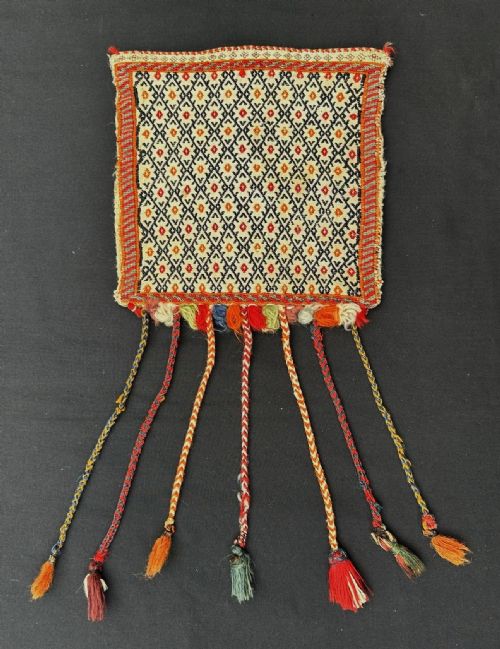


Multicolour Wool Flatweave
These multicolour wool flatweave pieces are tribal textiles and rugs carrying rich regional designs, valued for their authentic hand-spun materials and traditional flat-woven structures.
Multicolour Wool Flatweave
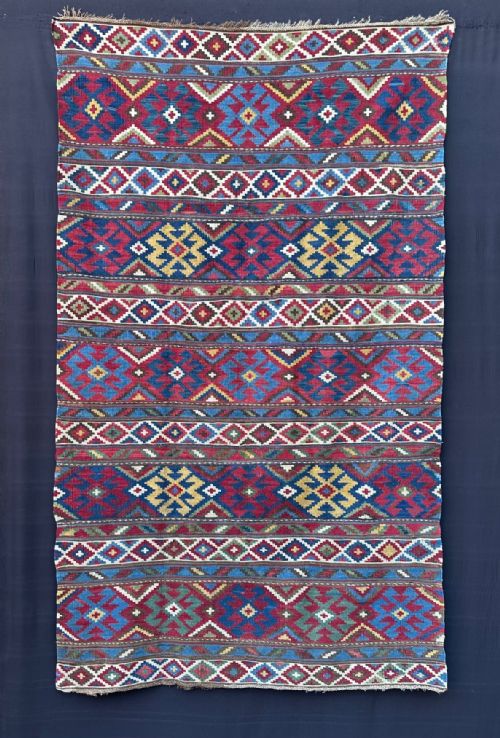
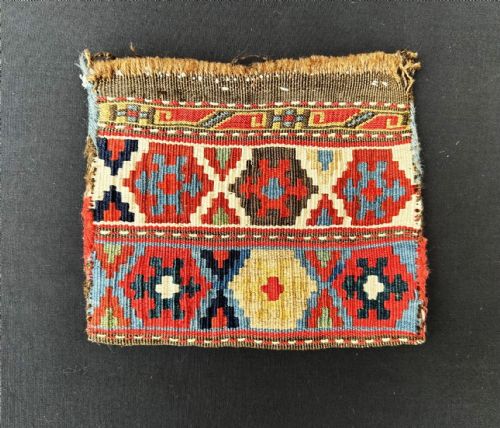
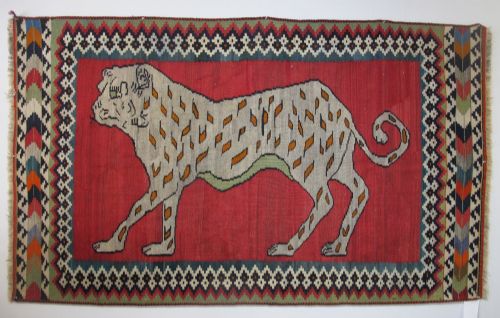
When you search for multicolour wool flatweave, you encounter tribal textiles, small bags, runners and larger rugs originating from Persian, Anatolian, Caucasian, Central Asian and Balkan regions. These pieces date from the mid-nineteenth century through to the early twentieth century, reflecting distinct nomadic and regional weaving traditions.
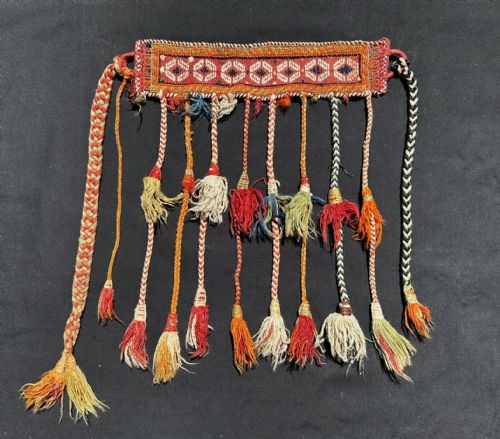
The selection ranges from small vanity-bags and horse decorations to substantial floor rugs and long runners. Persian tribal items, particularly those associated with the Qashqai and Shahsavan groups, sit alongside Turkish, Caucasian and Uzbek examples.
How They Were Made
The construction relies primarily on wool and hand-spun wool, occasionally incorporating cotton foundations or camel hair grounds for texture and durability. Natural dyes provide the polychrome palettes characteristic of these tribal flatweaves.
Weavers employed traditional slit-tapestry and banded weaving techniques without a pile, producing flat structures that served practical nomadic functions as storage bags, covers and floor coverings.
Some nineteenth-century nomadic bags still retain their original internal wool fluff, preserving a tactile trace of the desert camp.
What Varies in Quality
Quality rests on the integrity of the natural dyes, the fineness of the hand-spun wool and the tightness of the weave. The complexity of regional tribal designs and the crispness of the graphic patterns further distinguish finer examples.
Condition and completeness matter significantly, especially for functional objects like vanity-bags, cushions and horse decorations where original tassels, closures and borders survive intact.
The Multicolour Wool Flatweave Glossary
- Kilim
- A flat-woven carpet or rug produced without a pile by tightly interweaving warp and weft strands. This technique creates a smooth surface with patterns visible on both sides.
- Chanteh
- A small traditional tribal bag used by nomads for carrying personal items or documents. These pieces often exhibit the same detailed iconography as larger floor rugs.
- Warp
- The vertical threads stretched tightly on a loom before weaving begins. The weft threads pass horizontally through these structural cords to form the textile.
- Natural Dyes
- Colourants derived from plants, insects and minerals rather than synthetic chemicals. They produce softer, more harmonious tones that age with considerable depth.
Multicolour Wool Flatweave: Frequently Asked Questions
What is a flatweave rug?
A flatweave is a textile constructed without knotted pile, created by interlacing warp and weft threads directly on a loom. This method produces a thin, lightweight rug that lies flat on the floor.
These pieces were historically favoured by nomadic communities for their portability and versatility as floor coverings, wall hangings and pack animal decorations.
How do I care for a wool flatweave?
Gentle vacuuming without a rotating brush roll prevents dust accumulation within the tight weave structure. Professional cleaning tailored to antique textiles is recommended for deeper maintenance.
Keeping the piece out of direct sunlight preserves the natural dyes and prevents the wool fibres from drying out over time.
Where were these textiles made?
The pieces originate from nomadic and village communities across Persia, Anatolia, the Caucasus, Central Asia and the Balkans. Specific tribal groups such as the Qashqai and Shahsavan produced distinct regional styles.
Each weaving area utilised local materials, such as camel hair in Central Asian pieces or specific plant-based dyes in Anatolian workshops.
How can I tell different tribal designs apart?
Motifs, colour combinations and border arrangements vary distinctly between regions such as Shirvan, Azerbaijan and Fars Province. Geometric medallions and banded layouts often indicate specific nomadic origins.
Examining the structure alongside the specific repeat patterns helps connect an individual textile to its geographic and cultural source.