




Moulded Glass Shades
Moulded glass shades diffuse interior light through patterned and textured bowls, bringing period character to ceiling fixtures and lamps.
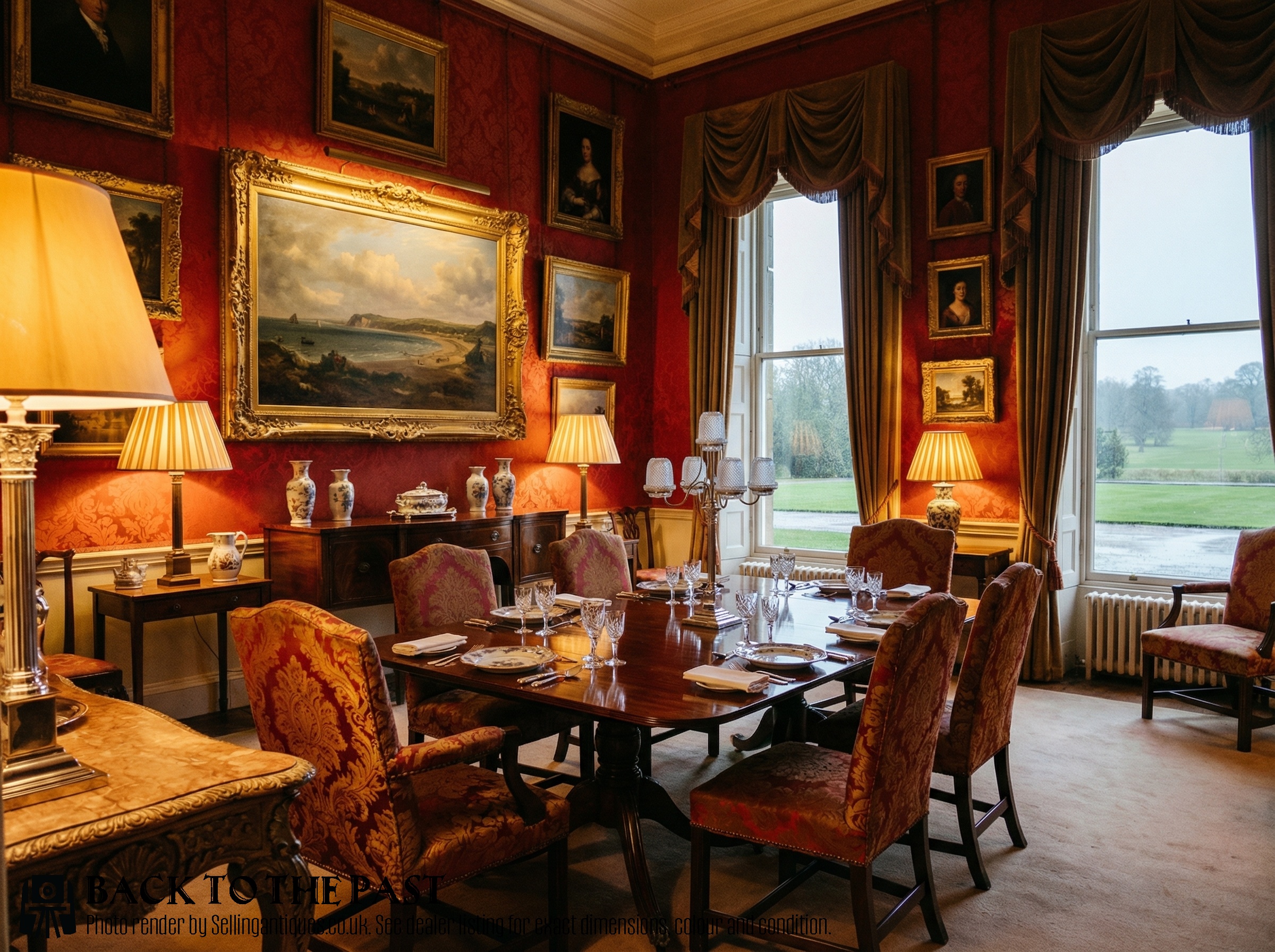
Moulded Glass Shades
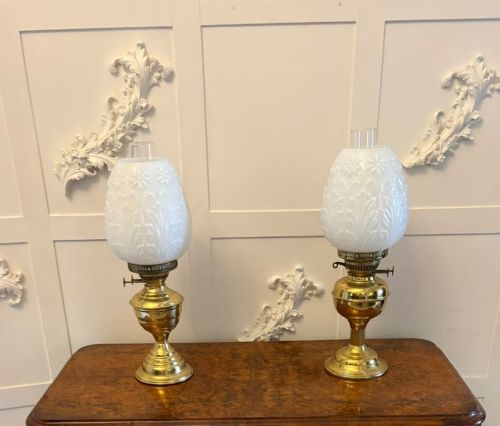
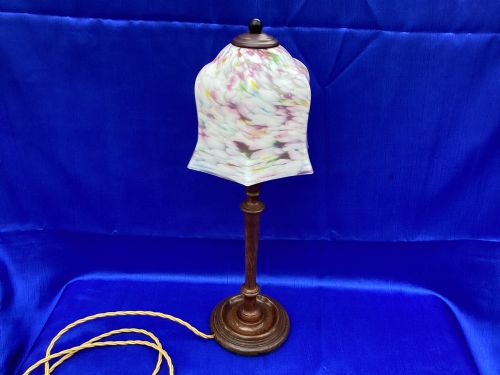
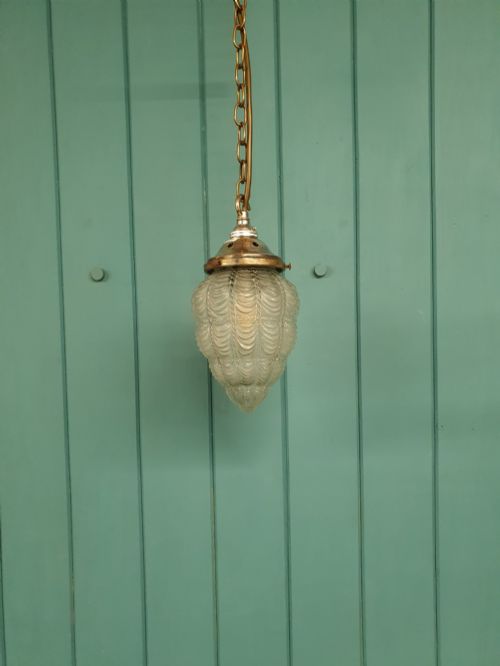
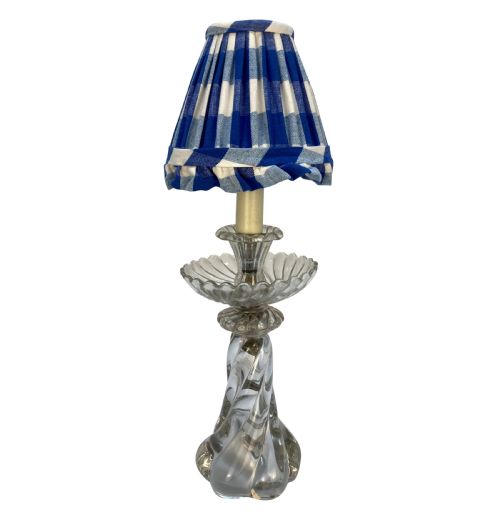
Moulded glass shades take several forms across Victorian, Edwardian, and Art Deco periods, appearing primarily on ceiling lights, pendants, and table lamps. These components range from simple opal fish scale pendants to elaborate French slip shade ceiling fixtures and wall sconces.
Art Deco examples dominate the selection, bringing geometric forms and frosted finishes to the interior space. Earlier Victorian and Edwardian pieces tend towards opaline and satin glass variants fitted to brass or silver-plated oil lamps and candelabras.
Materials and construction
Makers utilised pressed and frosted glass techniques to achieve tactile surface relief and diffuse illumination. Glass components pair with brass, chrome, nickel, and copper mountings to form complete lighting assemblies.
French workshops employed specialised moulding methods to create distinct clam shell, cloud, and floral motifs. Metal fittings secure the glass elements using cast and plated components.
Glass types represented include opaline, frosted, pressed, and moulded variants across multiple European origins.
Assessing the pieces
Quality rests in the crispness of the glass moulding and the depth of the surface relief. Superior pieces exhibit precise pattern definition and substantial glass weight without distortion.
The integration between the glass shade and its metal mount indicates standard of manufacture. Well-made examples maintain secure seating and harmonious proportions between metalwork and glass.
Muller Bros·René Lalique·Jean Gauthier·Ezanville
The Moulded Glass Shades Glossary
- Opaline Glass
- A translucent milky-white glass developed to soften light output. It appears frequently on Victorian and Edwardian lighting fixtures.
- Slip Shade
- A distinct glass panel that slides into a metal frame on Art Deco ceiling lights and sconces. These shades form the decorative body of the fixture.
- Pendant Light
- A single light fitting suspended from the ceiling by a cord, chain, or rod. The shade hangs downward to direct illumination.
- Plafonnier
- A ceiling-mounted light fixture positioned close to the surface. French makers often utilised large moulded glass bowls for this format.
Moulded Glass Shades: Frequently Asked Questions
How do I hang a ceiling light with these shades?
Ceiling lights attach directly to standard electrical wiring points using existing brass or chrome fixings. Professional installation ensures the weight of the glass distributes evenly across the ceiling mount.
Ensure the hanging height suits the room proportions, keeping pendant lights clear of walkways while positioning table lamps securely on stable surfaces.
Can I replace a broken shade on an antique lamp?
Replacement requires matching the exact diameter, fitter size, and period style of the original component. Variations in moulding techniques across different decades mean exact matches need careful comparison.
Original slip shades and specialised French mouldings prove particularly difficult to substitute due to their specific dimensions and maker designs.
How should I clean antique glass shades?
Wash the glass gently in lukewarm water with mild soap, avoiding harsh chemical cleaners that might damage frosted or satin surfaces. Dry thoroughly with a soft cloth before reinstallation.
Inspect metal mounts separately to ensure brass or chrome components receive appropriate polish without touching the glass itself.
What bulb wattage works best with frosted glass?
Lower wattage LED bulbs provide sufficient illumination while preventing excessive heat build-up inside enclosed glass shades. Warm white tones replicate the soft glow of original oil or early electric lamps.
Check the inner clearance of the shade to ensure the bulb size fits comfortably without touching the moulded glass walls.