



Moulded Glass Light
A moulded glass light brings diffused, architectural illumination to a room, drawing on the geometric precision of the Art Deco period and the warmth of earlier designs.
Moulded Glass Light
A moulded glass light encompasses pendant lights, ceiling lights, and wall lights created across the Victorian, Edwardian, and Art Deco periods. Buyers seeking a moulded glass light encounter robust pressed and frosted shades paired with mounts of brass, chrome, bronze, and nickel.
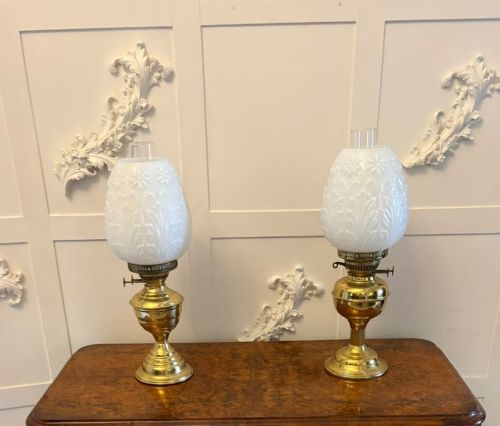
The selection on this page leans heavily towards Art Deco production, featuring geometric slip shades, skyscraper forms, and cloud-shaped wall sconces alongside earlier Victorian oil lamps and Edwardian pendants. These pieces bridge decorative art and functional illumination, serving as central fixtures or matching wall sconces.
Materials and construction
The shades rely upon glass pressed or moulded into detailed shapes, utilising frosted glass, satin glass, and opaline glass to soften the light source. Maker techniques include pressing molten glass into intricate moulds to create recurring motifs such as clamshells, fish scales, and floral patterns.
Metal mounts utilise brass, chrome, bronze, copper, nickel, and silver plating to secure and suspend the heavy glass components. These metal structures range from simple brass galleries on Victorian oil lamps to architectural chrome and bronze frames on French Art Deco fixtures.
Listings span the Victorian era through the 1930s, uniting brass oil lamps, bronze wall sconces, and frosted glass ceiling fixtures.
Evaluating the standard
Quality rests in the crispness of the glass moulding and the weight of the metal components, distinguishing mass production from signed studio output. Superior pieces display deep relief work in frosted or satin glass and robust metalwork in bronze, brass, or nickel.
The integration between the glass shade and its metal housing indicates the original design ambition, where bespoke mounting hardware matches the specific geometry of the shade rather than utilising generic commercial fittings.
R Lalique·Muller Bros·Jean Gauthier
The Moulded Glass Light Glossary
- Moulded glass
- Glass formed by pressing molten material into a metal or wooden mould to create raised patterns and uniform thickness. This technique allowed makers to produce consistent decorative shades for domestic lighting.
- Slip shade
- A single panel of thick, often frosted glass that slots into a metal frame to form a bowl-shaped ceiling light. These shades define many Art Deco fixtures.
- Plafonnier
- A ceiling-mounted bowl light that sits flush or close to the ceiling surface. French examples frequently employ heavily moulded opaline or frosted glass.
- Peg oil lamp
- A standalone font, often of satin or opaque glass, designed to drop into a separate candlestick or base. They represent a distinct nineteenth-century lighting format.
- Satin glass
- Glass treated with hydrofluoric acid to produce a velvety, non-reflective surface texture. It diffuses light gently without total opacity.
Moulded Glass Light: Frequently Asked Questions
How do I date a moulded glass light?
Dating relies on stylistic markers and material combinations, such as the heavy floral motifs of Victorian pieces versus the streamlined geometric symmetry of 1930s Art Deco designs. Nickel and chrome mountings typically point to the interwar period, while brass and copper support earlier Edwardian and nineteenth-century attributions.
Examining the construction of the glass fitter rim and the wiring channels provides further clues to the manufacturing decade. Signed pieces often carry etched signatures corresponding to specific Parisian workshops of the 1920s and 1930s.
Can these lights be wired for modern use?
Most antique fixtures accommodate modern electrical standards with appropriate rewiring by a qualified electrician. Standard lamp holders can usually be fitted within the original brass or chrome galleries.
Careful attention must be paid to the weight of the moulded glass shades when hanging ceiling fixtures. Professional installation ensures the historic metal mounts safely support the glass.
What is the difference between pressed and moulded glass?
Pressed glass is forced into a mould using a mechanical plunger, which leaves a smooth interior and a patterned exterior. Moulded glass encompasses broader techniques where molten material takes the shape of a carved form.
In lighting fixtures, these terms often overlap to describe thick, decorative glass designed to diffuse intense illumination. Both methods created the durable, textured shades seen across Art Deco and Victorian interiors.
Where were French Art Deco lights made?
French fixtures of the 1920s and 1930s originated largely from specialised glassworks and foundries operating around Paris and regional manufacturing hubs. Workshops employed skilled artisans to cast bronze, brass, and iron mounts.
These regional centres produced matching suites of wall lights, chandeliers, and table lamps for domestic and commercial architecture. The collaborative output of glassmakers and metalworkers defined the high-end lighting market of the era.