
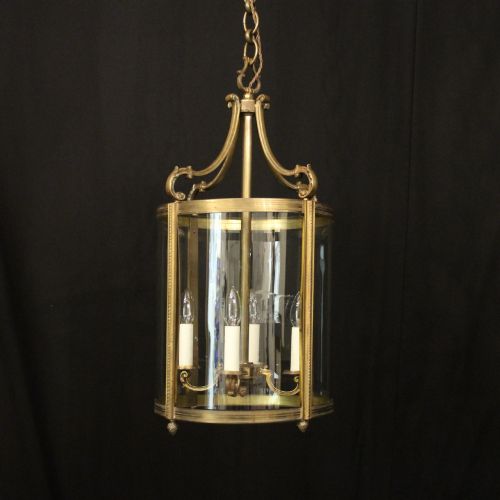
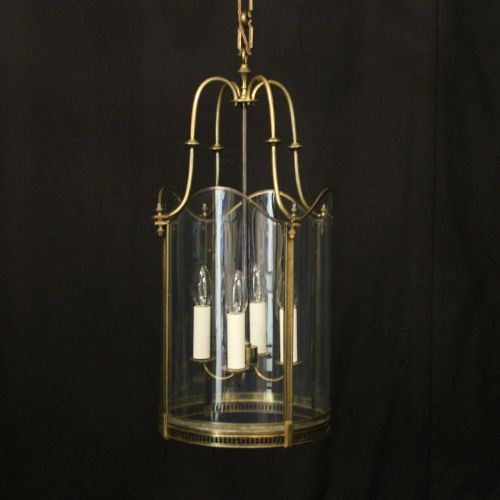
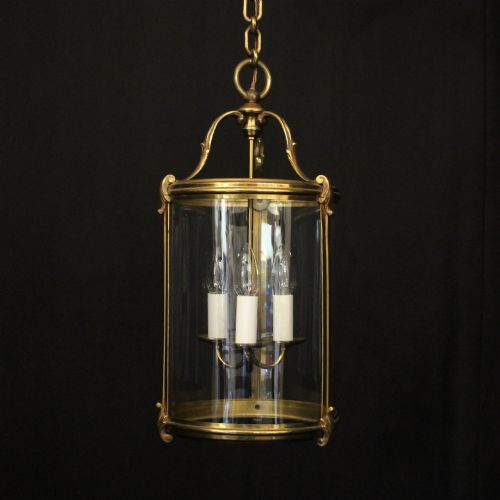
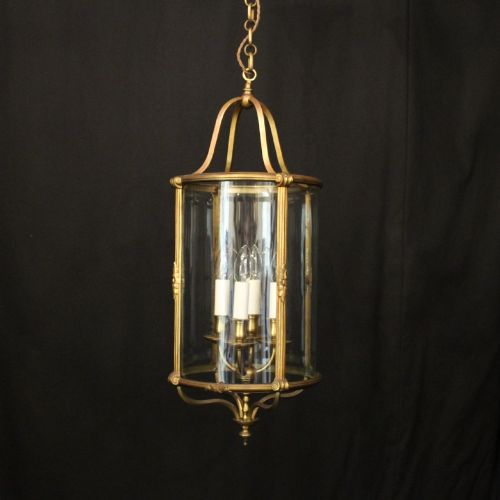
French Glass Lantern
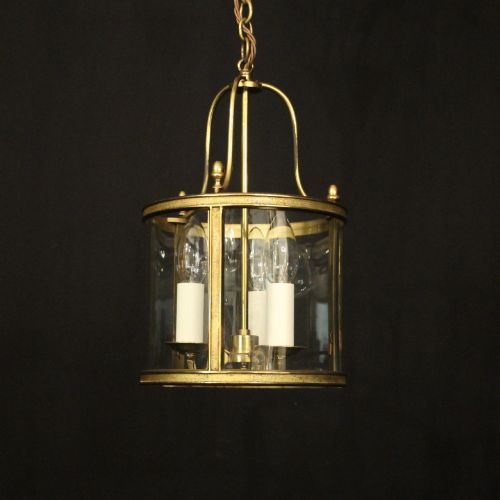
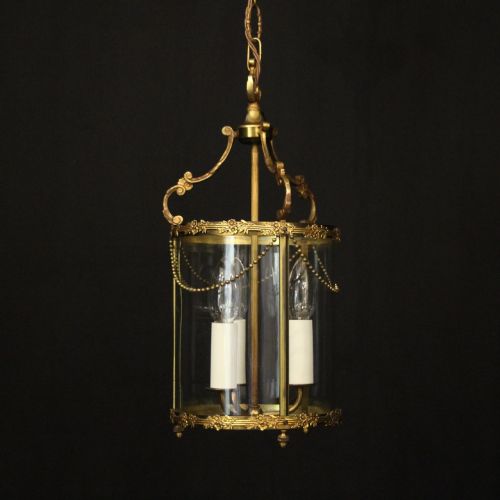
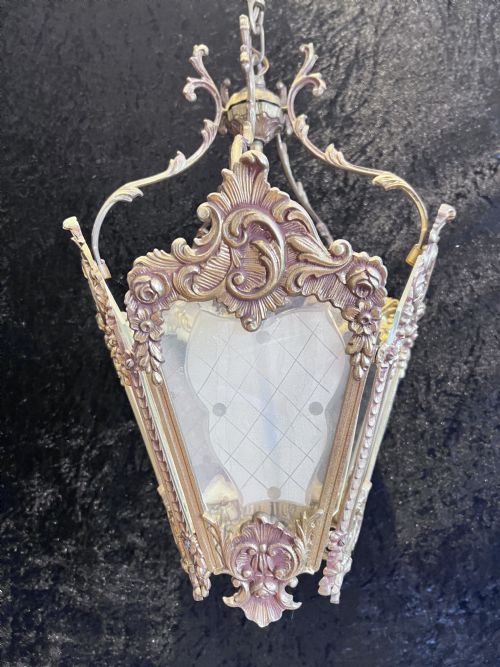
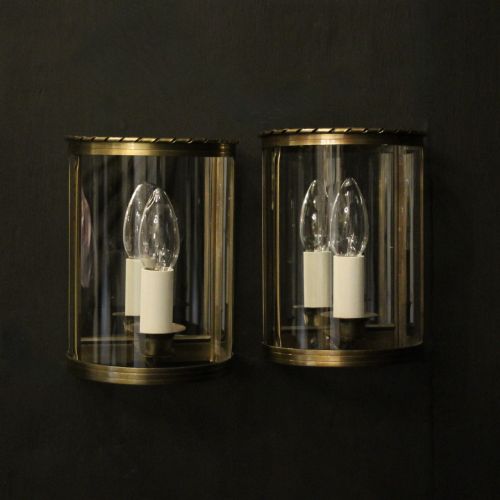
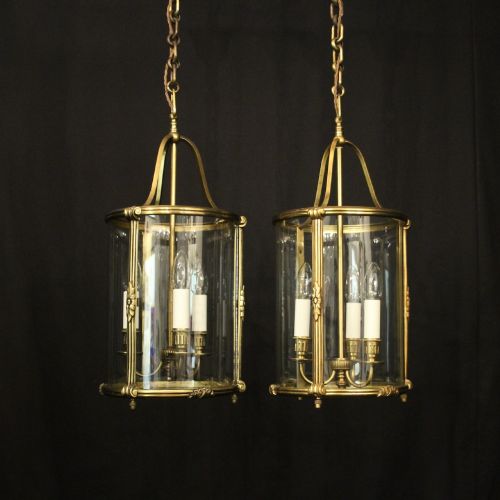
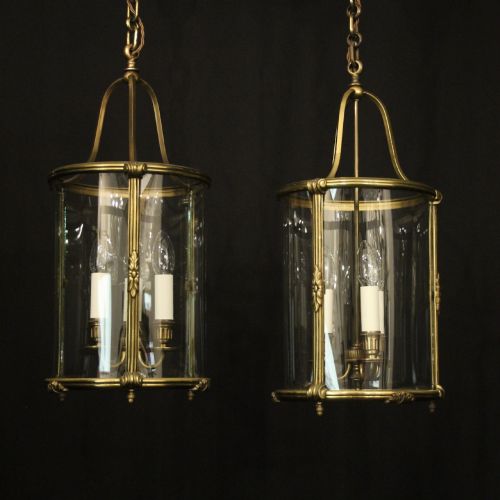
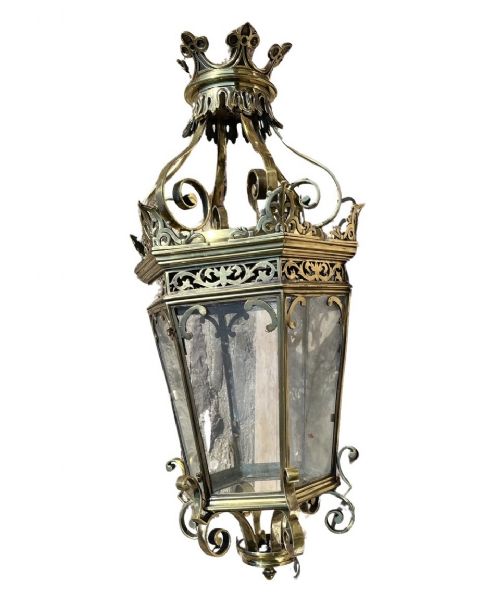
A french glass lantern brings architectural focus to a hallway or landing through cast metal frames and glazed panels.
French Glass Lantern
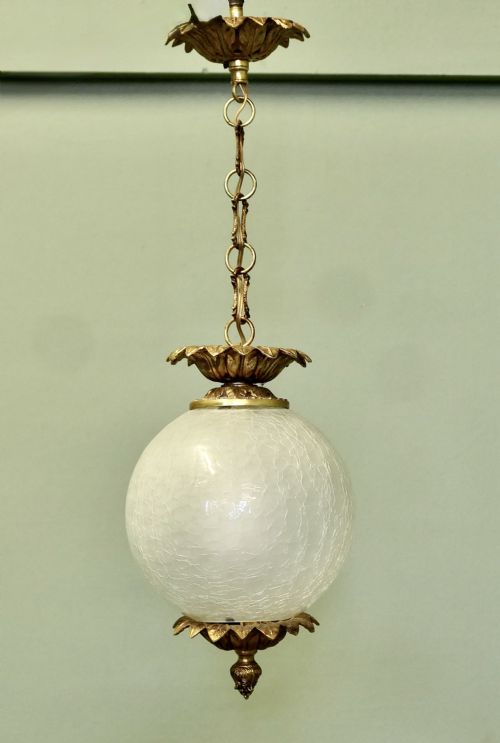
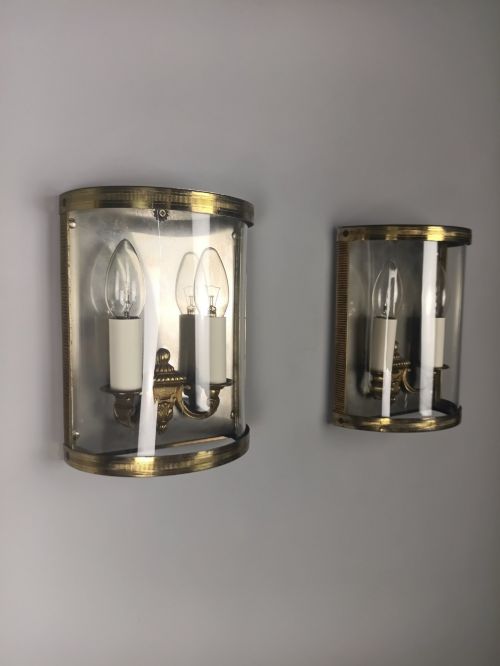
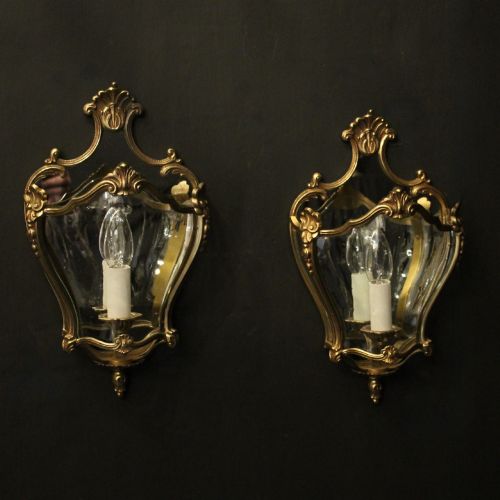
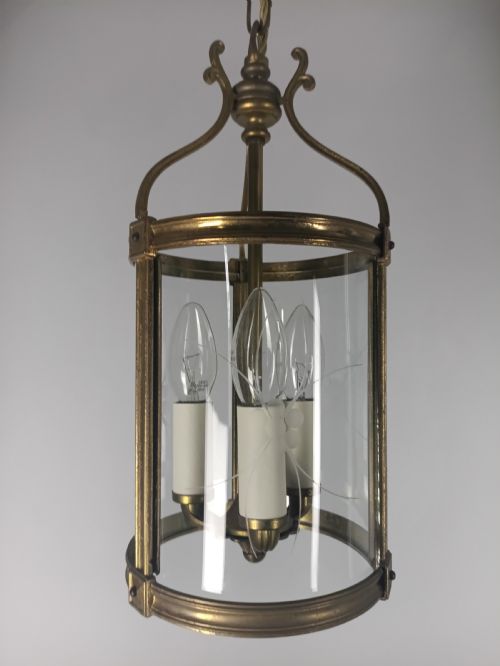
A french glass lantern typically takes the form of a hall lantern, ceiling light, or wall sconce designed to illuminate entranceways and principal rooms.
Buyers searching for a french glass lantern encounter pieces spanning the nineteenth century through to the Art Deco period of the 1930s.
Materials and construction
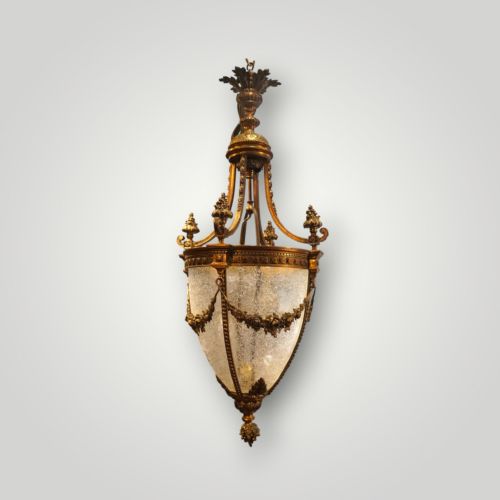
Workshops utilised cast bronze, brass, and copper to form structural frames, frequently applying a gilt or silvered finish to the metal.
Panels of clear, etched, bevelled, or moulded glass were fitted directly into the metal armature, often curving to shape convex profiles.
Many examples incorporate multiple internal light fittings and decorative elements such as cut glass drops or pierced galleries.
Listings span from the 1860s through the 1930s, featuring glass, brass, bronze, and gilt finishes.
Design and execution
The standard of a lantern depends upon the weight of the metal casting and the crispness of applied chased detail on the bronze or brass framework.
Subtleties in manufacture appear in the thickness of the glass panes and whether the glazing is flat, bevelled, or curved into a convex form.
Scale and proportion distinguish substantial hall lights from smaller pendant fixtures, with larger models requiring more complex internal framing.
The French Glass Lantern Glossary
- Convex glass
- Curved glass panels that project outward to diffuse light across a wider angle. This technique appears frequently on nineteenth and early twentieth century hall lanterns.
- Gilt bronze
- Bronze metal treated with a thin layer of gold or gold-coloured wash. It provides a durable and reflective surface often seen on formal French lighting.
- Hall lantern
- A hanging light fixture designed specifically for corridors, stairwells, and entrance halls. These pieces usually suspend from a single chain or rod.
- Louis XVI style
- A classical design vocabulary characterised by symmetry, straight lines, and restrained ornamental motifs. Pieces from this tradition often feature urn or ribbon details.
- Etched glass
- Glass surfaces decorated with acid or abrasive tools to create opaque patterns. This treatment softens the internal bulb glow.
French Glass Lantern: Frequently Asked Questions
How do I hang a heavy brass lantern?
Suspension requires fixing directly into ceiling joists using a steel hook capable of supporting the combined weight of the metal frame and glass panels.
Professional installation ensures the electrical supply connects safely to the internal lamp holders without straining the original hanging loop.
Can I use these lanterns outdoors?
Most antique fixtures were built for interior hallway placement and lack modern weatherproof seals against moisture ingress.
Protecting them beneath a deep porch keeps historical metalwork and original wiring safe from weather damage.
How do I clean the glass panels?
Careful maintenance involves removing individual glass panes where possible or wiping them gently with a soft cloth and mild glass cleaner.
Avoid letting liquid pool near fragile soldered joints or vintage gilt finishes on the surrounding metal.
How do I date a bronze frame?
Dating relies on examining casting techniques, fixing screws, and stylistic details such as Neoclassical motifs or 1930s geometric Art Deco lines.
Comparing the patination of the bronze against known nineteenth and early twentieth century production methods confirms the era.