
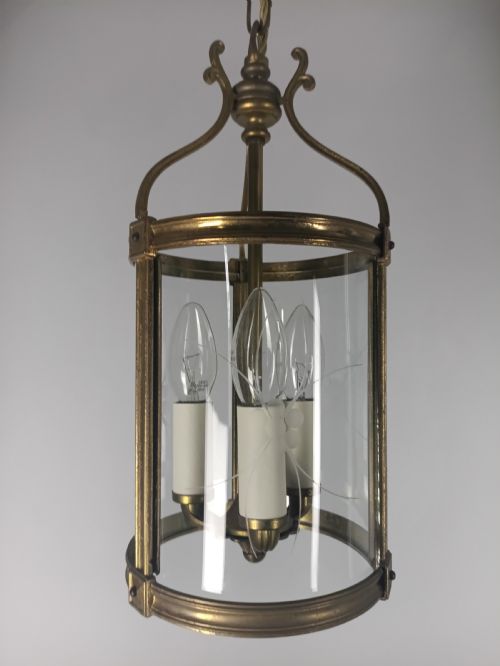
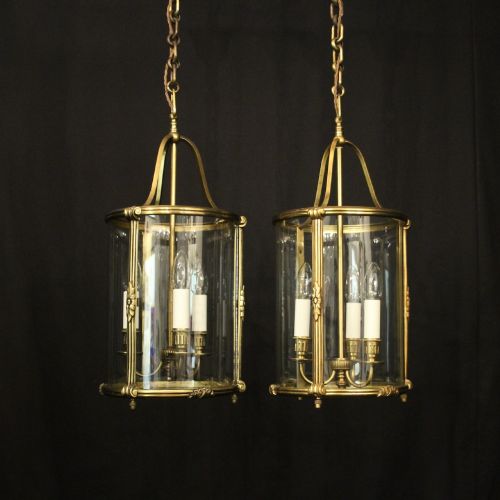
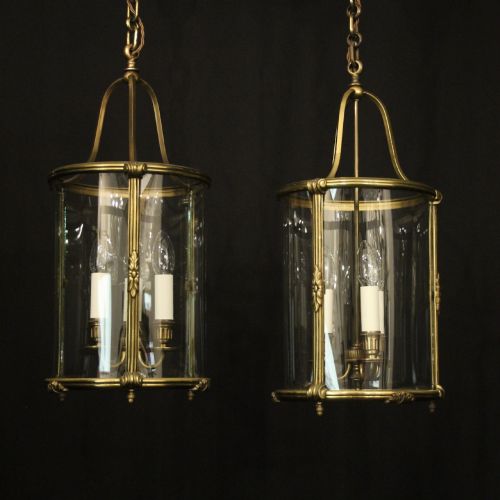
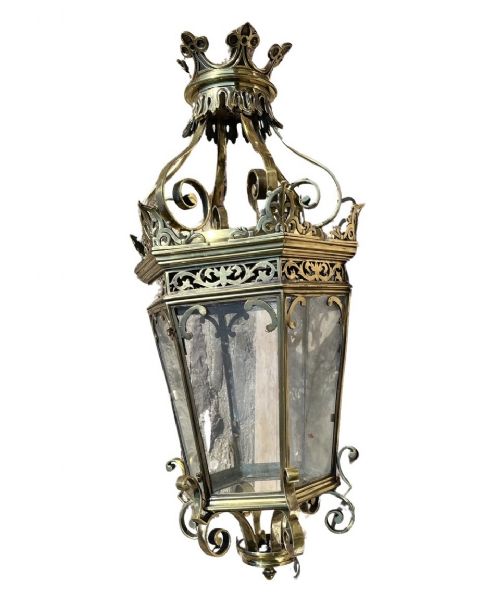
French Brass Hall Light
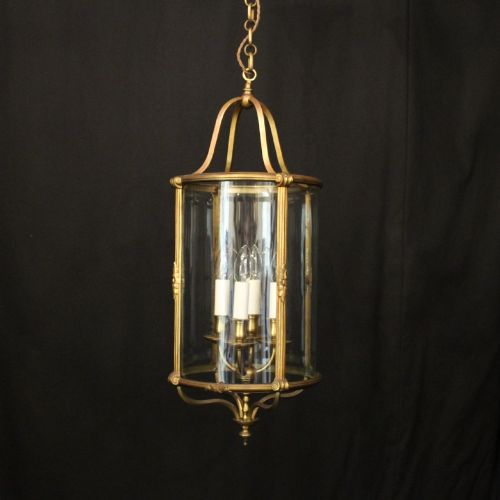
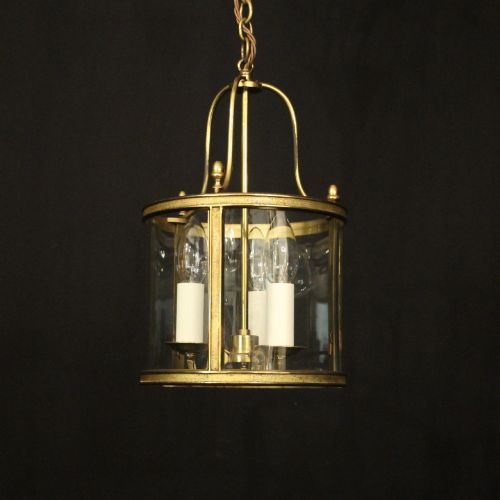
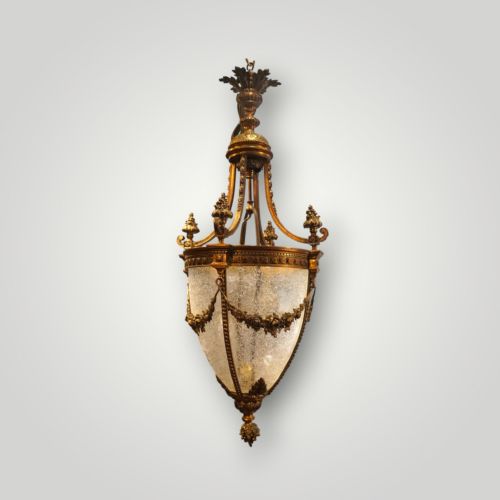
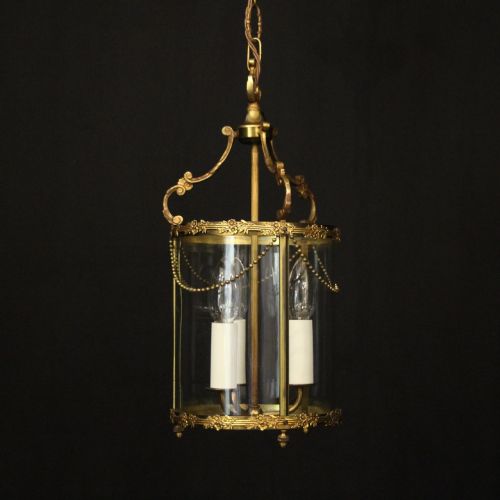
A French brass hall light brings substantial period character and warm illumination to entrance spaces through refined metalwork and glass panels.
French Brass Hall Light
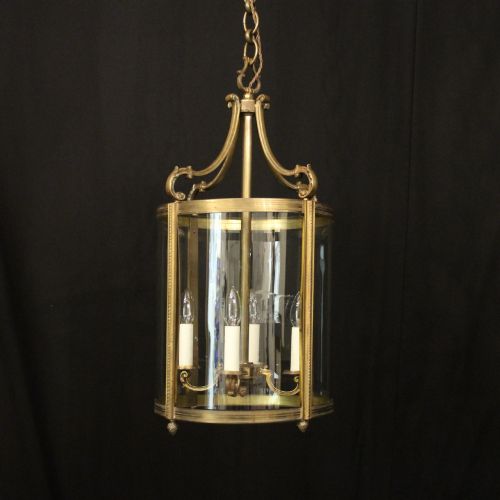
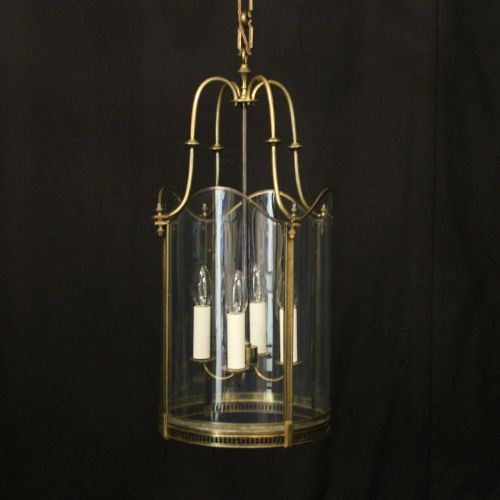
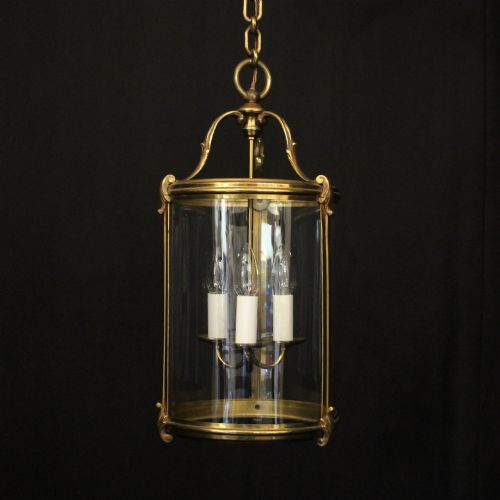
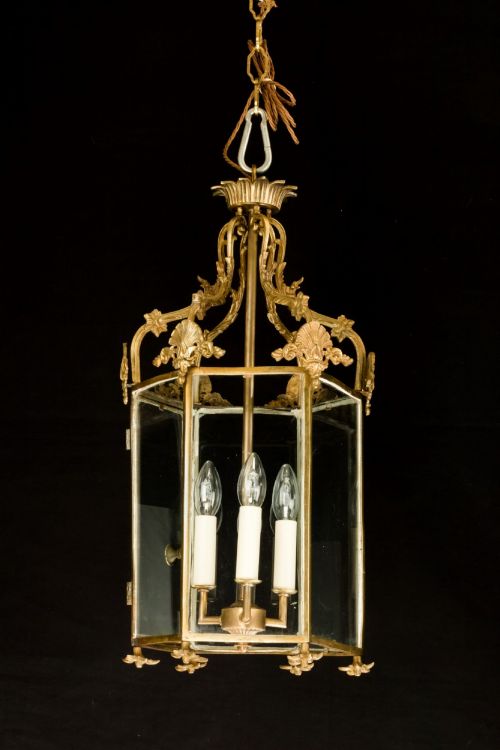
A French brass hall light encompasses hanging lanterns, pendant lighting, and ceiling fixtures originating primarily from the nineteenth and early twentieth centuries. These pieces appear in styles ranging from French Neoclassical and Rococo to French Chateau and Art Deco, designed specifically to illuminate grand hallways and entrance passages.
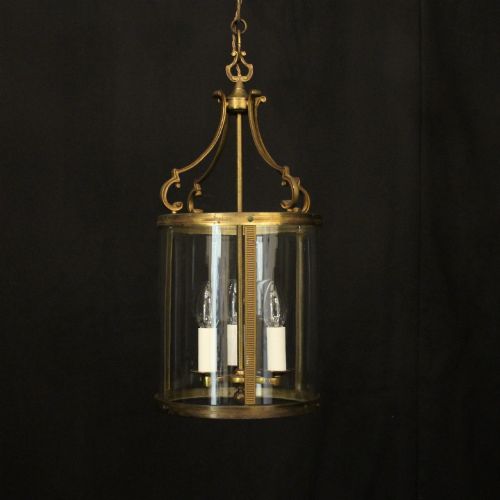
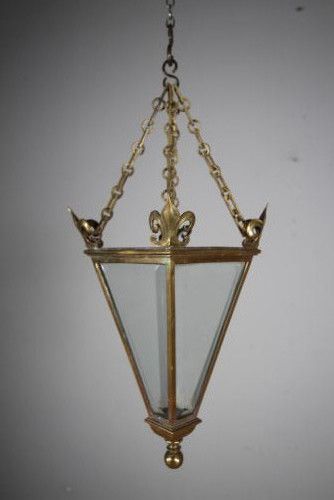
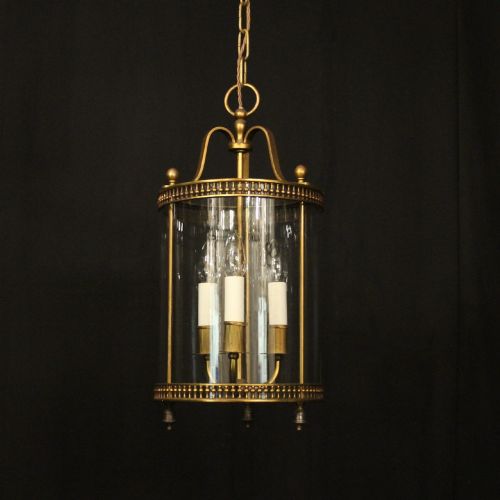
The most common examples met on this page are sturdy brass or gilded bronze hanging lanterns featuring single, twin, or triple lights enclosed by glass. Many incorporate convex or bevelled glass panels that refract the internal bulb illumination effectively across vestibules and corridors.
Materials and Construction
Makers constructed these fixtures using cast brass, bronze, and gilt bronze, often enhancing the warm metallic surfaces with extensive fire gilding or parcel gilt finishes. Glazing methods relied on clear, etched, or moulded glass panes held securely within hinged doors and structural brass frames.
Construction techniques combined heavy metal casting for decorative crests and frames with delicate soldered joints for the lantern cages. Many pieces integrated internal candle holders later adapted for electrical wiring during subsequent twentieth-century restorations.
Listings feature brass, bronze, and gilt bronze materials combined with glass across nineteenth and twentieth-century periods.
Indicators of Superior Craftsmanship
Quality in a French brass hall light rests upon the weight and definition of the cast metalwork, where deeply chased bronze or brass displays crisp architectural details rather than soft, mass-produced edges. Superior examples utilise heavy gauge metals and substantial bevelled or convex glass panes that fit precisely within their frames.
The sophistication of the stylistic ornamentation - such as finely articulated French Rococo scrollwork or Neoclassical mounts - separates standard utility pieces from masterwork fixtures designed for prominent domestic and palatial settings.
Perry And Co
The French Brass Hall Light Glossary
- Convex glass
- Curved glass panels that project outward from the lantern frame to diffuse light across a wider angle. This feature appears frequently on mid-nineteenth and early twentieth-century French hall lanterns.
- Ormolu
- Gilt bronze ornamentation applied to furniture and lighting fixtures. The technique involves creating a finely chased bronze base coated in a layer of gold amalgam.
- Tole peinte
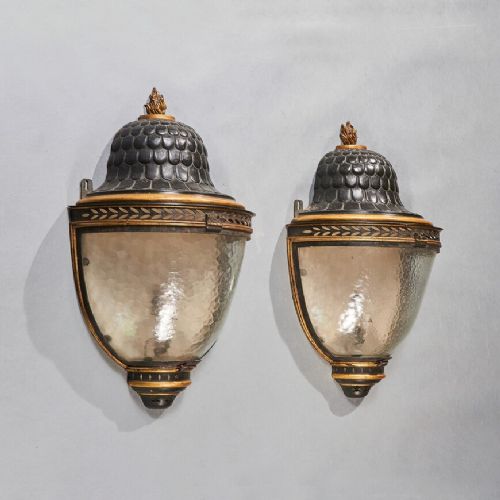
- Painted sheet metal used to construct decorative components of certain wall and ceiling lanterns. It provides contrasting colour elements alongside polished brass frames.
- Bevelled glass
- Glass panes with angled edges ground down to catch and reflect internal light. This detail denotes higher quality production in period lighting.
- Gilt bronze
- Bronze metal treated with a gold finish to produce a rich metallic lustre. It resists tarnishing while maintaining a warm decorative appearance.
French Brass Hall Light: Frequently Asked Questions
How do I hang a heavy brass lantern safely?
Suspension requires securing the primary ceiling chain directly into structural ceiling joists rather than relying on standard plasterboard fixings. Using appropriate weight-rated fixings ensures the heavy cast bronze frame hangs securely.
Electrical connections should be routed through the canopy and checked by a qualified professional to support the total fixture weight.
Were these lights originally electrified?
Early examples from the nineteenth century were manufactured to burn candles or oil before being adapted for electricity during later decades. Rewiring allows these historic fixtures to function safely within modern domestic electrical systems.
Many surviving pieces retain their original mounting hardware and internal burner assemblies modified for modern bulb holders.
What is the difference between brass and gilt bronze?
Brass is an alloy of copper and zinc offering a bright golden metallic tone that develops a natural patina over time. Gilt bronze consists of a copper and tin alloy treated with a gold surface layer.
Gilt bronze generally exhibits sharper casting detail and a deeper, warmer reflection than standard brass.
How do I clean an antique brass light?
Maintenance involves gentle dusting with a soft dry cloth to prevent the accumulation of grime on the glass panels and metal frame. Avoid harsh chemical polishes that can strip away historic patination or delicate gilt finishes.
Glass panes may be cleaned using a mild glass cleaner applied directly to a cloth rather than the metal components.