


Monochrome Portrait Wall Art
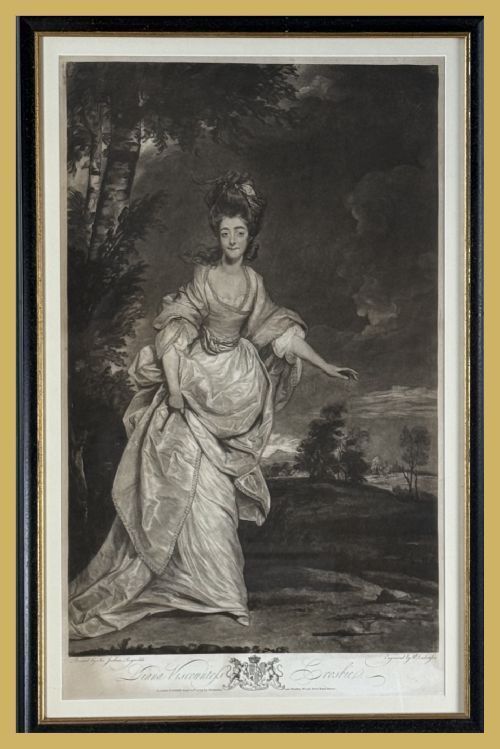
Monochrome portrait wall art gathers centuries of black and white imagery, ranging from stark charcoal drawings to intricate mezzotints that bring historic faces into modern spaces.
Monochrome Portrait Wall Art
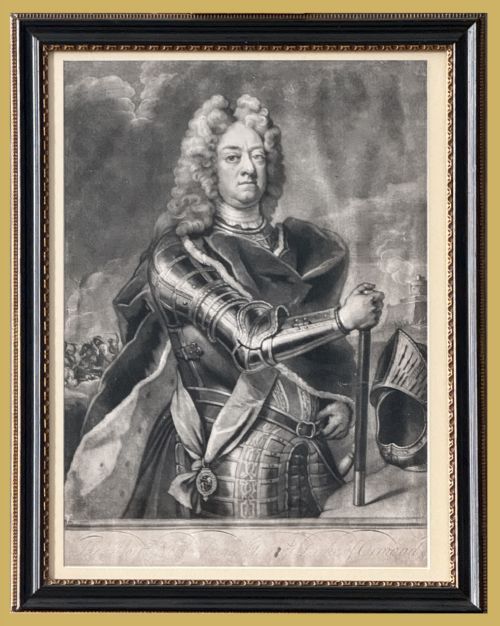
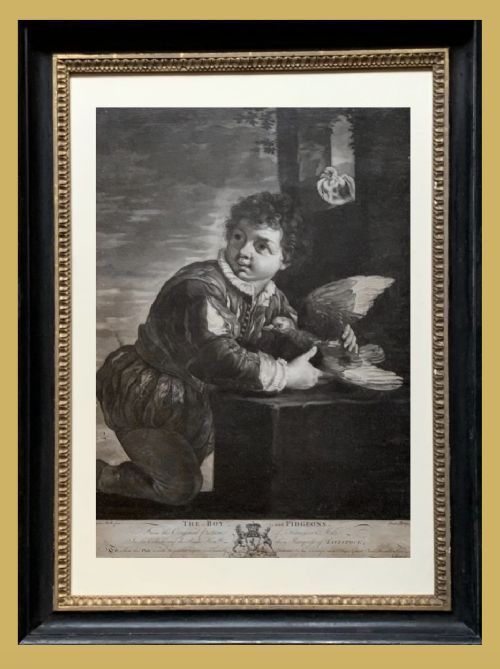
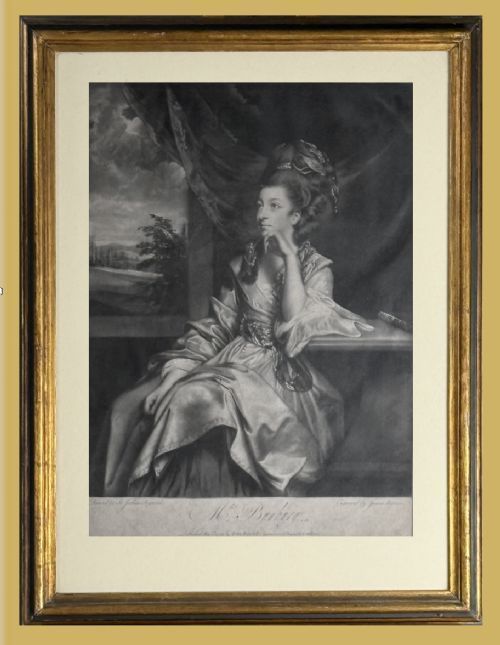
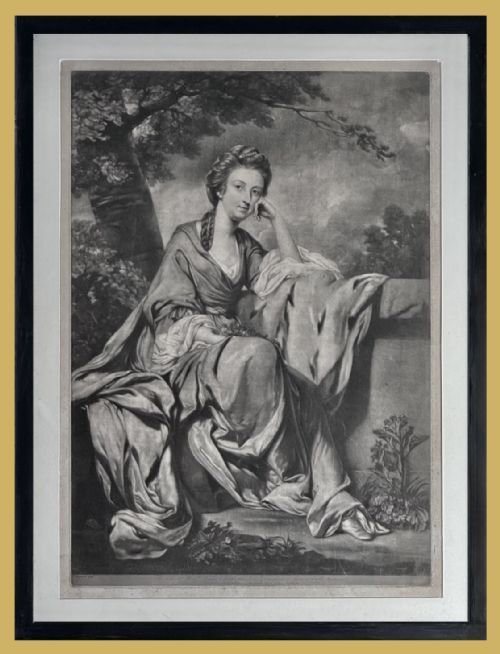
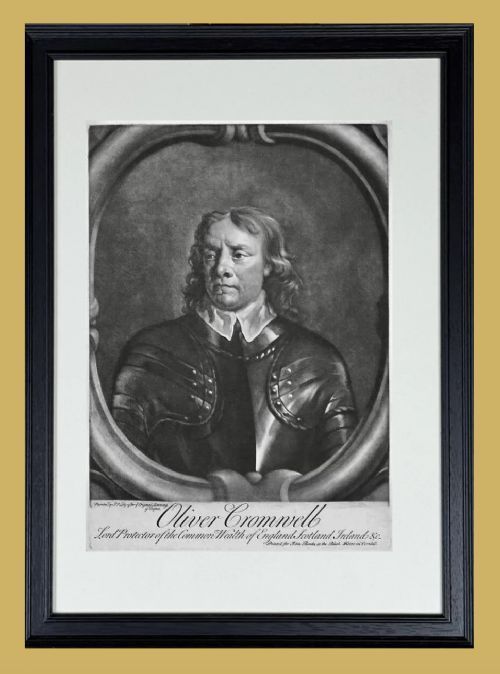
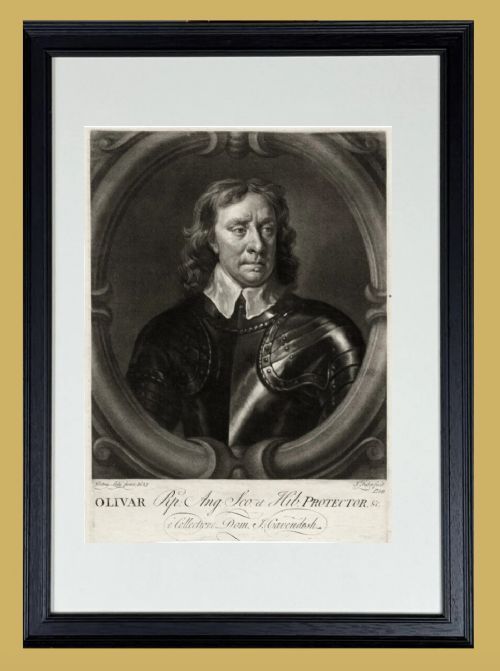
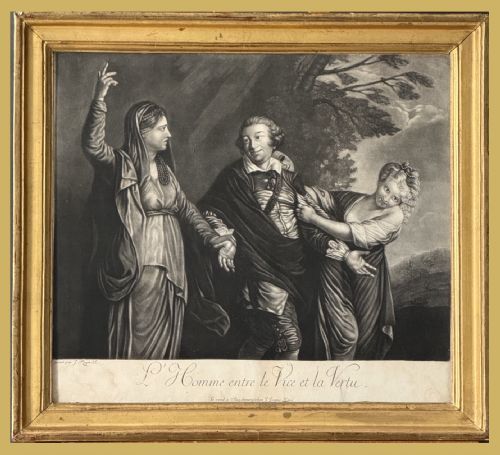
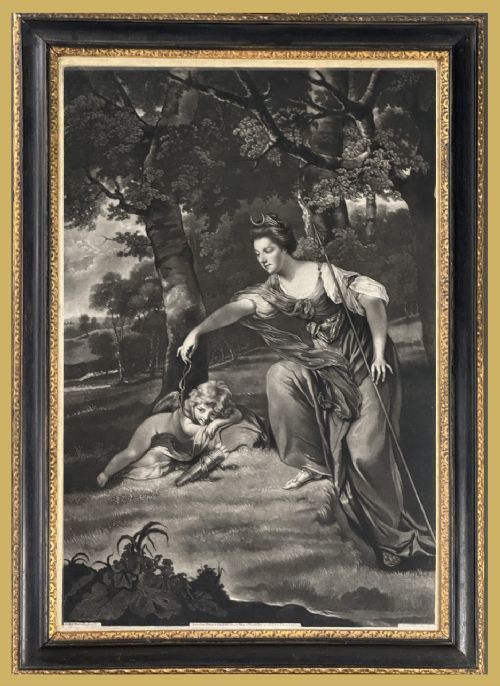
Monochrome portrait wall art spans several centuries of printmaking and drawing, concentrating on the human face and figure rendered in single-colour tones.
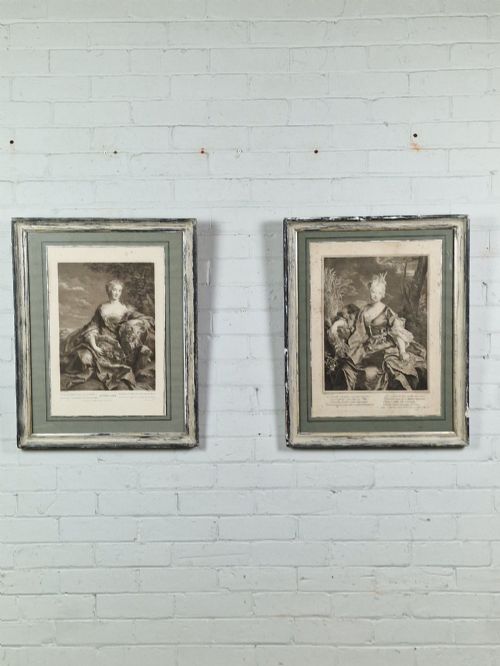
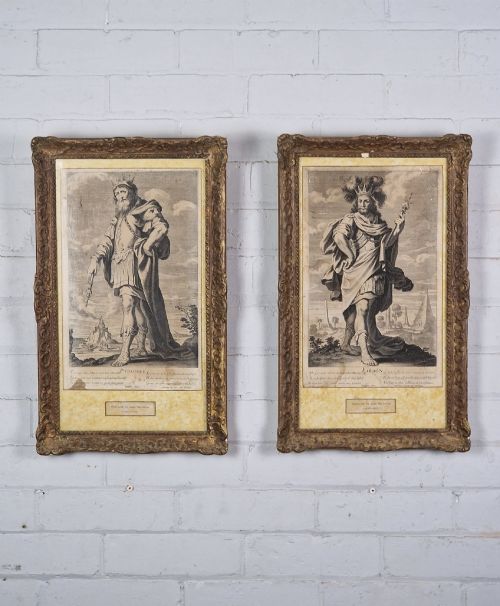
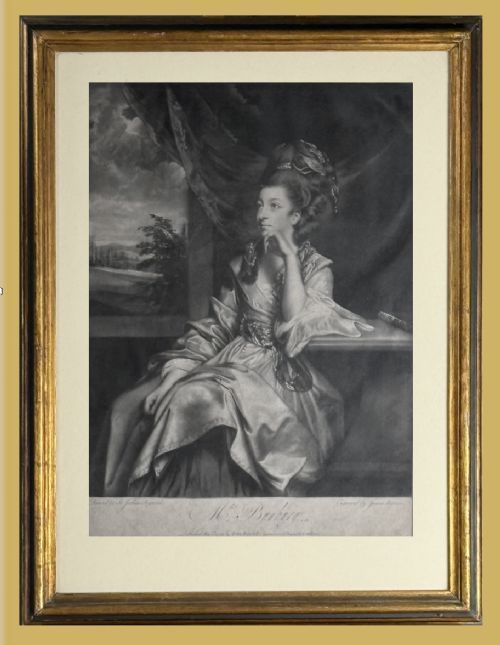
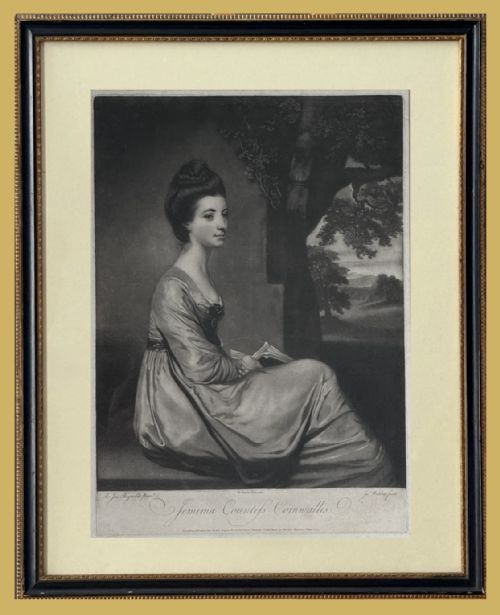
The selections encountered here most frequently include eighteenth-century mezzotints and engravings after classical painters, alongside nineteenth-century charcoal and ink drawings.
Framed artwork dominates the current selection, preserving fragile paper works behind glass within traditional wooden and gilt frames.
How these works were produced
Mezzotints and engravings rely on copper or metal plates worked by hand with rockers, burins, and etching needles to hold ink for transfer onto paper.
Drawings utilise charcoal, graphite, pen, ink, wash, and gouache applied directly to paper supports to achieve tonal depth and shadow.
Frames incorporate wood, glass, and gold leaf components to protect and display the delicate paper sheets within.
Even historic dukes and stern composers occasionally pause for a portrait with a well-placed cigar or a loyal spaniel.
What separates examples by quality
Print quality depends upon the state of the plate during printing, where early impressions yield crisp contrasts and sharp facial details while worn plates produce muddy midtones.
Original hand-drawn works separate themselves through the sureness of the draughtsmanship and the preservation of subtle washes and charcoal gradations.
The integrity of the framing materials, including period gilt wood and clean glass, contributes to the overall retention of the artwork's original context.
John Simon·John Boydell·James Watson·Edward Fisher·John Smith·Thomas Murray·Thomas Frye·James Heath·Kurt Meyer-Eberhardt·John Faber Jr·Valentine Green·James MacArdell·Richard Houston·Julian Mandel·Herbert Dicksee
The Monochrome Portrait Wall Art Glossary
- Mezzotint
- A printmaking process where the copper plate is roughened uniformly to produce dark areas, then scraped and burnished to create light tones. This technique allows for rich, velvety gradations of shadow.
- Engraving
- A method of cutting design lines directly into a metal plate with a sharp tool called a burin. The resulting lines hold ink under pressure to create precise linear images.
- Drypoint
- An intaglio printmaking technique where a sharp needle is scratched directly into the metal plate, raising a burr that gives the printed lines a soft, velvety appearance.
- Gouache
- An opaque water-based paint composed of pigment, water, and a binding agent such as gum arabic, often heightened with white to create solid highlights.
- Gilt wood
- Wood that has been treated and coated with a thin layer of gold leaf or gold paint, frequently seen on antique picture frames.
Monochrome Portrait Wall Art: Frequently Asked Questions
What is a mezzotint portrait?
A mezzotint portrait is a print created from a roughened metal plate that produces smooth tonal gradations rather than hard lines.
Master engravers scraped the plate to lighter depths to capture the subtle shadows and likenesses of eighteenth-century subjects.
How do I care for antique paper art?
Antique paper art requires protection from direct sunlight and high humidity to prevent fading and foxing.
Keep framed pieces behind glass in stable room environments away from damp exterior walls.
Are these works original prints?
Many listings feature period printmaking methods like mezzotint, etching, and engraving executed during the lifetime of the artist or shortly after.
Originality in this context refers to the vintage of the printing plate impression rather than a unique drawing.
What framing is typically found?
These works are commonly housed in wooden frames, frequently incorporating gilt or gold leaf finishes appropriate to their period of origin.
The framing protects the delicate paper and ink surfaces while providing structural support for wall hanging.