
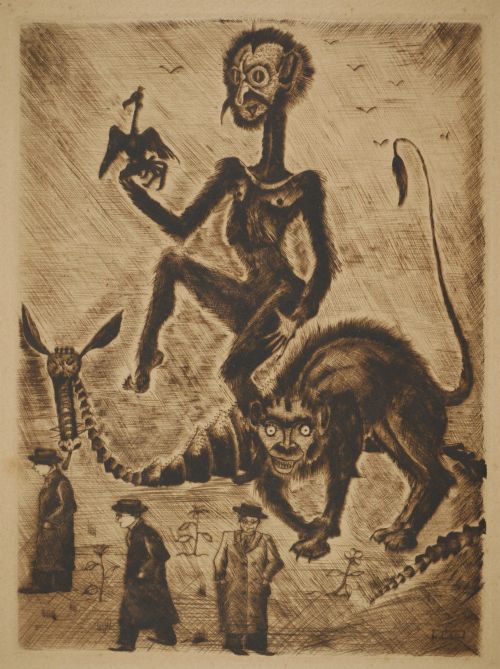
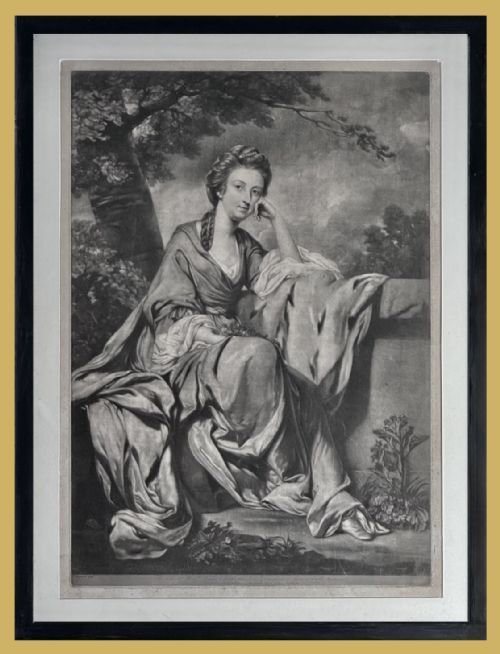
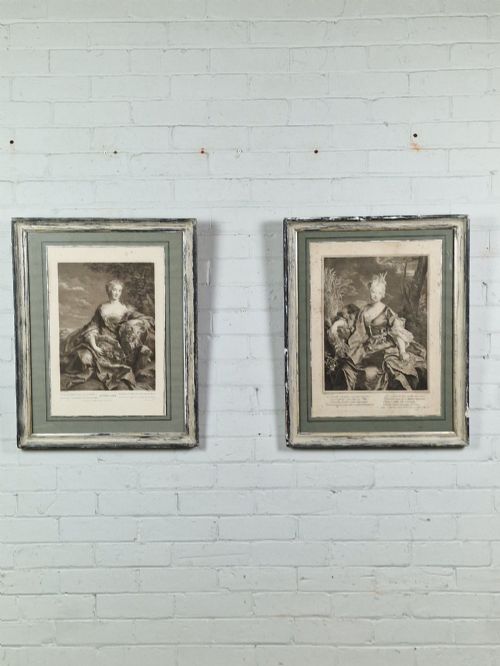
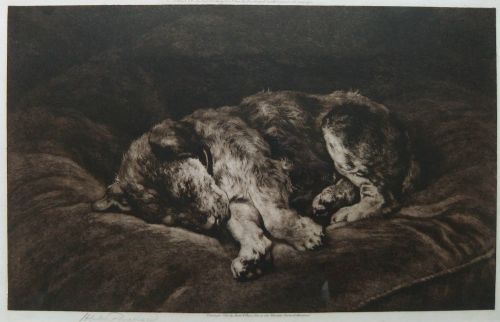
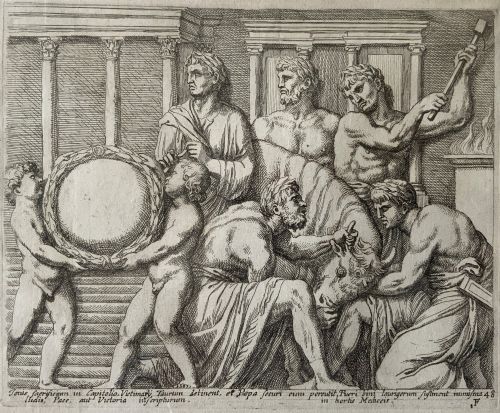
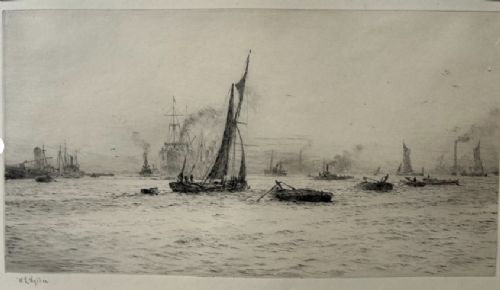
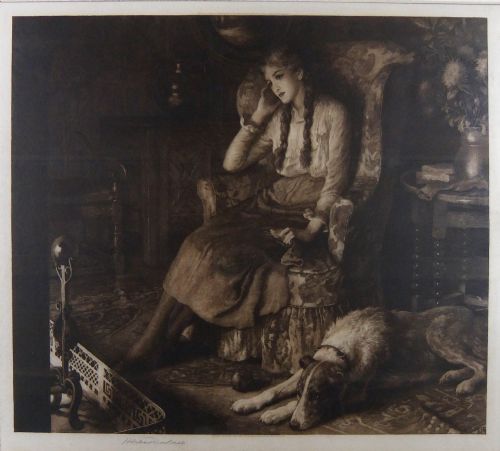
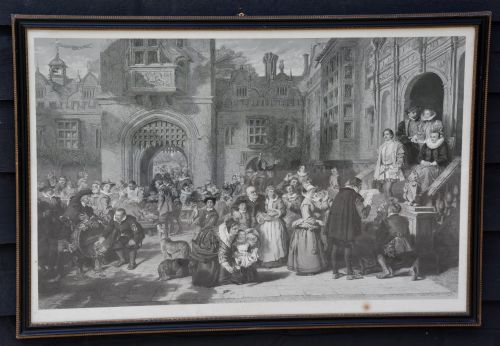
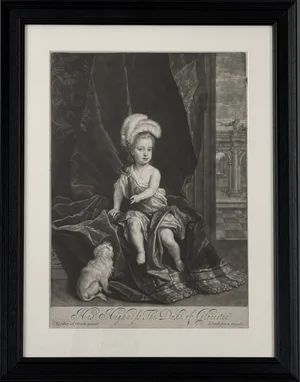
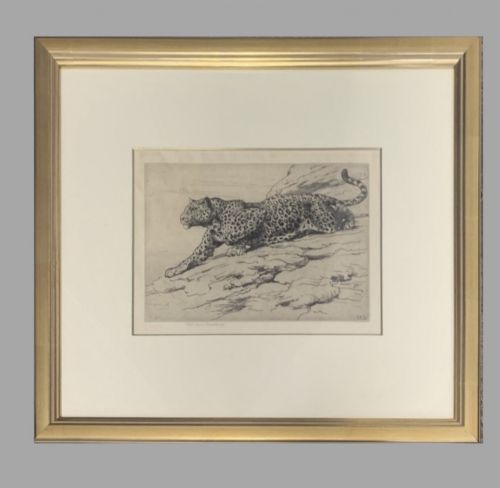
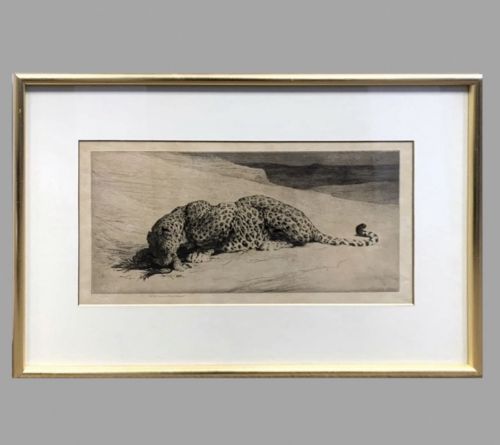
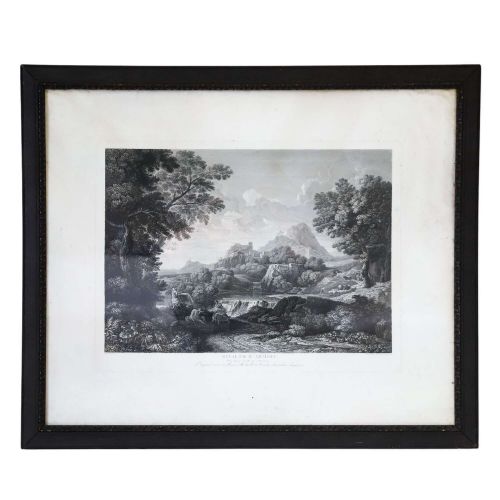
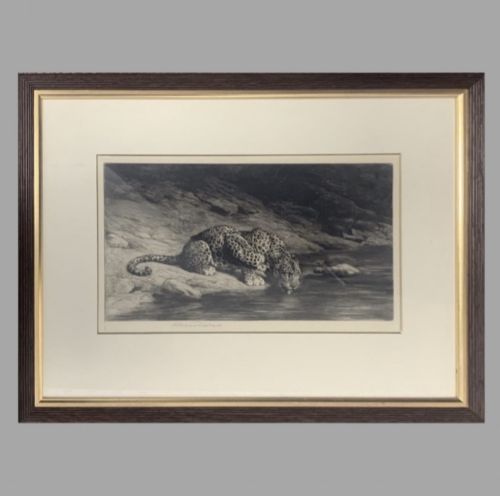
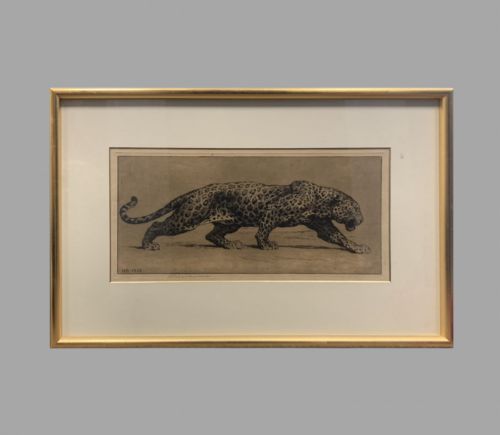


Monochrome Paper Etching
Monochrome paper etching brings together centuries of inked plates and fine paper, offering collectors direct access to historical printmaking.
Monochrome Paper Etching
A monochrome paper etching involves ink transferred from a prepared plate onto paper sheets, encompassing prints and engravings across multiple centuries.
The pieces on this page span the seventeenth through the twentieth centuries, utilising paper, ink, glass, wood, and gold leaf.
Buyers encounter works reflecting neoclassical, Edwardian, Victorian, Georgian, Baroque, Art Deco, and surrealist styles.
How they were made
Makers applied ink to engraved or etched metal plates before pressing the image onto paper sheets under pressure.
Many works incorporate glass, wood, gilt wood, or gold leaf within period frames to protect the paper prints.
Listings feature works from the 17th century through the 1930s on paper and ink.
What varies in quality
Impression strength and ink saturation distinguish sharper plates from worn printings.
The condition of the paper surface and the presence of original framing elements influence the character of each piece.
Kurt Lorein Victor Peiser·Edward Fisher·Herbert Dicksee·François Perrier·William Lionel Wyllie·John Smith·Augustus Edwin John·Claes Jansz Visscher·James Dobie·Edgar J Maybery·Louis Icart·Norman Janes
The Monochrome Paper Etching Glossary
- Etching
- A printmaking method where acid bites lines into a metal plate to hold ink. Artists use this technique to achieve fine linear detail.
- Engraving
- A technique where lines are cut directly into a metal plate with a burin tool. This produces sharp and precise imagery on paper.
- Drypoint
- A printmaking process where a sharp needle scratches lines directly into the metal plate. This method creates a characteristic velvety burr in the printed lines.
- Mezzotint
- A tonal printmaking method where the metal plate is roughened uniformly to hold ink for deep darks. Scraper and burnisher tools create lighter areas.
- Aquatint
- A printmaking technique that produces tonal areas resembling watercolor washes. Rosin is melted onto the plate before acid biting.
Monochrome Paper Etching: Frequently Asked Questions
What is a monochrome paper etching?
A monochrome paper etching is a print created by transferring single-colour ink from a metal plate onto paper using a press.
These works span several centuries and styles, ranging from classical subjects to twentieth-century compositions.
How should I frame these prints?
These works require framing with acid-free materials to protect the paper from degradation over time.
Many period pieces retain original wood or gilt wood frames that complement the historical nature of the print.
How do I identify different print types?
Print types differ by the marks left on the paper and the texture of the lines.
Etchings show fine acid-bitten lines, while engravings display crisp cut grooves and drypoint exhibits soft burr edges.
Where were these prints made?
These works originate from various European workshops and publishing houses across Britain and the continent.
Artists and printmakers produced them during periods including the Georgian, Victorian, and Edwardian eras.