

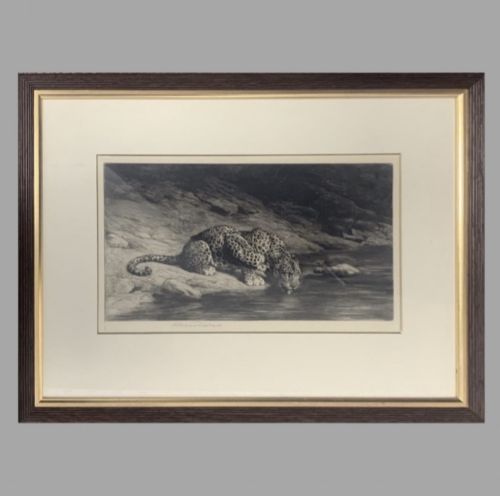
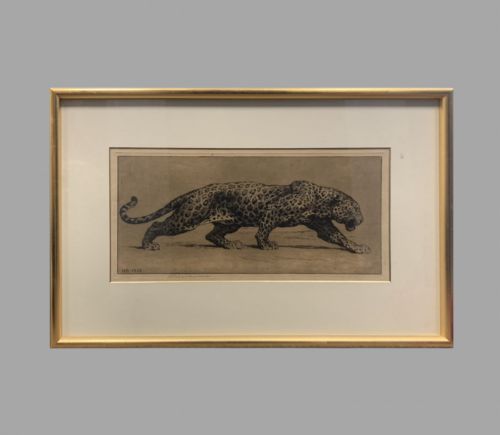
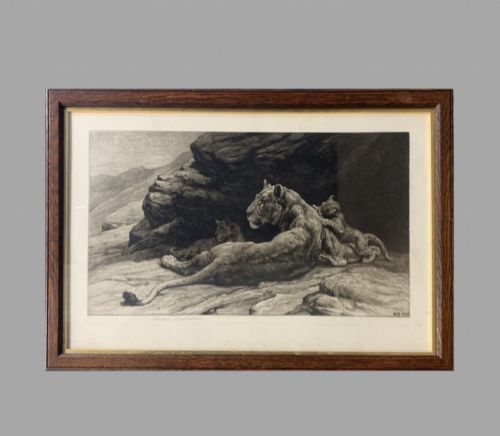


Edwardian Etching Print
An edwardian etching print brings the texture of early twentieth-century printmaking into a room, offering signed proofs and framed works from periods like 1900 and 1920.
Edwardian Etching Print
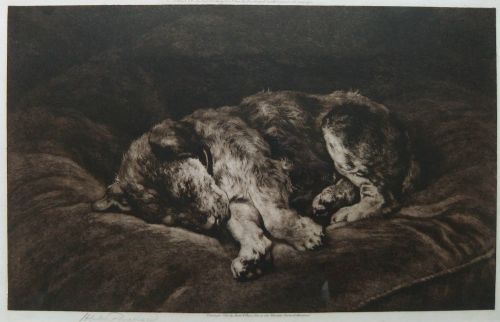
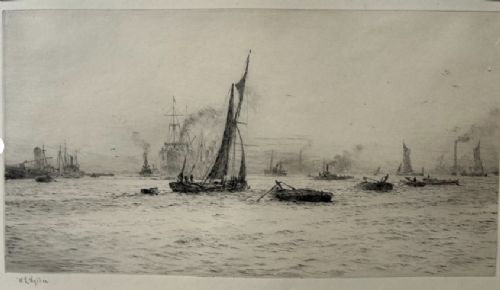
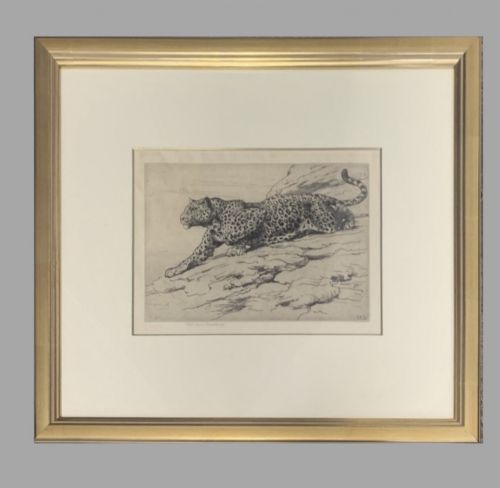
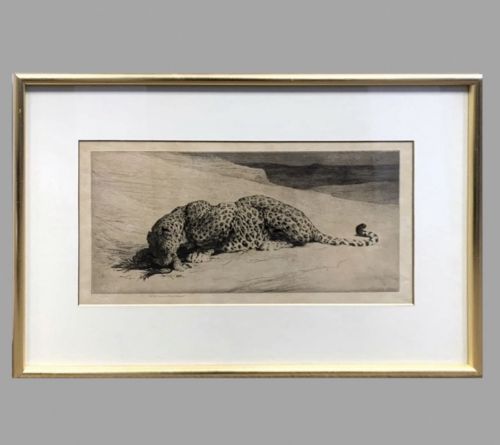
The edwardian etching print category encompasses framed wall art and works on paper produced across the Edwardian era, the Victorian period, and early 20th century. Buyers searching this phrase encounter signed artists proofs, maritime scenes, and animal subjects created by notable printmakers.
The most common examples on this page are original etchings and drypoint works rendered on paper or vellum, often retaining their period frames. Subjects range from river scenes on the Thames to detailed studies of dogs and big cats.
These works bridge traditional printmaking and decorative wall art, reflecting the aesthetic preferences of the nineteenth and twentieth centuries. Each piece preserves the hand of the artist through pencil signatures and limited edition runs.
How They Were Made
These prints rely on ink applied to etched metal plates, transferred onto paper or vellum through pressure. Artists utilised drypoint techniques alongside traditional etching to achieve deep tones and fine lines.
Framing materials in the evidence include oak, wood, gilt wood, and glass, paired with gold leaf accents. These protective housings secured the delicate paper and vellum sheets for display.
Support materials recorded across the inventory include paper, vellum, oak, and gold leaf.
What Varies in Quality
Quality rests in the clarity of the plate impression and the presence of a pencil signature by the artist. Proofs pulled early from the plate display sharper detail in the subjects than later impressions.
The condition of the paper or vellum and the originality of the framing materials influence the character of each piece. Intact provenance labels and historic frames add historical context to the artwork.
Herbert Dicksee·William Lionel Wyllie·Augustus Edwin John·Tom M Hemy·CB Prescott
The Edwardian Etching Print Glossary
- Etching
- A printmaking method where acid bites lines into a metal plate to hold ink. This process allows for fine detail and varied tonal ranges.
- Drypoint
- A printmaking technique where an artist scratches directly into a metal plate with a sharp needle. This raises a burr of metal that gives the printed lines a rich, velvety texture.
- Vellum
- A fine parchment made from calfskin used as a surface for fine art printing. It offers a smooth, durable alternative to paper.
- Artist Proof
- An impression of a print taken before the final edition is produced, retained by the artist. These proofs often carry pencil signatures and hold particular interest for collectors.
- Gilt Wood
- Wood carved and coated with a thin layer of gold leaf or gold paint. It provides a reflective, decorative border for framed works.
Edwardian Etching Print: Frequently Asked Questions
How do I identify an original etching?
Original etchings show a distinct plate mark in the paper where the metal edge pressed into the sheet during printing. Under magnification, the ink lines appear slightly raised rather than flat.
Signed artist proofs further confirm the authenticity and direct involvement of the printmaker in pulling the edition.
Are these prints signed by the artists?
Many examples in this category feature original signatures written in pencil beneath the image area. These signatures distinguish limited artist proofs from later commercial reproductions.
Checking for pencil rather than printed ink helps verify the hand of the printmaker.
What framing styles accompany these prints?
The pieces frequently retain period framing materials such as dark oak, plain wood, and gilt wood mouldings. Glass protects the paper or vellum surfaces from atmospheric dust and moisture.
Original frames often include historic backing paper and dealer or gallery labels from the era.
How should I care for an etching on paper?
Keep framed prints away from direct sunlight to prevent the ink and paper from fading over time. Stable indoor humidity levels protect both the paper support and the wooden frame.
Avoid hanging works in damp environments like kitchens or unventilated spaces.