


Dutch Master Portrait
A dutch master portrait brings the gravity and dramatic lighting of the seventeenth-century low countries straight into a room.
Dutch Master Portrait
When searching for a dutch master portrait, collectors encounter original seventeenth-century oils alongside later nineteenth-century interpretations and twentieth-century studies created in the baroque or golden age style.
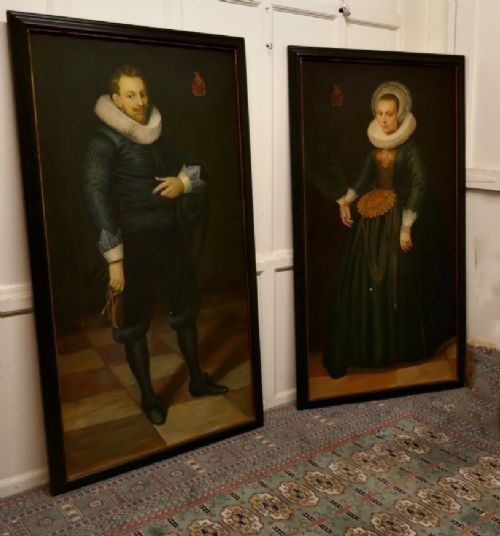
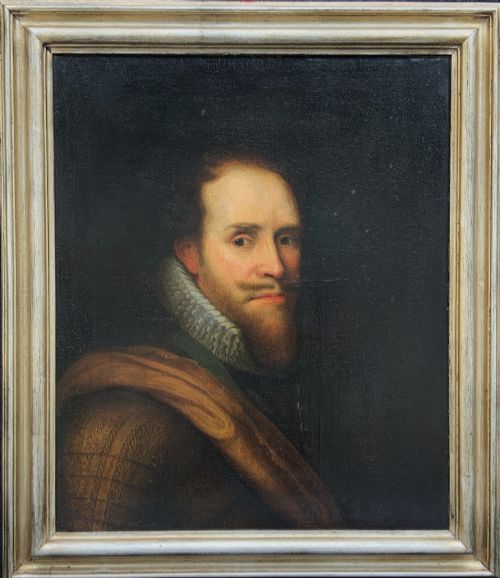
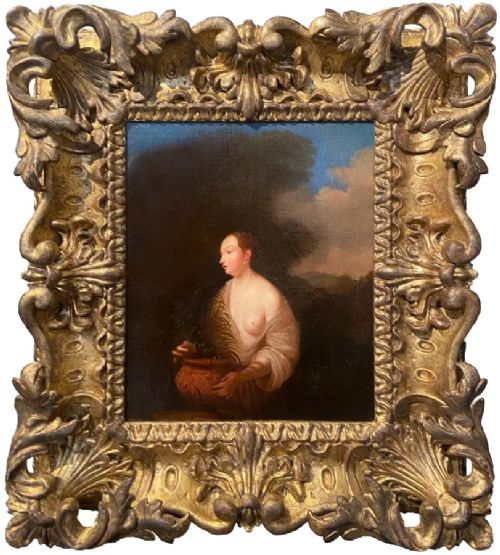
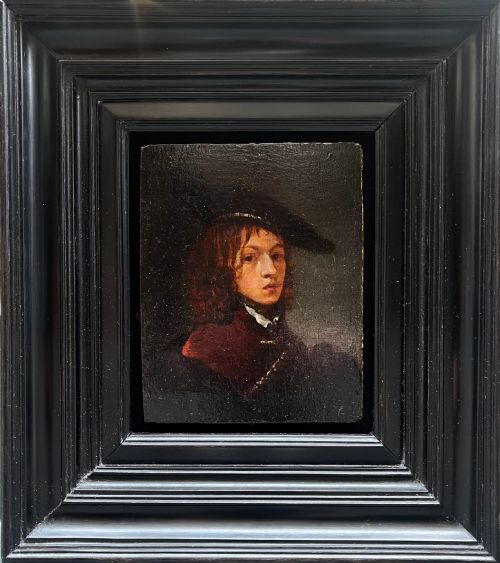
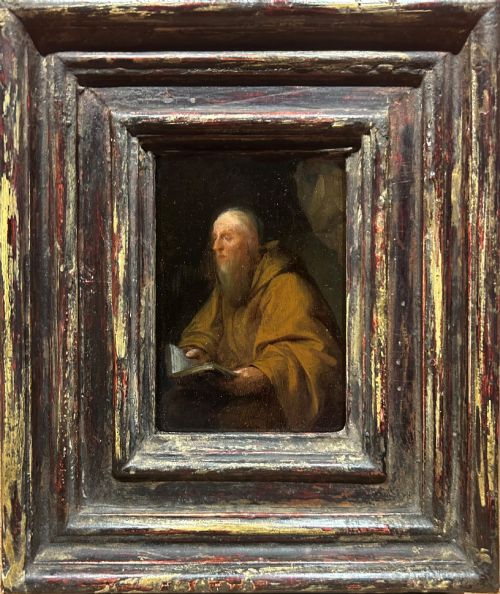
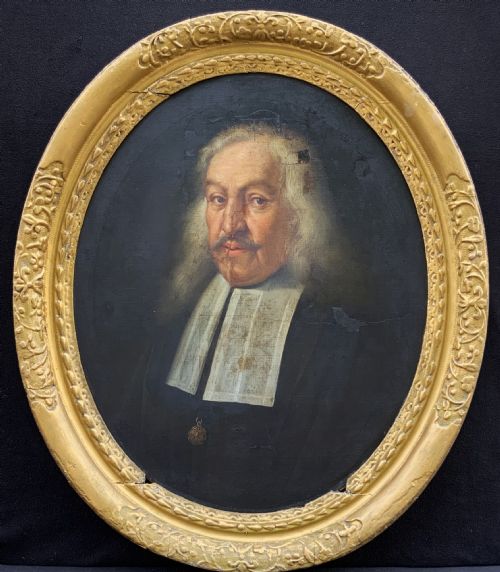
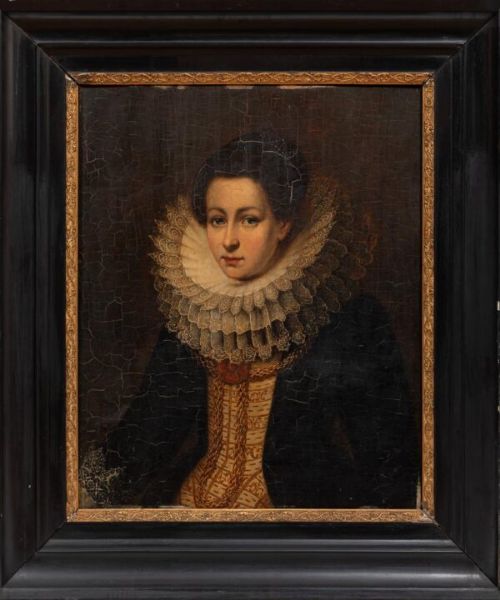
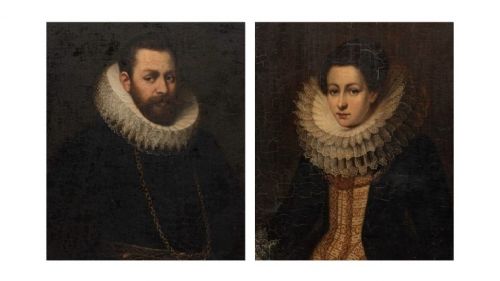
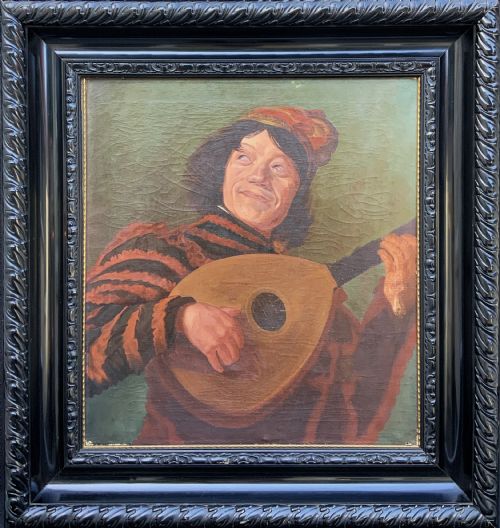
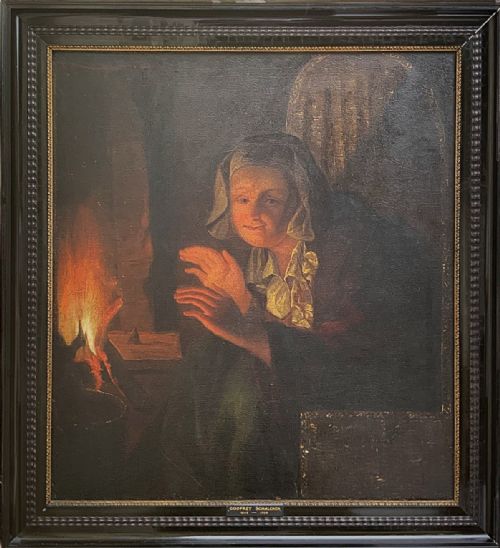
The subjects range from nobility and wealthy burghers wearing intricate ruff collars to genre figures such as musicians, hermits and tavern drinkers depicted in characteristic interiors.
Many works on this page originate from the circles or followers of prominent seventeenth-century painters, offering the aesthetic of the golden age through later canvases, panels and engravings.
Materials and construction
These works rely primarily on oil paint applied to canvas, wood panels or copper plates, utilising rich pigments to build deep shadows and luminous highlights.
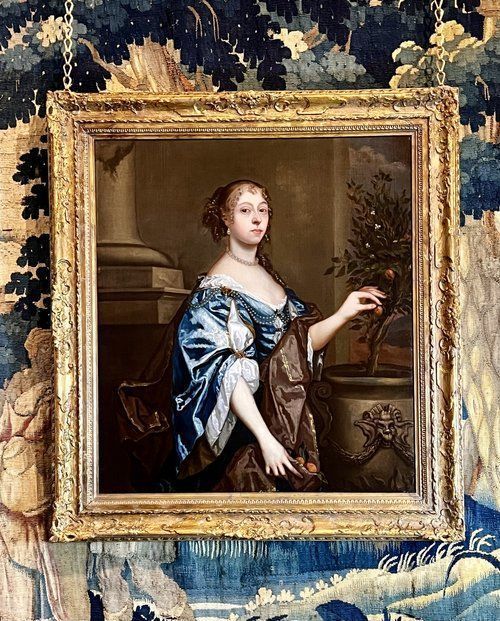
Many period and later pieces sit within heavy giltwood frames embellished with gold leaf, which accentuate the dramatic chiaroscuro of the compositions.
Several portraits feature sitters wearing remarkably stiff ruff collars that look entirely capable of holding up a tired head after a long sitting.
Distinctions in quality
Quality rests on the handling of light and shadow, the precision in rendering textures such as lace ruffs or satin dresses, and the psychological depth captured in the sitter's expression.
Period authenticity and the closeness of a work to a master's immediate circle or studio distinguish exceptional historical examples from later decorative copies.
Pieter Borsseler·Nicolaes Maes·Cornelis Van Der Voort·David Teniers·Rembrandt van Rijn
The Dutch Master Portrait Glossary
- Chiaroscuro
- The treatment of light and shade in drawing and painting. This technique creates strong contrasts to give subjects sculptural volume.
- Golden age
- A period of exceptional artistic production in the seventeenth-century Netherlands. Painters during this era developed distinctive realism and portraiture traditions.
- Ruff
- A pleated starched collar worn by nobility and burghers in the sixteenth and seventeenth centuries. Intricate examples signal wealth and high social status in portrait subjects.
- Old master
- An eminent European painter of the period before eighteen hundred. The term also applies to a painting created by such an artist.
Dutch Master Portrait: Frequently Asked Questions
What is a dutch master portrait?
A dutch master portrait is a painting representing the artistic traditions of the Netherlands, typically featuring dramatic lighting, rich textures and realistic depictions of historical figures or everyday citizens.
These artworks span original seventeenth-century golden age pieces as well as later nineteenth-century homages and twentieth-century studies in the same aesthetic.
How were these portraits used?
Historically, affluent families commissioned these portraits to display lineage, social standing and civic pride within their grand homes and municipal buildings.
Today, collectors use them to anchor a room's interior design, bringing historical weight and sophisticated character to study walls and living spaces.
How do I live with an old master painting?
These paintings require stable environmental conditions away from direct sunlight and dramatic temperature fluctuations to protect the oil paint and wood or canvas supports.
Pairing the canvas with a traditional giltwood frame allows the artwork to integrate naturally into both classic period interiors and modern spaces.
How can I tell periods apart?
Seventeenth-century originals display the craquelure, pigment chemistry and distinct hand of the golden age, while nineteenth-century reinterpretations often reflect Victorian revival framing and canvas preparation.
Examining the reverse of the panel or canvas reveals stretcher types, maker stamps and historical labels that help date the object accurately.