




Chiaroscuro Portrait Canvas
A chiaroscuro portrait canvas draws the eye through deep shadow and sharp light, capturing intense human drama.
Chiaroscuro Portrait Canvas
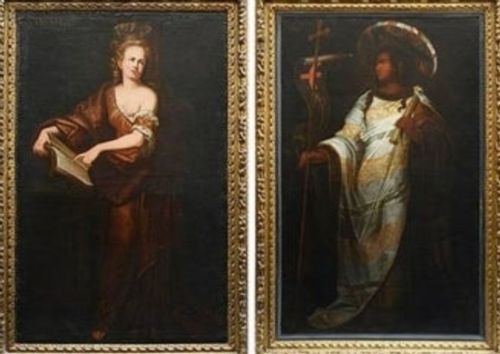
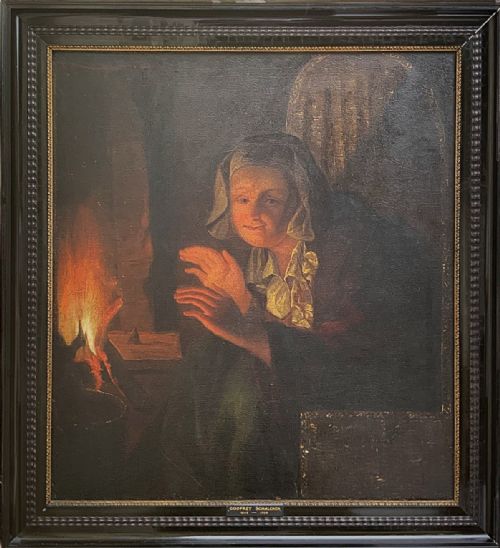
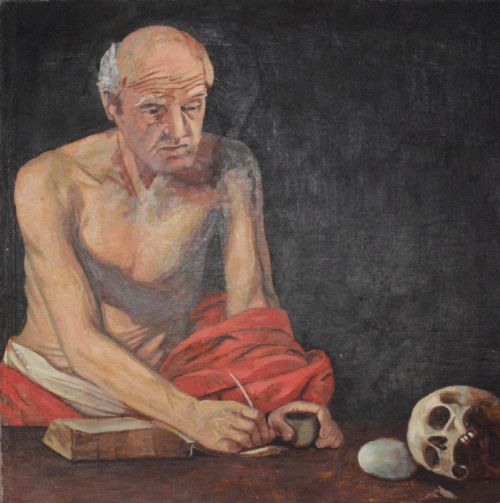
A chiaroscuro portrait canvas relies on high contrast between light and dark to create a dramatic, sculptural presence in a room. You encounter these oil paintings across several distinct periods, most notably the seventeenth century, the eighteenth century, and later revivals.
The subjects range from biblical figures and classical sibyls to intimate studies of youths and historical figures. Many pieces reflect Dutch Golden Age traditions or Italian school influences, often paying homage to masters like Rembrandt or Georges de La Tour.
Most compositions are rendered in oil paint on canvas, frequently housed in substantial wood or giltwood frames that complement their dark, moody palettes. These works function as striking focal points, bringing historic depth and theatrical atmosphere to interior spaces.
Materials and Techniques
Artists built these works using oil paint applied to woven canvas supports, allowing for rich blending and deep glazes. The handling of pigment created the characteristic tenebrist glow where figures emerge abruptly from dark backgrounds.
Frames are constructed from wood, sometimes with gilt or giltwood finishes that enhance the theatrical lighting effects within the picture. These traditional materials ensured durability while supporting complex layers of varnish and pigment.
Listings feature oil on canvas works spanning from the seventeenth century through the mid-twentieth century, including numerous historical studies and studio interpretations.
Assessing Quality and Execution
Quality rests in the handling of light and shadow, where confident brushwork defines facial structure and fabric with palpable weight. Superior examples demonstrate a careful balance of tone that directs the viewer's gaze with deliberate intensity.
The sophistication of the composition and the depth of the glazing distinguish exceptional works from simpler decorative pieces. Frame construction and the preservation of the original canvas surface also contribute significantly to the standing of an individual work.
Georges de La Tour·Godfried Schalcken·Rembrandt van Rijn·Bartolomeo Schedoni·William Tate·Joseph Wright of Derby
The Chiaroscuro Portrait Canvas Glossary
- Chiaroscuro
- An Italian artistic term describing the strong contrast between light and dark, usually bold contrasts affecting a whole composition. It creates a three-dimensional volume on a two-dimensional surface.
- Tenebrism
- A style of painting where darkness becomes a dominating feature of the image. This technique heightens the dramatic tension of a portrait.
- Giltwood
- Wood that has been covered with a thin layer of gold leaf or gold paint. Frames utilising this finish often accompany formal historical portraits.
- Italian School
- A broad designation for artists trained or working within Italy during various periods. These works often emphasise classical form and religious narrative.
- Dutch Golden Age
- A period in Dutch history spanning the seventeenth century noted for exceptional achievements in painting. Portraits from this milieu frequently explore intense psychological depth.
Chiaroscuro Portrait Canvas: Frequently Asked Questions
How do I hang a dark oil painting?
Position the canvas where directional lighting can catch the highlights without creating distracting glare on the varnish. Pairing the work with a supportive wall colour allows the deep shadows to recede naturally.
Ensure the wall structure can securely hold the combined weight of the canvas and its heavy wood or gilt frame. Keep the centre of the composition at comfortable eye level for the best viewing experience.
What subjects appear in these portraits?
The subjects include biblical figures, classical sibyls, and anonymous sitters rendered with intense theatrical lighting. Many compositions draw inspiration from seventeenth-century masters.
Other works depict historical figures or studio studies of heads and expressions. Each subject utilises shadow to convey narrative weight and psychological presence.
How do I care for an old canvas?
Protect the surface by keeping the painting away from direct sunlight and sudden shifts in temperature or humidity. Dust the frame gently with a soft, dry brush while avoiding direct contact with the painted canvas.
Professional conservators should handle any cleaning of the oil paint or varnish layers. Regular visual checks help monitor the stability of both the canvas and its wooden support.
How are different centuries distinguished?
Stylistic clues, canvas preparation, and framing techniques often point toward specific historical periods. Seventeenth-century works frequently display dramatic tenebrism and heavy impasto.
Later nineteenth and twentieth-century interpretations often show different handling of pigment and canvas stretchers. Comparing the execution to known studio traditions helps narrow down the timeline.