


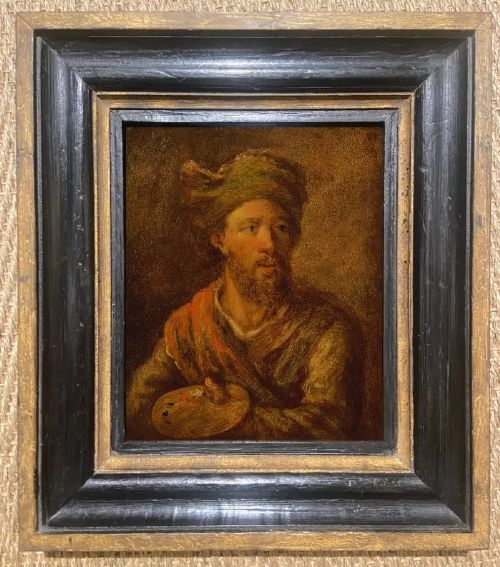
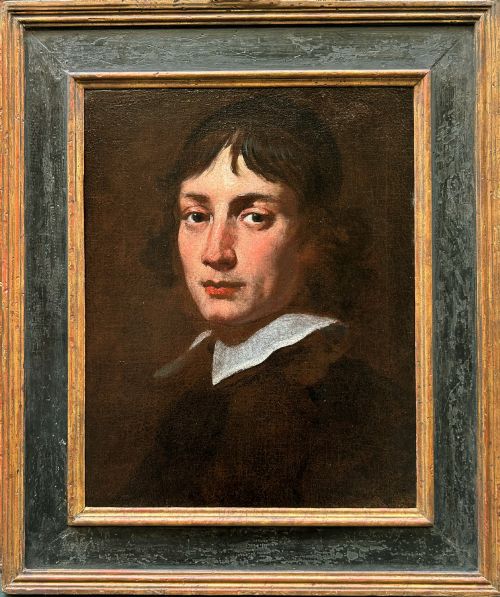
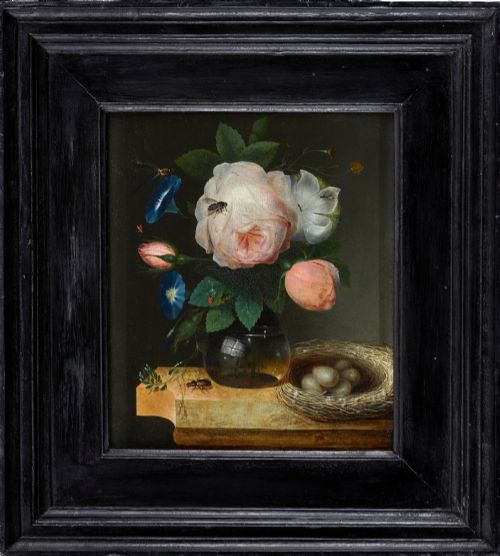
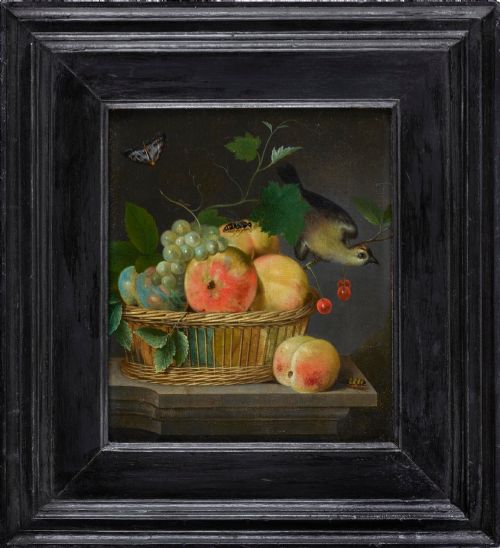
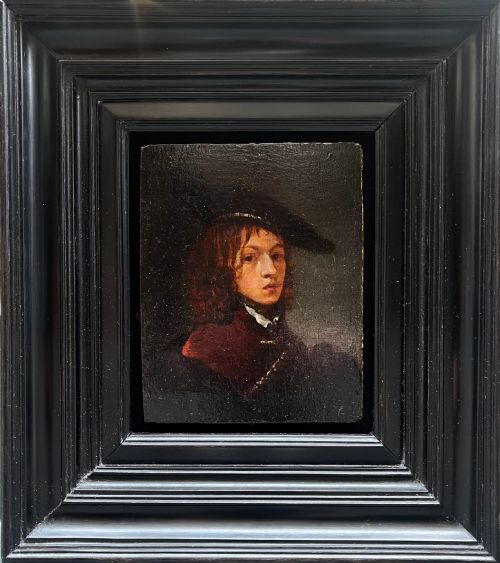
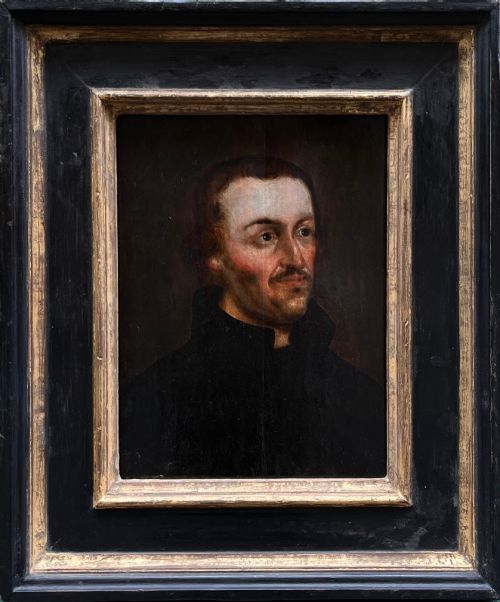
Ebonised Framed Painting
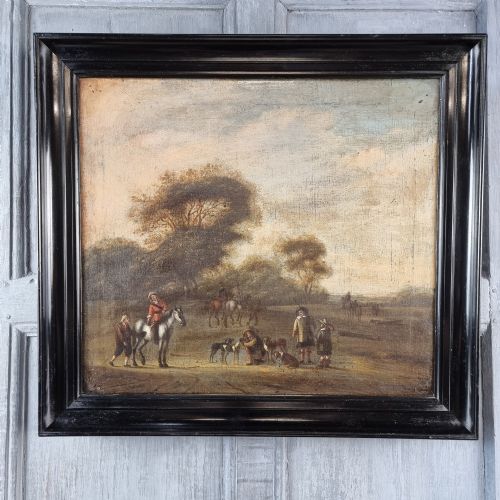
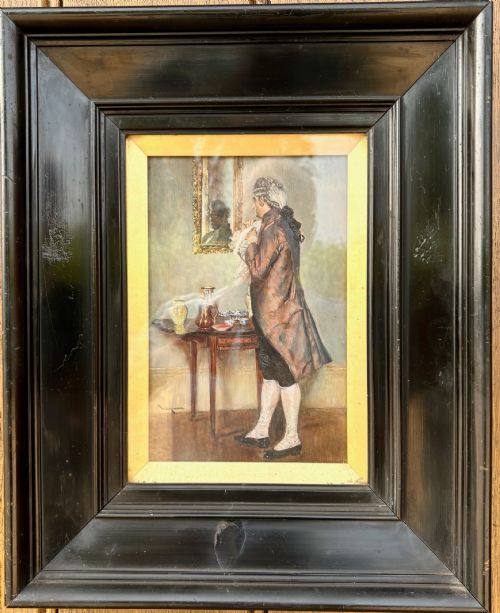
An ebonised framed painting brings together dark, dense wood surrounds and historic oil or watercolour works from the 17th, 18th and 19th centuries.
Ebonised Framed Painting
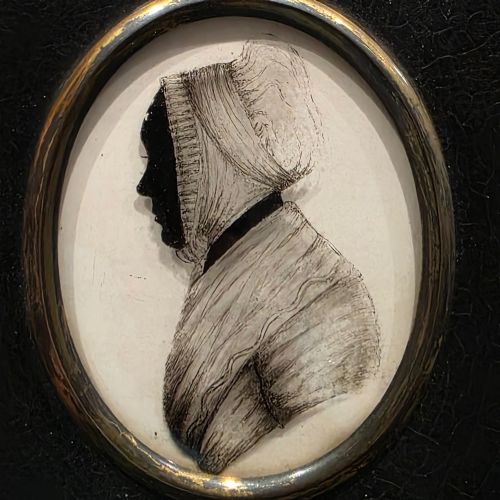
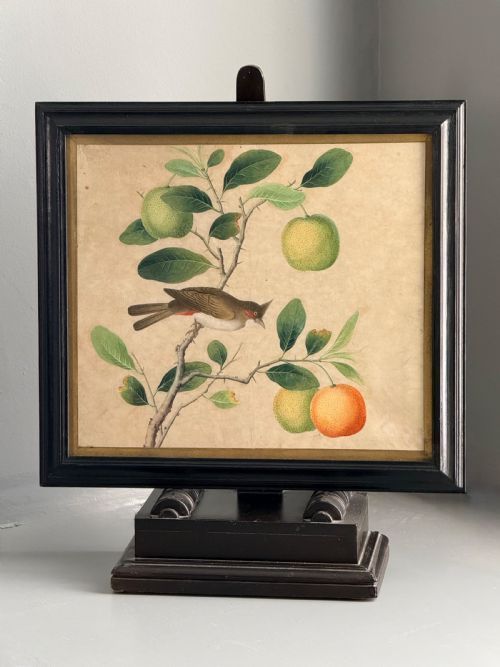
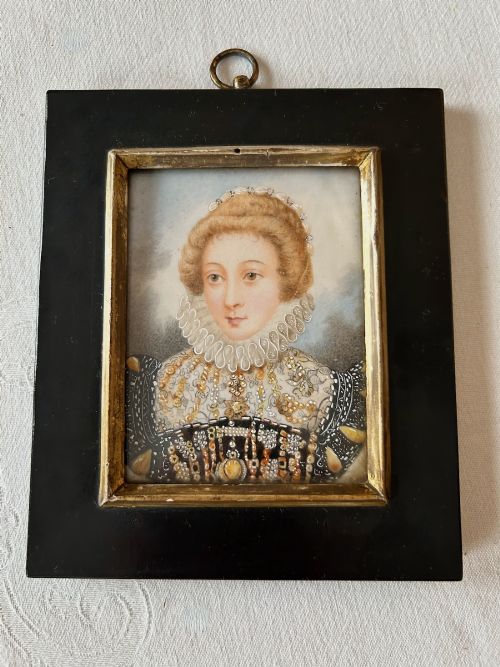
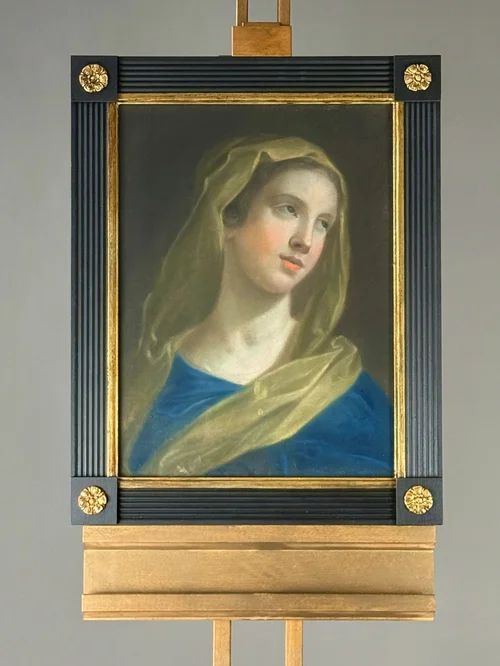
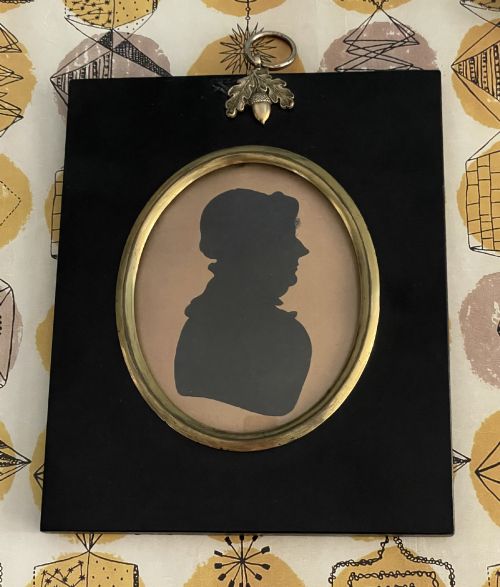
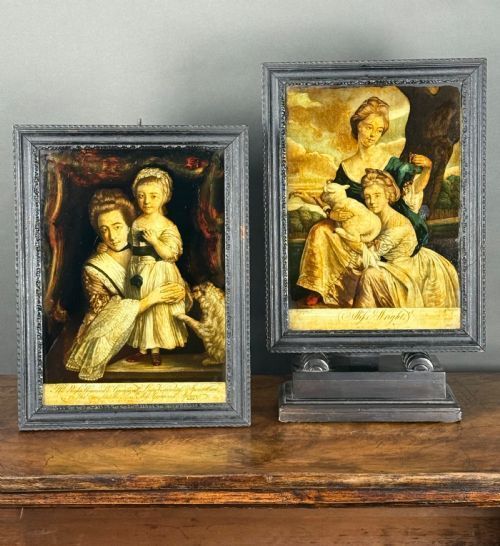
When you search for an ebonised framed painting, you encounter works spanning several centuries, from Georgian silhouettes and reverse glass prints to detailed oil portraits on panel and canvas. These pieces reflect historical portraiture, landscapes and still lifes housed in dark timber surrounds that provide a sharp contrast to the imagery within.
The selections on this page lean heavily towards portrait miniatures, oil paintings and reverse glass mezzotints originating from British, Dutch and European schools. Buyers often find that the dark wooden framing enhances the depth of the pigments, drawing the eye directly toward the fine brushwork of the period.
Materials and technique
The construction relies heavily on timber treated to achieve a deep, dark finish, paired with traditional substrates such as canvas, wood panel, paper and glass. Artisans applied oil paint, gouache or watercolours directly onto these surfaces, sometimes incorporating gold leaf highlights to catch the light.
Framing techniques involved shaping and darkening wood to mimic ebony, protecting delicate oil paintings, reverse glass prints and miniature watercolours behind glass panels secured within the moulded borders.
Some portraits sport ruff collars so intricate they demand a double-take to check if the sitter is judging your attire.
What varies in quality
The distinction between tiers of work rests upon the finesse of the painting technique and the preservation of the original framing. Finer examples display meticulous control in facial expressions, brushwork and colour harmony, while lesser pieces may show heavier handling or simplified detail.
Another factor is the integrity of the ebonised wood frame itself, where uniformity of finish and originality to the period contribute significantly to the overall character and historical cohesion of the piece.
Henri Fradelle·Sebastiaan Vrancx·Benedetto Luti·Guillaume Courtois·Gaspar Peeter Verbruggen·Albin Mattenheimer
The Ebonised Framed Painting Glossary
- Ebonised wood
- Timber treated with stain, paint or chemical processes to imitate expensive ebony wood. This dark finish gained widespread popularity for framing portraits and prints during the Georgian and Victorian eras.
- Reverse glass painting
- An artwork created by painting or applying prints directly onto the reverse side of a glass sheet so the image is viewed through the front. It yields a smooth, glossy surface that protects the pigments underneath.
- Portrait miniature
- A small, highly detailed painting executed on vellum, card, copper or ivory. These intimate works were often produced to commemorate individuals and frequently housed in protective ebonised surrounds.
- Mezzotint
- A printmaking process of the intaglio family that allows half-tints to be produced without line work. In historic examples, these were sometimes coloured by hand and displayed under glass.
- Oil on panel
- A painting technique where oil paints are applied to a prepared wooden board rather than canvas. This method was favoured by old master painters for its rigid and stable support.
Ebonised Framed Painting: Frequently Asked Questions
How do I care for an ebonised frame?
Keep the wood away from direct sunlight and fluctuating humidity to prevent the dark finish from fading or cracking over time. Dust gently with a dry, soft cloth without applying harsh chemical polishes.
Ensure the glass protecting the artwork remains clean by using a minimal amount of glass cleaner applied to a cloth rather than sprayed directly onto the frame.
What periods do these paintings cover?
The listings span multiple centuries, capturing work from the 17th, 18th and 19th centuries, alongside Regency and Victorian eras. Each period brings distinct portrait styles and framing conventions.
Earlier pieces often feature Dutch or Italian influences, while later 19th-century works lean towards British folk art, watercolours and detailed miniature portraits.
Are these paintings original?
The inventory consists of historic works created during the periods stated, including period portraits, reverse glass prints and watercolours. Many retain their original ebonised wood surrounds.
Some larger 19th-century pieces reflect the styles of earlier Dutch old masters, showing the enduring influence of classical portraiture traditions.
How should I hang a framed painting?
Select a wall space that avoids strong, direct sunlight and excessive moisture, particularly for works on paper or reverse glass. Use appropriate wall fixings that match the weight of the timber frame.
Allow enough clearance from heating sources to protect both the wooden mount and the delicate paint layers from drying out prematurely.