
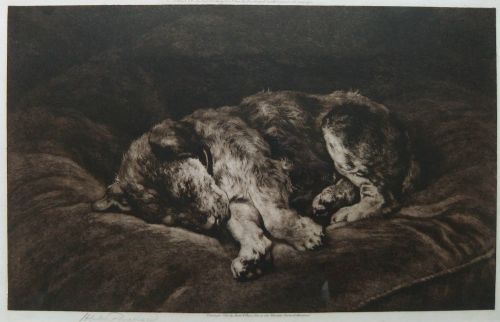
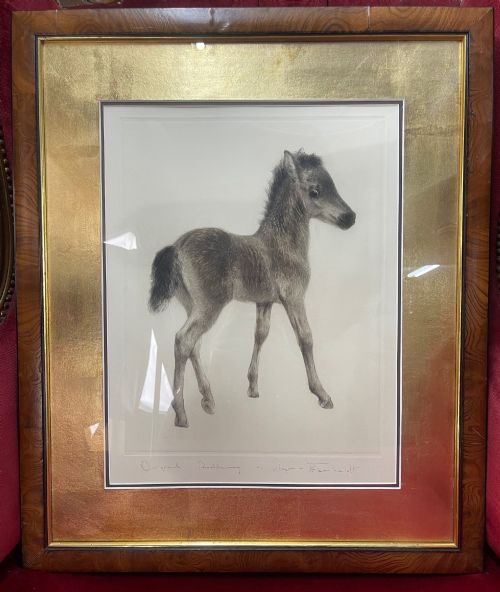
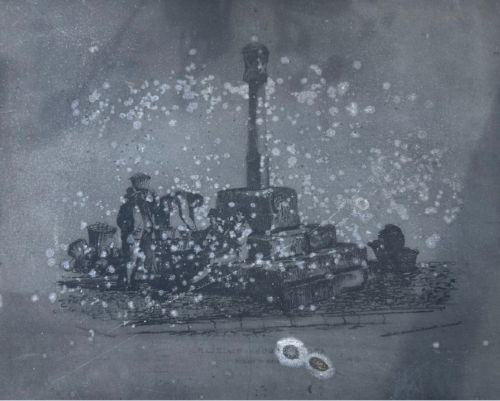
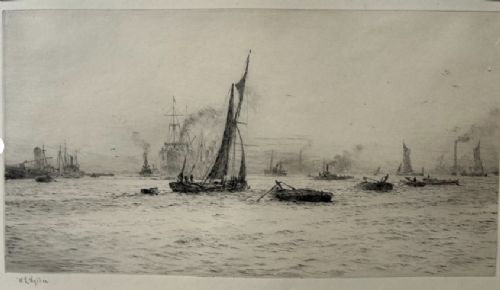
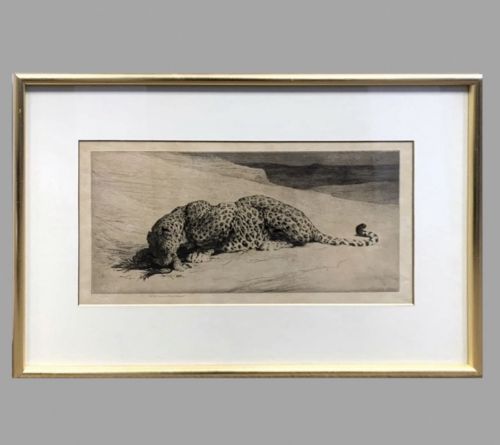
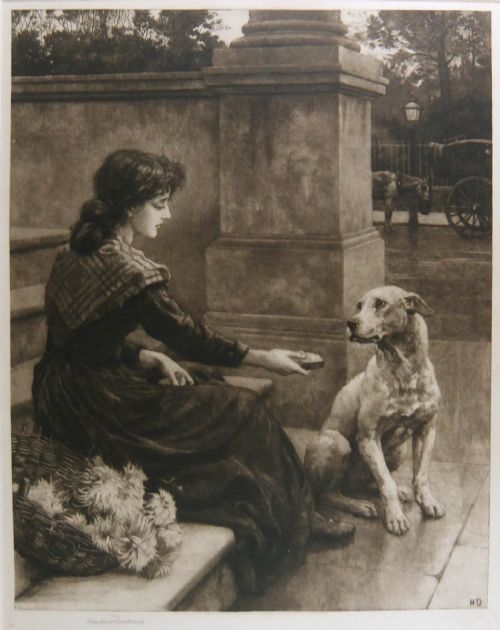
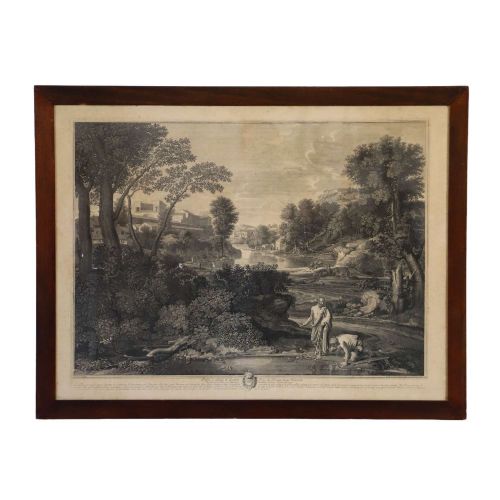
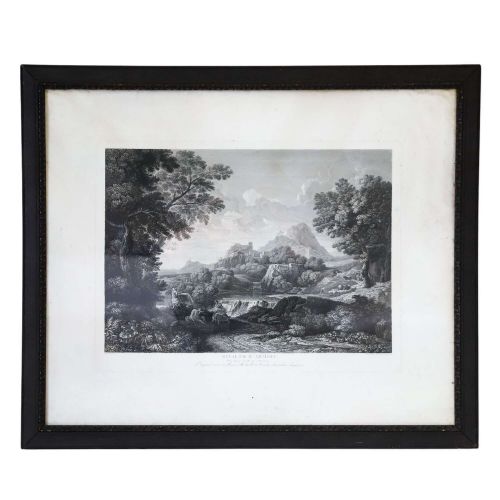
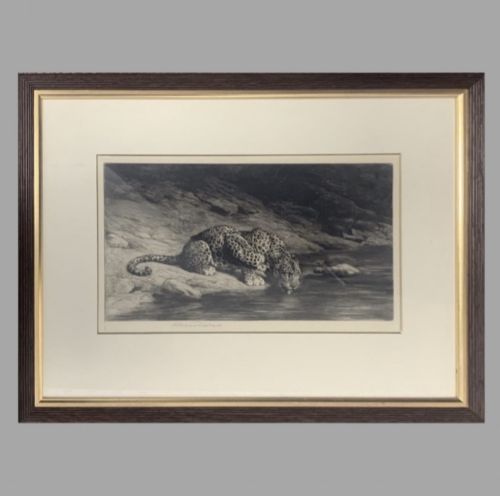
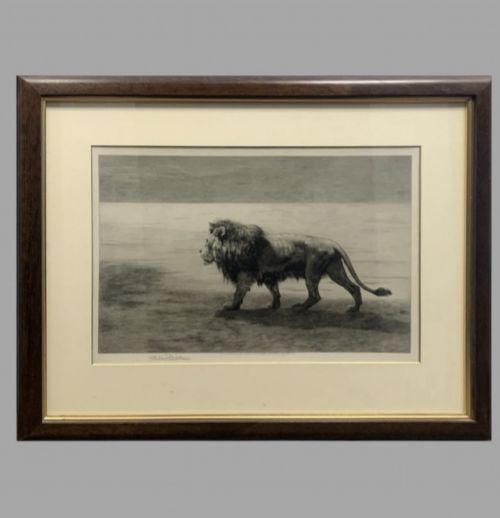
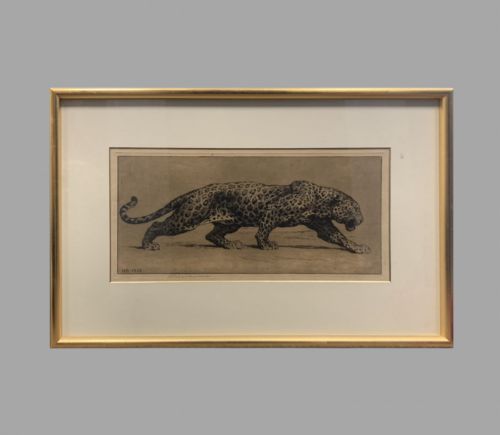
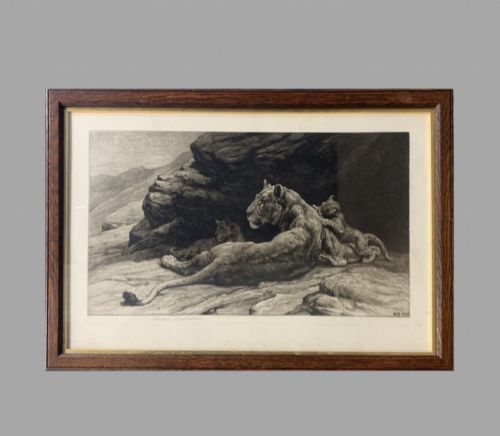
Antique Original Etching
When searching for an antique original etching, buyers seek hand-printed works on paper or vellum that capture the nuanced line of early printmaking.
Antique Original Etching
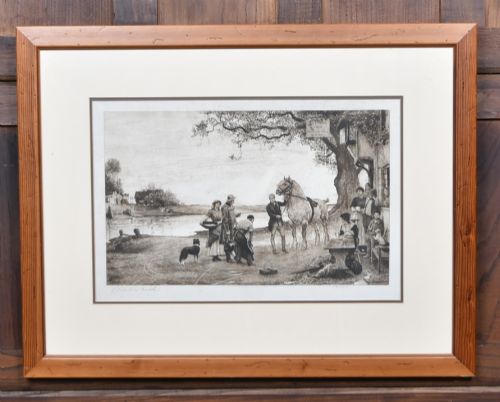
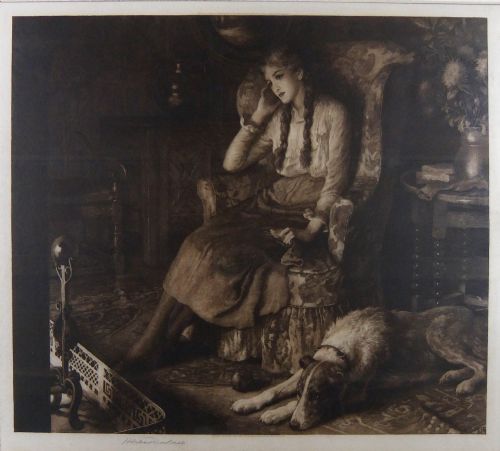
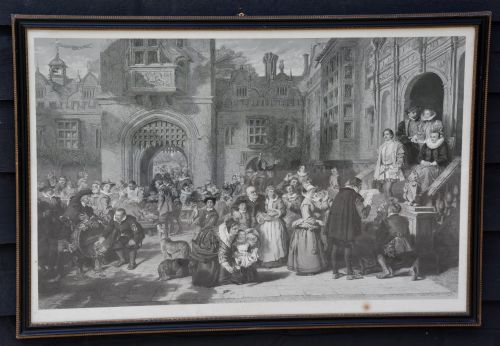
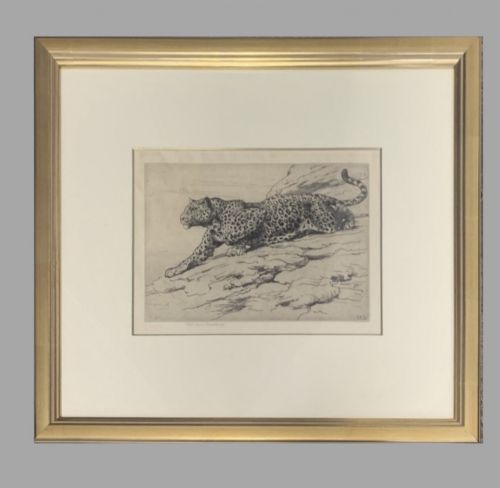
An antique original etching is a printed work created by incising a design into a metal plate, applying ink, and transferring the image under pressure. Buyers browsing this selection encounter works spanning from the eighteenth century through the early twentieth century, reflecting diverse artistic movements such as Victorian Realism, Edwardian maritime scenes, and Art Deco.
Pieces frequently appear within period enclosures, including Hogarth frames, carved wood and gesso gilt frames, or under glass. The physical formats vary from modest intimate sheets to large gallery-sized artist proofs.
How they were made
Makers produced these works by coating a metal plate with an acid-resistant ground, drawing through the layer with a needle to expose the metal, and immersing the plate in an acid bath to bite the lines. Printers then wiped ink into the recessed grooves and transferred the image onto damp paper or vellum using a rolling press.
Artists often employed drypoint techniques by scratching directly into the metal without acid, raising a burr that held extra ink for velvety, rich lines. Certain works incorporated aquatint methods to achieve tonal areas of shadow and wash, while some pieces received supplementary hand-colouring.
Listings feature paper, vellum, and gilt wood spanning the eighteenth through the early twentieth centuries.
What varies in quality
The distinction between standard impressions and superior works often rests on the clarity of the plate mark and the crispness of the inked lines. Early impressions taken before the metal plate wore down retain delicate details and rich contrasts that later printings lose.
The presence of an artist signature in pencil alongside designations like artist proof elevates a print's standing among collectors. Furthermore, the survival of the original period frame contributes significantly to the integrity and historical context of the piece.
Herbert Dicksee·Kurt Meyer-Eberhardt·John Horner Halifax Pontifex·William Lionel Wyllie·Robert W. Macbeth·Étienne Baudet·Louis Icart·Anne Goldthwaite·Augustus Edwin John·James Dobie·Francis Dodd·Edgar J. Maybery·Albert Terry·Norman Janes·Frank Greenwood·Petrus Johannes Arendzen·Paul Adolphe Rajon·Reginald Green·Henry Jackson Simpson·Armand Mathey·J B Knight·Gordon Story
The Antique Original Etching Glossary
- Etching
- A printmaking method where acid bites lines into a metal plate prepared with a protective ground. The resulting recessed grooves hold the ink for printing.
- Drypoint
- A technique where the artist scratches directly into the metal plate with a sharp needle. This process creates a raised ridge of metal called a burr, which yields a soft, rich line when inked.
- Vellum
- A fine parchment prepared from calfskin used as a durable printing surface. It absorbs ink differently than paper, offering a warm and textured background.
- Artist Proof
- An impression pulled off the printing plate for the artist's own inspection before the main edition is printed. These often carry distinct market value due to their early pull.
- Aquatint
- A printmaking variation used to create tonal areas resembling watercolours. Porous resins are applied to the plate before biting to produce fields of shade rather than fine lines.
Antique Original Etching: Frequently Asked Questions
What is an original etching?
An original etching is a print pulled from a metal plate that was worked directly by the artist's hand using acid or tools.
Unlike mechanical reproductions or photographic prints, each impression carries physical evidence of the printing press and plate pressure.
How can I tell an etching from a lithograph?
Etchings display a visible plate mark where the edges of the metal plate pressed into the damp paper during printing.
Lithographs rely on chemical flatness across a stone or metal surface rather than incised grooves that hold thick ink.
What is an artist proof?
An artist proof is a trial impression pulled outside the main numbered publication run to allow the creator to check the plate.
These prints frequently feature pencil signatures and personal annotations by the maker.
How should I frame and display these prints?
These works require framing behind protective glass using acid-free mount boards to prevent paper degradation over time.
Placement away from direct sunlight protects both the paper fibres and the dark ink lines from fading.