




Fine Art Etching
A fine art etching carries the direct touch of the hand and the sharp bite of acid upon metal or glass.
Fine Art Etching
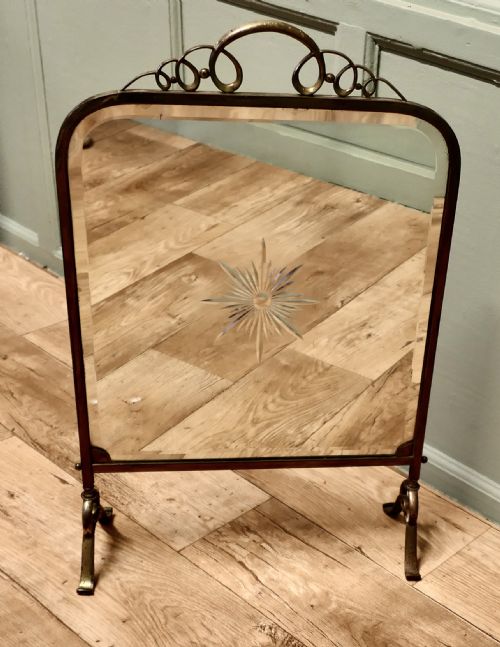
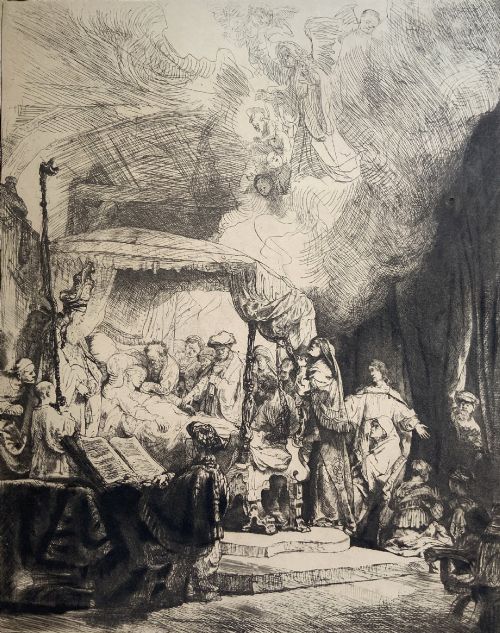
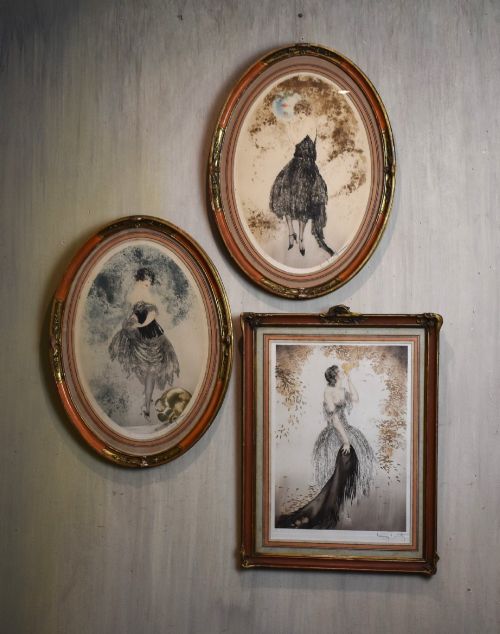
A fine art etching encompasses printed works on paper alongside sculptural glass items finished through chemical biting. The examples gathered here stretch from eighteenth-century copper engravings and nineteenth-century Rembrandt restrikes to twentieth-century drypoint prints and cameo glassware.
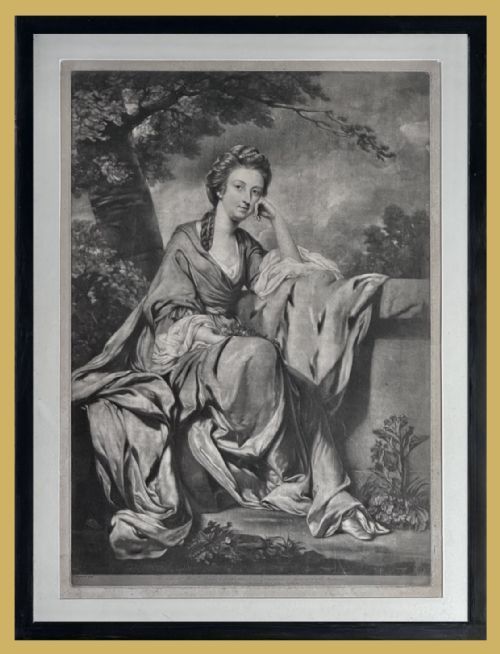
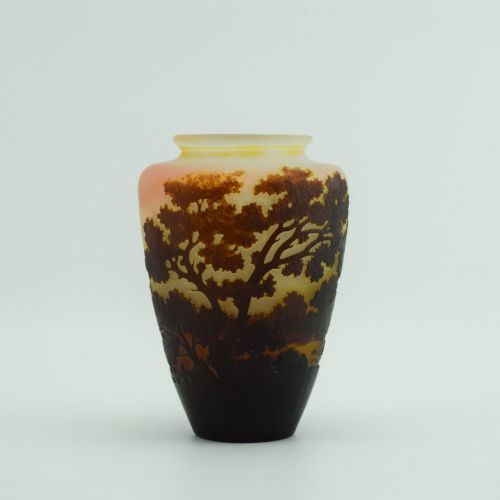
Buyers encounter a mixture of framed prints and decorative vessels spanning Georgian, Victorian, Art Nouveau, and Mid-Century Modern British movements. Paper prints depict portraits, architectural London views, and figurative ballet scenes, while glassware showcases naturalistic landscape and vine motifs.
Origins range across British, French, Dutch, and Scandinavian workshops, reflecting diverse printmaking traditions and glass techniques. Each piece demonstrates the translation of an artist's vision onto a durable medium through ink or acid.
Materials and Techniques
Printmakers work with ink applied to paper surfaces, utilising copper or metal plates prepared with manual engraving, drypoint needles, or acid baths. Impressions are pulled by hand, capturing the fine burr of a drypoint line or the deep recess of an engraved stroke.
Glassmakers employ cameo glass and acid-etched glass, layering different coloured glass bodies before carving or eating away the surface with acid to reveal contrasting designs. Gilt and giltwood frames often complete the presentation of paper works, while wooden supports underpin structural displays.
Fine Art Etching Retail Price Guide 2026
Typical asking prices for fine art etching among the pieces listed under this phrase on Sellingantiques today, from the lower quarter to the upper quarter. They describe what is for sale here now, not the wider market.
Listings feature paper, glass, ink, wood, cameo glass, acid-etched glass, gilt, and giltwood across various periods.
Distinctions in Quality
Quality rests upon the crispness of the impression on paper and the depth of the acid bite on glass vessels. Stronger works display clear lines without ink bleed or blurring, showing the deliberate hand of the artist or master printer.
The sophistication of the design and the preservation of the material define the upper tier of pieces. Intricate shading in portraits, well-defined cameo layers, and signed pencil inscriptions elevate individual examples above standard decorative productions.
Amand Durand·Louis Icart·Galle·Baccarat·Riihimaki·Andrea Mantegna·Herbert Dicksee
The Fine Art Etching Glossary
- Etching
- A printmaking method where acid bites lines into a metal plate unprotected by an acid-resistant ground. Ink is then pressed into these grooves and transferred to paper under pressure.
- Drypoint
- A printmaking technique in which an artist scratches directly into a metal plate with a sharp needle. This process raises a rough ridge of metal called a burr, which holds extra ink to create a velvety line.
- Engraving
- A method of cutting designs directly into a hard plate using a burin tool. The resulting lines hold ink for printing under high pressure.
- Cameo Glass
- glassware formed by layering two or more opaque glass colours and carving away the outer layer to create a raised design. Acid etching is frequently combined with this process to refine the details.
- Mezzotint
- A tonal printmaking process where the copper plate is roughened uniformly to print a solid black, and then scraped back to produce highlights and intermediate shades.
Fine Art Etching: Frequently Asked Questions
How do I care for fine art prints?
Keep works on paper away from direct sunlight to prevent the ink and paper from fading over time. Maintain stable indoor humidity to protect both the paper fibres and the framing materials.
Ensure that framing utilises acid-free mounts to prevent yellowing. Handle framed pieces carefully by the structure rather than the glazing.
What is the difference between an etching and an engraving?
An etching relies on acid to bite lines into a metal plate covered in a protective ground. This chemical process creates fluid, varied lines characteristic of drawn work.
An engraving uses a sharp hand tool called a burin to physically cut lines directly into the metal plate. This mechanical method produces precise, clean-edged lines with tapered ends.
How do I identify drypoint prints?
Examine the lines under magnification to check for a soft, velvety blur caused by the metal burr pushed up alongside the scratched groove. This distinctive feature distinguishes drypoint from standard etched or engraved lines.
Because the delicate burr wears down quickly during the printing process, early impressions exhibit a richness that later printings lose.
Are acid-etched glass pieces fragile?
Acid-etched glass vessels require careful handling due to their decorative surfaces and delicate material structure. Wash them gently by hand using lukewarm water rather than placing them in a dishwasher.
Avoid sudden temperature changes to prevent thermal shock to the glass body. Display them away from high-traffic areas where they might be knocked.