
Monochrome Paper Drawing
Monochrome paper drawing captures form through line and tone alone, offering a direct record of an artist's hand across past centuries.
Monochrome Paper Drawing
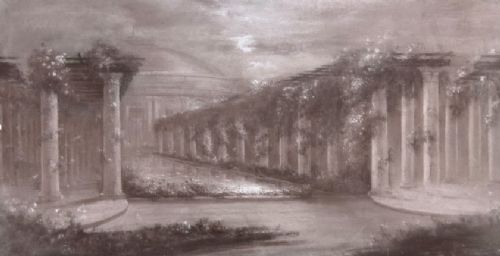
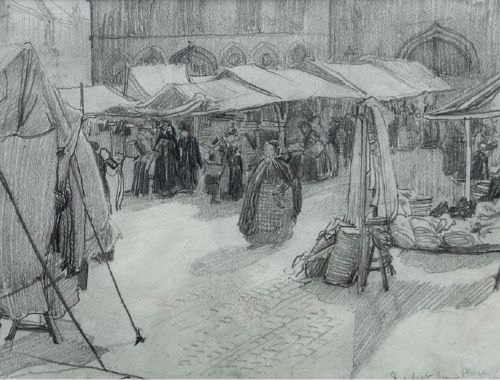
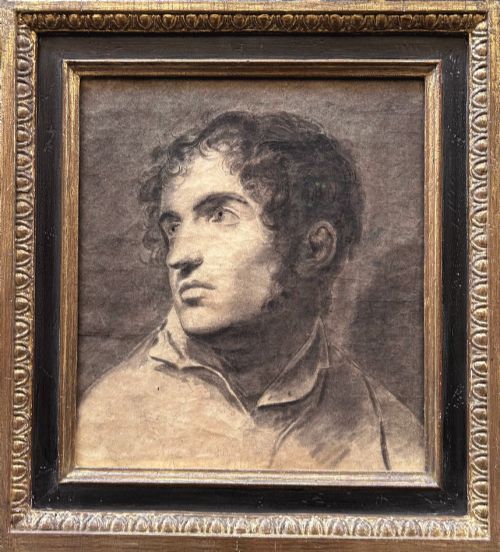
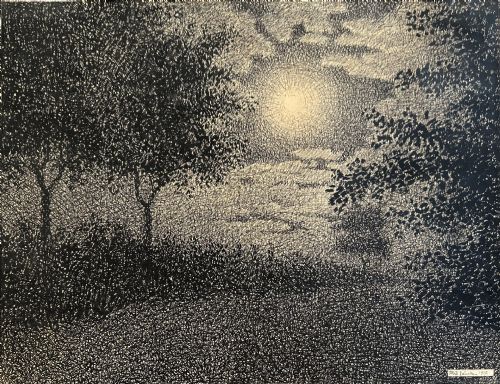
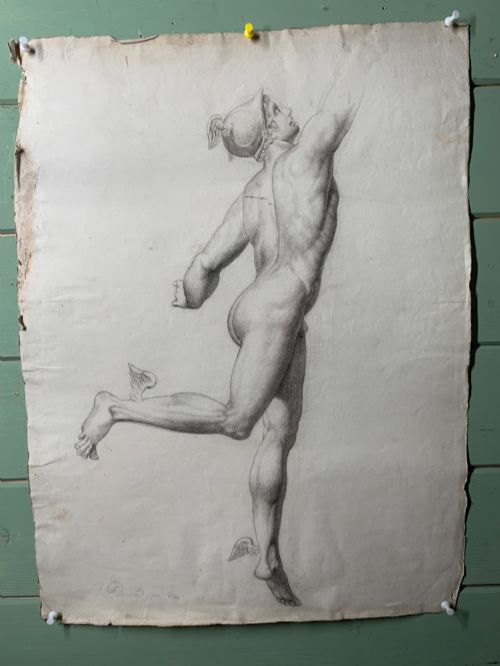
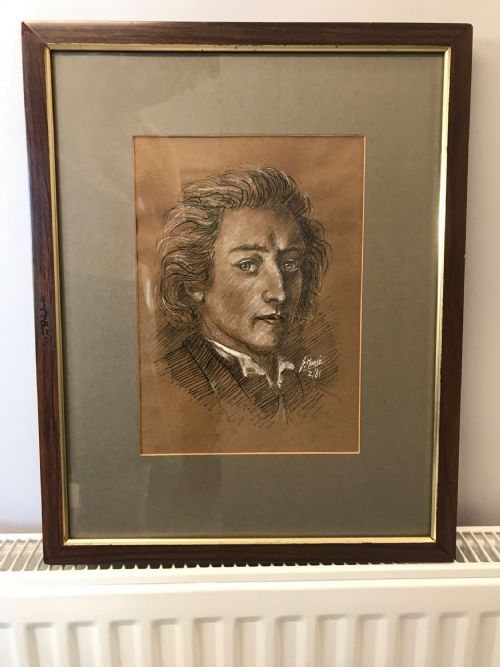
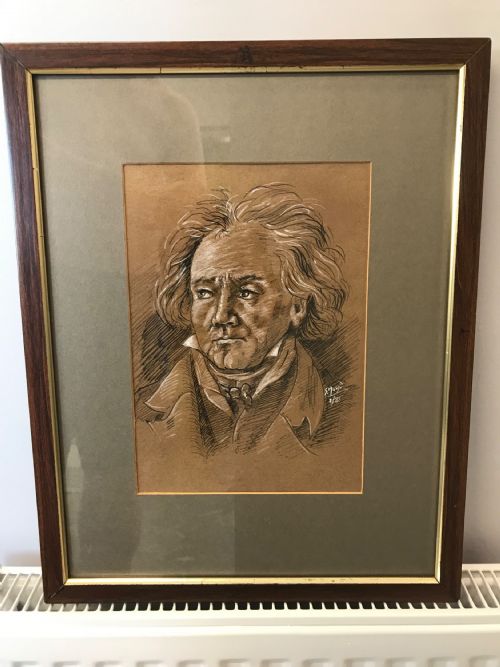
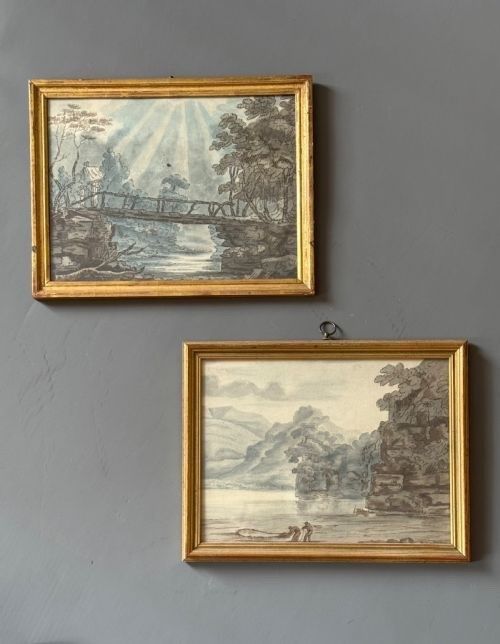
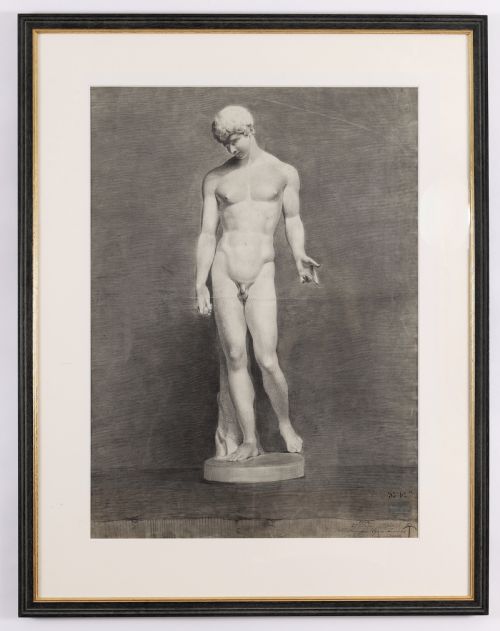
A monochrome paper drawing consists of single-colour ink, charcoal, graphite, or pencil marks upon a paper support, spanning periods from the eighteenth century to the mid-twentieth century. Buyers encounter landscape views, anatomical studies, and portraiture executed in academic realism, neoclassical, and modernist styles.
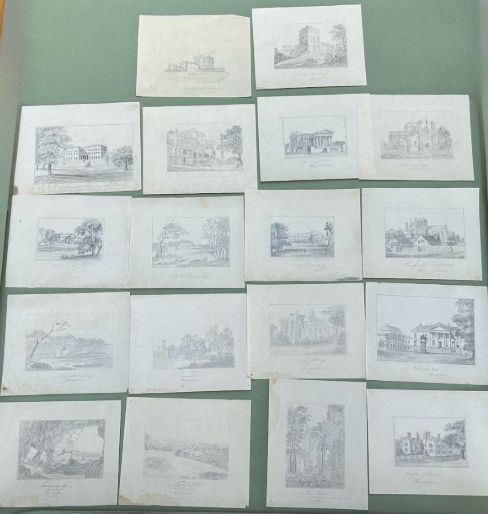
The selection ranges from rapid studio sketches and architectural studies to finished works framed for display. These pieces frequently emerge from British and European schools, carrying the marks of professional draughtsmen and academic training.
How they were made
Artists applied dry media such as graphite, charcoal, and pencil directly to paper to build tone through hatching, smudging, and precise line work. Other pieces utilise fluid media like pen and ink or wash, sometimes combined with gouache on glass-fronted framed supports.
Supports consist primarily of paper sheets, occasionally attached to canvas stretchers or backing boards for stability. The interaction between the absorbent paper and the chosen ink or carbon medium determines the permanence and texture of the surviving image.
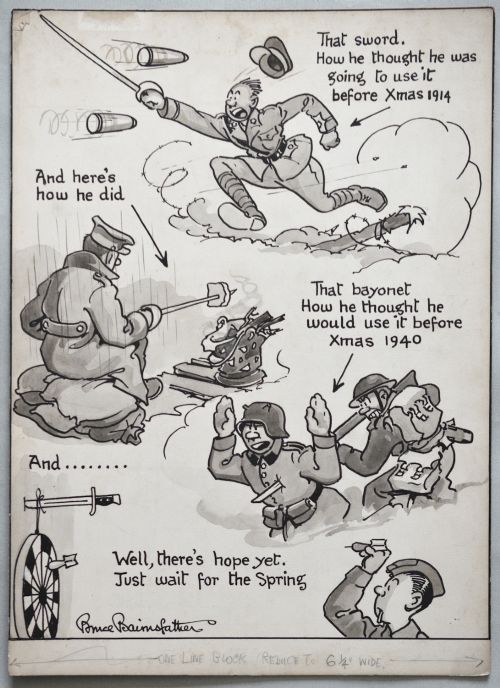
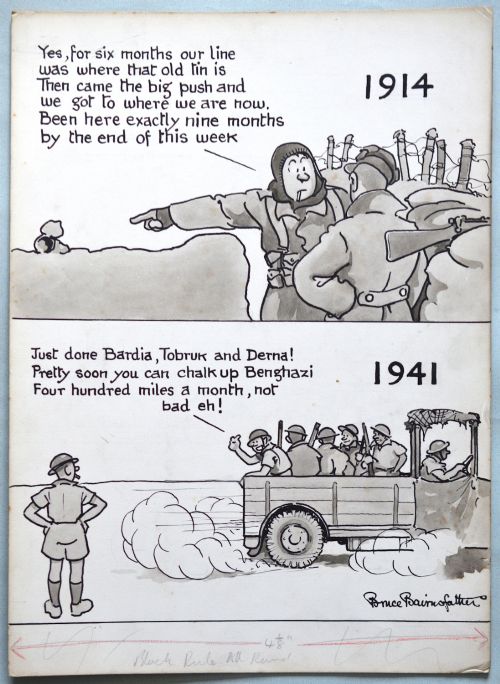
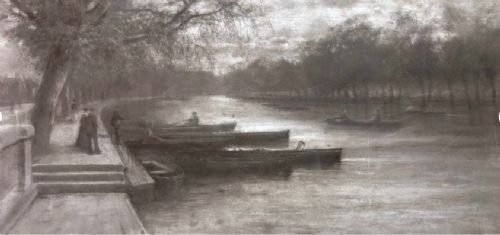
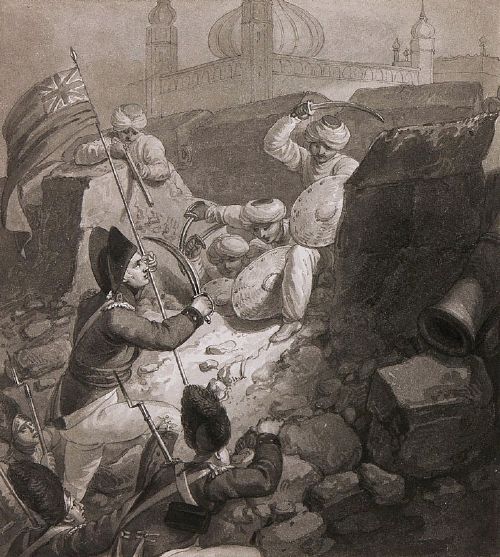
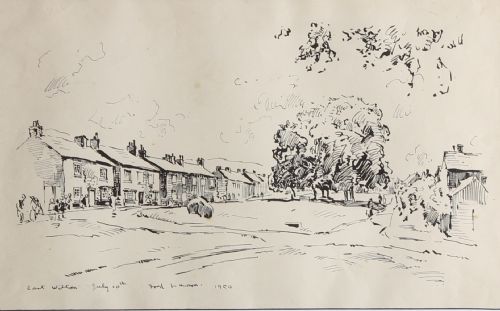
Several drawings preserve the hurried hand of artists recording soldiers, ruins, and quiet domestic moments before the tea went cold.
What varies in quality
The success of a monochrome paper drawing rests on the confidence and economy of the draughtsman's line, where hesitation or overworking diminishes the vitality of the subject. Masterful control of tonal gradation creates depth and atmosphere without the aid of colour.
Condition plays a vital role, distinguishing well-preserved sheets from those marred by heavy foxing, fading, or acidic backing materials. The distinction between a casual student exercise and a deliberate compositional study defines the upper tier of the range.
Henry Percy Huggill·Bruce Bairnsfather·William Marshall Craig·Fred Lawson·Sir Edwin Landseer·Augustus Edwin John·Winifred Eugene Ballard·John Hoppner·Sir Francis Leggatt Chantrey
The Monochrome Paper Drawing Glossary
- Charcoal
- A dry drawing medium made from burnt organic material, capable of producing deep velvety blacks and soft smudged tones. It requires fixing to prevent smearing over time.
- Wash
- A diluted layer of ink or watercolour applied with a brush to create translucent tonal areas behind pen or pencil lines. This technique adds atmospheric depth to landscapes and figures.
- Graphite
- A crystalline form of carbon encased in wood or used in block form, yielding silver-grey marks of varying hardness. It provides fine detail in academic and architectural studies.
- Foxing
- Brown spots and discolouration caused by chemical reactions in the paper over decades. It is a common sign of age in works stored in humid conditions.
Monochrome Paper Drawing: Frequently Asked Questions
How should I frame a paper drawing?
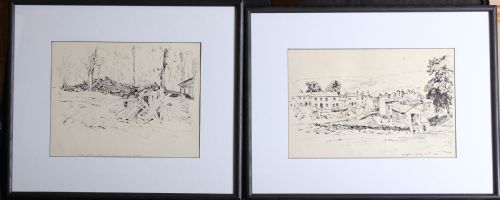
Framing requires acid-free mount board and UV-filtering glass to protect the delicate paper and carbon or ink media from environmental degradation.
Keep the drawing away from direct sunlight and damp walls to preserve the integrity of the paper support.
What is the difference between a sketch and a study?
A sketch is typically a rapid, preliminary jotting of an idea or composition created in the field or studio. A study is a more deliberate, detailed examination of a specific element, such as a figure or a piece of architecture.
Both offer direct insight into the working method of the artist.
How do I identify the period of a drawing?
Dating relies on stylistic clues, watermarks within the paper, framing methods, and any inscriptions or signatures left by the artist. Academic life studies often follow strict conventions that changed from the eighteenth to the twentieth century.
Comparing the paper type and medium usage against known examples helps narrow down the decade of creation.
Can I hang drawings in a brightly lit room?
Paper and traditional drawing inks are sensitive to prolonged exposure to strong light, which can cause fading and yellowing. Position them on interior walls away from direct sunbeams.
Using conservation-grade glazing mitigates much of this risk while allowing clear viewing.