



Monochrome Architectural Drawing
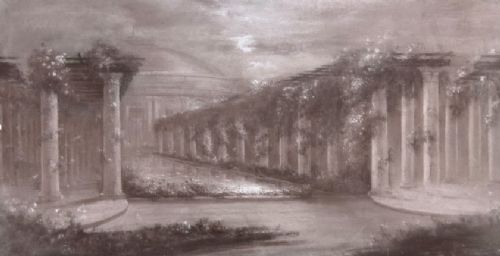
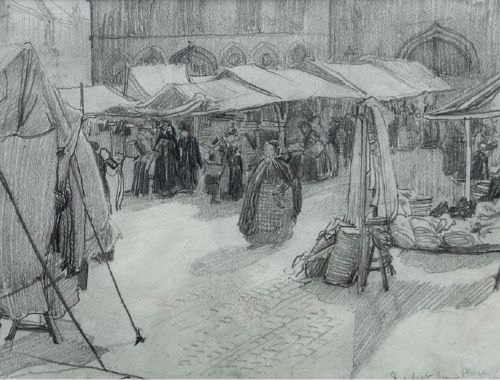
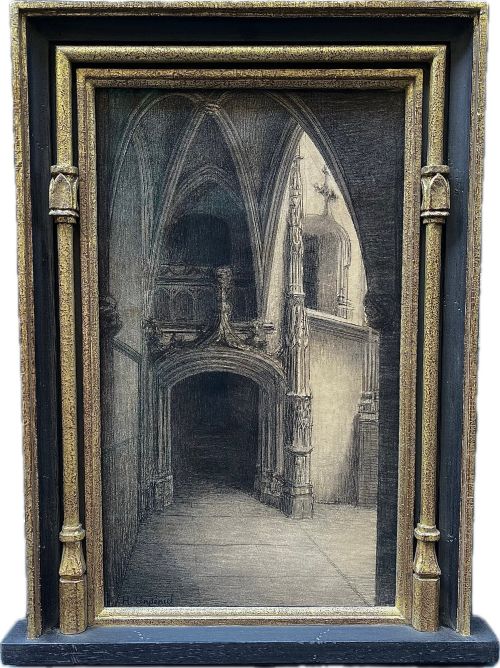
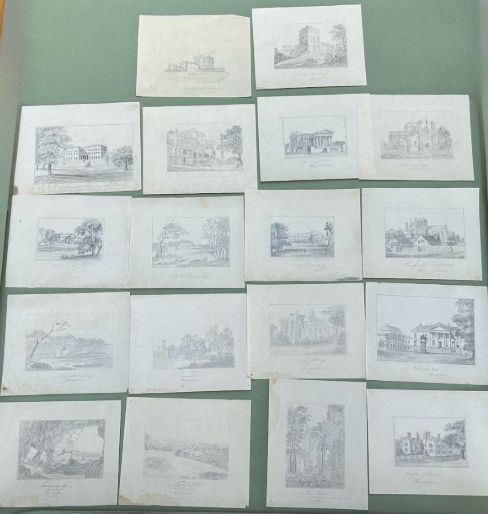
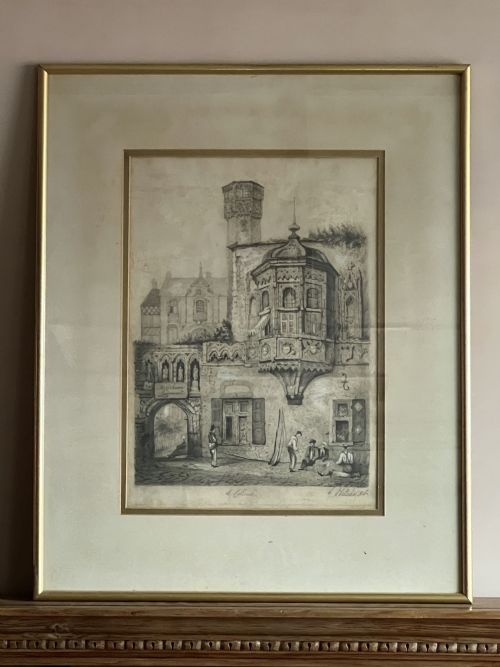
These pieces of monochrome architectural drawing capture precise structures and historical facades in ink, pencil, and charcoal.
Monochrome Architectural Drawing
A monochrome architectural drawing represents buildings, orders, and spatial designs using single-colour mediums across various centuries. When searching for a monochrome architectural drawing, collectors encounter original sketches, engraved plates, and framed studies of historic structures. The selection spans neoclassical facades, Gothic church studies, and detailed engravings from the eighteenth to the twentieth century.
Many examples record specific European locations, country houses, and academic architectural histories on paper. Works range from precise ink and wash renderings of monastic buildings to pencil studies of classical columns and porticos. These items frequently arrive framed in wood under glass, preserving delicate ink and graphite lines.
Judging quality in architectural works
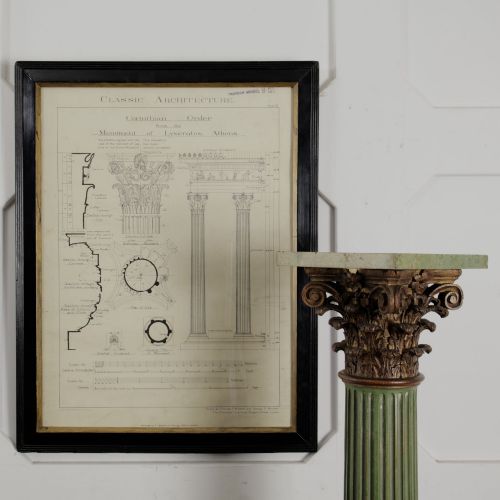
Quality rests upon the sureness of the line, the accuracy of perspective, and the clarity of architectural detail. Superior examples demonstrate a confident command of scale and proportion, whether rendering a Corinthian order plate or a complex abbey elevation. Weaker pieces display hesitant strokes, muddled perspective, or careless handling of tonal wash.
The significance of the subject matter and the skill of the draughtsman elevate certain sheets above standard topographical records. Signed works or drawings tied to documented architectural studies carry greater documentary weight than anonymous decorative prints. Preservation of the paper surface, minimal staining, and crispness of the ink or pencil lines distinguish the finest specimens.
The documented subjects range from Hampshire landscapes and Cambridge college courts to Vatican loggie and classical Greek porticos.
Henry Percy Huggill·Sir Francis Leggatt Chantrey·Fred Lawson·Giovanni Ottaviani·Peter Tillemans·Henry Edridge
The Monochrome Architectural Drawing Glossary
- Monochrome
- A work executed in a single colour or shades of a single colour, typically black, grey, or sepia ink, graphite, or charcoal on paper.
- Engraving
- A printmaking process where an artist cuts lines into a metal plate to hold ink, producing sharp architectural details on paper.
- Wash
- A thin, transparent layer of diluted ink or watercolour applied with a brush to create shadow and tonal gradation behind linear drawing.
- Corinthian order
- A classical architectural style characterised by slender fluted columns and elaborate capitals decorated with acanthus leaves.
- Graphite
- A form of carbon used as a drawing medium in pencils, producing versatile grey tones ranging from hard silver lines to deep blacks.
Monochrome Architectural Drawing: Frequently Asked Questions
How do I date a monochrome architectural drawing?
Dating relies on paper type, watermark evidence, ink oxidation, and stylistic markers such as Neoclassical or Gothic Revival proportions. Inscribed dates, signatures, and framing methods also provide secure chronological boundaries.
Paper stock from the eighteenth and nineteenth centuries exhibits distinct laid or wove textures that assist verification. Comparing hand-drawn technique with known architectural publications helps narrow the exact decade.
Where should I hang these drawings?
These works require interior walls protected from direct sunlight to prevent fading of delicate ink, pencil, and charcoal on paper. A study, library, or hallway provides an appropriate historical context for architectural subjects.
Keep pieces away from high-moisture areas such as kitchens or unventilated bathrooms to safeguard the paper and wooden frames. Professional framing with UV-filtering glass ensures long-term preservation in domestic spaces.
Are these drawings original or printed?
Close inspection under magnification reveals whether a piece is an original drawing in ink, pencil, or charcoal, or an engraved print. Original works show hand pressure, brush texture, and subtle variations in pigment density.
Printed architectural plates display uniform ink distribution within plate marks impressed into the paper surface. Both original drawings and antique engravings hold distinct places in architectural collections.
What subjects do these drawings typically show?
Common subjects include classical temples, Gothic churches, academic courtyards, bridges, and domestic country houses. Many works record specific European towns, archaeological sites, or British architectural history.
Artists often focused on structural elements like columns, arches, and decorative stonework for study or publication. These renderings serve as both visual art and historical records of built environments.