
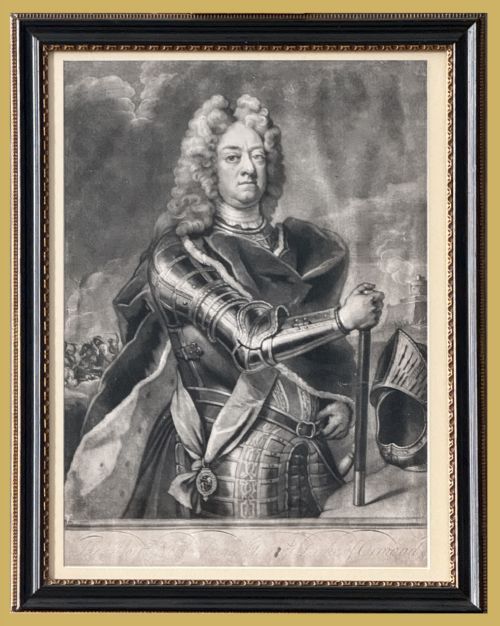
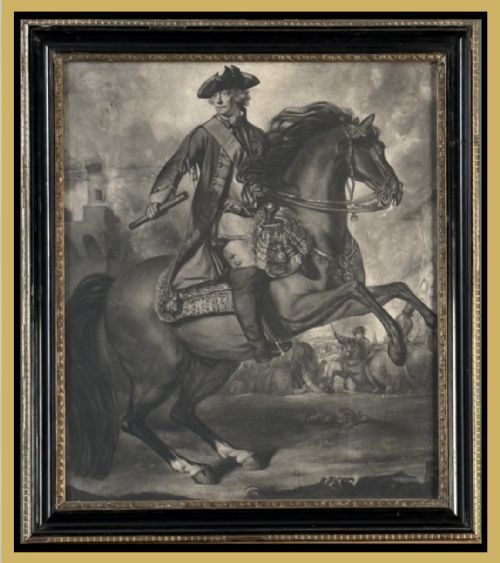
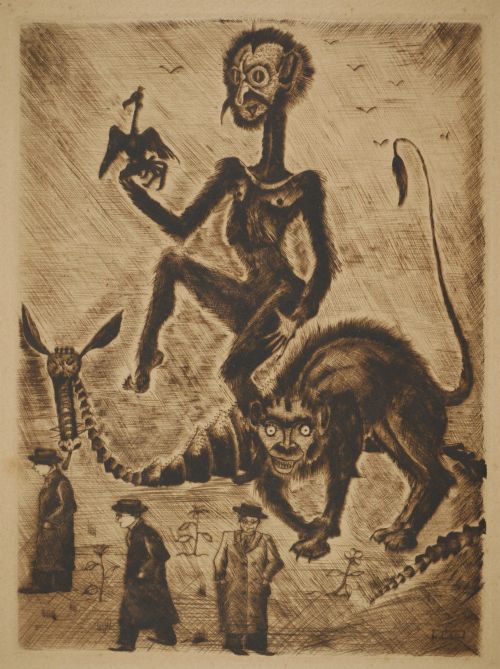
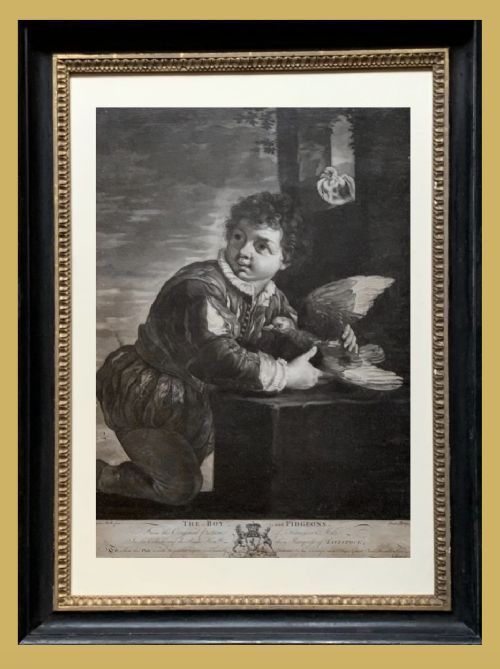


Monochrome Print
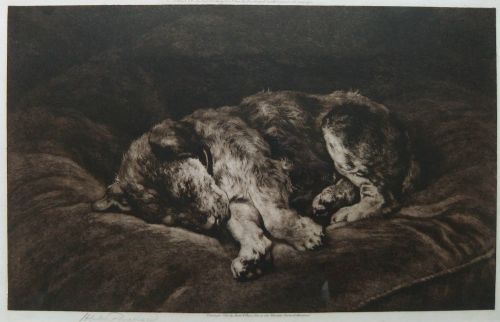
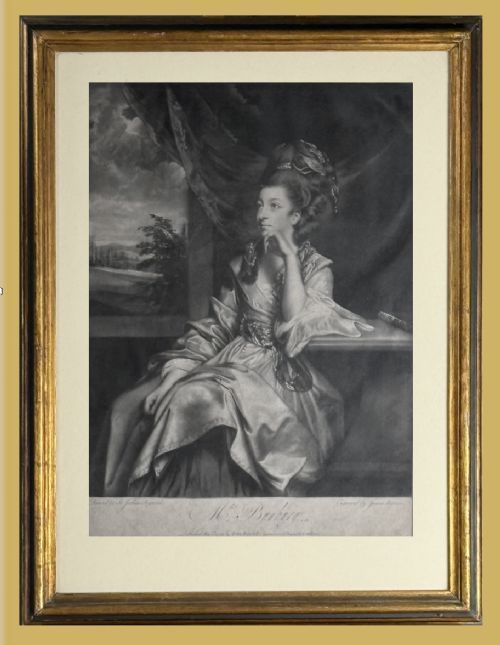
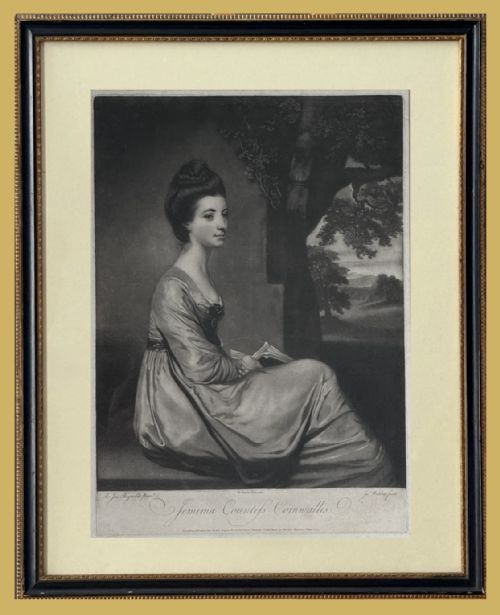
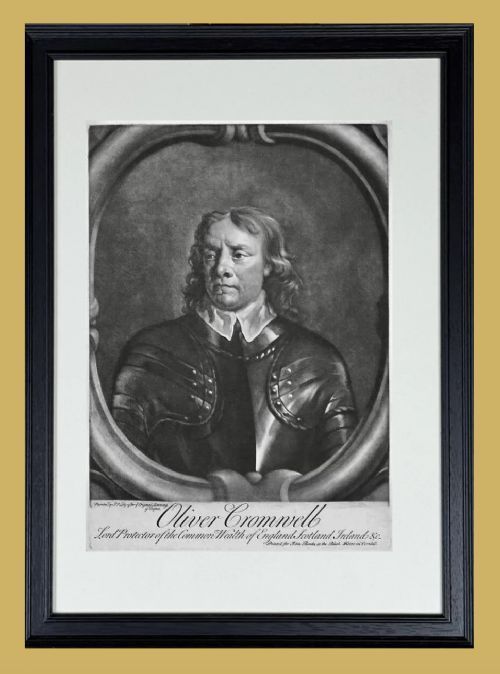
A monochrome antique print brings centuries of graphic art to your wall, offering crisp black-and-white ink work from Georgian and Victorian creators.
What these prints are
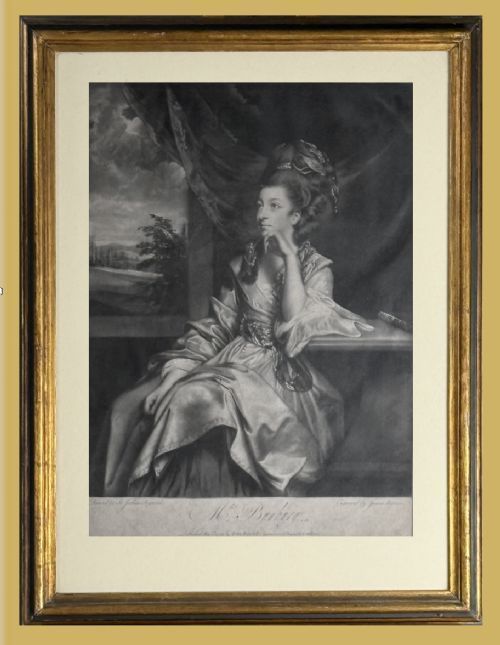
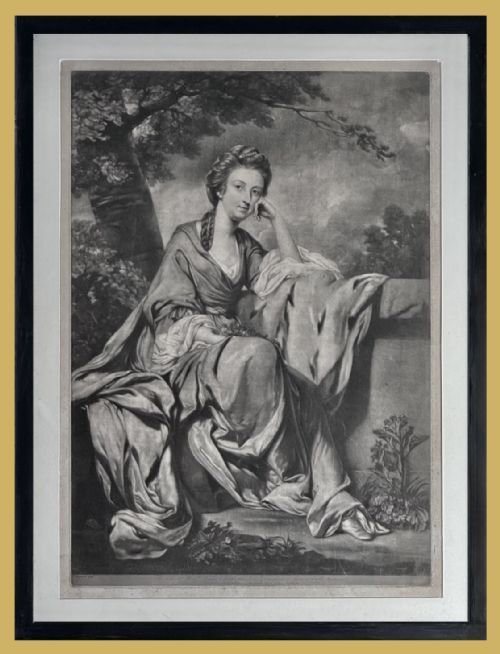
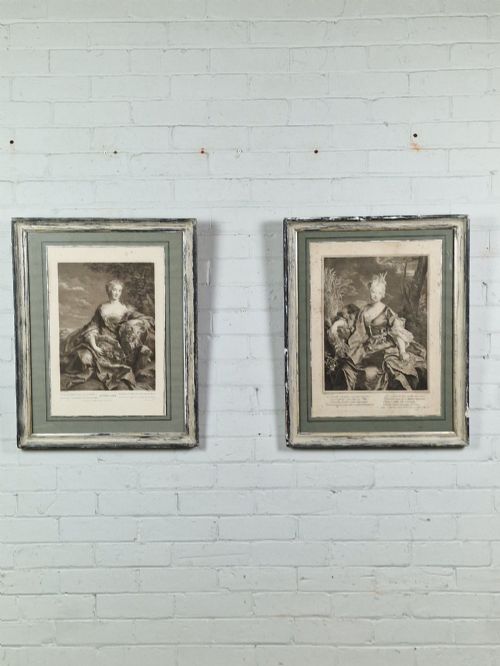
A monochrome antique print encompasses copper engravings and plate illustrations spanning from the eighteenth century through to the end of the nineteenth century. Buyers seek these pieces for their historical depth, architectural detail, and narrative scenes recorded entirely in ink on paper.
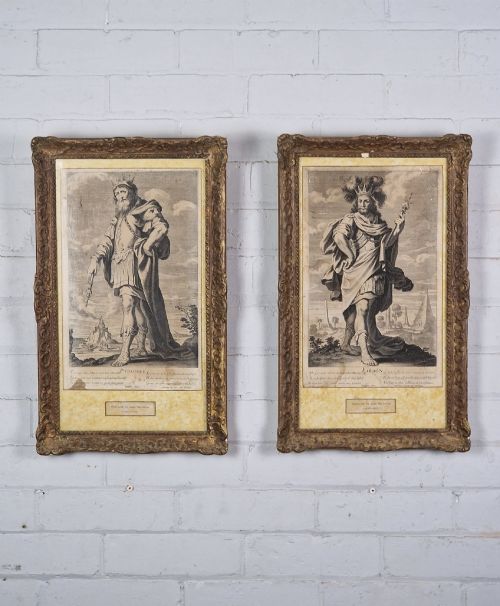
The selections available here lean heavily towards Georgian and Victorian periods, notably featuring neoclassical subjects and architectural studies from the antiquities of Athens. You will frequently encounter detailed plates depicting mythical figures, sporting scenes, and satirical series.
Originating from classic portfolios and illustrated club volumes, these works showcase the printmaker's craft without the distraction of colour. The visual impact relies entirely on line, tone, and the quality of the aged paper.
How they were made
Makers utilised ink pressed onto paper plates via traditional engraving techniques, often incising metal sheets by hand to hold the dark pigment. This meticulous process allowed craftsmen to produce remarkably sharp lines that define neoclassical forms and architectural masonry.
The medium relies strictly on the contrast between dark ink and the natural ageing of historic paper stocks. Each sheet carries the physical impression of the printing plate along its margins, evidencing the mechanical pressure applied during creation.
Retail Price Guide 2026
Typical UK retail prices for monochrome print, calculated from the Sellingantiques database of over a million retail prices indexed since 2003. This retail price guide relies exclusively on Sellingantiques data; no external sources or auction records are used, so the figures do not describe the wider market.
Current site listings span from the eighteenth-century Georgian era to the late Victorian period, utilising ink on paper.
What varies in quality
The distinction between standard impressions and superior examples rests in the crispness of the ink lines and the preservation of the paper. Finer sheets maintain deep, legible dark tones without muddy blurring, allowing intricate architectural details and facial expressions to remain sharp.
The pedigree of the engraver and the specific publication source heavily influence the standing of a piece. Works associated with documented eighteenth-century projects or notable artists command greater appreciation for their historical and artistic execution.
The Monochrome Print Glossary
- Copper engraving
- A printmaking technique where an artist cuts an image directly into a copper plate using a sharp tool called a burin. Ink is then forced into the incisions and transferred to paper under pressure.
- Neoclassical
- A Western cultural movement drawing inspiration from the classical art and culture of ancient Greece and Rome. It heavily influences the architectural subjects and mythical figures seen in these eighteenth-century plates.
- Plate mark
- The indentation left in the paper by the edges of the metal plate during the printing process. This physical ridge confirms the traditional intaglio method of production.
- Georgian
- The period spanning the reigns of the four British monarchs named George, marked by distinct shifts in design and classical revivalism. Prints from this era frequently reflect the intellectual curiosities of the Enlightenment.
Frequently Asked Questions
How should I frame an antique print?
Protect the paper by using acid-free mounts and framing materials that keep the sheet away from direct contact with the glass. UV-protective glazing helps prevent the ink and aged paper from fading under natural light.
Keep the framed work away from damp walls and direct sunlight to ensure the historical paper remains stable over decades of display.
How do I identify a Georgian engraving?
Look closely at the paper stock, typography, and stylistic cues such as neoclassical motifs or classical Greek architectural subjects. Eighteenth-century plates often feature period lettering styles and makers' credits inscribed directly beneath the image.
The plate dimensions and the characteristic impression left in the heavy paper stock also offer strong indicators of the manufacturing period.
What subjects are common in these prints?
Common subjects include architectural antiquities, classical Greek gods, sporting club records, and satirical narrative sequences. Many of these plates originated as illustrations for substantial multi-volume folios or specialised club publications.
Their visual language reflects the scholarly interests and leisure pursuits of the eighteenth and nineteenth centuries.
Are these prints originals from the period?
Yes, the listings comprise period works produced during the eighteenth and nineteenth centuries rather than modern digital reproductions. Each piece originates from the historical era indicated by its publication date and stylistic execution.
The physical characteristics of the ink and paper align with authentic historical printmaking standards.