
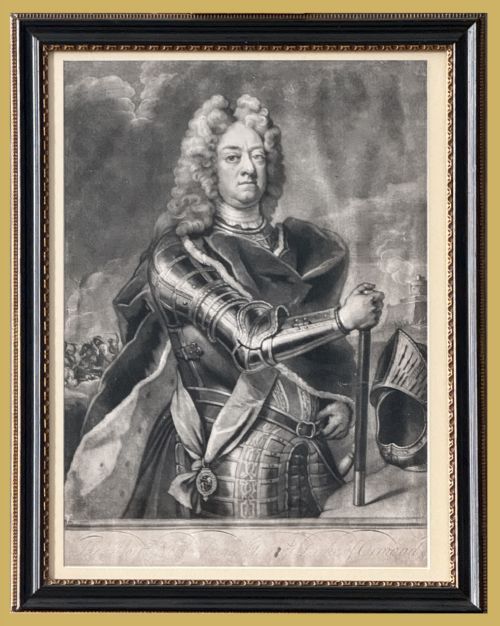
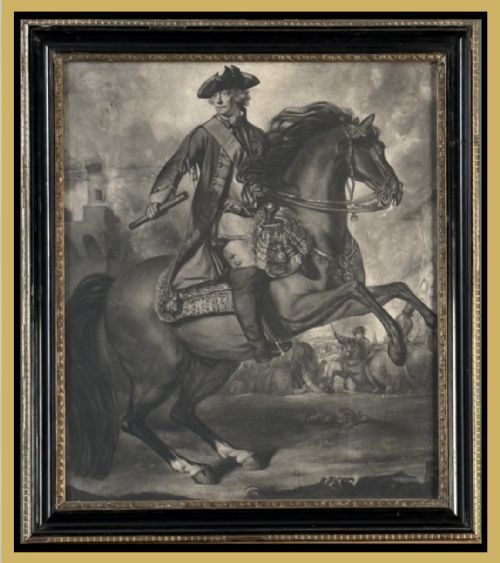
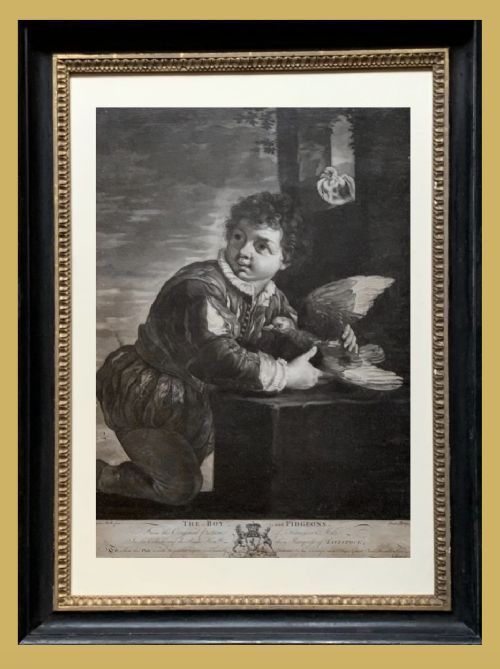
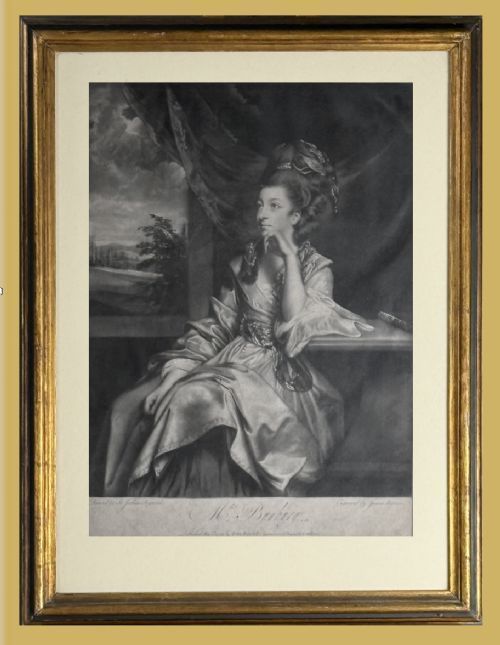


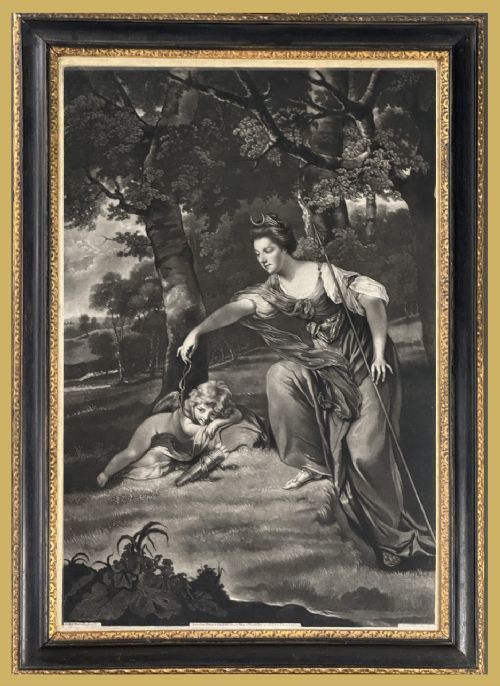
Monochrome Mezzotint
When you search for monochrome antique mezzotint, you uncover tonal prints capturing centuries of British portraiture and scene work framed in period wood and glass.
Monochrome Mezzotint
A monochrome antique mezzotint relies on a roughened copper plate scraped and burnished to yield rich dark tones and subtle gradients rather than simple lines.
Most examples found here date from the seventeenth, eighteenth, and nineteenth centuries, often categorised under Georgian, Baroque, and Victorian styles.
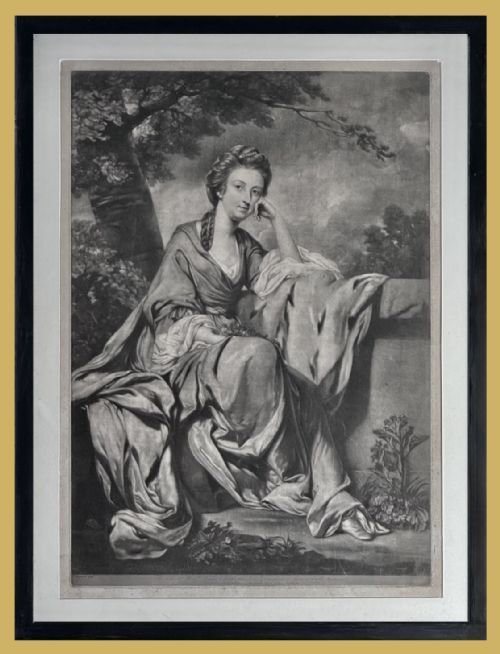
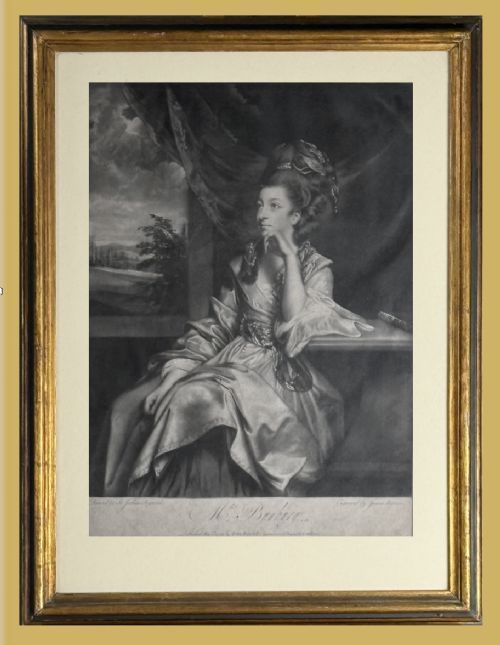
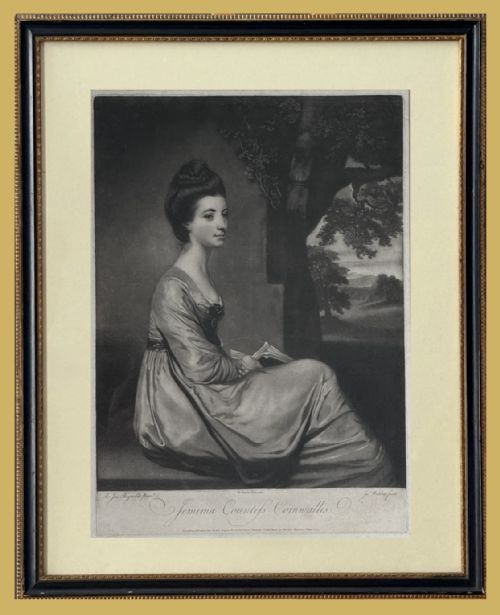
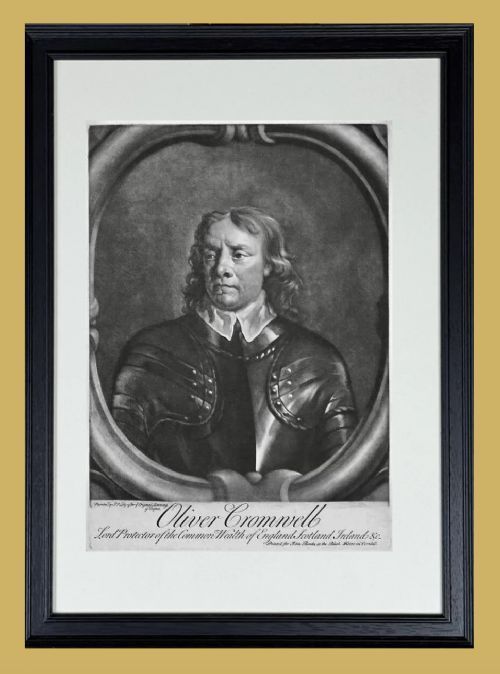
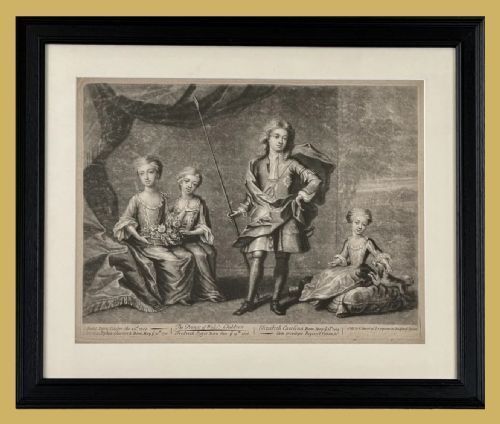
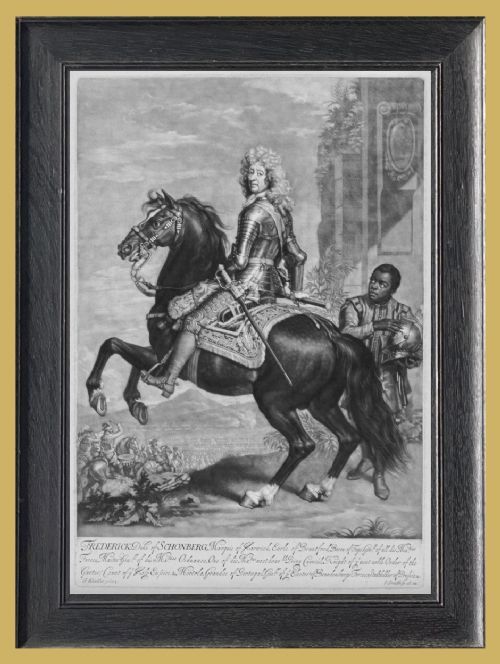
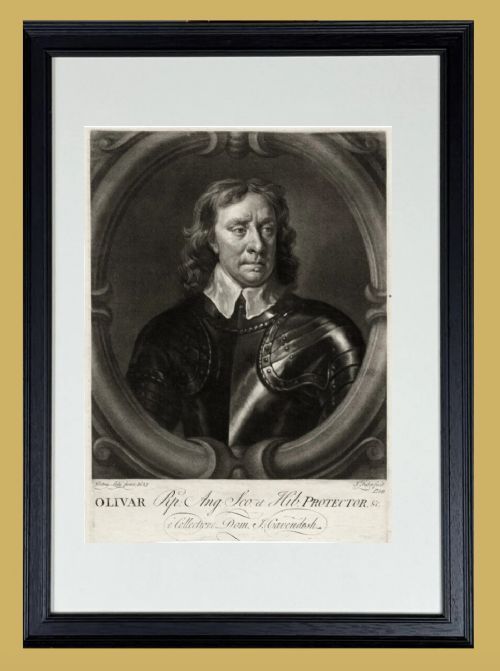
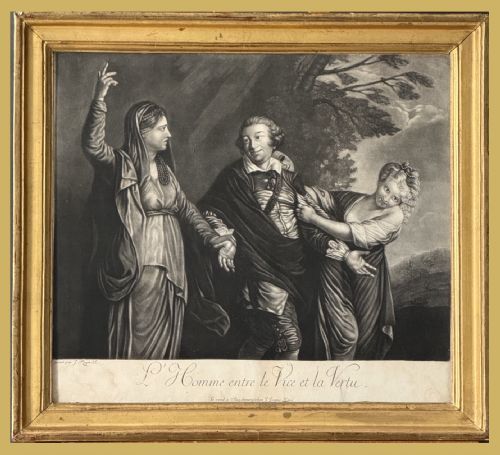
These works primarily take the form of framed prints and wall art depicting notable figures, nobility, and historical personages translated from oil paintings.
Materials and Techniques
Printmakers prepared copper plates using a rocker to create a burred surface that held dense pools of ink for deep velvety blacks.
Scrapers and burnishers smoothed areas of the plate to produce lighter tones and highlights, allowing for a nuanced range of grey shades.
Finished sheets utilised ink printed onto laid or woven paper, housed within timber frames featuring ebonised wood, gilt wood, and gold leaf.
Several eighteenth-century subjects gaze out sternly while sharing wall space with mischievous children and bathing infants.
Quality and Execution
Quality rests on the depth and richness of the tonal gradations achieved across the copper plate during the scraping process.
Early impressions pulled before the delicate burr wore down show greater contrast and velvety texture than later copies.
The sophistication of the original painterly source and the skill of the printmaker in translating oils into monochrome dictate the visual impact.
John Simon·Edward Fisher·John Boydell·James Watson·John Smith·Joseph Sympson·John Faber Jr·Robert Williams·Valentine Green·James Macardell·Richard Houston·Thomas G Appleton
The Monochrome Mezzotint Glossary
- Mezzotint
- A printmaking process where a copper plate is roughened uniformly and scraped to create tonal gradations. This technique allows for continuous tones instead of hatching or lines.
- Burnisher
- A smooth tool used to flatten the burr on a copper plate to lighten areas. It creates the highlights in the printed image.
- Rocker
- A curved, notched tool used by the printmaker to pit the copper plate evenly. It establishes the textured ground that holds the ink.
- State
- A stage in the progress of a plate during printing. Alterations made by the engraver define different states of an edition.
- Laid paper
- Handmade paper showing visible parallel lines from the wire mesh of the mould. It provides the traditional support for early prints.
Monochrome Mezzotint: Frequently Asked Questions
What is a mezzotint?
A mezzotint is an intaglio printmaking method invented in the seventeenth century that builds images through tonal areas of dark and light rather than lines.
Printmakers roughen a copper plate entirely and smooth specific spots to generate soft shadows and highlights.
How should I frame them?
These works typically sit behind glass in wooden frames finished with ebonised wood or gold leaf to protect the paper from moisture and light damage.
Keeping them away from direct sunlight preserves the ink density and prevents the paper from yellowing.
How do I date a print?
Dating relies on the paper type, style of the framing, and records of the printmaker active during specific historical periods like the Georgian era.
Stylistic cues from the clothing and subjects depicted also point toward the century of production.
Why are they monochrome?
The technique focuses entirely on ink tones on paper to replicate the rich chiaroscuro found in oil paintings of the period.
Limiting the palette to black and grey emphasises the depth of shadow and the skill of the scraper.