


Modern Figurative Art
Modern figurative art captures the human form through the lens of twentieth-century movements, offering expressive portraits and studies that anchor a room.
Modern Figurative Art
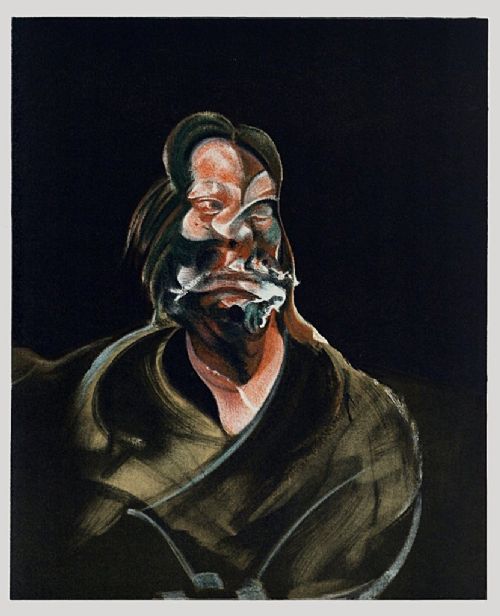
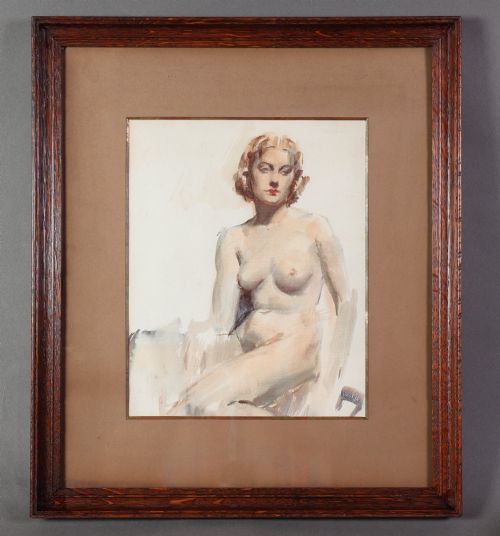
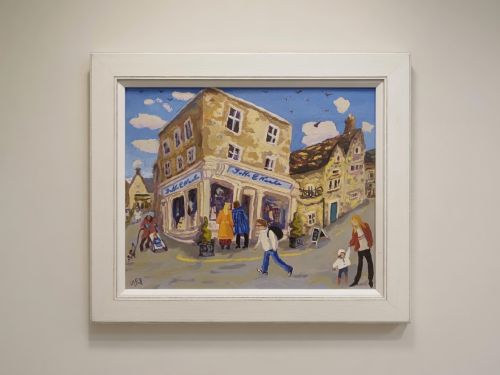
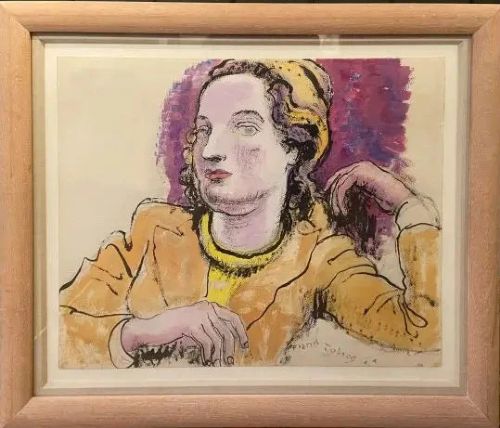
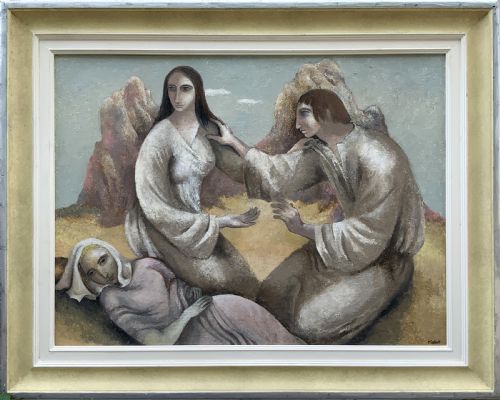
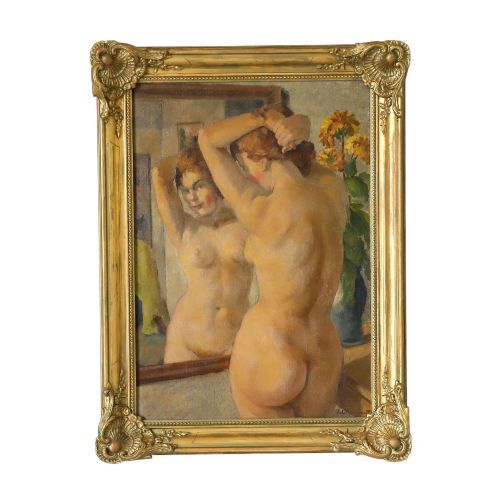
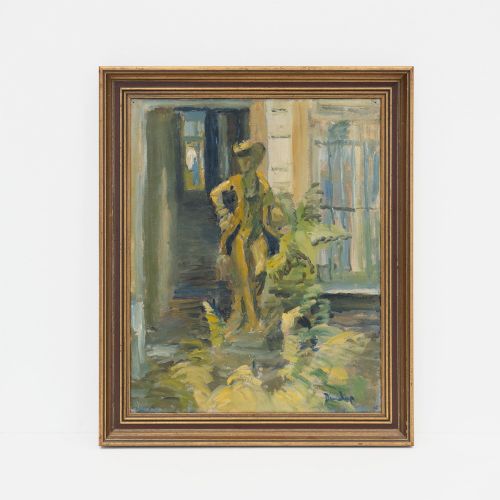
Modern figurative art centres on representations of the human form, spanning paintings, drawings, and prints created across the twentieth century. These works range from intimate charcoal sketches to large oil paintings on canvas, reflecting shifts in artistic vision from the 1910s onward.
The pieces most frequently met on this page belong to the mid-century period, particularly the 1930s to the 1960s. Portraits, nudes, and character studies dominate the selection, often produced by British and European artists working within modernist and impressionist traditions.
Materials and methods
Artists relied heavily on oil paint on canvas or board, alongside works on paper utilising ink, charcoal, chalk, and watercolour. Lithographs also appear, offering printed interpretations of initial drawn or painted compositions.
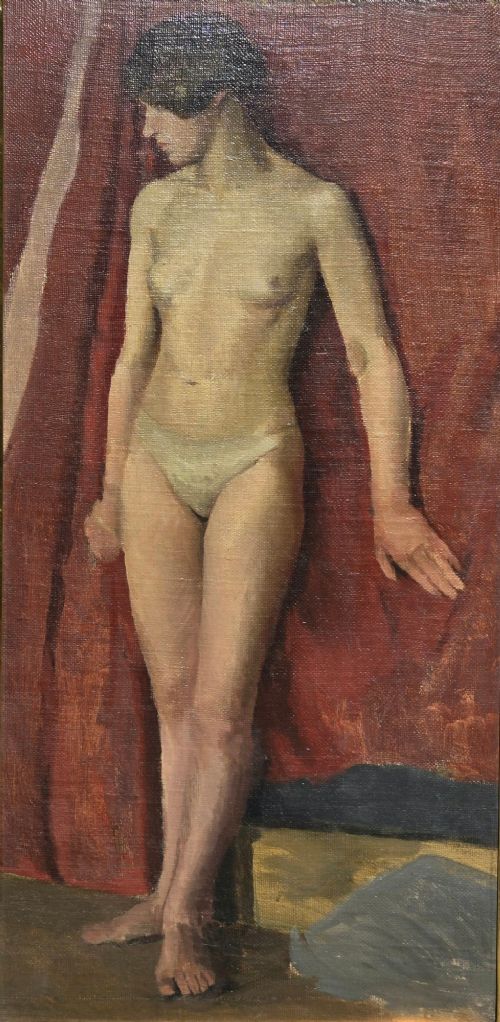
Techniques vary from precise academic life studies to textured impasto applications and experimental surrealist or cubist forms. Supports range from stretched canvas and heavy paper to board laid down for stability.
Materials recorded across the inventory include oil paint, charcoal, watercolour, ink, and lithography on canvas, paper, and board.
Assessing the work
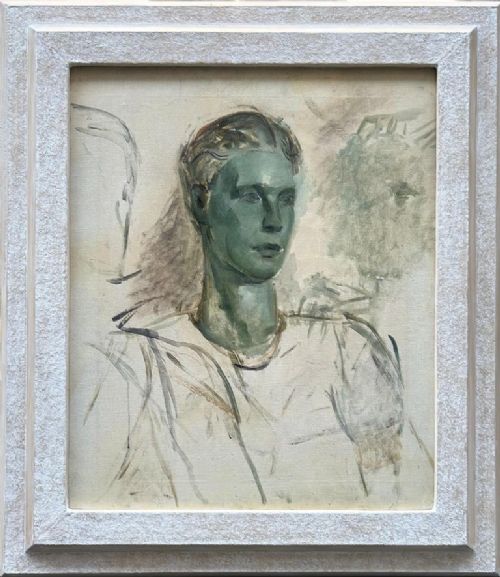
Quality rests on the confidence of the line and the handling of the medium, whether through the deft sweep of a charcoal study or the deliberate buildup of oil paint. Stronger pieces display a distinct command of anatomy and character, even when executed in abstract or avant-garde styles.
The reputation of the maker and the clarity of the provenance influence distinction within the range. Works attributed to documented artists with exhibition histories carry greater weight than anonymous school pieces.
Francis Bacon·Frank Dobson·Sir William Russell Flint·Lucien Freud·Pablo Picasso·Kees van Dongen·Dame Laura Knight
The Modern Figurative Art Glossary
- Impasto
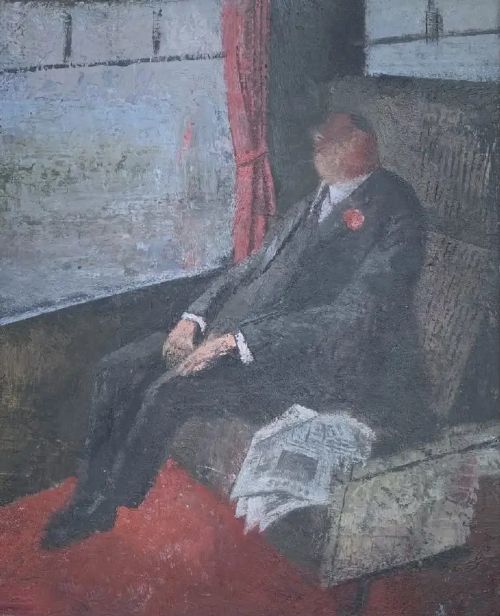
- Paint applied thickly to a canvas, standing out in relief from the surface. This technique adds tactile depth and visible brush texture to figurative studies.
- Lithograph
- A printmaking method based on the repulsion of oil and water on a stone or metal plate. Artists utilise this process to produce multiple original impressions of a drawing.
- Triptych
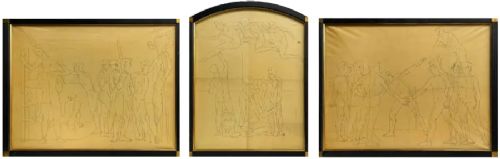
- A work of art divided into three sections or panels hinged or displayed together. It allows the artist to present a narrative sequence across multiple panels.
- Surrealism
- A twentieth-century cultural movement that sought to release the creative potential of the unconscious mind. Figurative works in this style juxtapose realistic human forms in dreamlike or illogical settings.
- Provenance
- The chronology of the ownership, custody, or location of a historical item. A documented trail helps confirm the authenticity and history of a painting.
Modern Figurative Art: Frequently Asked Questions
What defines modern figurative art?
Modern figurative art focuses on human subjects while breaking away from strict academic realism. Artists experiment with form, colour, and texture to convey mood and psychological depth.
Works from this genre often reflect broader twentieth-century movements like surrealism, cubism, and modern British painting. The human body serves as a vehicle for personal and stylistic expression rather than mere imitation.
How should I frame works on paper?
Works on paper, such as charcoal drawings, watercolours, and lithographs, require careful framing with acid-free mounts to prevent yellowing. Keeping the paper from touching the glass preserves the integrity of the medium.
Displaying these pieces away from direct sunlight protects organic pigments and inks from fading over time. Professional framing ensures the piece remains stable and secure for decades.
How do I identify mid-century pieces?
Mid-century pieces typically date from the 1930s to the 1960s, featuring specific stylistic markers such as simplified forms and expressive brushwork. Signatures, dates, and framing materials often provide clues to the exact decade of creation.
Looking at the back of the canvas or board can reveal old gallery labels, exhibition stamps, or artist inscriptions. These physical details help place the artwork within its historical context.
Are charcoal drawings durable?
Charcoal drawings are relatively stable when handled with care, though the medium is inherently prone to smudging if touched. Framing behind glass protects the loose carbon particles from physical disturbance.
Fixatives are often applied by artists to bind the charcoal to the paper surface. Proper conservation practices ensure these delicate studies survive in pristine condition.